They say hindsight is 20/20. You see more clearly in retrospect and all variables reveal themselves.
We can draw a lesson for Nigeria from two separate but devastating periods in history:
1 - Franco-German Enmity 1900s
2 - Indian Ocean Tsunami 2004
How are these connected?
We can draw a lesson for Nigeria from two separate but devastating periods in history:
1 - Franco-German Enmity 1900s
2 - Indian Ocean Tsunami 2004
How are these connected?
For the buildup to World War 2, historians agree on one thing: With or without Hitler, the War was inevitable.
Adolf Hitler embodied the deep resentment or "revanchism" that pervaded the Germany of his generation. And that resentment was aimed especially at someone: the French.
Adolf Hitler embodied the deep resentment or "revanchism" that pervaded the Germany of his generation. And that resentment was aimed especially at someone: the French.
There's a lot of backstory to this, so I'll skip most details and drive to the matter.
After the Franco-German War of 1870, France lost a certain territory to Germany, Alsace-Lorraine, under humiliating conditions.
The French were bitter; they carried on while plotting revenge.
After the Franco-German War of 1870, France lost a certain territory to Germany, Alsace-Lorraine, under humiliating conditions.
The French were bitter; they carried on while plotting revenge.
The French got their chance in WW1.
The defeat of Germany saw the return of Alsace-Lorraine in 1918 and a payback of that bitterness to Germany, with extra humiliation under the Treaty of Versailles.
But this punishment was stacked too heavy & the Germans, in turn, were bitter.
The defeat of Germany saw the return of Alsace-Lorraine in 1918 and a payback of that bitterness to Germany, with extra humiliation under the Treaty of Versailles.
But this punishment was stacked too heavy & the Germans, in turn, were bitter.
Led by Adolf Hitler, the Germans took their pound of flesh once more against France in WW2.
Alsace-Lorraine was re-taken, changing hands for the 3rd time in two generations.
However, this possession was short-lived. Germany lost the War and the territory returned to France.
Alsace-Lorraine was re-taken, changing hands for the 3rd time in two generations.
However, this possession was short-lived. Germany lost the War and the territory returned to France.
Sure, Alsace-Lorraine wasn't the main driver of the Wars. It was just one thread out of many that conspired to set Europe on fire 100 years ago.
The lesson here is that resentments won't die quietly. They fester on a low-key till they erupt. Simply "moving on" is not an option.
The lesson here is that resentments won't die quietly. They fester on a low-key till they erupt. Simply "moving on" is not an option.
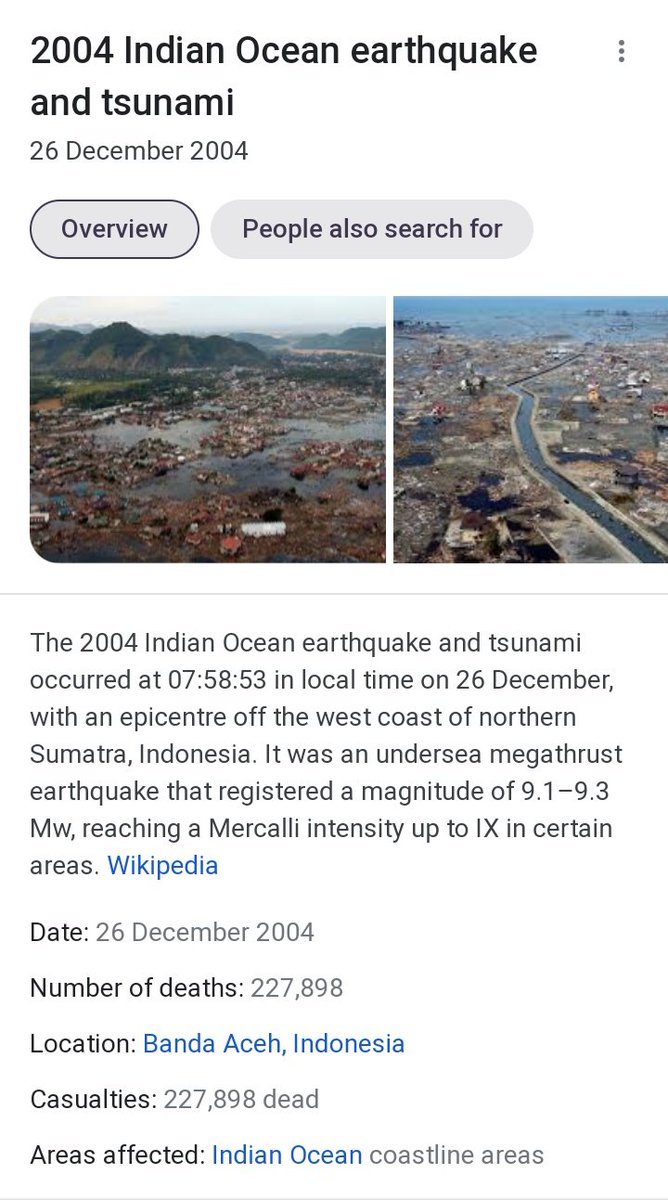
Speaking of low-key, this brings me to my second event in history: the Indian Ocean Tsunami of 2004.
We saw how devastating a tsunami can be, when it hit surrounding coastal cities killing 250,000.
(You may recall Japan's 2011 Fukushima Daiichi Nuclear Plant Tsunami Disaster.)
We saw how devastating a tsunami can be, when it hit surrounding coastal cities killing 250,000.
(You may recall Japan's 2011 Fukushima Daiichi Nuclear Plant Tsunami Disaster.)
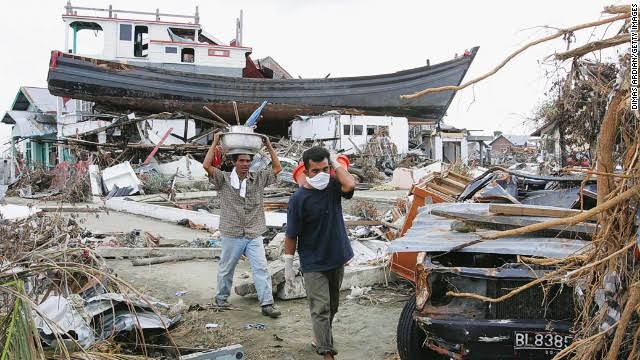
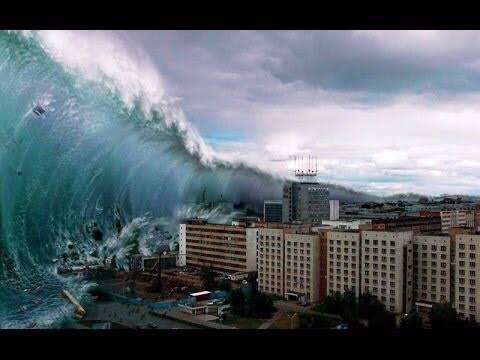

You see, a tsunami has interesting physics behind it. It originates at sea, triggered by an underwater quake.
In its infancy, a deadly tsunami is hard to catch. Fishermen barely noticed anything when it slipped quietly under their flimsy wooden boats on its way to shore in 2004.
In its infancy, a deadly tsunami is hard to catch. Fishermen barely noticed anything when it slipped quietly under their flimsy wooden boats on its way to shore in 2004.
The power and devastation potential of a tsunami increases as it swims closer and closer to land, where it transforms and "stands up" into mighty waves that swallow up an entire city.
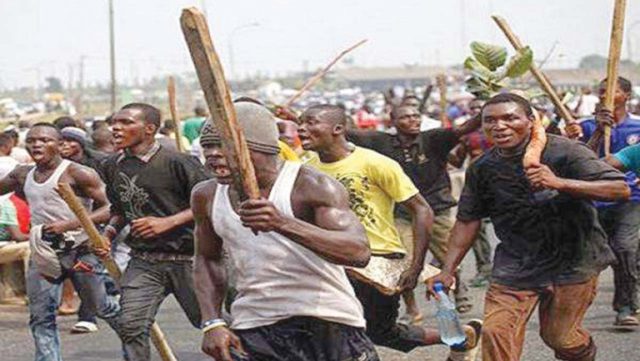
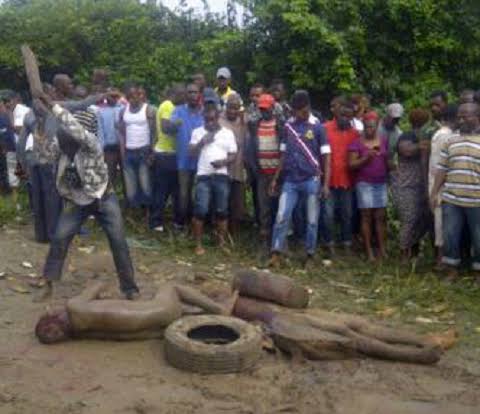
Today in Nigeria, we see evidence of deep resentments left unaddressed (even reinforced) PLUS what I will call "the fisherman effect".
Like Europe in the 1900s, when resentful people meet a chance to "finish unfinished business", it wouldn't matter at all who's right or wrong.
Like Europe in the 1900s, when resentful people meet a chance to "finish unfinished business", it wouldn't matter at all who's right or wrong.
But like fishermen on a boat, we're blissfully unaware of this monster that's quietly sailing by on its way to swallowing our homeland.
When historians look back at a conflict, they're often able to connect the dots and retrace its origins beyond immediate triggers.
The Biafran War began in 1967, but we can look back today and see earlier dates, (which our fathers could not see in real time).
That's hindsight.
The Biafran War began in 1967, but we can look back today and see earlier dates, (which our fathers could not see in real time).
That's hindsight.
This is not to say that there were no prophets who could see tomorrow.
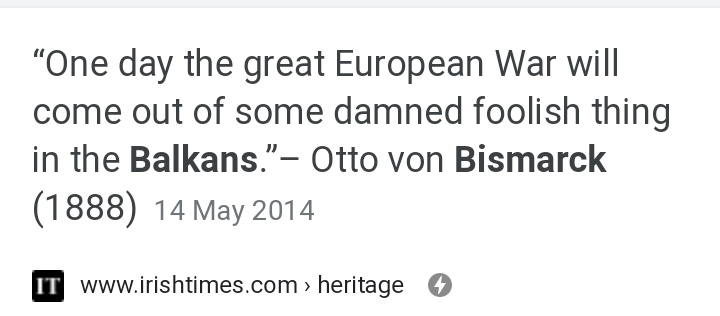
Otto von Bismark saw the War in Europe (WW1) more than 30 years ahead, and correctly predicted the Balkans would be the trigger point.
Otto von Bismark saw the War in Europe (WW1) more than 30 years ahead, and correctly predicted the Balkans would be the trigger point.
The "prophets" look at Nigeria today and can see the handwriting on the wall.
They are shouting at the top of their voices, but who's listening?
When historians of the future look back at the days of our lives, I fear they might not have nice words to say about us.
They are shouting at the top of their voices, but who's listening?
When historians of the future look back at the days of our lives, I fear they might not have nice words to say about us.
They might wonder:
Who allowed that guy so much influence and grassroots legitimacy?
How did they fail to notice youth unemployment had crossed the critical 35%?
Why did Govt choose to launch that policy in the middle of a pandemic? What were they even thinking?
#EndSARS
Who allowed that guy so much influence and grassroots legitimacy?
How did they fail to notice youth unemployment had crossed the critical 35%?
Why did Govt choose to launch that policy in the middle of a pandemic? What were they even thinking?
#EndSARS
Nigeria desperately needs a leader who recognises the urgency of Nigeria's situation.
A leader who can grab the wheel and steer this country back from the brink.
A driver who can do the impossible.
A driver who can literally do this...
A leader who can grab the wheel and steer this country back from the brink.
A driver who can do the impossible.
A driver who can literally do this...
I fear it might already be too late to change course and "save Nigeria".
I hope I'm wrong, but the signs are real and they stare us in the face.
I hope I'm wrong, but the signs are real and they stare us in the face.
https://twitter.com/Dr_Clandestine/status/1265245333518499841?s=19
• • •
Missing some Tweet in this thread? You can try to
force a refresh