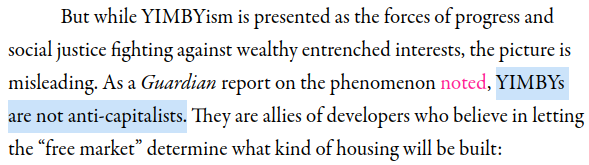
It made sense for early liberals to oppose the state, as it was usually an oppressive, aristocratic institution vs. the potential freedom of the market.
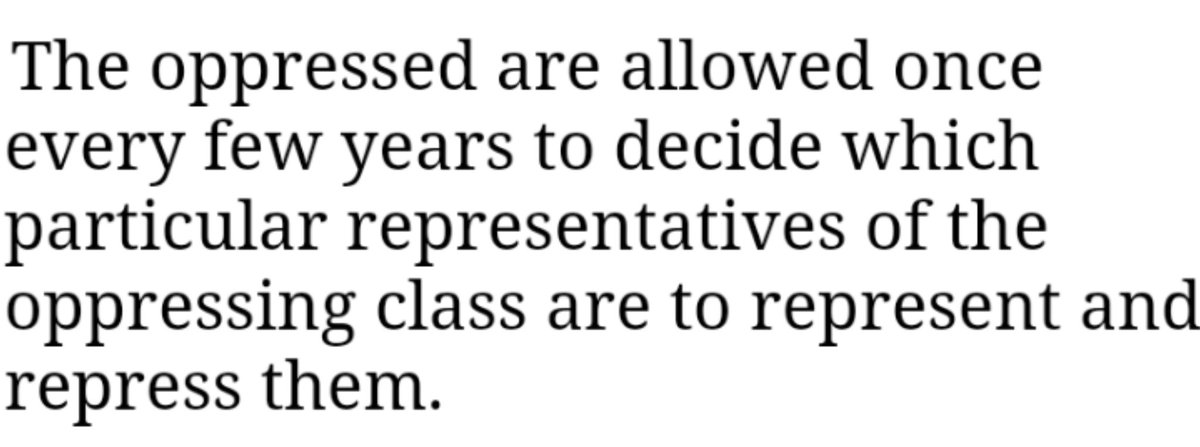
It made sense for early socialists to oppose the state, as it was controlled by capitalists, with voting highly limited.
But these views are now both outdated. The market is the main aristocratic and oppressive force. States are complex, and voting rights are often under attack, but the same restrictions no longer exist. The state now can be, and is, regularly used as a tool for good by the people.
I think a lot of people get brainworms because they read some older texts that haven't grappled with the fact the state is fundamentally different nowadays. And they couldn't have grappled with it, the changes hadn't happened yet!
Do you think Marx would've said this about social democrats riding into power on a wave of union support, and proceeding to massively expand worker power and socialize wealth? I think not.
He was instead talking about the material conditions he was living in at the time.
(There are still places where states are incredibly oppressive and aristocratic of course, liberalism's work is not complete worldwide, but that didn't fit in the tweet)
To be clear the same thing does not apply to anarchist critiques of the state, which are as far as I've seen about the nature of the state in and of itself. Not so much reliant on how it happens to be operating in a certain time.
• • •
Missing some Tweet in this thread? You can try to
force a refresh
Hey, I'm right here!
Anyways, I've seen this confusion around many things. A simple rephrasing of econ 101 in terms of class conflict should clear things up: we want the capitalist class to have internal conflict through competition, as this will leave normal folks better off.
At the extreme end, it's easy to see why anti-capitalists would prefer a perfectly competitive market to a perfect monopoly.
Now of course, certain things are natural monopolies that we want the public to take over. But housing is certainly not one of those.
Might be a hot take, but I think classical socdem & a more libertarian socialism are both valid ideologies, the key trade-off is one of effort vs. efficiency. It would take tons of effort to be involved with a bunch of decision-making bodies, even if the decisions were better.
There is also somewhat of an equality issue, centralization can lead to higher equality between places with different productive capacities, but that can be helped with a decent tax and welfare system while leaving decisions about production under more decentralized control.
And also if you look to Sweden's experience, there are certainly limits to what a centralized body can do to increase equality!
It's truly incredible how right libertarian justifications for property are broken all the way down.
Property necessarily started with aggression.
Even if it didn't necessarily, it usually did in practice.
Mixing your labor with land does not make it an extension of you.
Even if it did, this would cause ridiculous results, like the classic example of pouring tomato soup into the ocean.
Even if we ignore those ridiculous results, it's still not clear what part of the land you get to own by laboring on it. Just the dirt you touched?
Even if that was clear, it wouldn't be clear how to distribute property justly among many people who worked on the same thing.
Even if it was, in the modern day, most GDP can be attributed in some way to knowledge from dead people.