A thread about what how parallels in computer game development can be drawn with AFV development in the UK and the lessons that can be derived from Continuous Improvement / Continuous Development (CI/CD) techniques.

Cool graphics alert. You have been warned.

1/
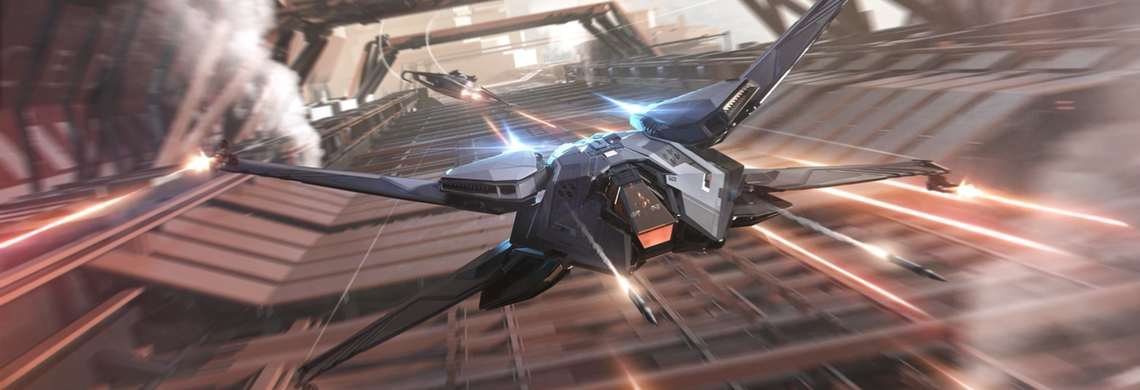
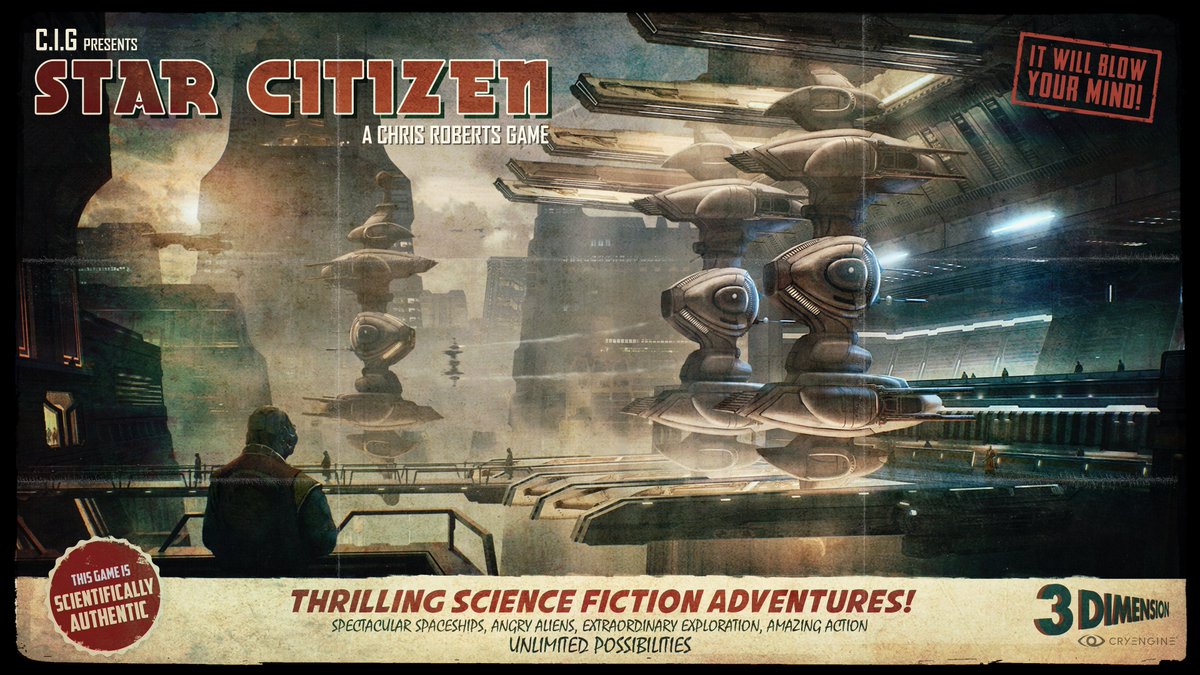
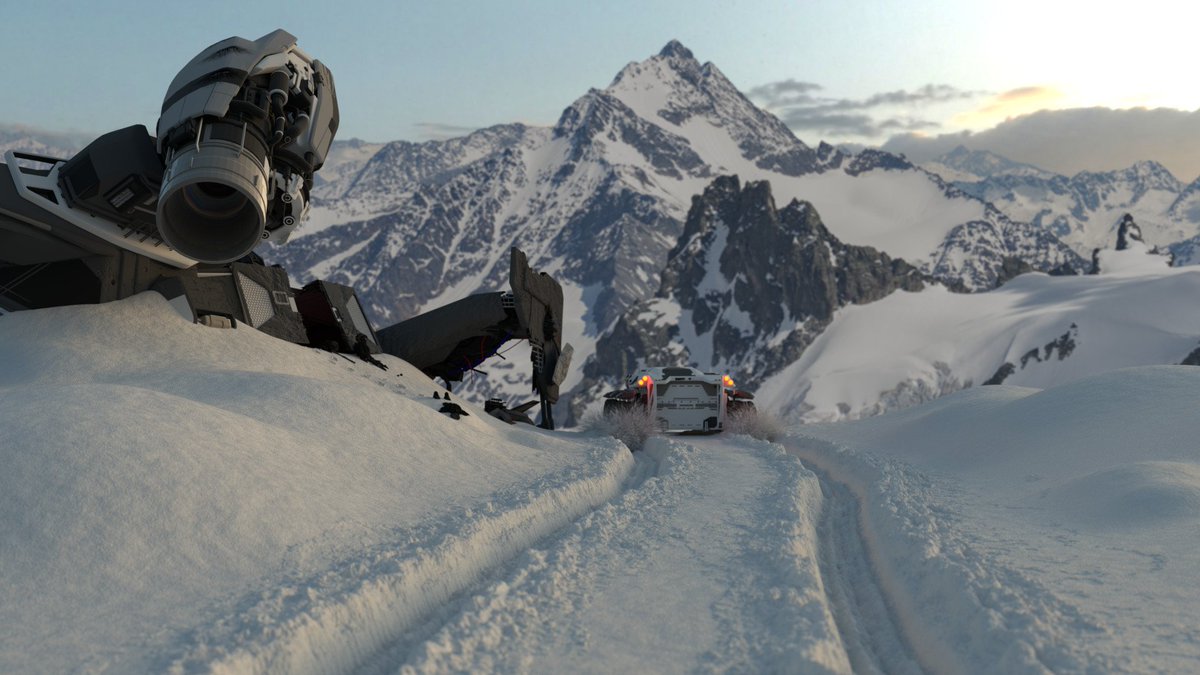
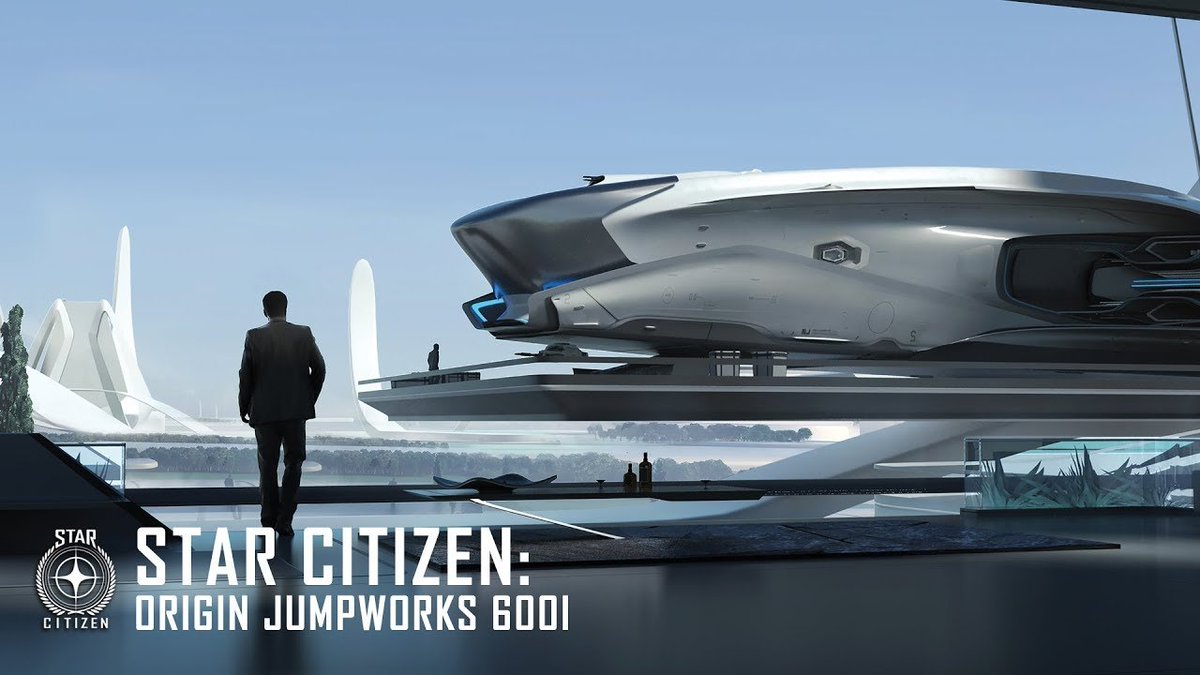
Star Citizen is a computer game that is in development. It was launched as a Kickstarter in 2012 with a delivery date of 2014. It is exquisite, from the artwork to the level of detail to seamless experience it offers.

2/
9 years after announcement, it hasn't gone live. It is still in Alpha. There is 1 solar system to explore. It is buggy. It crashes. It is still amazingly feature rich and is full of promise. But it's not something you can jump in and play reliably.

3/
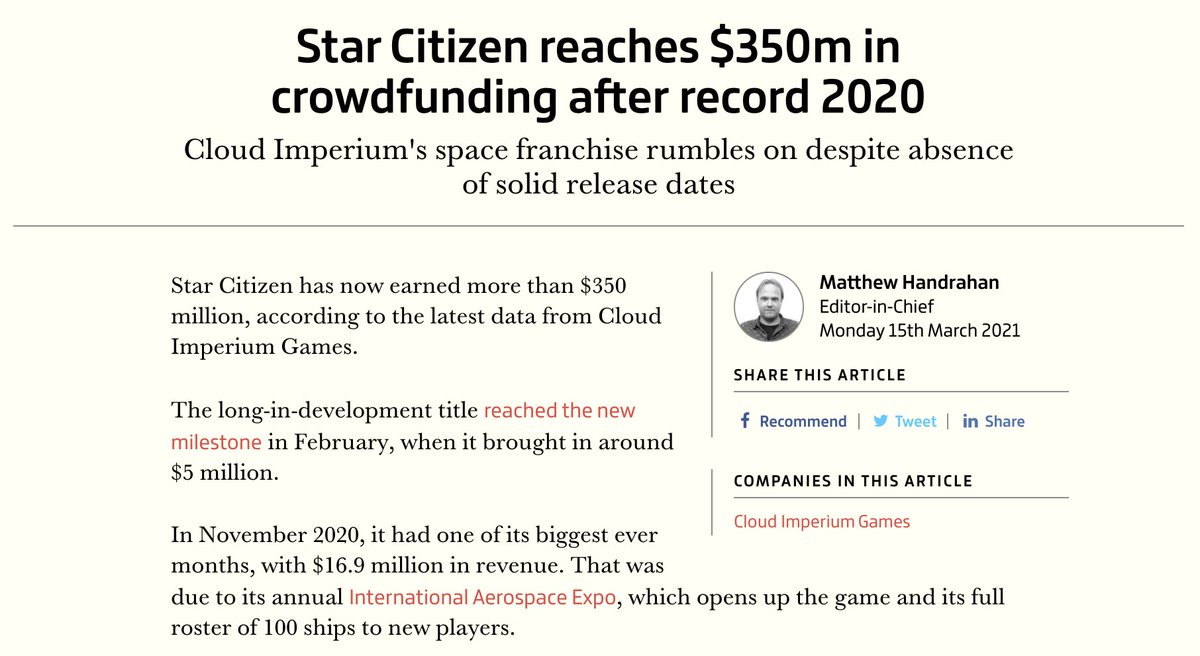
It has raised in excess of $400M over this time. Just over $350 via funding and the remainder via investment with sale of 10% of the company. Star Citizen has its fans. The people that are working on it. The people that see its potential and support it. The investors.

4/
The game chose to "shoot for the moon" from the start. Gold plate, gilt edge, artisan-ally craft every detail. To be honest I'd love to see it finished myself. But it's not ready for the main-stream yet. It's more a fund-raising, experiential business model than a product.

5/
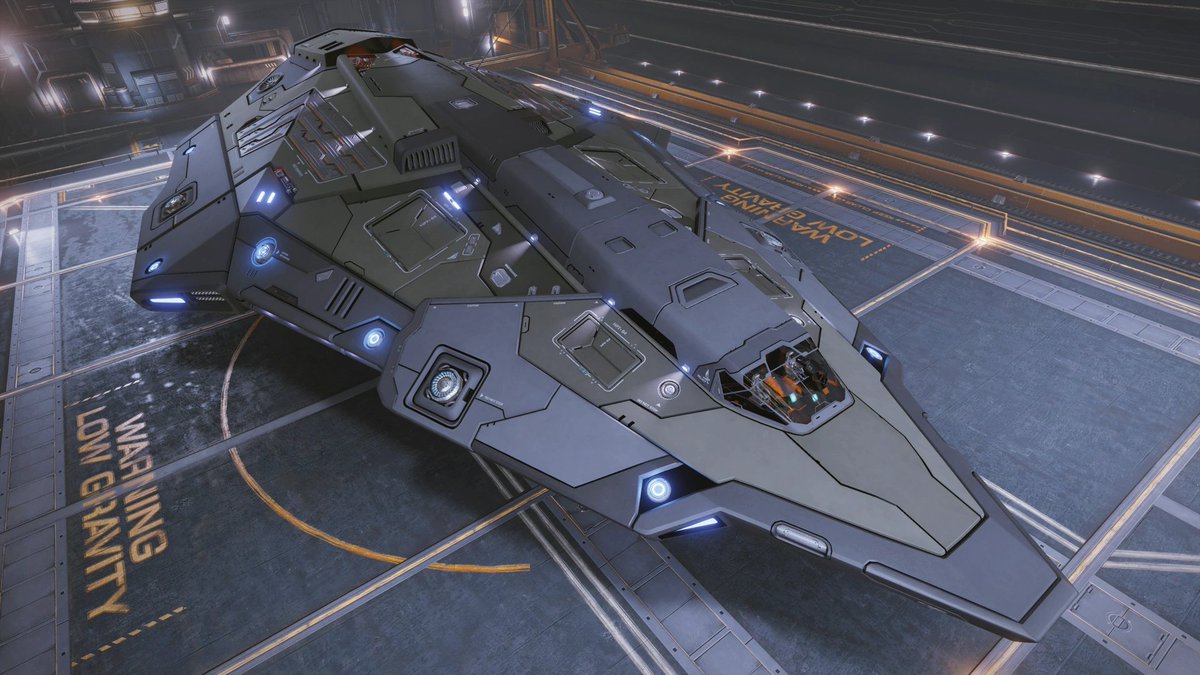
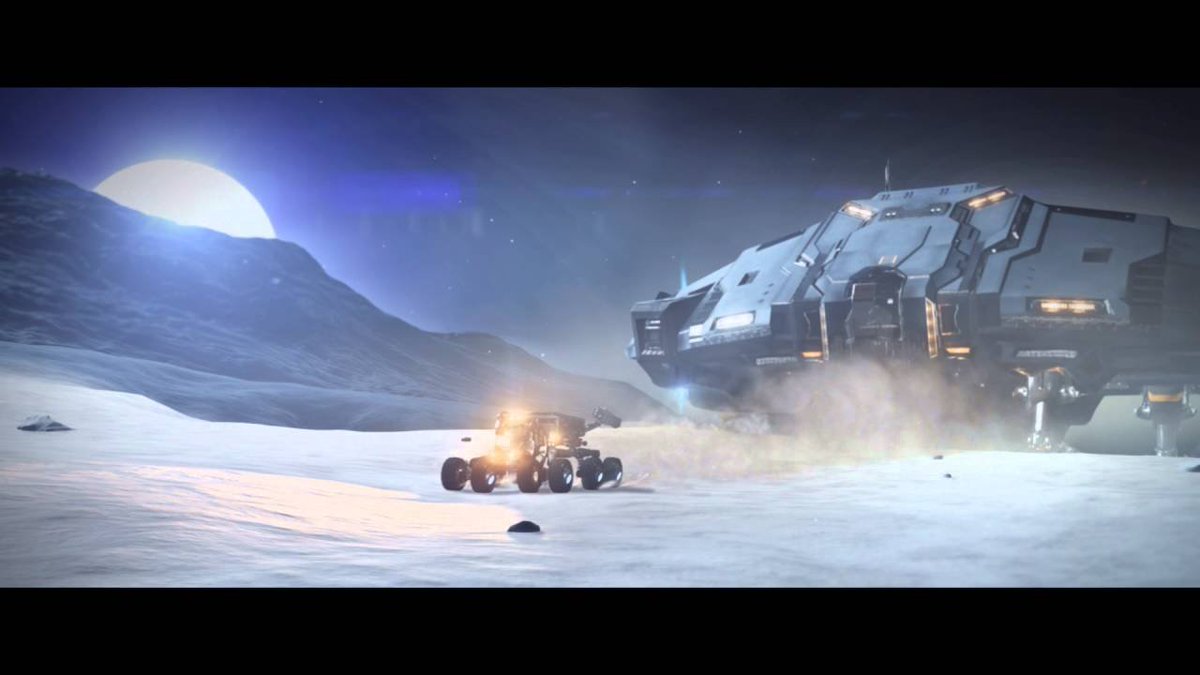
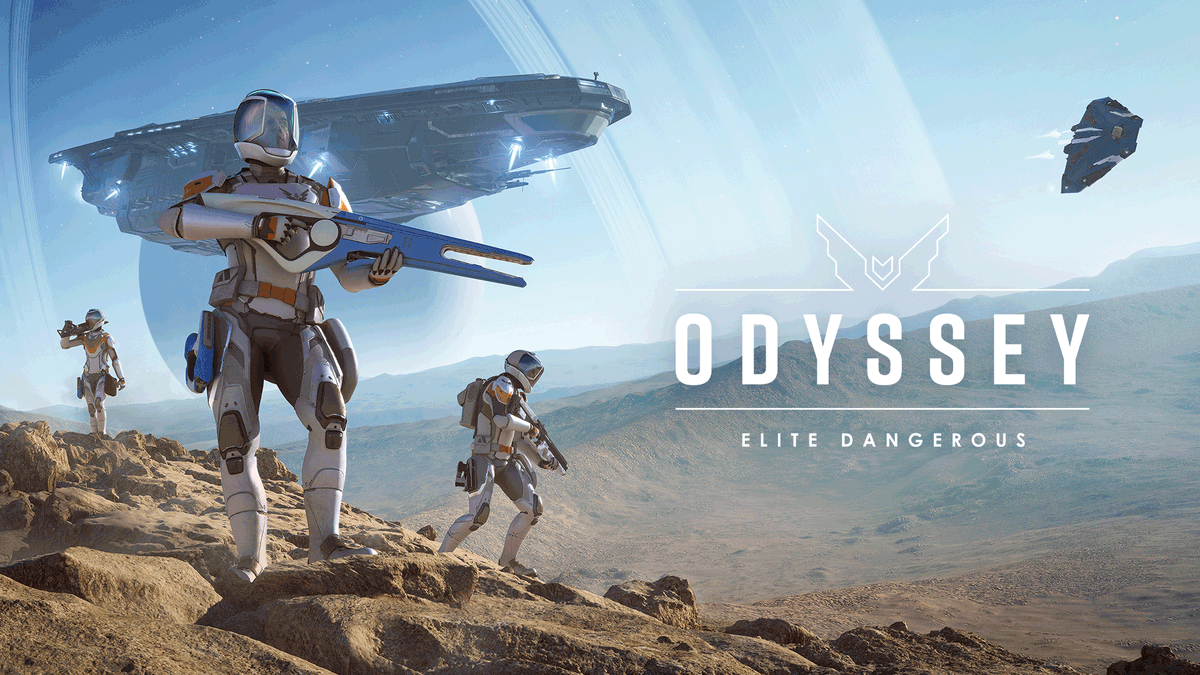
Compare and contrast to another game - Elite: Dangerous.

6/
It too launched a Kickstarter in 2012. It too had a launch date of 2014. But it delivered in 2014. It entered the market.

7/
Elite: Dangerous didn't offer the full suite of features and it wasn't perfect itself, but it offered a fairly robust platform with the features it included being polished. 400 billion stars ready for you to go and explore...

8/
It also offered a roadmap: Start with a solid foundation then add functionality.

This resonated with customers who bought the ready to go product, funded it, battle tested it, suggested improvement, fed back. This user base far exceeds Star Citizens core in numbers.

9/

In the 9 years since the Kickstarter launch, Elite: Dangerous has issued steady release after release, inexorably moving towards the feature set Star Citizen is promising. It has earned over $22M in this timespan.

10/
It's not quite there yet, and iterations haven't always been smooth, but it's darned close and everything it does have is pretty reliable and functional. You can jump into Elite: Dangerous and have a fair expectation that it will stand up to what you want to do.

11/
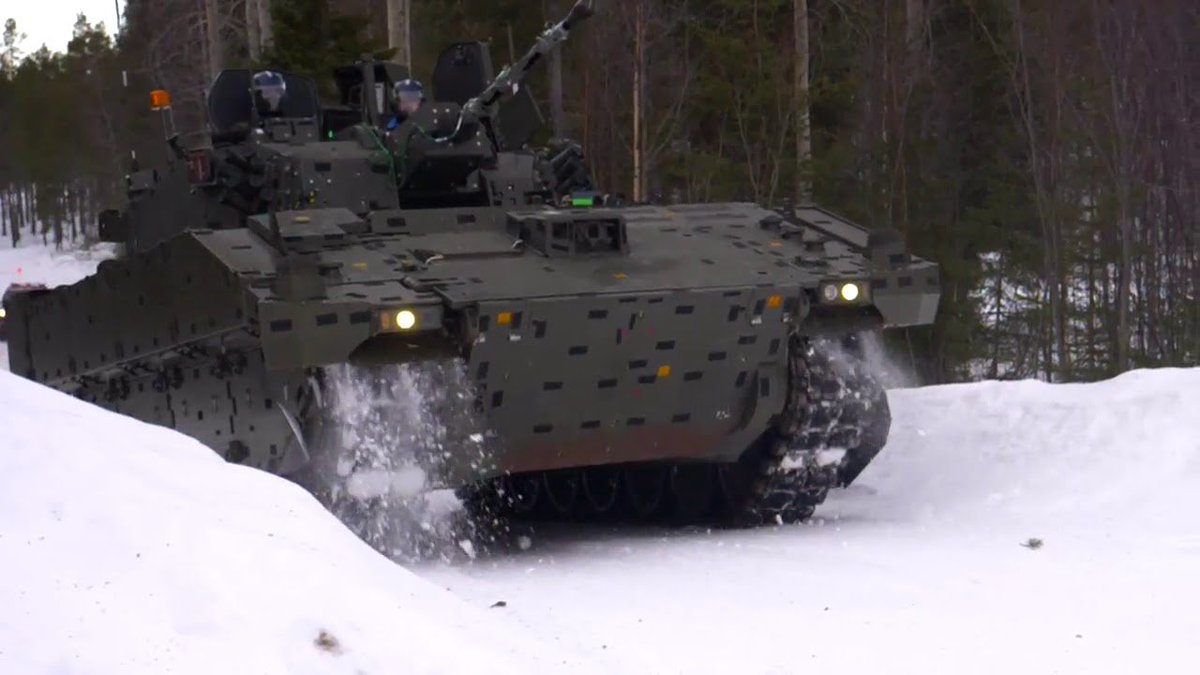
Ajax and CV90. Two paths that could have been taken in 2010. One promising exquisite functionality once delivered. The other a solid platform and the support around it to improve continuously over that time. One hasn't delivered. The other has reached broad feature parity.

12/
Exquisite Full Featured Big Bang vs Continuous Improvement / Continuous Development. Shoot for the Moon vs Build a Foundation then collaboratively improve with additional functionality over time.

13/
I know which project delivery method I would choose for an AFV programme. Any project / programme in fact. Deliver Iteratively. Fail Fast. Continuously Improve. Does this sound familiar to any Army slogans? The Army already knows. It just doesn't realise it yet.

14/
(I'm still looking forward to playing Star Citizen's full release, but I've been playing Elite:Dangerous in the intervening years.)

15/
/FIN

• • •

Missing some Tweet in this thread? You can try to force a refresh

 

Keep Current with The Other Chris

The Other Chris Profile picture

Stay in touch and get notified when new unrolls are available from this author!

Read all threads

This Thread may be Removed Anytime!

PDF

Twitter may remove this content at anytime! Save it as PDF for later use!

Try unrolling a thread yourself!

how to unroll video
  1. Follow @ThreadReaderApp to mention us!

  2. From a Twitter thread mention us with a keyword "unroll"
@threadreaderapp unroll

Practice here first or read more on our help page!

More from @TotherChris

9 Mar
1/ AVRe Cap 3 - A thread looking at an approach to regenerate a heavy family of tracked vehicles.
2/ Background
===========
3/ Challenger's origins date to 1977 when Chobham armour made its first appearance. Around the same time, Rolls-Royce developed a new engine to replace the shockingly under-powered and unreliable British Leyland motor in Chieftain. This was the foundation for a new MBT design.
Read 54 tweets
9 Mar
1/ A thread covering a Teamed Program approach to establish a bedrock for restoring land vehicles expertise and supply to the Army in the 2030 onwards timeframe. Working title: Team Land Forces.
2/ Readers may recognise the success the MOD has had with Team Complex Weapons, the RAF with Team TEMPEST and the Royal Navy with the National Shipbuilding Strategy. The Army would benefit form a similar, coherent, vision.
3/ The MOD and Army requires current and future military capabilities with both Operational Advantage and Freedom of Action without supply chain hindrance.
Read 21 tweets
8 Mar
MagTec are a UK company based near Sheffield. They are currently working with Supacat and others to deliver a Hybrid Electric Drive version of Jackal and Foxhound for demonstration.

They have form with the MOD...

1/ Image
In between the MOD’s first dalliance with Boxer (MRAV) and FRES (Ajax) MagTec developed the Hybrid drive for the SEP.

But SEP wasn’t just tracked...

2/
MagTec also developed a 6x6 wheeled version of the Hybrid drive to fit the common hull.

3/
Read 6 tweets
15 Feb
Boxerman
----------
(Sung to the tune of Wellerman)

[A Musical Thread]
🎵
There once was a plan for an AFV
The name of the plan was the MIV
There’s more to the tail than you may know
Brew that bivvie boys, brew
🎵
(Hurr! 💪)
Read 17 tweets
10 Feb
Sustaining sovereign defence manufacture in context of UK defence is not about profit or ROI, though that's ok too. Its core is maintaining that critical mass for training the next cohort and maintaining both the theoretical and practical design/build/operate feedback loops.
Arguably, if sovereign defence manufacturers cannot sustain themselves with UK defence work, the MOD should be taking on an element of their functions and bringing them back in-house. Foreign kit and TTP's may not always fit our needs and that's a security issue in of itself.
We should be considering this in the likes of the IR directly and if cuts need to be made to accommodate it then this what to save - it is arguably more important to preserve an ability for long term design/regeneration when we are looking at having to cut back in the short term.
Read 4 tweets
23 Sep 20
A fast and loose thread on the broad history for the *sensible* reason why Nimrod MRA.4 was scrapped.

WARNING: Nimrod MRA.4 is an emotive subject. There is a lot of genuinely good work, blood, sweat, tears and lost lives behind the Tweets. Tread sensitively please.
We'll skip to the point at which BAe's (not BAE's) proposal for Nimrod 2000 using Comet airframes had been accepted, but after the point at which tooling for new-build fuselages had been rejected in the 1990's.
There was a requirement for 21 aircraft to replace Nimrod MR.2 and without building new airframes as proposed there was a shopping trip to buy up all of the remaining Comet husks we could. Numbers vary, but we'll settle on 21 assumed complete kits plus bits for convenience.
Read 23 tweets

Did Thread Reader help you today?

Support us! We are indie developers!


This site is made by just two indie developers on a laptop doing marketing, support and development! Read more about the story.

Become a Premium Member ($3/month or $30/year) and get exclusive features!

Become Premium

Too expensive? Make a small donation by buying us coffee ($5) or help with server cost ($10)

Donate via Paypal Become our Patreon

Thank you for your support!

Follow Us on Twitter!

:(