There is a very different version of this story. It is in John Campbell’s “Jutland: An Analysis of the Fighting”. Read on … 1/ #history
https://twitter.com/rmhistsociety/status/1399267253548429312
Campbell writes that the order to flood came from the Captain via the Transmitting Station (the fire control room below decks) and was sent by a Stoker after the order had been double checked. 2/
I spent a long time a decade ago trying to find Campbell’s source for this but never could. Until last year that is. The official report of the officer in charge of the Transmitting Station is preserved in Beatty’s papers, to whom it was sent on 11 June 1916. 3/
It confirms the order to flood came from the bridge, had to be double checked, and the Stoker who was sent with the message actually helped another Stoker flood the magazine. The Stoker was promoted and mentioned in despatches. 4/
Half a century later historian Arthur Marder was informed of this version of events by the officer in charge of the Transmitting Station. Marder’s response? Wait until the officer died then ignored his account for his revised Jutland volume. Historiography is hell. 5/
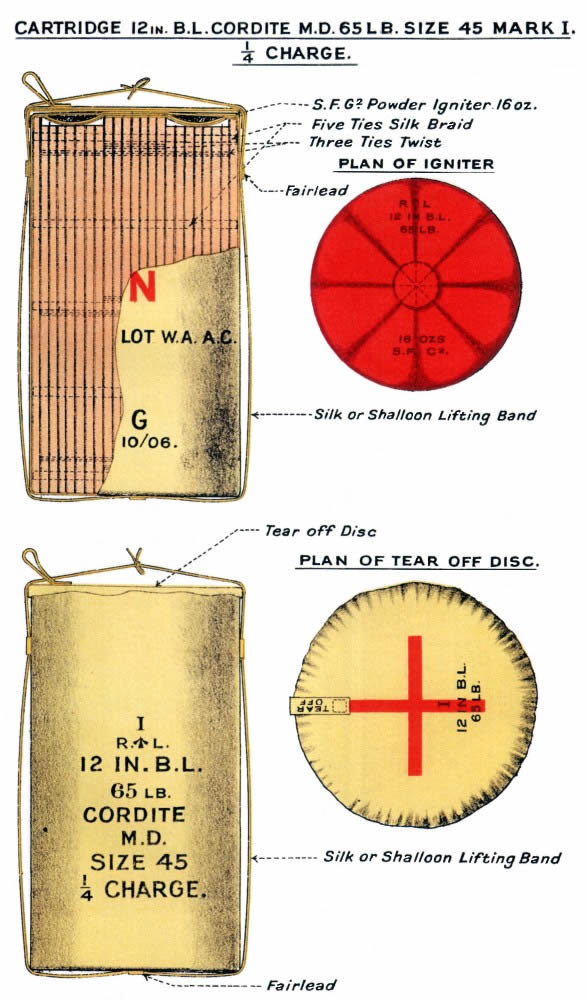
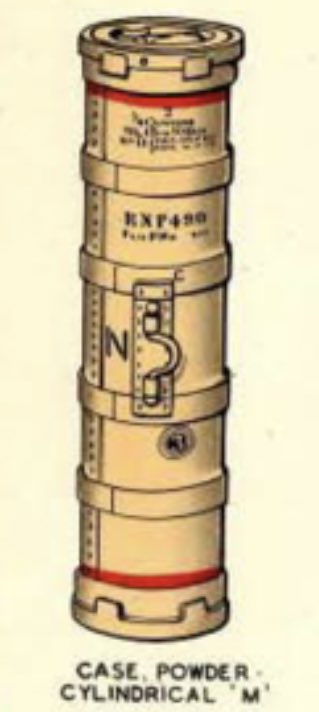
What Harvey definitely did not do with his legendary dying breaths was order hundreds of pounds of cordite returned to the magazine. When it burnt almost half an hour later it killed dozens of men after a handing room hatch had been left open contrary to orders. 6/
This disregard for regulations may have saved H.M.S. Lion, however, as official reports suggest the venting caused by the open hatch (and the roof already blown off the gunhouse) may have relieved pressure on the magazine doors. Truly a warped sequence of events. 7/
• • •
Missing some Tweet in this thread? You can try to
force a refresh