The most important metric for building a profit machine...
Customer acquisition cost.
The lowest CAC will win in the long run. Every time. Every industry.
Earned attention and repeat customers are the two biggest drivers of low CAC.
3 Sure fire ways to lower CAC:
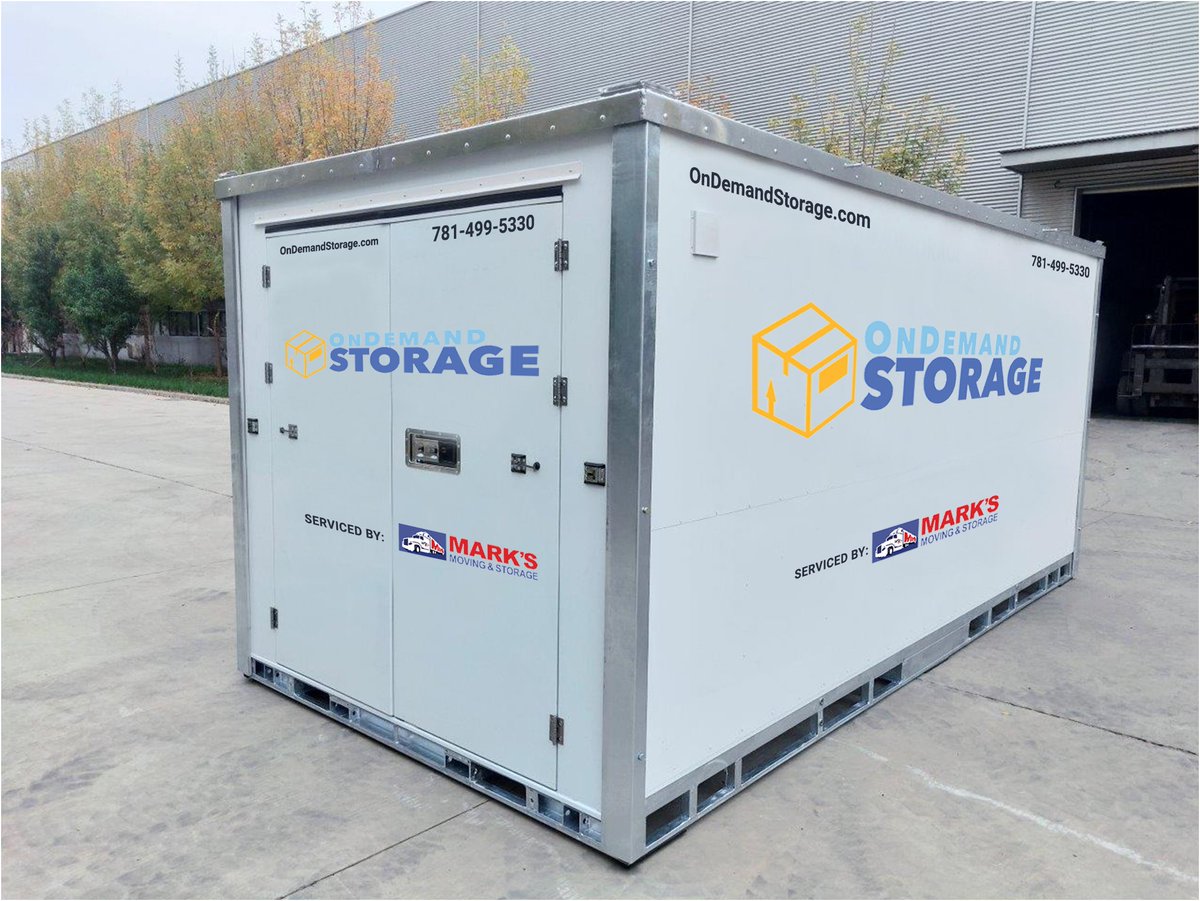
SEO: Organic traffic CONVERTS (as much as 10X paid traffic). My company, OnDemand Storage gets 85% of our jobs through SEO. In an industry with 18% profit margins, we maintain over 40%!
You will not outspend the biggest players, be agile and commit to building website equity.
AUDIENCE: Build a loyal following by consistently putting in work to earn goodwill. This can be done by building a social media following or consistently contributing to your community in a positive manner to earn good press.
REPEAT CUSTOMERS/REFERRALS: Turn one customer into many by delivering a wonderful customer experience. Treat customers well, do what you say, and own your mistakes.
Lowering CAC requires investment of time and money. Rather than renting attention through paid acquisition, focus on earning every customer and watch profits soar.
• • •
Missing some Tweet in this thread? You can try to
force a refresh

Here's how I got into the container storage business with $0 and owning 76% of the company with my business partners.
In 2016 we started "OnDemand Storage" with the purpose of providing storage with pickup and student storage...
We've done well and continued to grow.
Recently, an investor approached the team about the red hot container storage business.
He felt "OnDemand Storage" IP is a competitive advantage - everyone knows exactly what it means.
We set up a separate company where he retains 24% of the ownership. The investor put 100% of the money into the company and financed the containers at $4K/each.
Starting a (low risk/ low cost) business is LESS risky than working for a company.
Side note: all entrepreneurs should first start a low cost/low risk service business to generate cash flow and learn about selling and delivering service.
Once the basics are mastered, then it may be time to lever up, raise capital go for something "bigger".
Back to risk and entrepreneurship.
Imagine a sales job offer of $40K + commission.
That sounds much safer than starting a business with no immediate income, but is it?
No, because Company X is not going to keep a salesman that cannot sell employed longer than 3 or 4 months.
(see Frank Slootman discussing A, B, and C players).
If the salesman decided to start his service business, he must sell or he will not earn any money.
Early-stage companies are in a constant battle between growth and staying alive.
I’ve made (and make) several mistakes, here are 6 to avoid:
1. Wasting time on raising capital too early.
Win customers, prove your business model, print profit and maybe you’ll be lucky enough to never need outside capital. Many early-stage hours wasted here.
Investors do not want to invest in pre-revenue startups.
2. Credit cards
Financing marketing campaigns rarely works out well – they need time to optimize. Also, the SaaS recurring fees add up (and most products aren't as good as advertised).
The formula for a great beginner business model in 2020 (and beyond):
Low Expenses + Recurring Payments + Big Market
This took me 4+ years of running businesses to figure this out. Hopefully this saves you time - your most valuable asset...
Investing a lot of (or any) money into a new company is not realistic for most beginners in 2020. The good news for you is that you need about $500 to get started.
Pro tip: do not waste 6 months asking banks for loans you will not get and certainly don't need.
Low expenses: gives you two very important things.
1.The ability to get started
2.The ability to keep going
Without these two freedoms it's not possible to win in business. Winning takes consistent action over long periods of time.