.@ChristinaTosi turned her hobby of making cookies into a delicious, profitable, multimillion-dollar business.
Tosi is the founder and CEO of bakery empire @milkbarstore.
This is her story 👇👇👇
Tosi is the founder and CEO of bakery empire @milkbarstore.
This is her story 👇👇👇


She went to college for engineering, but she realized traditional schooling wasn't for her. Rather than solving math problems, she enjoyed baking cookies.
"Even though I suppose I could have been a baller mathematician, I ended up storming the professional kitchens of NYC."
"Even though I suppose I could have been a baller mathematician, I ended up storming the professional kitchens of NYC."
Tosi moved to New York and enrolled at the French Culinary Institute, where she would go to school during the day and work at restaurants at night.
Her first job was as a reservationist at Aquagrill, where she moved up to maitre d’.
She was then introduced to the pastry chef at Bouley, where she spent the next 2.5 years.
From there, she was determined to work at wd~50, one of the most influential restaurants in the world.
She was then introduced to the pastry chef at Bouley, where she spent the next 2.5 years.
From there, she was determined to work at wd~50, one of the most influential restaurants in the world.
How did she land a job at the molecular gastronomy mecca?
She showed up every day for a full year for no money before a job opened up.
Tosi volunteered for the task that no one wanted — writing wd~50’s Hazard Analysis Critical Control Point plan.
She showed up every day for a full year for no money before a job opened up.
Tosi volunteered for the task that no one wanted — writing wd~50’s Hazard Analysis Critical Control Point plan.
Around that time, Momofuku founder and chef David Chang called Dufresne to ask him about Tosi and see whether she could help him with his restaurant's food and safety protocol.
Soon, Tosi was doing everything at Momofuku (her unofficial job title was “et cetera”).
Soon, Tosi was doing everything at Momofuku (her unofficial job title was “et cetera”).
Nothing was insurmountable to her. She was honing recipes, making baked goods, and integrating more sweets across the restaurants.
Chang noticed her love for pastries and encouraged her to open Milk Bar in the space next door where a laundromat used to be.
Chang noticed her love for pastries and encouraged her to open Milk Bar in the space next door where a laundromat used to be.
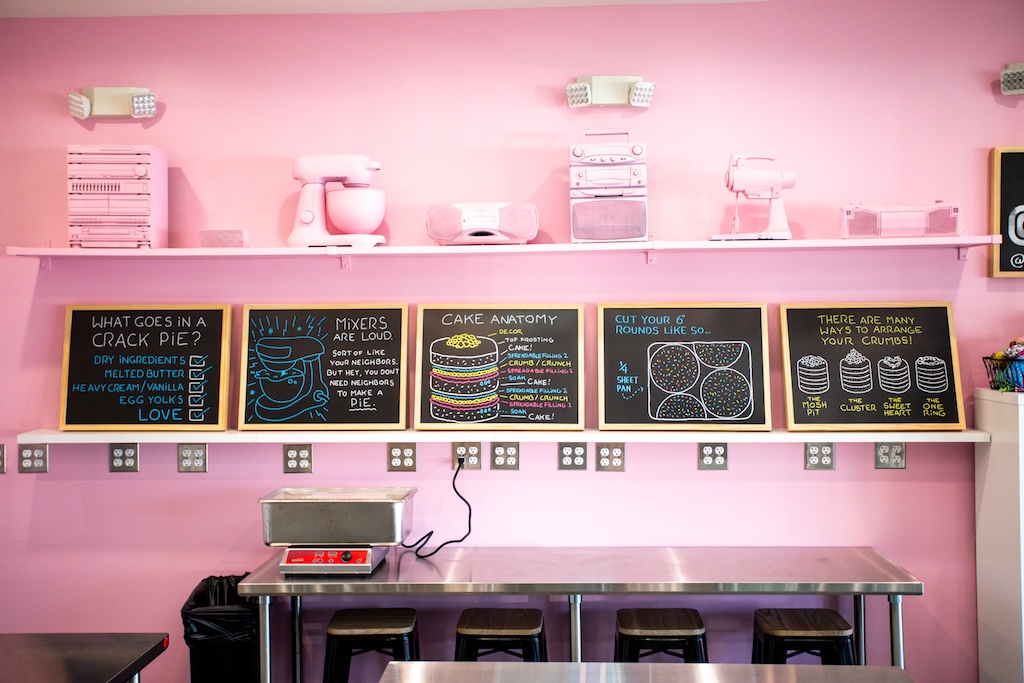
In 2008, he told her: "This is your love. I'll help you get the space. Just go do it."
Chang became the first investor to help Tosi get off the ground, and she went full steam ahead.
She said: "It was just: I have 45 days to make this happen.I didn't have time for self-doubt."
Chang became the first investor to help Tosi get off the ground, and she went full steam ahead.
She said: "It was just: I have 45 days to make this happen.I didn't have time for self-doubt."
Sixteen locations & hundreds of employees later, Tosi has built Milk Bar into a wildly successful dessert empire.
“I’m never ever, ever, ever the smartest person in the room,” she says. “But it’s not about smarts. It’s about will.”
Read her full story:
theprofile.substack.com/p/christina-to…
“I’m never ever, ever, ever the smartest person in the room,” she says. “But it’s not about smarts. It’s about will.”
Read her full story:
theprofile.substack.com/p/christina-to…
• • •
Missing some Tweet in this thread? You can try to
force a refresh