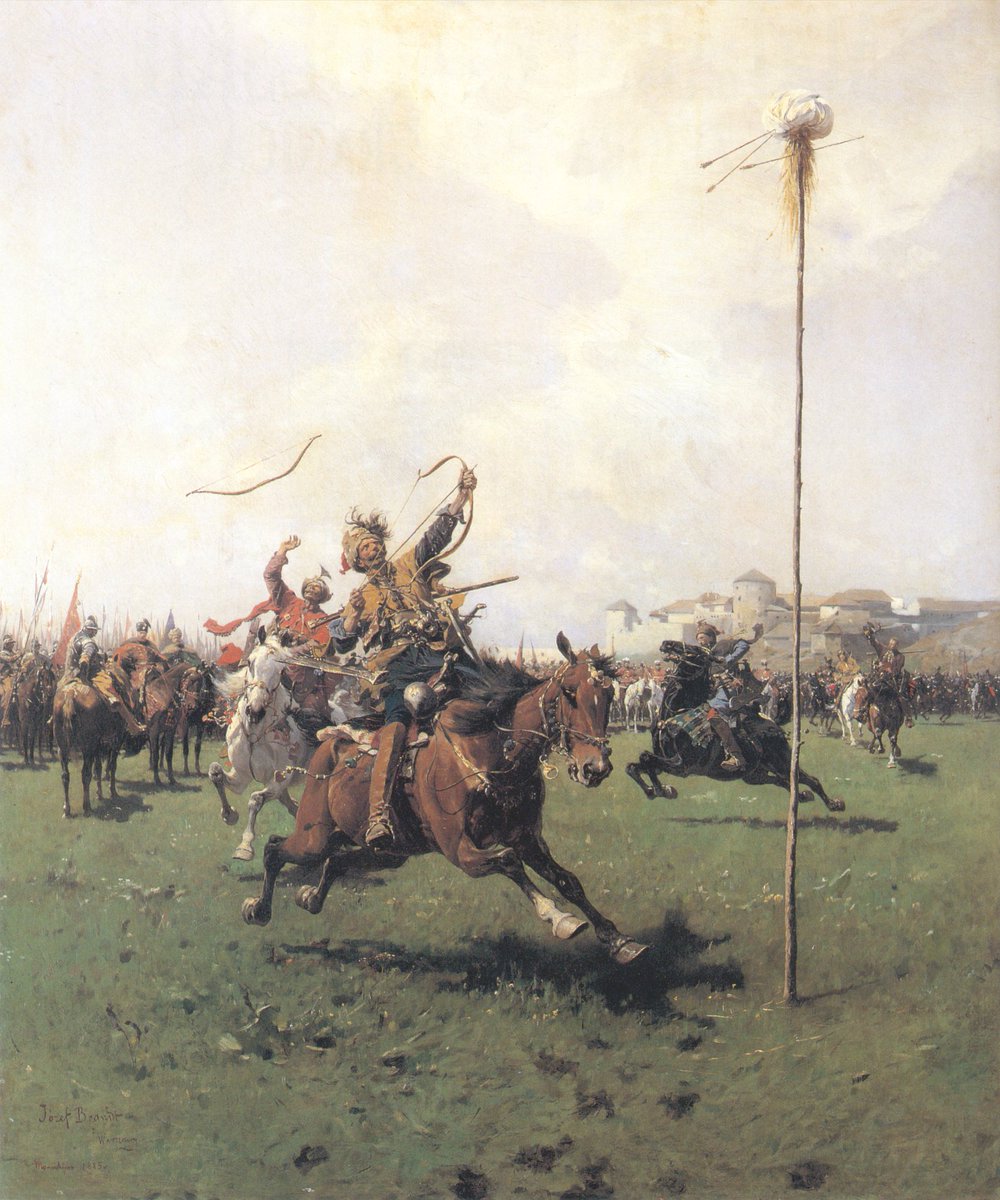
Stradioti! The forgotten light cavalry mercenaries from the Balkans who served the mighty Republic of Venice during Ottoman-Venetian Wars with distinction and became popular all over Europe, influencing European cavalry tactics of the modern era. Who were they? I explain...
Stradioti originated in the Balkans and continued the Byzantine light cavalry mercenary traditions. The bulk of them was ethnically Albanian, but there were also many of Greek and Slavic origin. As the Ottomans conquered Balkans they began serving Venice and other foreign armies.
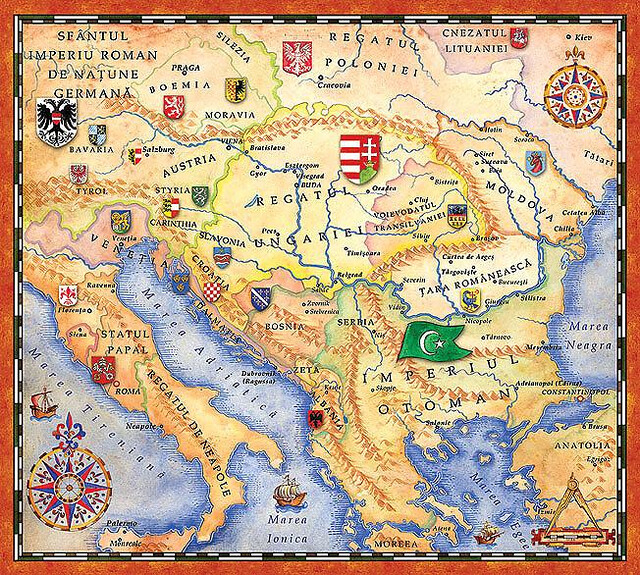
First serving Venice in the First Ottoman-Venetian War (1463-1479), Venice started employing them regularly as frontiersmen in Friuli, the borderland through which Ottomans conducted raids. They soon completely replaced the Venetian light cavalry! Their tactics were unorthodox!
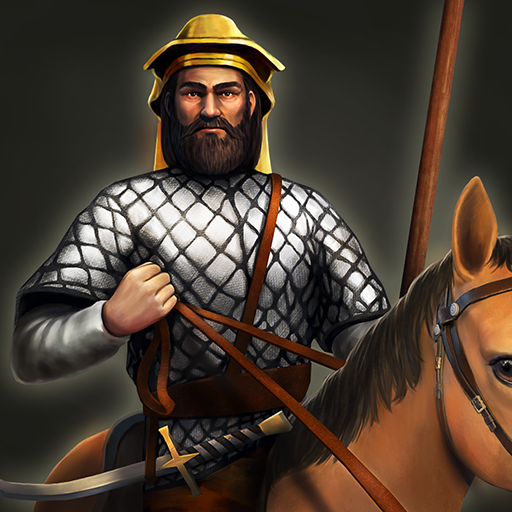
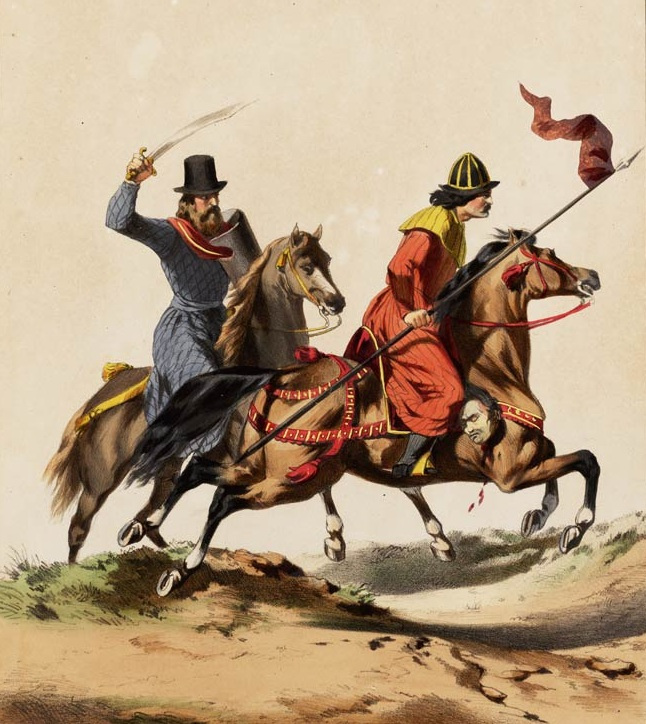
Stradioti were very versatile units that could be used in several ways, particularly praised for raiding deep into enemy territory, scouting or even launching successive attacks and retreats! They were the Venetian equivalent to the Turkish akιncι light cavalry.
Venetian chronist Marin Sanudo: "They commit robberies… they are unrivalled in raids, plunders of places…; and they do not take captives, but cut off the head, and are used to being rewarded by the captain with one ducat for each. They are frugal
in diet and thrifty in needs."
One of the reasons why the Venetians employed them was that they were cheaper than Western mercenaries and came as refugees with their families, settled on Venetian lands in Terrafirma. They preferred honors and privileges over pay and Venetians gave them a lot of honorary titles

As their fame grew, stradioti would seek other employers, sometimes even rivals of Venice and would serve all over Europe. They were also often criticized for being undisciplined, attributed to a considerable number of pardoned murderers in their rank, as well as ethnic rivalries
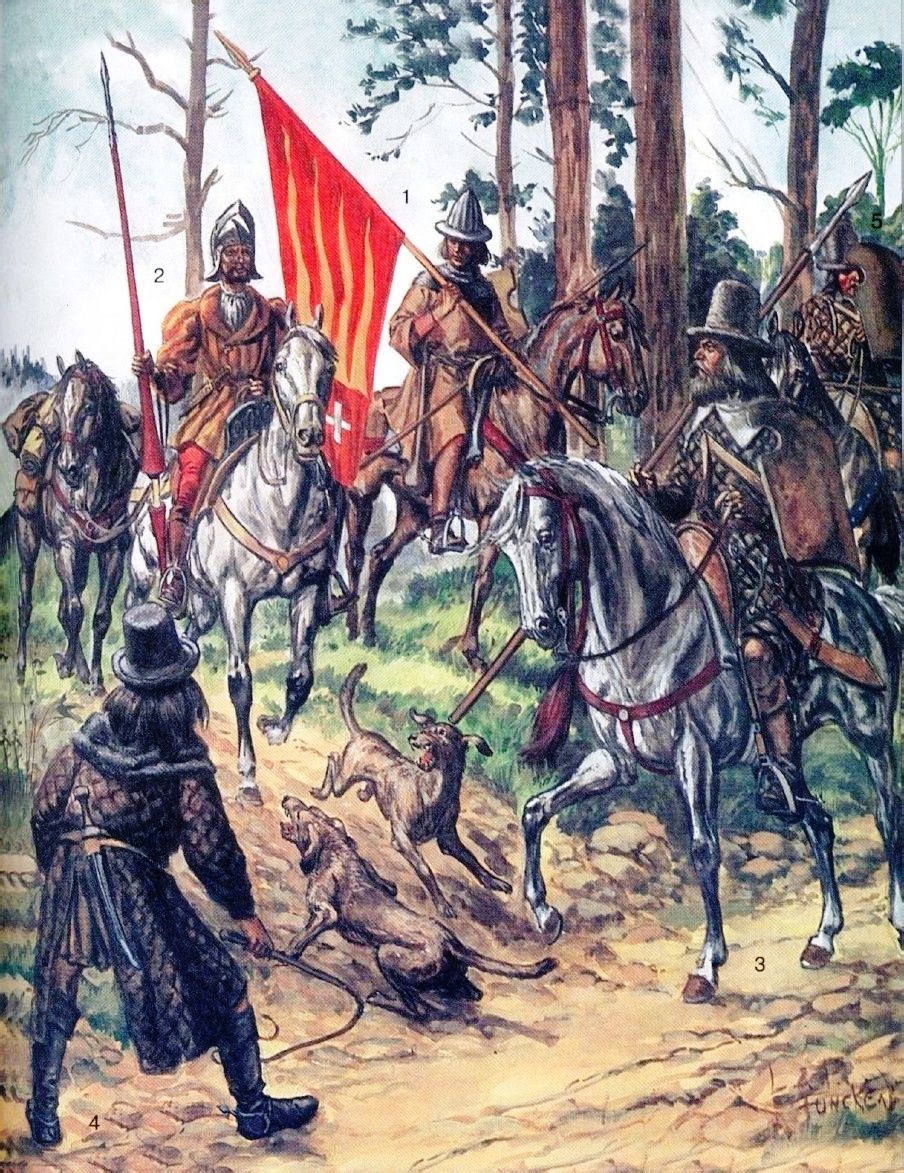
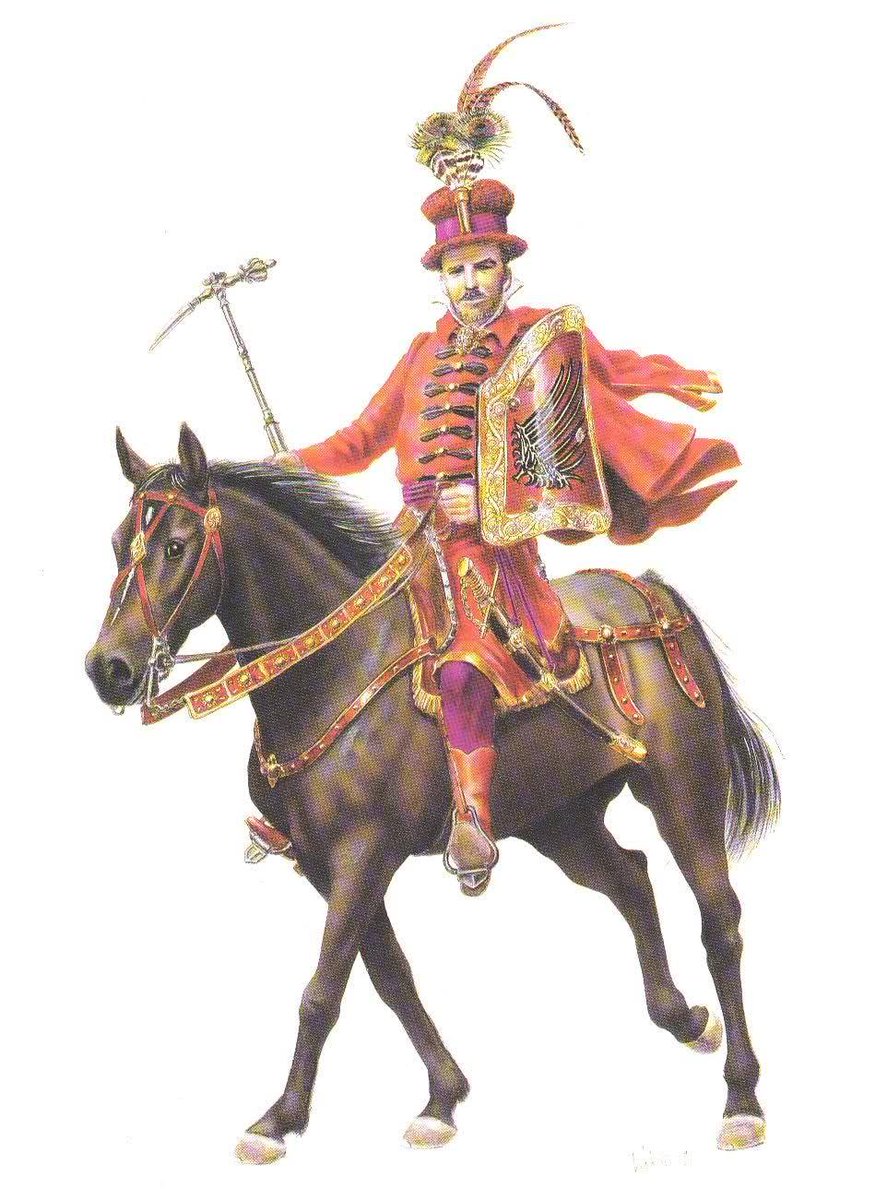
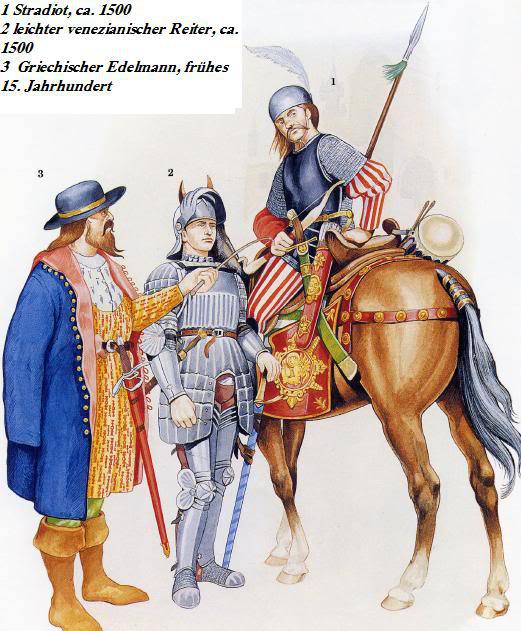
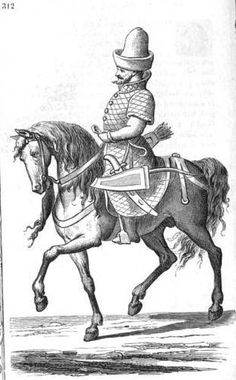
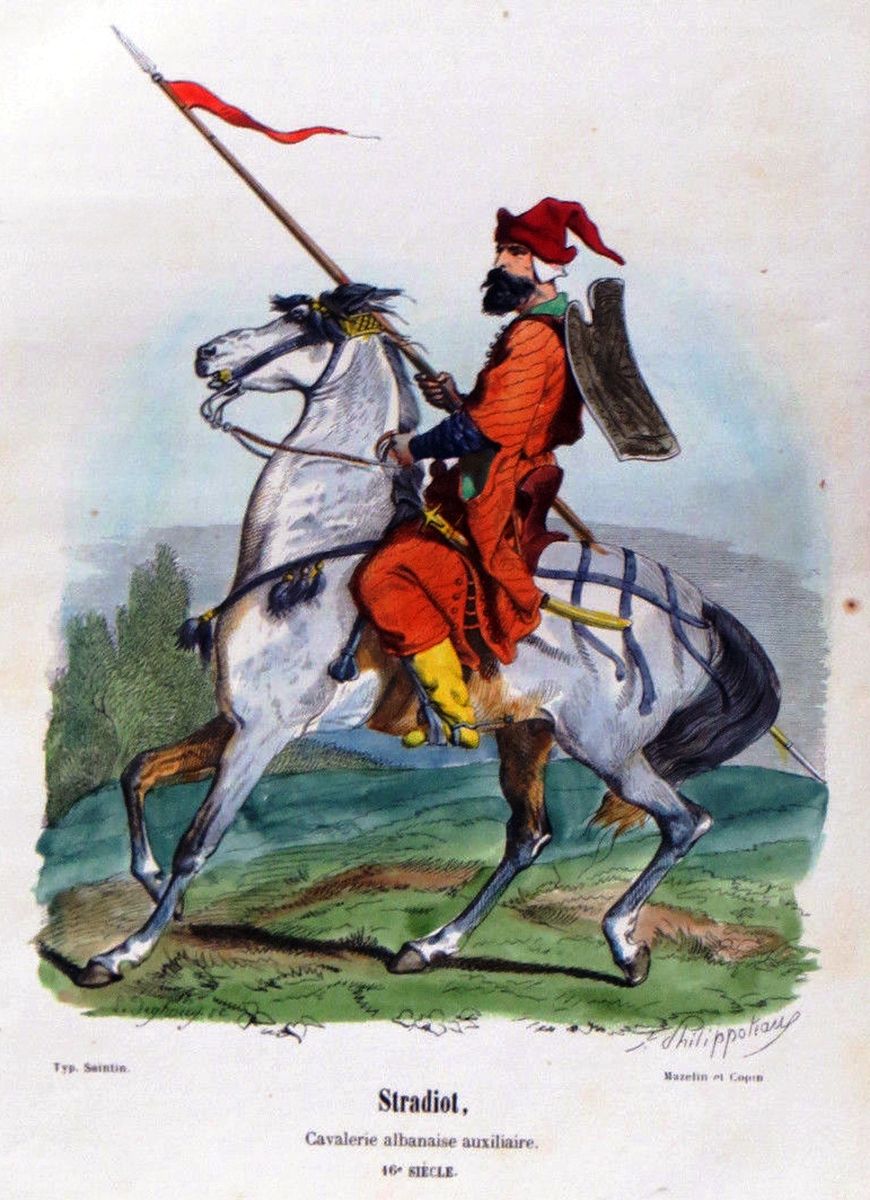
The Italians were fascinated by the outlandish appearance of the stradiots. Contemporary Luigi da Porto: "truly strange in aspect, and wear peculiar clothes and are armed with curious weapons" Their clothes were a mix of Oriental and Western military garb, sewn in specific way.
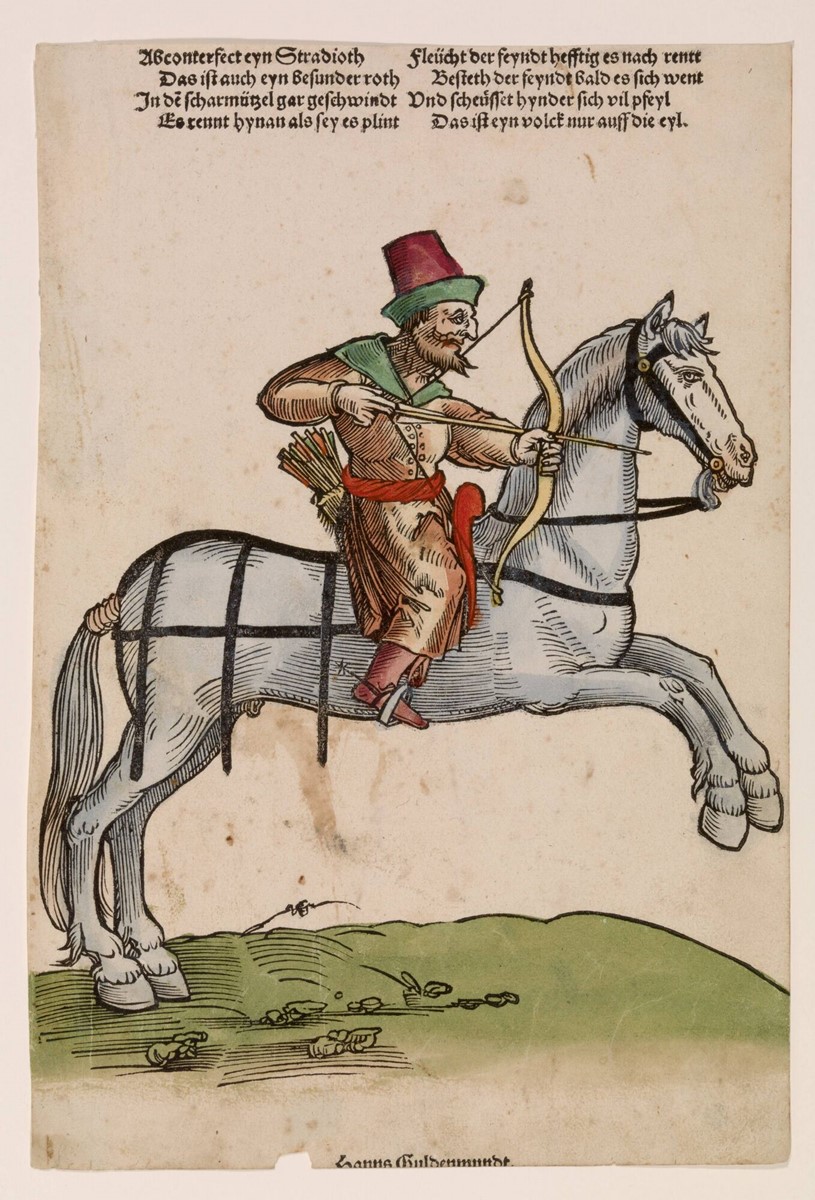
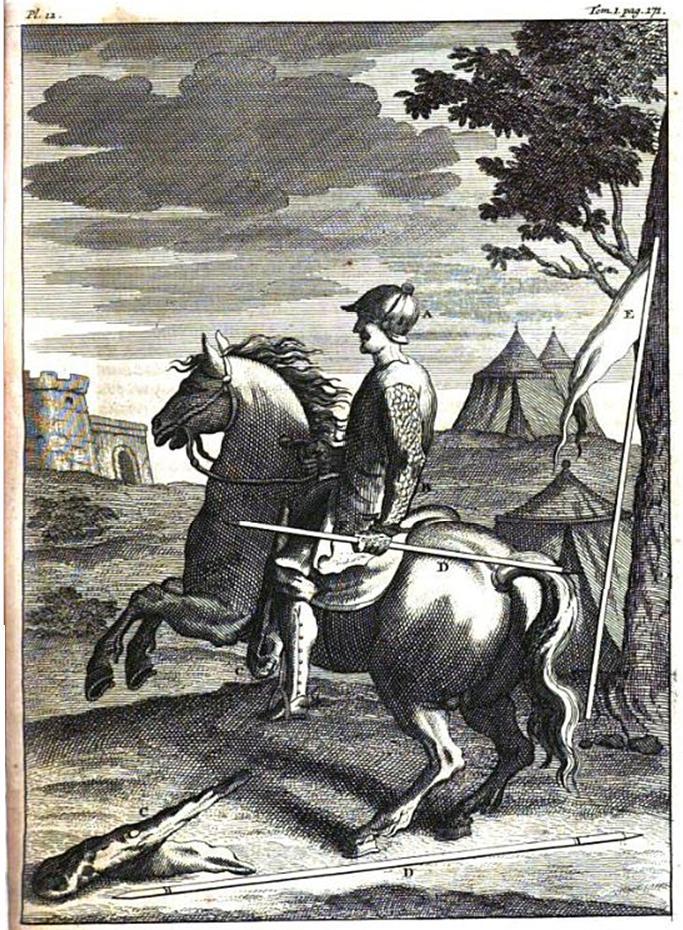
Their weapons were light lances, sabres, iron maces and a specific type of dagger. Sometimes they had a bow. They carried a shield and very little armor a cap (which would be called the "Albanian hat") or a helmet was worn on the head. They sacrificed protection for mobility!
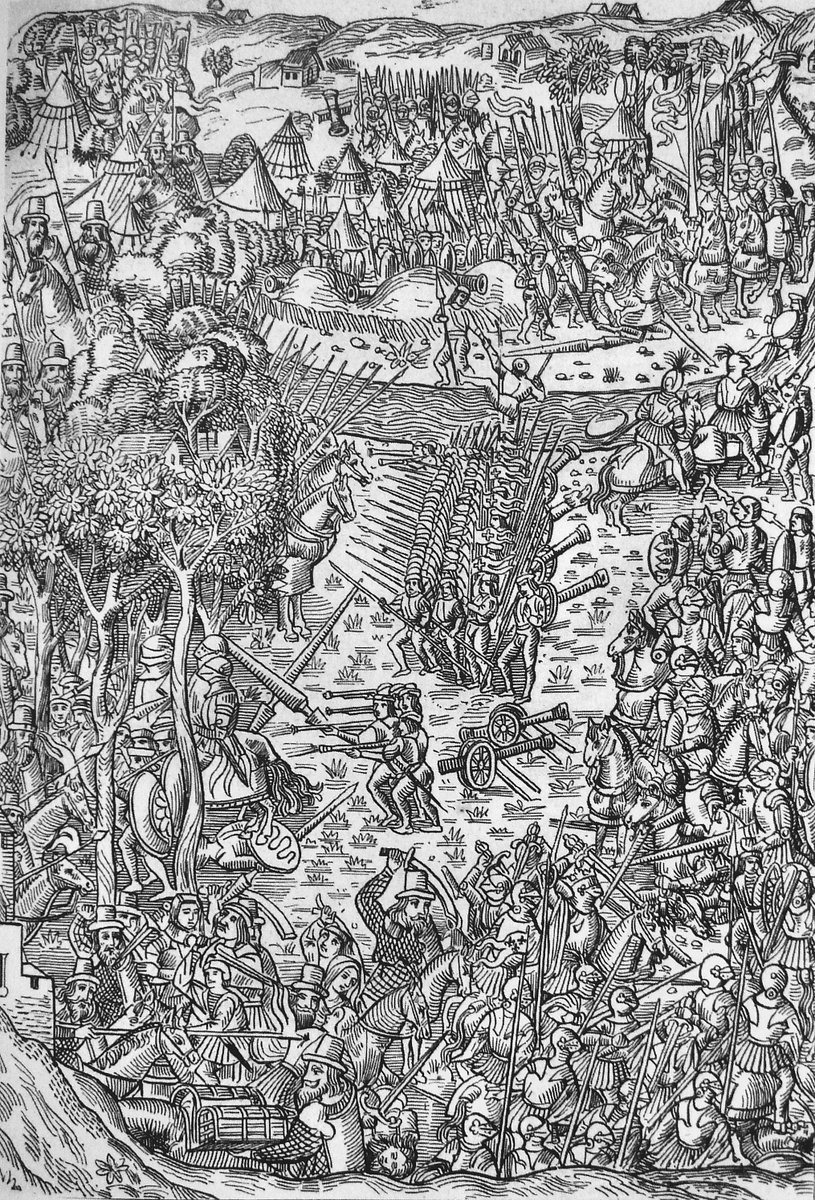
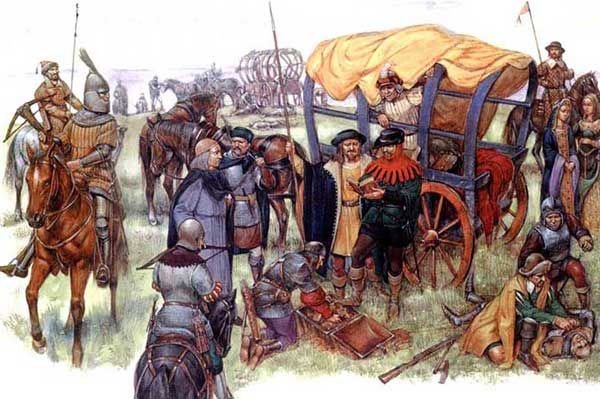
They fought in the Italian wars and participated in the very first battle of Fornovo in 1495 where they successfully ambushed a French baggage train but were criticized by their Venetians masters for focusing on looting instead of continuing to fight. They stole 180000 ducats!
They would prove themselves in Italian Wars in next battles as they disrupted the infantries with their swift attacks and retreats. With their success, they began influencing cavalry warfare in the early modern era. They served as mercenaries until the middle of the 18th century.
My main sources was: "Stradioti, Cappelletti, Compagnie or Milizie Greche: ‘Greek’ Mounted and Foot Mercenary Companies in the Venetian State (Fifteenth to Eighteenth Centuries)" by Stathis Birtachas in A Military History of the Mediterranean Sea.
• • •
Missing some Tweet in this thread? You can try to
force a refresh

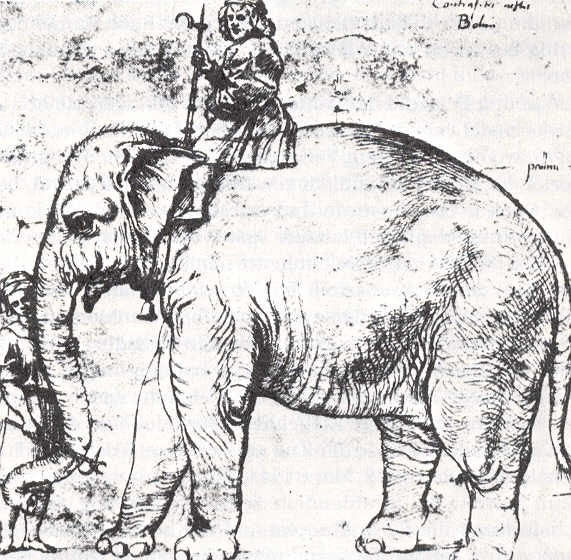
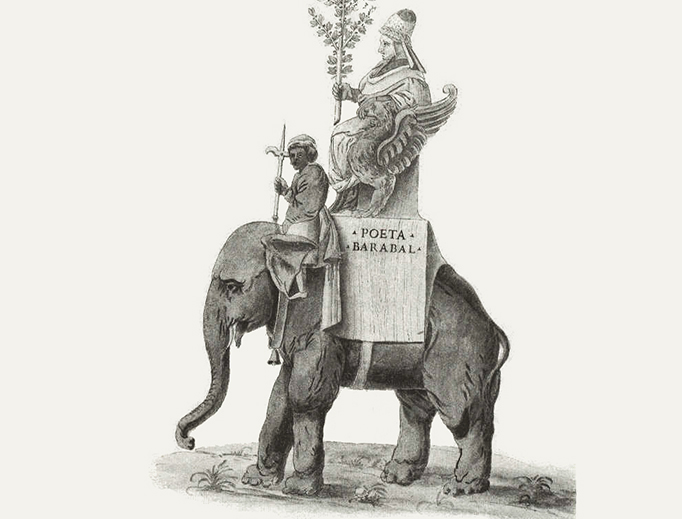
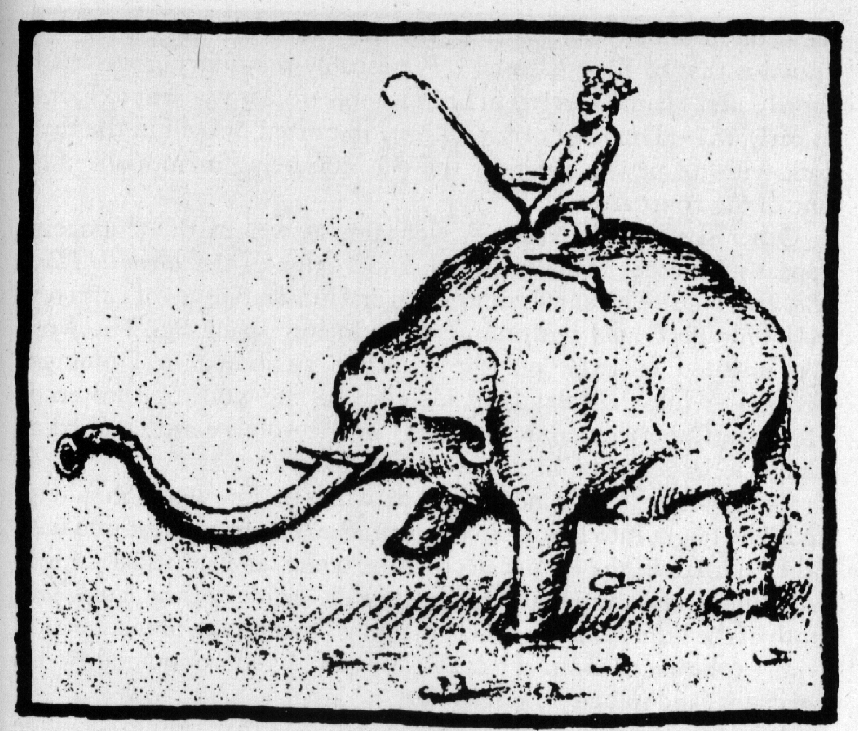
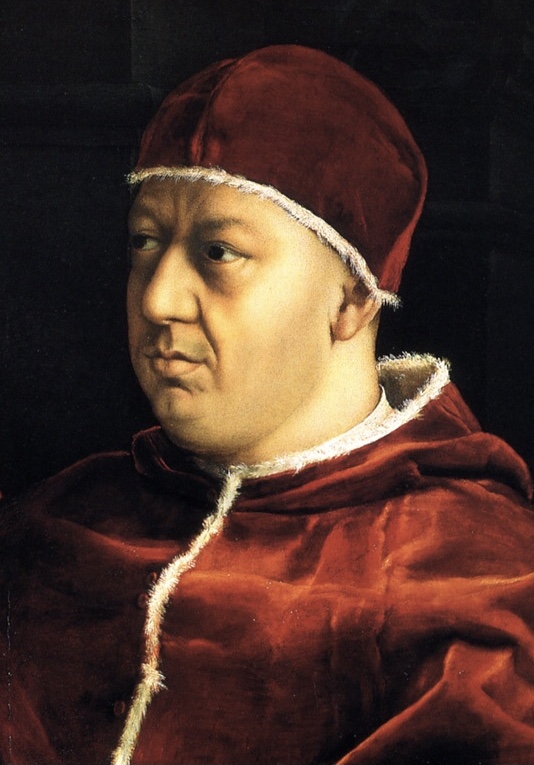
Did you know? The famous renaissance elephant Hanno was given to Pope Leo X in 1514 as a gift from the Portuguese king Manuel I from the far lands of India! The elephant became the Pope's favorite pet. "A beast not seen for a long time", Hanno was part of spectacular processions!
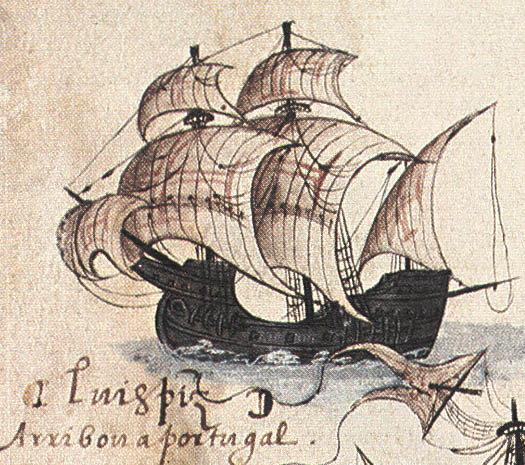
Hanno was one of the four elephants sent by the Governor of Portuguese India between 1510 and 1513 to Portugal. It is remarkable that these huge elephants survived the long journey from the west coast of India to the royal court in Lisbon, passing the Cape of Good Hope!
Leo X was a Pope who enjoyed fine things and Portuguese king Manuel I sent him a collection of exotic gifts to display a selection of the great riches of the lands that Portugal had just conquered! These included curious exotic animals - rare dogs, unusual birds and great beasts!
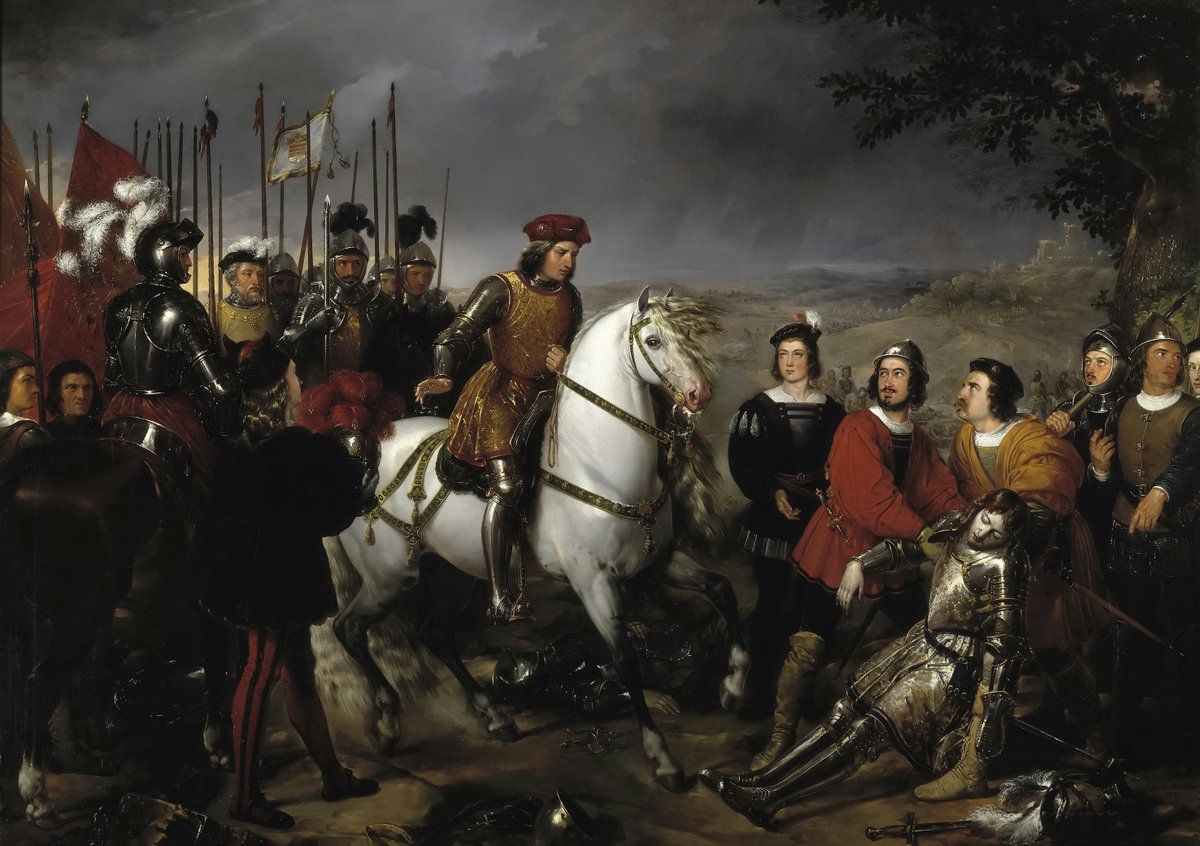
Battle of Cerignola, 28 April 1503, part of Third Italian War. Spain beat France thanks to the brilliant commander Gonzalo de Cordoba who used innovative military tactics. This was the beginning of the "pike and shot" era, the first battle in which such strategy was employed!
I already covered the First Italian War of 1494-1495 and the French victory at Fornovo, where their mighty army under king Charles VIII used the invincible combination of gendarme heavy cavalry and mercenary Swiss pikemen infantry to beat a twice larger force of Italian coalition
Despite the French victories in that campaign, the French had to retreat back home in the face of a large coalition of European superpowers forming against them, out of fear of being cornered. Italy returned to status quo, and European powers turned to diplomacy.
Today 8 July is the anniversary of the 1283 battle of Malta which was part of the War of The Sicilian Vespers between Crown of Aragon and the French princes of Anjou. The famous admiral Roger of Lauria won the battle for Aragon! Let's take a look at the medieval naval warfare...
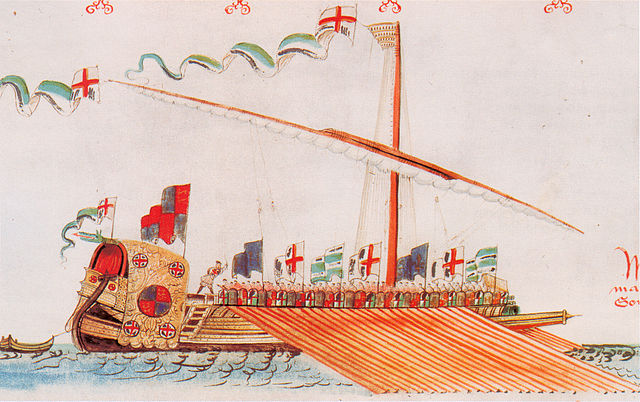
Medieval naval warfare in the Mediterranean was dominated by long galleys of shallow draft propelled by oars and equipped with sails, which were not used in battle however. Unlike galleys of antiquity, medieval galleys did not have rams.
Instead of using rams, medieval ships fought by first firing arrows, javelins and other projectiles and then boarding the enemy ships. The position of the ship's bow or sterncastle was important so that the arrows could be fired at greater height at the fore and aft of the ship.
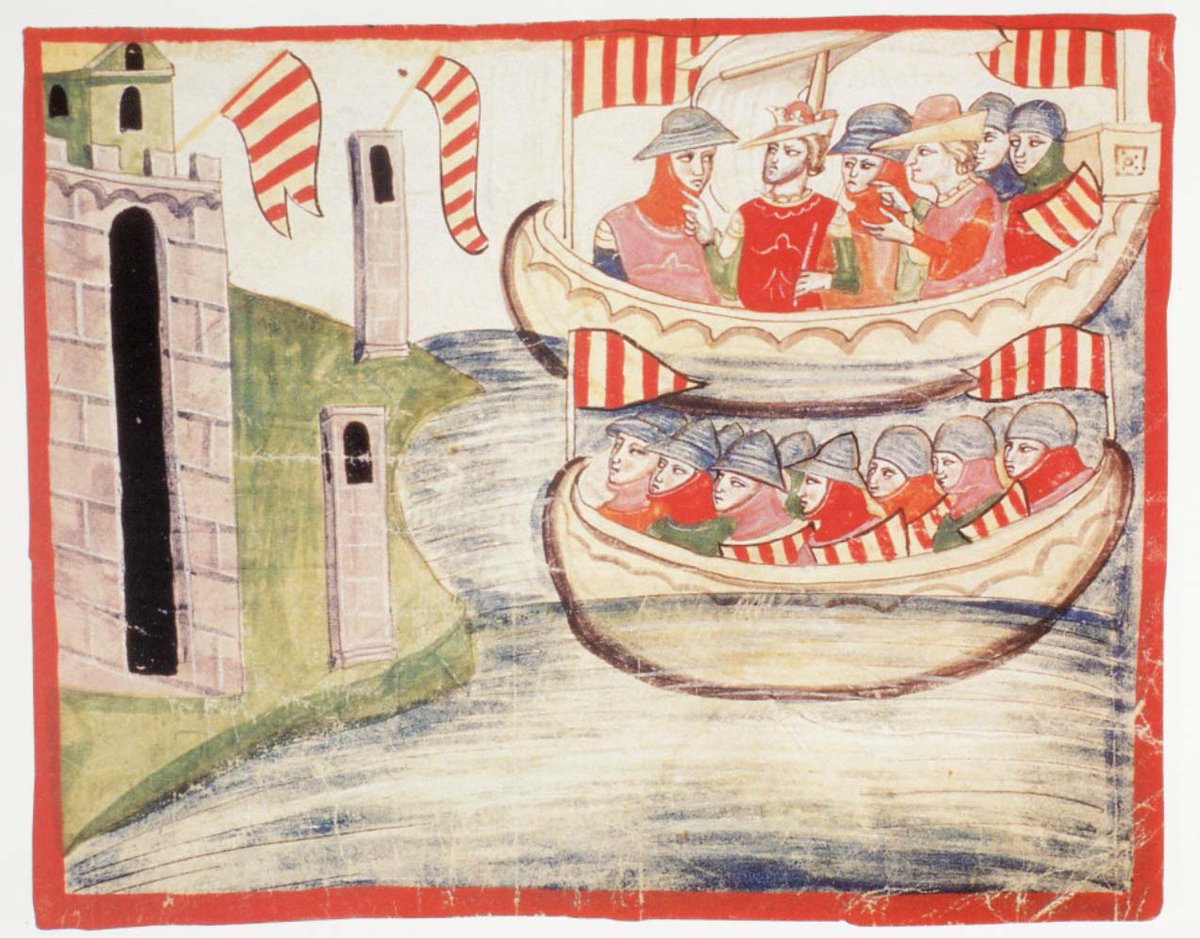
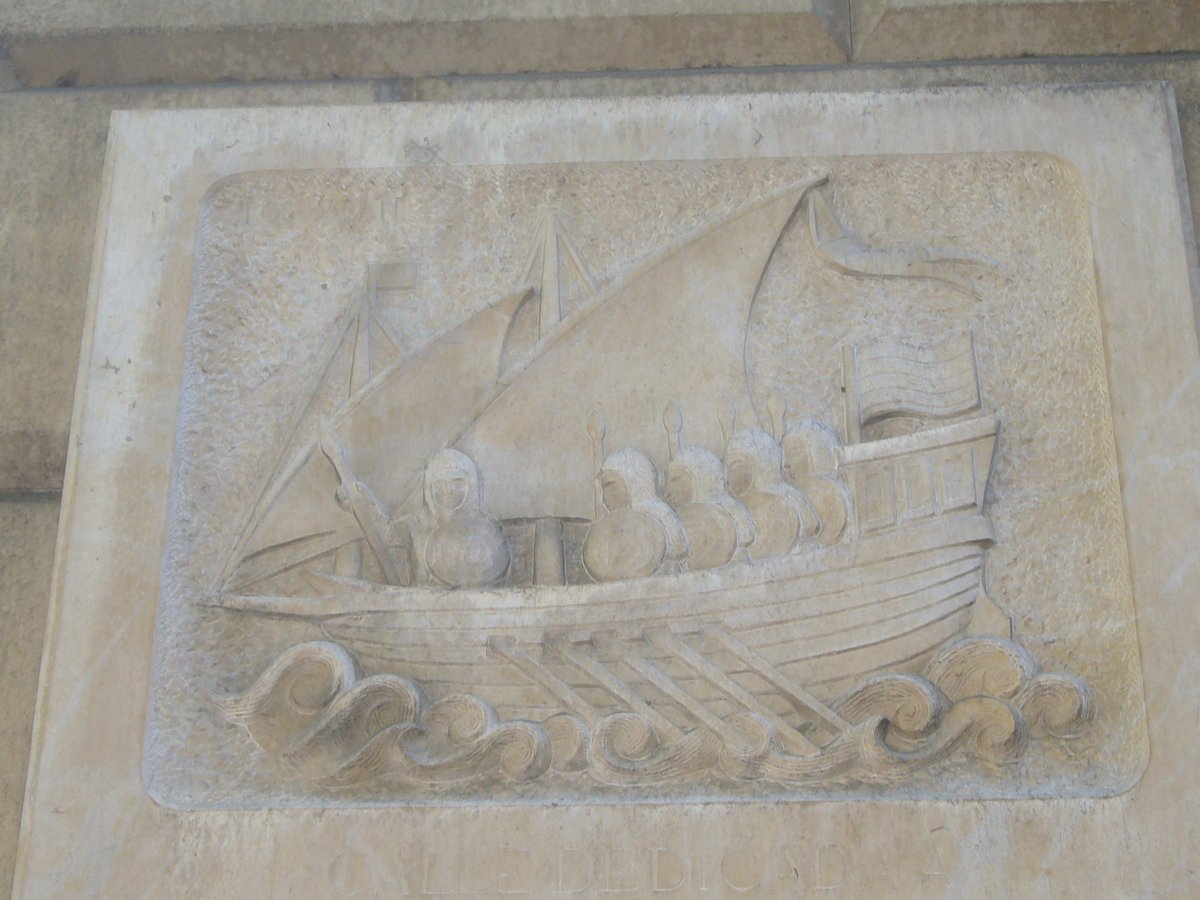
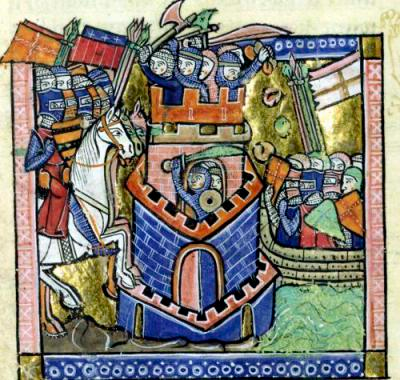
The Venetian Crusade of 1122-24! This is a largely forgotten crusade that happened between the first and second crusade. A very important campaign led by Doge Domenico Michiel that asserted Venetian naval dominance and ended in crusader conquest of the ancient city of Tyre!
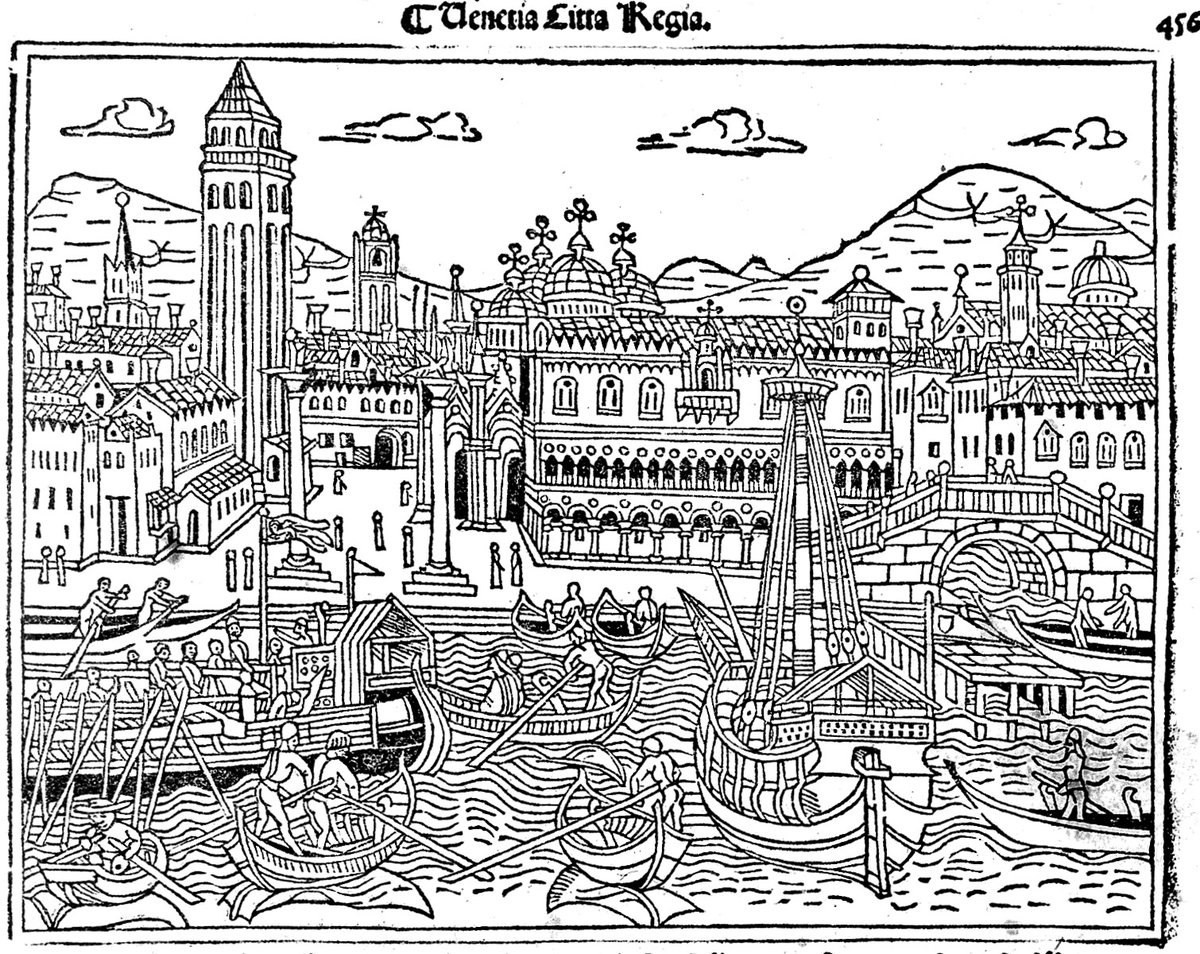
In the 11th century, Republic of Venice was developing into a naval superpower and started spreading its power all over the eastern Mediterranean, establishing control over overseas territories, which became part of the Venetian Domini da Mar (Domains of the Sea).
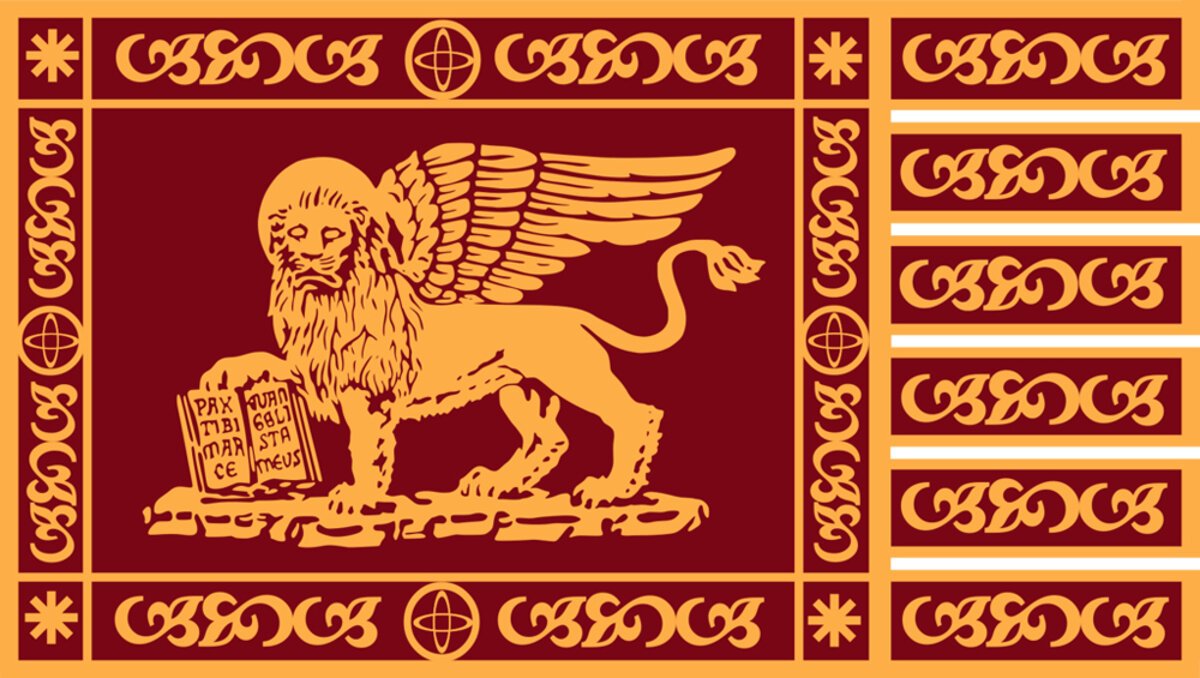
Venice became powerful and wealthy through its trade, but also through its underrated military might of the Venetian navy. As Venice tried to control the seas of Levant, the Byzantines and Mohammedans became their rivals and enemies. Venetian confronted them in a crusade! Venice:
The Catalan Company, Societatis exercitus catalanorum, was one of the most effective elite mercenary forces in history! In 1303 these Catalan warriors were hired by the Byzantine empire to fight against Turks. The fury they would unleash on those far lands would become legendary!
The story of the Catalan Company is one of the most amazing stories in European history yet it is now forgotten by Europeans and exists only as a terrifying memory of the descendants of people who were terrorized by these ferocious mercenaries. I will bring this story back!
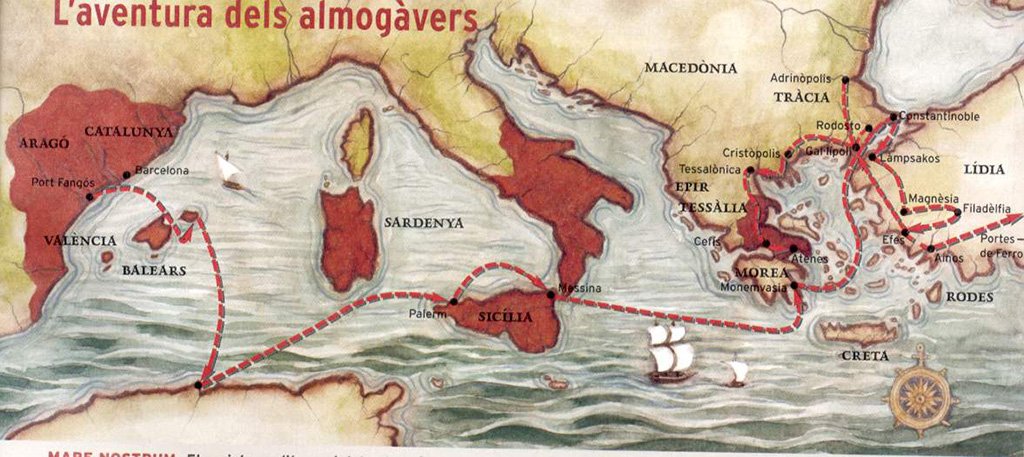
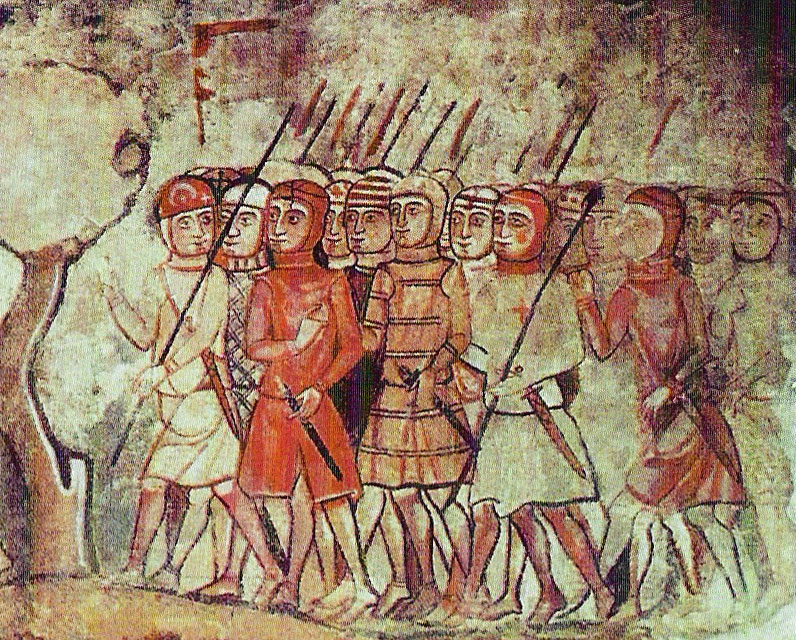
The Catalan Company's epic journey started as they arrived in Constantinople in 1303. But like all great stories, the legend began much earlier, in the remote Iberian mountains during the dark time of Moorish occupation of Spain. It began with men they called the almogàvers.
The story of Aleksander Józef Lisowski and his brutal ferocious band of mercenaries Lisowczyks (active 1607-1636)! They were an irregular unit of Polish cavalry that received no wages and was instead allowed to loot and plunder as they pleased. People were terrified of them!
They were led by Aleksander Józef Lisowski, a very brutal man who became persona non grata in Poland 1605 but would soon find his fortunes elsewhere, in Russia! Russia was in chaos in the period called Time of Troubles, and Lisowski took full advantage of that!
With his ragtag band of mercenaries Lisowski would plunder Russian villages and engaged in many battles and skirmishes between various factions, proving his worth in battles. Finally he would defend the Polish Commonwealth and was crucial in defense of Smolensk in 1612!