Tokyo last held the summer Olympics in 1964, less than 2 decades removed from the ruins of WWII.
To host the event, the city under took the "the greatest urban transformation ever".
It was a huge success, but one we are unlikely to ever see again.
Here's why 🧵
To host the event, the city under took the "the greatest urban transformation ever".
It was a huge success, but one we are unlikely to ever see again.
Here's why 🧵
1/ Tokyo's OG Olympics story begins in 1959, when it won the bid to host the 1964 Games.
It wasn't the city we know today: 14yrs earlier was the Bombing of Tokyo, when US planes conducted "the most destructive bombing raid ever".
In many ways, the city was still recovering.
It wasn't the city we know today: 14yrs earlier was the Bombing of Tokyo, when US planes conducted "the most destructive bombing raid ever".
In many ways, the city was still recovering.
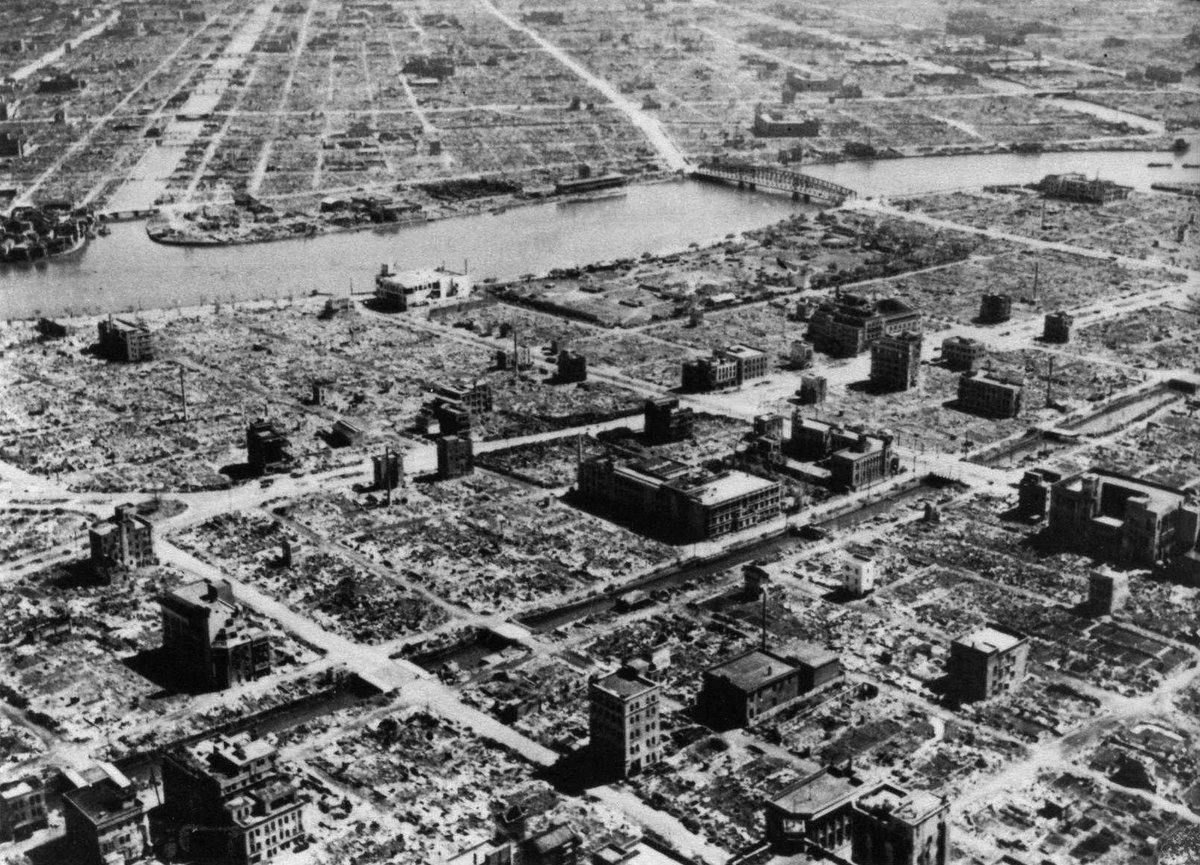
2/ At the time, Tokyo was a "polluted mess" that few wanted to visit:
◻️Poor roads / bad traffic
◻️Tallest buildings maxed at ~10 storeys.
◻️Underdeveloped sewage (1/4th of Tokyo had a flush toilet)
Amidst this, the city's population exploded from 3.5m (1945) to 10m (1963).
◻️Poor roads / bad traffic
◻️Tallest buildings maxed at ~10 storeys.
◻️Underdeveloped sewage (1/4th of Tokyo had a flush toilet)
Amidst this, the city's population exploded from 3.5m (1945) to 10m (1963).
3/ For Japan, the Games was a ticket to re-enter the global community.
Further, it was an opportunity to modernize Tokyo and invite foreign investment.
The 1964 slogan -- "Faster, Higher, Stronger" -- is exactly what the Japanese government wanted for Tokyo: .
Further, it was an opportunity to modernize Tokyo and invite foreign investment.
The 1964 slogan -- "Faster, Higher, Stronger" -- is exactly what the Japanese government wanted for Tokyo: .
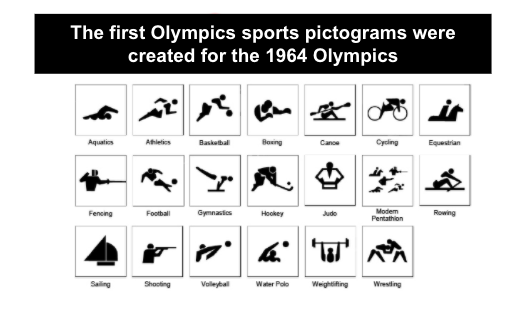
4/ By the time the Games started, Tokyo had built:
◻️10, 000 new buildings
◻️ 8 overhead expressways
◻️ 2 subway lines and a monorail (Haneda Airport to downtown)
Most memorably: a bullet train between Tokyo and Osaka (unveiled by Emperor Hirohito 9 days before the Games).
◻️10, 000 new buildings
◻️ 8 overhead expressways
◻️ 2 subway lines and a monorail (Haneda Airport to downtown)
Most memorably: a bullet train between Tokyo and Osaka (unveiled by Emperor Hirohito 9 days before the Games).
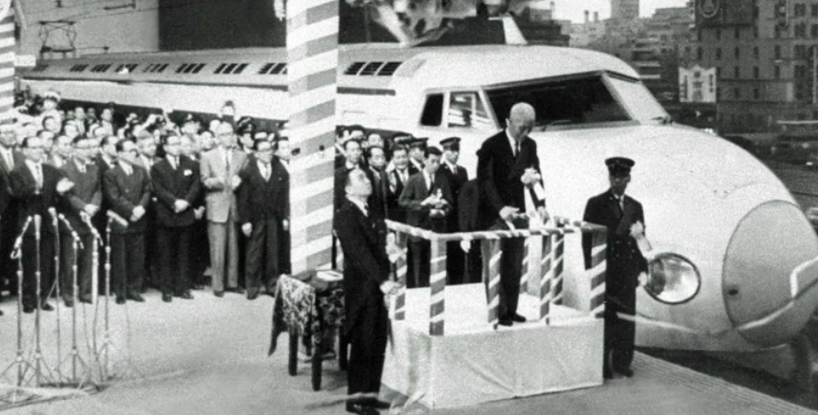
5/ Some historians described Tokyo's rapid change as “the greatest urban transformation ever”.
The timing for the first Asian host city couldn't have been better.
There was a boom in color TVs and 1964 would be the first Olympics to televise events globally live in color.
The timing for the first Asian host city couldn't have been better.
There was a boom in color TVs and 1964 would be the first Olympics to televise events globally live in color.
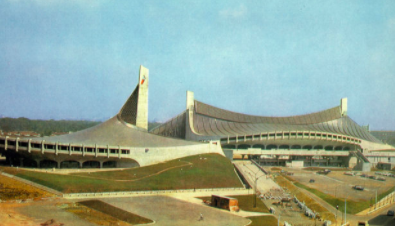
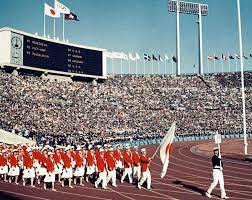
6/ For Japanese citizens, the Games was book-ended by 2 memorable events:
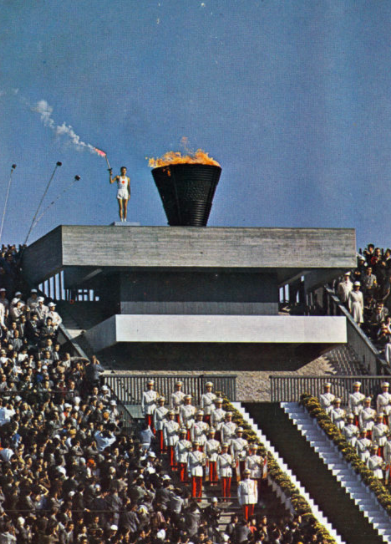
◻️ Yoshinori Sakai -- who was born in Hiroshima the day the 1st atomic bomb dropped (08/06/1945) -- lit the Olympic flame
◻️ Japan's womens team beat the Soviet Union in the inaugural volleyball tournament
◻️ Yoshinori Sakai -- who was born in Hiroshima the day the 1st atomic bomb dropped (08/06/1945) -- lit the Olympic flame
◻️ Japan's womens team beat the Soviet Union in the inaugural volleyball tournament

7/ The 1964 Olympics was right in the heart of Japan's post-war "Economic Miracle", which saw it become the world's 2nd largest economy by 1980s.
The playbook -- combining an economic boost w/ an introduction to the world -- was duplicated by Seoul (1988) and Beijing (2008).
The playbook -- combining an economic boost w/ an introduction to the world -- was duplicated by Seoul (1988) and Beijing (2008).

8/ The wild success of the 1964 Tokyo Olympics looks unlikely to be replicated.
Why? The investment is now simply too much.
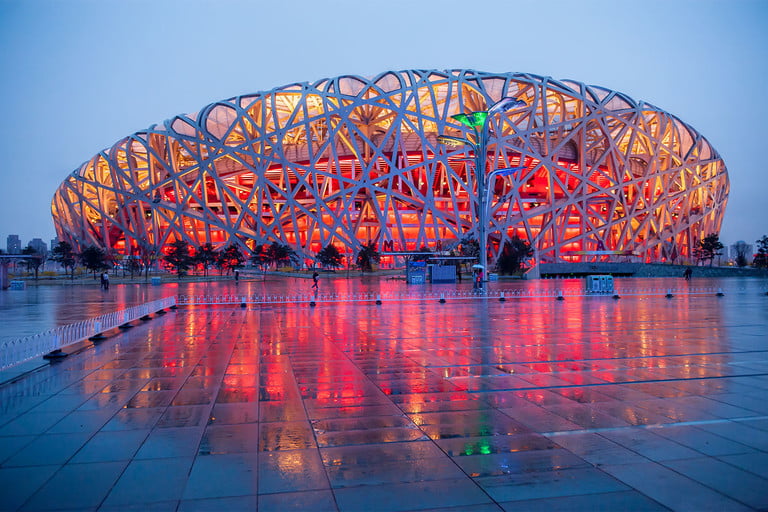
On average, the sports-related cost of hosting the Games is $12B with most funds going towards construction (30+ sporting venues, an Olympic Village).
Why? The investment is now simply too much.
On average, the sports-related cost of hosting the Games is $12B with most funds going towards construction (30+ sporting venues, an Olympic Village).
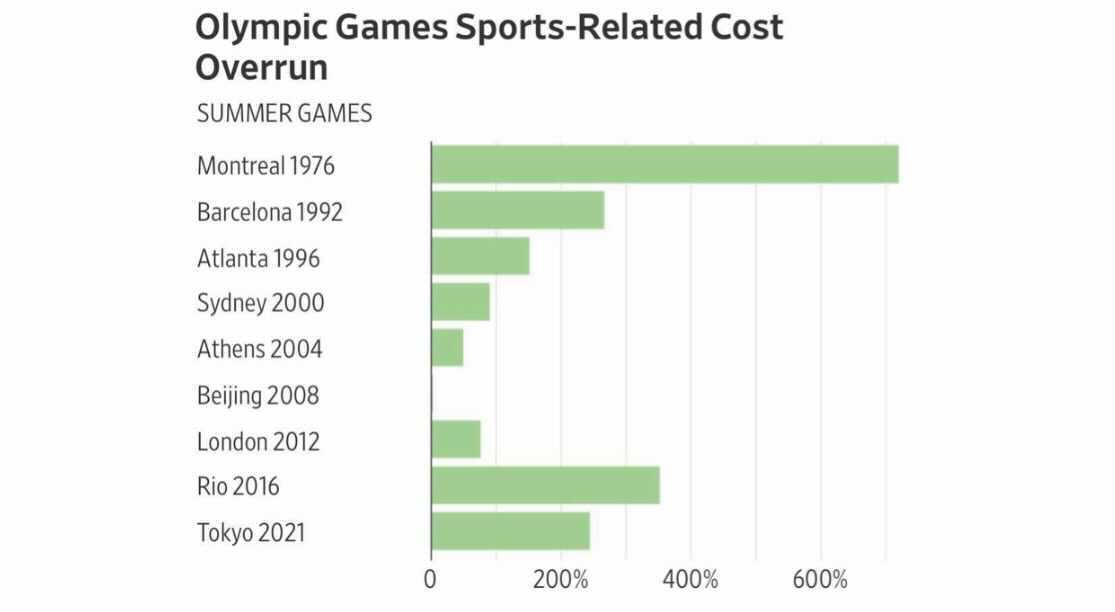
9/ The biggest pain in the ass is "cost-overruns", when expenses far exceed estimates.
2 examples:
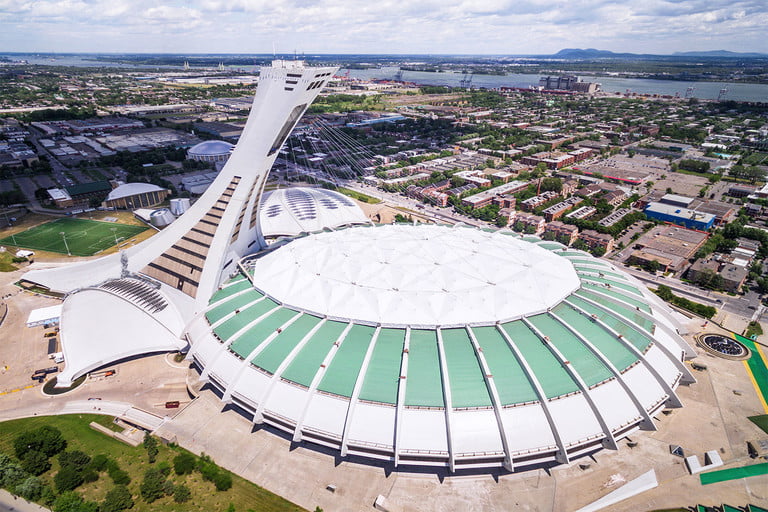
◻️ Montreal was over budget 7x and took 30 years to pay of debt used to fund the 1976 Games
◻️ Athen's financial crises in 2010s was made worse by debt it owed for 2004 Games
2 examples:
◻️ Montreal was over budget 7x and took 30 years to pay of debt used to fund the 1976 Games
◻️ Athen's financial crises in 2010s was made worse by debt it owed for 2004 Games
10/ In addition to a big investment, Olympics is losing its appeal b/c:
◻️ The International Olympic Com (IOC) is taking more TV revenue (4% in 1990s vs. 70% from Rio 2016)
◻️ Upkeep for (often unused) stadium costs $30m/yr
◻️ Cities lose precious real estate
◻️ citizens pissed
◻️ The International Olympic Com (IOC) is taking more TV revenue (4% in 1990s vs. 70% from Rio 2016)
◻️ Upkeep for (often unused) stadium costs $30m/yr
◻️ Cities lose precious real estate
◻️ citizens pissed


11/ The 2020 Tokyo Olympics was supposed to be a model for mature host cities, with a "compact Games" (main sporting venues within 8km of the Olympic Village).
Instead, it will be the most expensive Summer games ever: $20B+ when its all said and done (vs. ~$200m for 1964).
Instead, it will be the most expensive Summer games ever: $20B+ when its all said and done (vs. ~$200m for 1964).
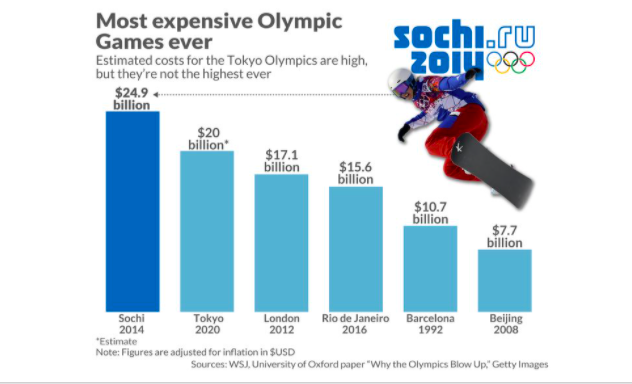
12/ Of course, COVID made things worse (no ticket revenue, high health costs).
But -- unlike 1964 -- its hard to see how an "up-and-coming" developing city can ever spend $10B+.
The bidding process is also no joke: Chicago spent 10 years planing and $100m (and still lost 2016).
But -- unlike 1964 -- its hard to see how an "up-and-coming" developing city can ever spend $10B+.
The bidding process is also no joke: Chicago spent 10 years planing and $100m (and still lost 2016).
13/ The number of cities able to host the Games is dwindling:
Summer 2004: 12 cities bid
Summer 2020: 5 cities bid
Winter 2022: Only 2 cities bid! (China beat out Kazakhstan)
As for the next 2 summer Olympics, you may have heard of these cities (Paris 2024, and LA 2028).
Summer 2004: 12 cities bid
Summer 2020: 5 cities bid
Winter 2022: Only 2 cities bid! (China beat out Kazakhstan)
As for the next 2 summer Olympics, you may have heard of these cities (Paris 2024, and LA 2028).
13/ If you enjoyed that, def FOLLOW @TrungTPhan.
I write threads to make people smarter, sprinkled in with memes to make them dumber:
I write threads to make people smarter, sprinkled in with memes to make them dumber:
https://twitter.com/TrungTPhan/status/1380017977794260993?s=20
14/ Sources
Bloomberg: bloomberg.com/news/features/…
WSJ: wsj.com/articles/the-t…
Study: journals.sagepub.com/doi/pdf/10.117…
BBC: open.spotify.com/episode/45JJmD…
Insider: businessinsider.com/future-olympic…
Bloomberg: bloomberg.com/news/features/…
WSJ: wsj.com/articles/the-t…
Study: journals.sagepub.com/doi/pdf/10.117…
BBC: open.spotify.com/episode/45JJmD…
Insider: businessinsider.com/future-olympic…
15/ Random side note: I got married in Boracay, Philippines and did my stay in Tokyo en route.
Stayed at the New Otani Hotel, which was built for the 1964 Olympics and a at the time — was Tokyo’s tallest building (17 storeys).
Stayed at the New Otani Hotel, which was built for the 1964 Olympics and a at the time — was Tokyo’s tallest building (17 storeys).

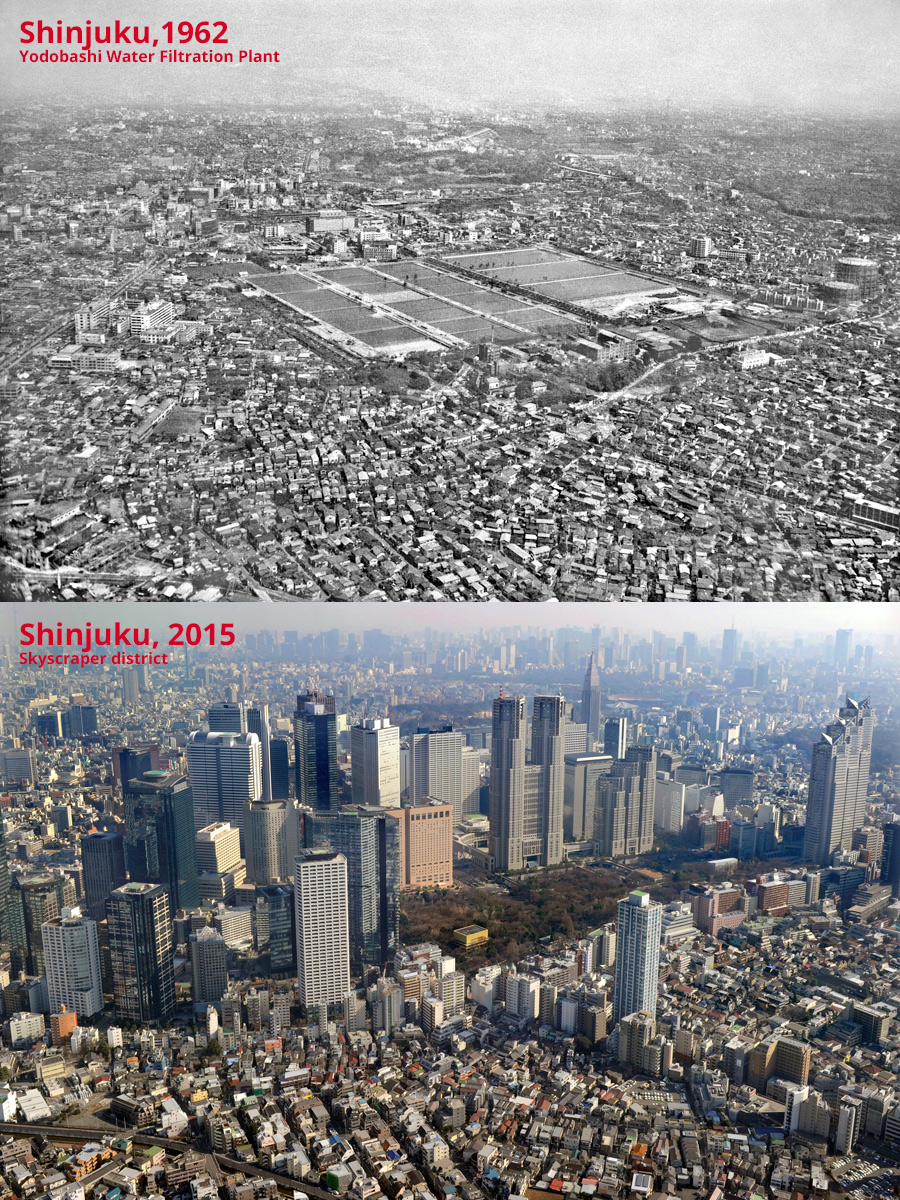
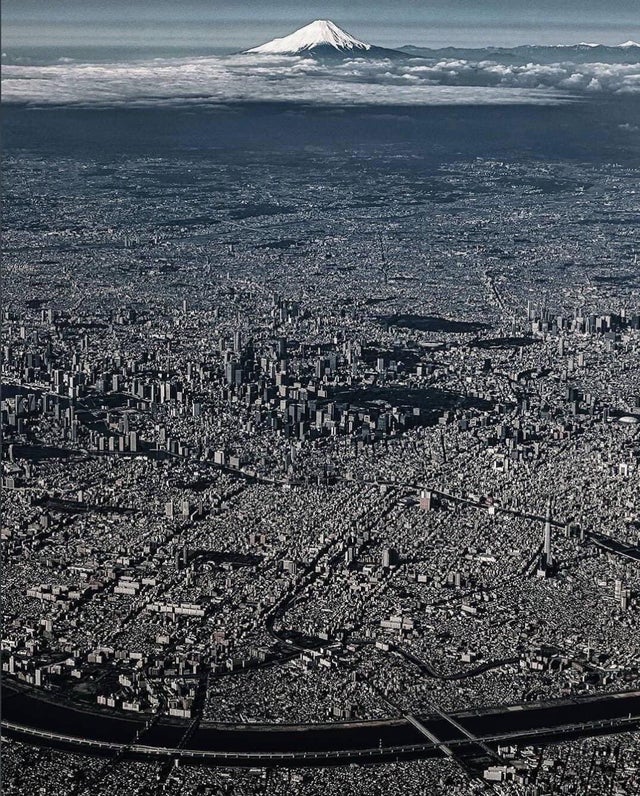
16/ Tokyo 1962 vs. 2015 (and beyond)
• • •
Missing some Tweet in this thread? You can try to
force a refresh