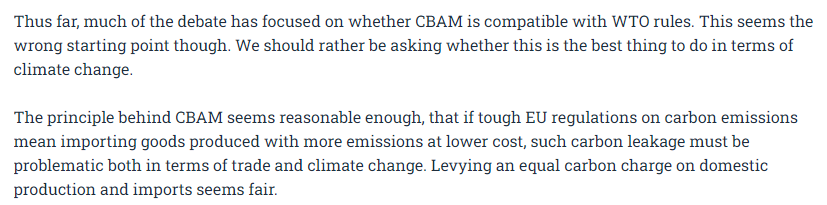
Sub 2% growth as the new normal is pretty grim. Someone cleverer than me can do the compound growth since 2008 but it doesn't sound like a lot.
https://twitter.com/AlpeshPaleja/status/1453327327589507072
Suspect that between the IFS and inflation we're going to find out that the eye watering sums being promised by the Chancellor aren't quite all they seem.
This doesn't add up in totality as far as I can see. Increased spending to make up some of the cuts of the last ten years, yet with a very weak future growth forecast plus the return of >2% inflation. Look forward to the analysis.
https://twitter.com/PJTheEconomist/status/1453329410313043970
To no great surprise the science funding target won't be met.
https://twitter.com/bbclaurak/status/1453331762734632961
I think we can definitively abandon any pretence the government cares about taking action against climate change.
https://twitter.com/PippaCrerar/status/1453335334016716802
Global Britain innit?
https://twitter.com/OilSheppard/status/1453335730911076356
Reality of the budget seems to be a lot of announcements that will ultimately make little difference, and a pretty worrying overall economic outlook.
https://twitter.com/pmdfoster/status/1453337897009045514
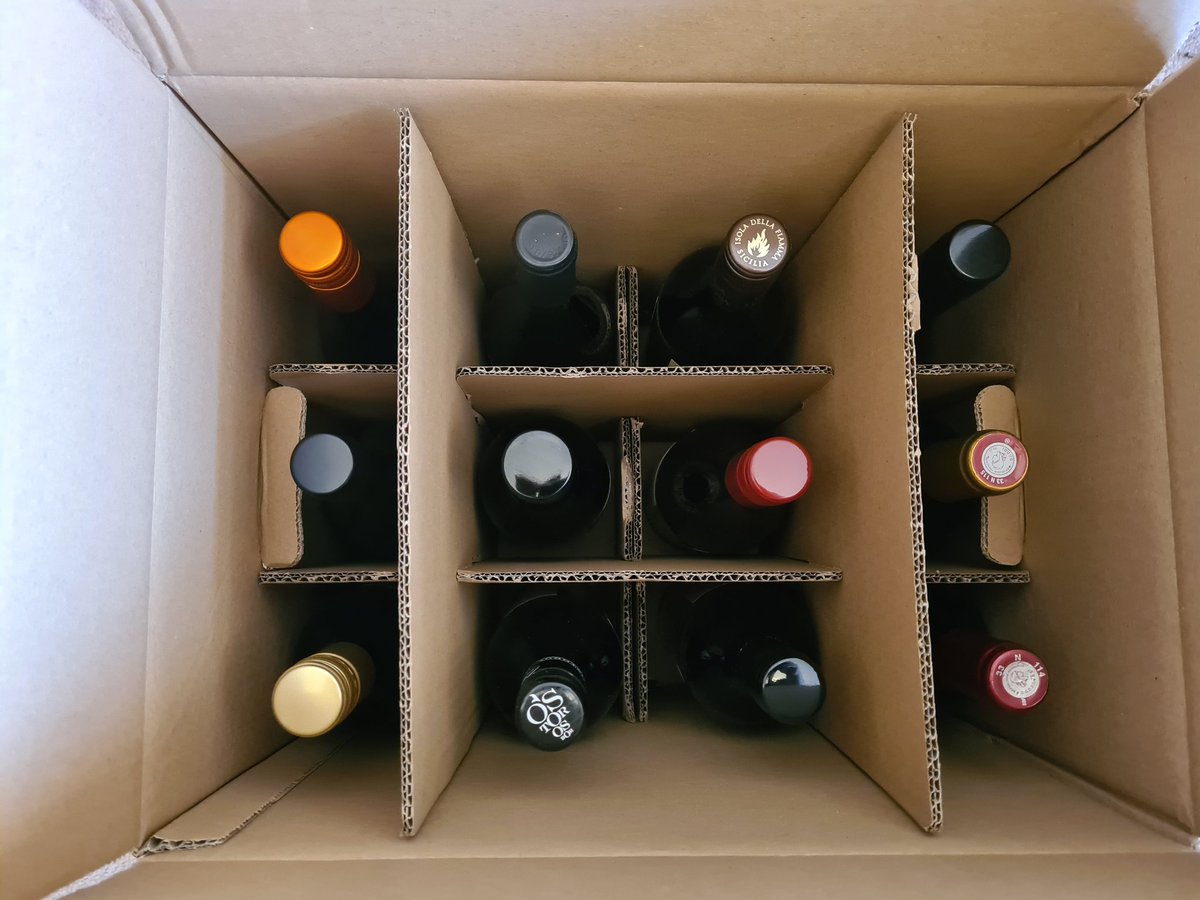
Anyway, this morning's delivery was well timed... #fuelledbyredwine 
Serious question though on the budget.
What was it actually all about, other than we have a bit more money to spend? There seemed no obvious theme, no long term plan, no rhyme or reason? No low or high tax, low or high spend. Almost entirely transactional.
Is that it?
What was it actually all about, other than we have a bit more money to spend? There seemed no obvious theme, no long term plan, no rhyme or reason? No low or high tax, low or high spend. Almost entirely transactional.
Is that it?
A budget for a sunny day assuming sunny days to come when the weather forecast says it is going to rain for most of the next few weeks.
Not sure this is going to age too well.
Not sure this is going to age too well.
Looking forward to more nuggets like this from what I'm starting to think of as the Johnson shopping trolley budget.
https://twitter.com/Samfr/status/1453345353760129029
Project fear innit? (also totally in line with the average prediction ahead of Brexit). Wonder whether any previous UK government policy led to a 4% GDP hit.
https://twitter.com/PJTheEconomist/status/1453343295325851652
So higher spending, higher taxes, but not really clear there's much logic to what the money is being spent on, meanwhile we're facing a headwind of trade barriers in terms of future growth. Not the greatest picture.
What I was suggesting earlier about growth since 2008. Poor. No great suggestion of improvement from this budget.
https://twitter.com/TheIFS/status/1453349318761533442
Meanwhile, one of the government's flagship policies for growth...
https://twitter.com/e_casalicchio/status/1453355064907730944
Another promise by the wayside...
https://twitter.com/AlexanderPHRose/status/1453353769685618696
Still fascinated by a Chancellor faced with poor long term growth projections seemingly saying "screw it, let's spend a temporary windfall randomly" presumably in the hope something else will come up in the future.
The Conservative Party is a different party to that of 2016. Doesn't seem to worry most of them.
https://twitter.com/t0nyyates/status/1453366576225390596
Stunning chart.
https://twitter.com/TheIFS/status/1453373283278245896
• • •
Missing some Tweet in this thread? You can try to
force a refresh