I have a bad feeling again—China is reinstating measures & has fired the mayors of 2 key cities. Thus far, China has shut down an industrial city, urged residents not to leave Beijing and closed down schools in Shanghai due to increase of #COVID19. 👀 thehill.com/policy/healthc…
2) If mainland China 🇨🇳 follows the way of Hong Kong 🇭🇰 — then China will be royally screwed. And the world’s supply chain might completely melt down for a period. HK deaths are surging so high it is approaching NYC in spring 2020–and HK hasn’t peaked yet.
3) Worse, “Mainland 🇨🇳 has already started to divert flights away from Shanghai & began lockdown this week with closures in some of its largest provinces. Vessels have stopped departing from Shanghai as a port.” —DAMN that is serious. This is Shanghai! 👀 bloomberg.com/news/articles/…
4) Most of the China and HK surges are #BA2. Meanwhile in England… both cases and hospitalizations surging. And #BA2 is now over 50%. Not good.
5) Assume China knows more than it reveals. They’ve built extra surge hospitals recently too. China has also recently approved rapid antigen testing. They had resisted for over 26 months. Something is very different now. reuters.com/world/china/ch…
6) In the first two months of 2022, the megacity, with a population of nearly 25 million, has logged 1,243 confirmed COVID-19 cases arriving from outside the Chinese mainland. The number is also roughly ~80% of Shanghai's total imported cases last year. xinhuanet.com/english/202203…
7) Regarding Shanghai’s shutdown — its a city of 25,000,000 people! (And likely more, not including illegal migrants without “huko” residency permits). One person describes it this way— he no longer had communication with anyone at his Shanghai office as of Friday.
8) Hong Kong was once as strict on #COVID19 as mainland China was. Yet somehow it partly gave up and lost control. Here is how HK now compares to 44 other *high income* counties. If this hits Shanghai & other major Chinese industrial cities… supply chains worldwide will suffer.
9) UPDATE—the 13-million population city of Shenzhen has locked down! With all non-essential enterprises stop operating, or required to work from home. Buses and subways all suspended. Govt services shut down except for epidemic essential staff. Holy shit. ishare.ifeng.com/c/s/v006LBcjcB…
10) ⚠️ Shenzhen health official Lin Hancheng warns Sunday that this #BA2 strain is "highly contagious, spreads quickly and has a high degree of concealment", leading to widespread community transmission if control measures were not strengthened soon. 👀 xw.qq.com/cmsid/20220313…
11) Update—Jilin (city of 1.3 mil pop where China central govt just fired mayor yesterday) is now building a new 6000-bed isolation 🏥 clinic— in less than a week! Remind you of somewhere in Jan 2020?
12) Outbreak is still early in China 🇨🇳, but look at that near-vertical surge. The fact that it’s simultaneously happening in with lockdowns in multiple cities at once shows urgency that we haven’t seen before. And keep in mind Shenzhen & Shanghai are critical industrial cities!
13) China isn’t alone in this mess. South Korea 🇰🇷 is also see an epic surge— now surpassing all time pandemic highs.
14) If HK is a country, its #COVID19 death rate per capita would be 5x higher than the next highest country (which also has near complete #BA2). If Shenzhen is surging because it is the immediate neighbor of HK. If Shenzhen, the industrial core of 🇨🇳, is disrupted, it’ll be hell.
15) For Western European countries who think they are immune from #BA2 after their recent #Omicron wave… well there is some sobering news for you — your govt leaders who claim ‘COVID is over’ are delusional and lying to you. Learn from what’s happening elsewhere #CovidIsNotOver
17) UPDATE— Apple supplier Foxconn shuts all its Shenzhen factories as #COVID19 outbreak in China grows - ft.com/content/d59c76…
18) Hong Kong health experts say they do not expect local #COVID19 infections to decline any time soon, with one warning residents not to let their guard down, as cases could rebound at any time. HK seems to be in trouble for a while—likely Shenzhen too.
19) with scenes like this in China prior to the lockdown, you can see why Shenzhen region is having to resort to lockdowns to keep things from getting out of hand. In China, population density is by far one of the riskiest thing with a contagious virus.
20) UPDATE— Dongguan, with population over 7 million, has also suddenly gone into lockdown. Dongguan is another major industrial city adjacent to Shenzhen and near Hong Kong.
21) As you can see, cases are rising everywhere in China. It’s not just in northeast Jilin or south near Shenzhen. 23 of the 31 mainland provinces reported confirmed, symptomatic cases over the past week. Including asymptomatic cases, there were almost 10,000 new cases.
22) I’m now confident that #BA2 definitely deserves its own distinct Greek letter, separate or Omicron family. BA1 and BA2 are more different than Delta is from original Wuhan 1.0 strain. And the infectiousness and attack rates don’t lie —BA2 is worse by leaps and bounds! 👇
23) Catch up on what is #BA2–This is a good quick video of BA2 to date, which is much more dangerous and which honestly deserves its own Greek letter. C’mon @WHO. #CovidIsNotOver
24) Bottomline: I believe China is now teetering at the edge between barely containing BA2 wave of COVID-19 and completely losing control like it has in Hong Kong—
25) …which we know could spell horrible conditions outcomes and huge economic difficulties and disruption to the most critical manufacturing and export centers of the world. Thus, this bodes extremely poorly for the rest of the global supply chain crisis and economic stability.
26) What happens in China over the coming weeks will affect the world. COVID is not over — with the world acting slowly only further endangering the world. God help us. medriva.com/china-at-a-cov…
• • •
Missing some Tweet in this thread? You can try to
force a refresh

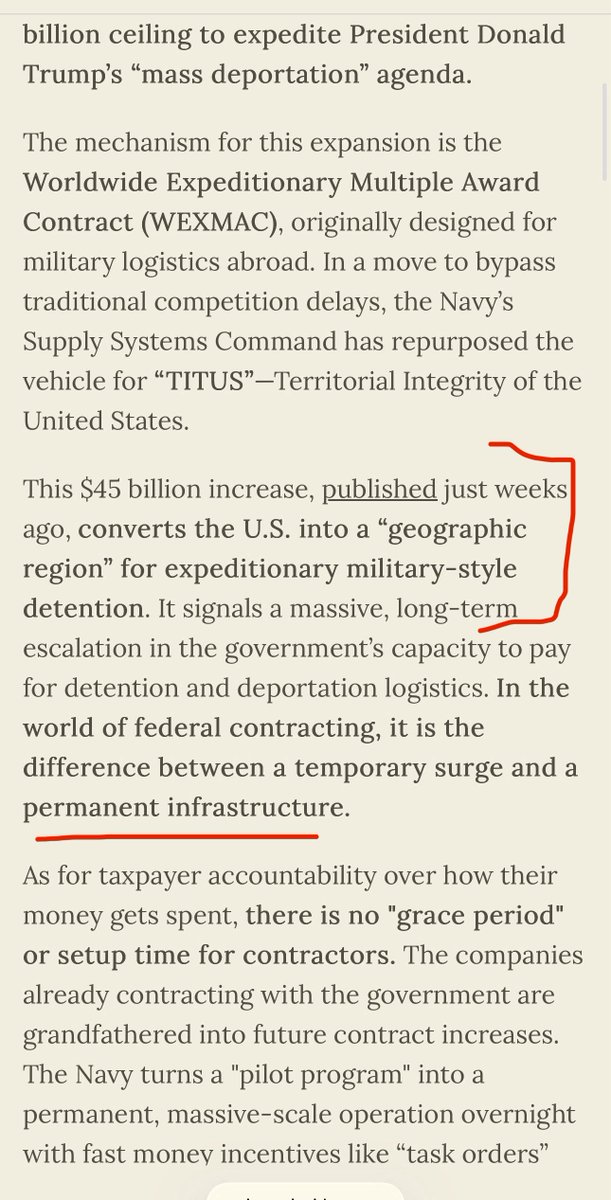
⛓️CONCENTRATION CAMPS—D.H.S. is setting up a huge network of detention camps. They are converting the U.S. as a region for eligible for ‘expeditionary military deployment’ & no-bid no-public-comment contracts to build a “ghost network” of 10,000-person concentration camps. Jesus.
2) How the Pentagon is Quietly Building Trump’s Concentration Camps
SCOOP: A repurposed Navy contract to funnel tens of billions to ICE for a nationwide "ghost network” of concentration camps—just got a lot bigger.
3) A massive Navy contract vehicle, once valued at $10 billion, has ballooned to a staggering $55 billion ceiling to expedite President Donald Trump’s “mass deportation” agenda.
The mechanism for this expansion is the Worldwide Expeditionary Multiple Award Contract (WEXMAC), originally designed for military logistics abroad. In a move to bypass traditional competition delays, the Navy’s Supply Systems Command has repurposed the vehicle for “TITUS”—Territorial Integrity of the United States.
This $45 billion increase, published just weeks ago, converts the U.S. into a “geographic region” for expeditionary military-style detention. It signals a massive, long-term escalation in the government’s capacity to pay for detention and deportation logistics. In the world of federal contracting, it is the difference between a temporary surge and a permanent infrastructure.
As for taxpayer accountability over how their money gets spent, there is no "grace period" or setup time for contractors. The companies already contracting with the government are grandfathered into future contract increases. The Navy turns a "pilot program" into a permanent, massive-scale operation overnight with fast money incentives like “task orders” that can be issued in days or even hours.
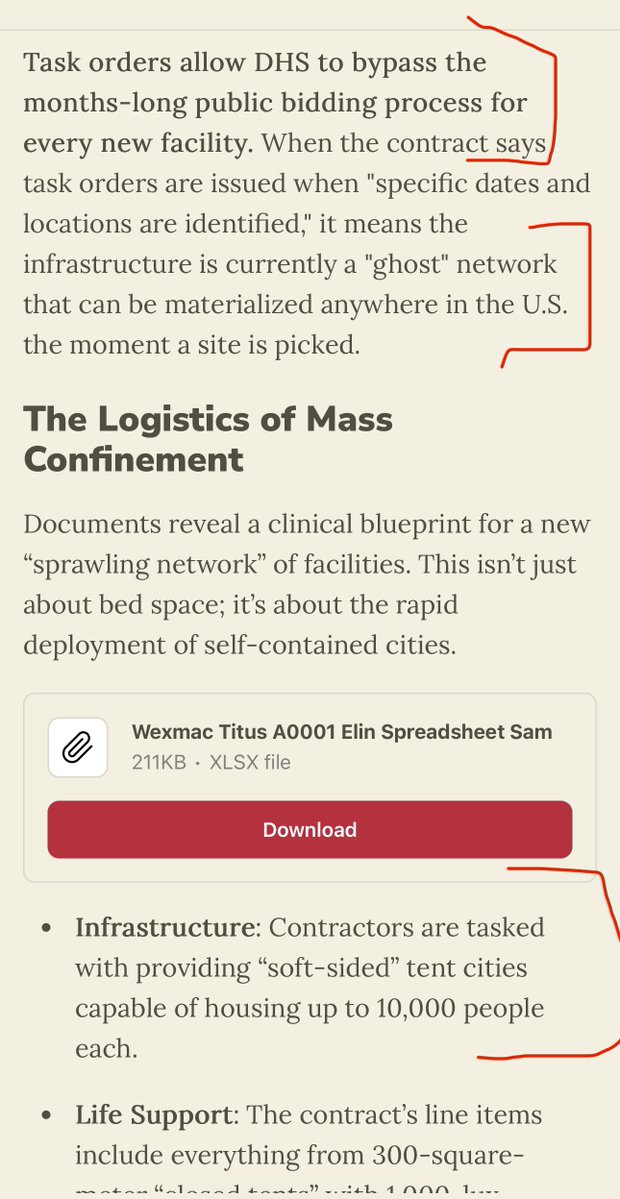
Task orders allow DHS to bypass the months-long public bidding process for every new facility. When the contract says task orders are issued when "specific dates and locations are identified," it means the infrastructure is currently a "ghost" network that can be materialized anywhere in the U.S. the moment a site is picked.
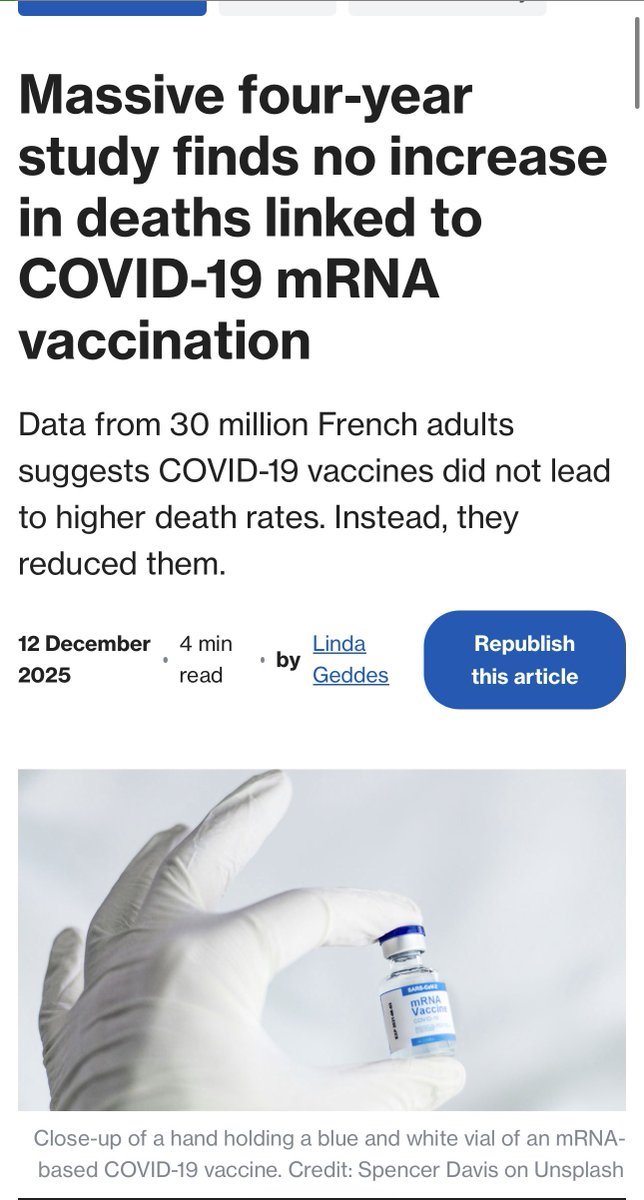
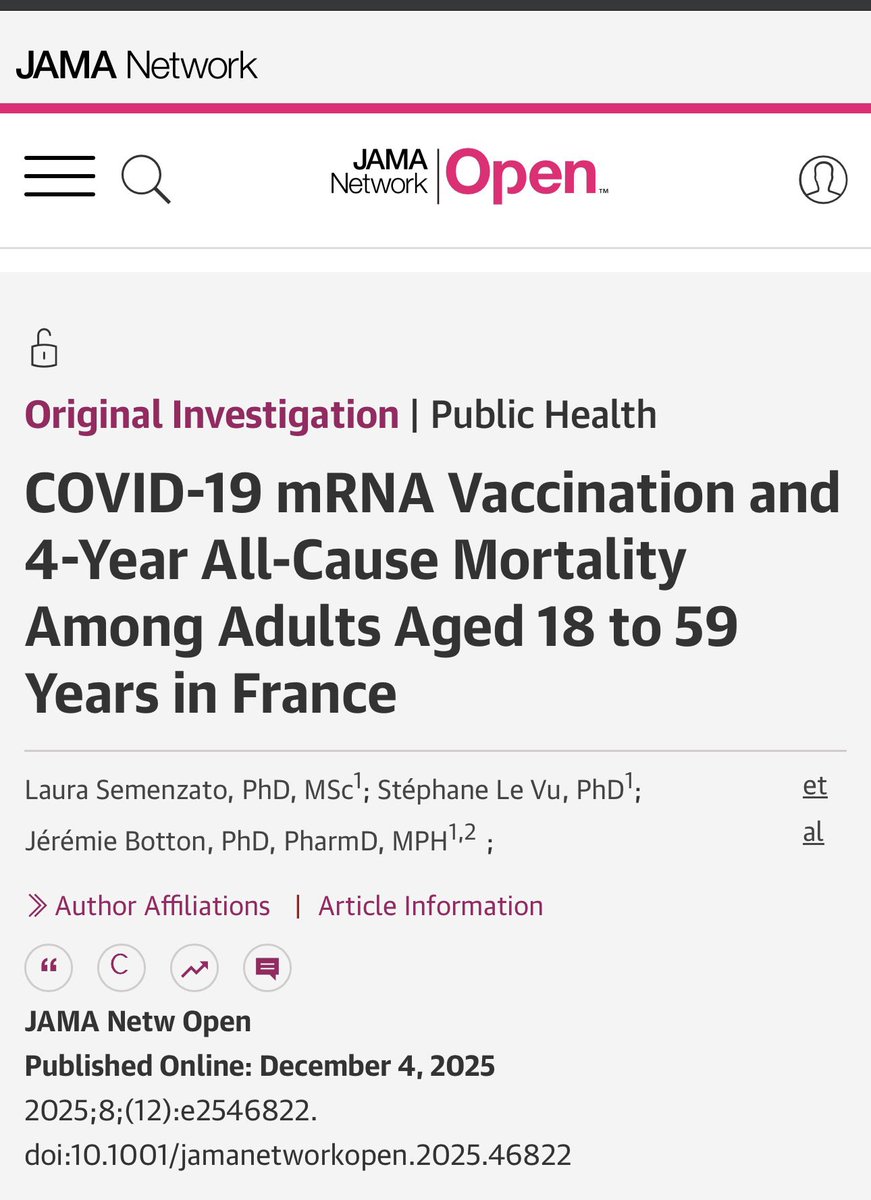
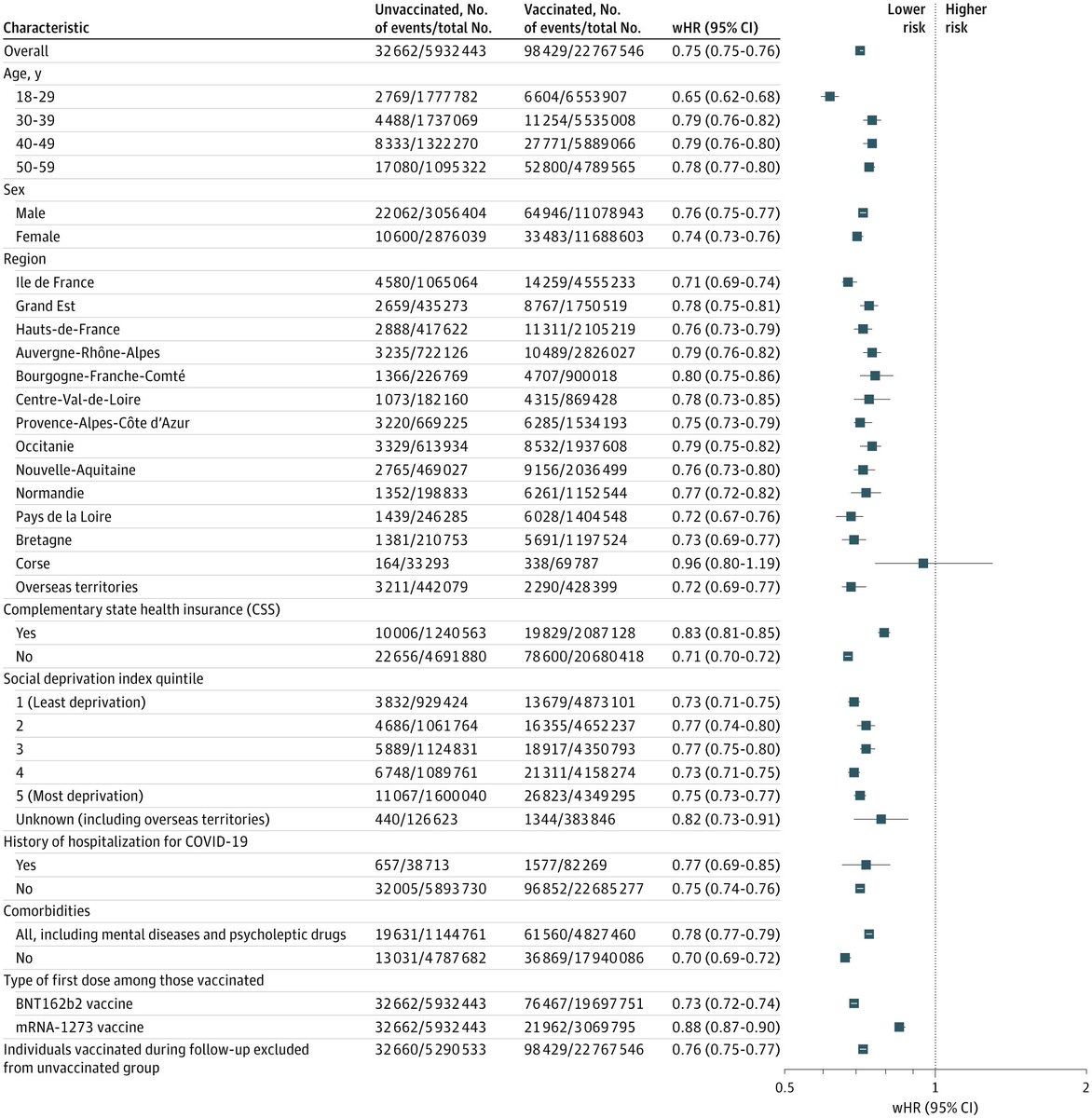
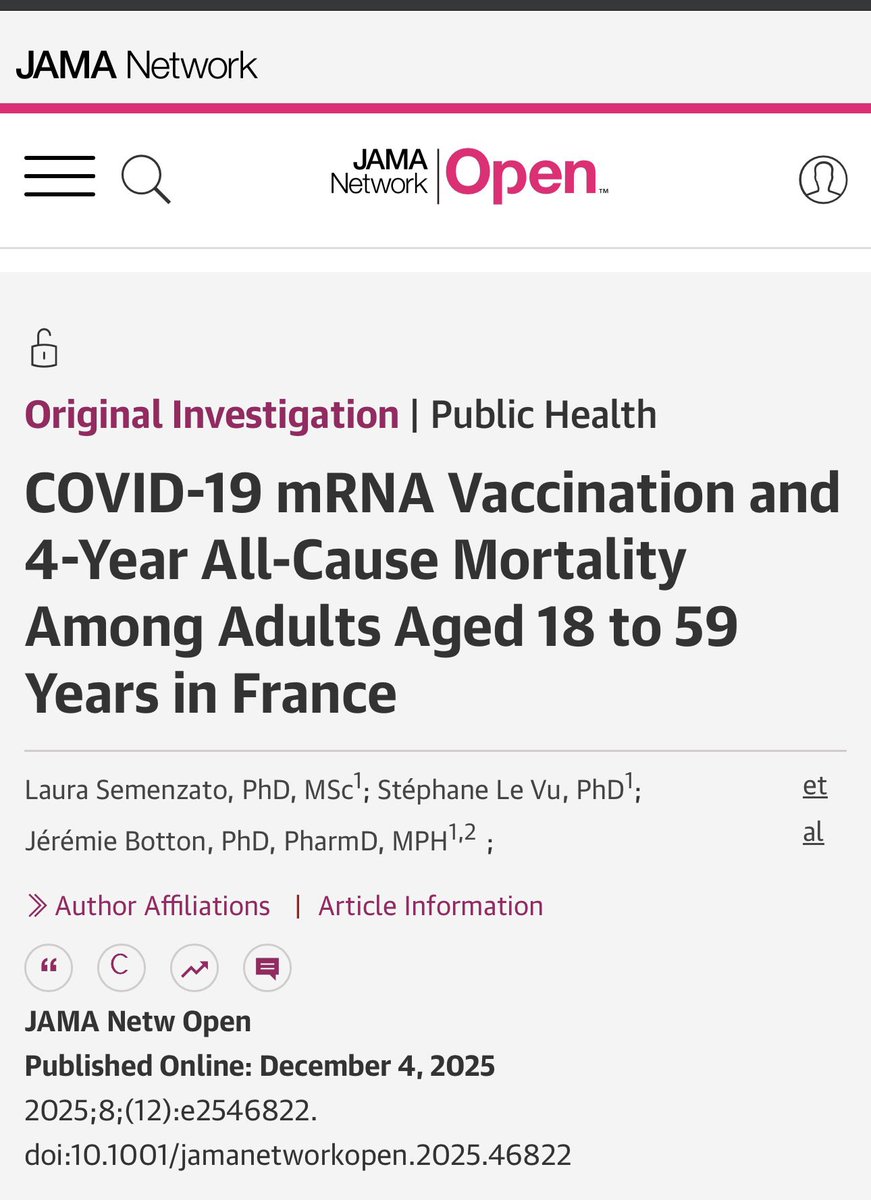
📉25% LOWER ALL-CAUSE MORTALITY! Wowzers—one of the largest long-term safety studies ever undertaken—offers the clearest answer yet: “Among 28 million French adults aged 18–59, those who received an mRNA-based COVID-19 vaccine were less likely to die in the subsequent four years than those who remained unvaccinated, corresponding to a 25% lower risk of death from all causes.”—and works even better among young adults—⬇️35% lower risk for ages 18-29!
Links in thread 🧵 below👇
2) Vaccinated individuals had a 74% lower risk of death from severe COVID-19 (weighted hazard ratio [wHR], 0.26 [95% CI, 0.22-0.30]) and a 25% lower risk of all-cause mortality (wHR, 0.75 [95% CI, 0.75-0.76]), with a similar association observed when excluding severe COVID-19 death. Sensitivity analysis revealed that vaccinated individuals consistently had a lower risk of death, regardless of the cause. Mortality was 29% lower within 6 months following COVID-19 vaccination (relative incidence, 0.71 [95% CI, 0.69-0.73]).
3) also importantly, “The study found no increase in the risk of deaths from cancer, heart disease, accidental injury or any other major category: in every case, vaccinated individuals had equal or lower rates of death.” gavi.org/vaccineswork/m…
☢️THEY DON’T CARE ABOUT YOUR LIFE—E.P.A. to Stop Considering Lives Saved When Setting Rules on Air Pollution. the EPA plans to calculate only the cost to industry when setting pollution limits, and not the monetary value of saving human lives.
2) For decades, the Environmental Protection Agency has calculated the health benefits of reducing air pollution, using the cost estimates of avoided asthma attacks and premature deaths to justify clean-air rules.
Not anymore.
3) Under President Trump, the E.P.A. plans to stop tallying gains from the health benefits caused by curbing two of the most widespread deadly air pollutants, fine particulate matter and ozone, when regulating industry, according to internal agency emails and documents reviewed
🧠DEMENTIA PREVENTION—Almost everyone needs to go out now and get the shingles vaccine ASAP. Don’t wait until age 50 for standard eligibility—ask your doctor for singles vax. MULTIPLE large studies worldwide now show that shingles vaccine strongly prevents dementia onset. Do it.
2) Both the RZV vaccine (Shingrix) shown in red, and the ZVL vaccine (purple line) against shingles prevented dementia.
3) In addition to shingles vaccine, the TDAP vaccine (against tetanus, diphtheria and pertussis), flu vaccine, and RSV vaccines all prevent dementia too. Get the shots to save your brain. 🧠
⚠️TYLENOL & AUTISM—RFK Jr and Trump are wrong—the largest & best study in the world in 2.5 MILLION KIDS—found no increased autism risk with acetaminophen (aka paracetamol, Tylenol) use by the mother during pregnancy. A crude unadjusted analysis found only a preliminary 5% risk, but once you adjust for family by matching using sibling controls (who didn’t get autism), the even tiny 5% risk vaporizes to 0% 📉. (Fun fact: I used to do drug safety epidemiology and have been whistleblower against big pharma when their drugs were dangerous—so I know a few things about drug safety data). Thread 🧵.
2) “To address unobserved confounding, matched full sibling pairs were also analyzed. Sibling control analyses found no evidence that acetaminophen use during pregnancy was associated with autism…”
3) “Conclusions and Relevance Acetaminophen use during pregnancy was not associated with children’s risk of autism, ADHD, or intellectual disability in sibling control analysis. This suggests that associations observed in other models may have been attributable to familial confounding.”
📍 THE 17 FIRED MEMBERS OF CDC’s VACCINE ADVISORY COMMITTEE (ACIP) speak out…
📍“As former ACIP members, we are deeply concerned that these destabilizing decisions, made without clear rationale, may roll back the achievements of US immunization policy, impact people’s access to lifesaving vaccines, and ultimately put US families at risk of dangerous and preventable illnesses.” 🔥
Full text:
Vaccines are one of the greatest global public health achievements. Vaccine recommendations have been critical to the global eradication of smallpox and the elimination of polio, measles, rubella, and congenital rubella syndrome in the US. They have also dramatically decreased cases of hepatitis, meningitis, mumps, pertussis (whooping cough), pneumonia, tetanus, and varicella (chickenpox), and prevented cancers caused by hepatitis B virus and human papillomaviruses.1 Recent scientific advancements enabled the accelerated development, production, and evaluation of COVID-19 vaccines, leveraging novel technologies that are estimated to have prevented approximately 1.6 million hospitalizations and 235 000 deaths in the US alone.2
For more than 60 years, the Advisory Committee on Immunization Practices (ACIP)—codified in the federal regulations (42 USC 217a: advisory councils or committees)—has served as a panel of experts that reviews the most up-to-date evidence on vaccines and monoclonal antibodies (eg, against respiratory syncytial virus [RSV]), providing sound recommendations to the US Centers for Disease Control and Prevention (CDC) regarding how vaccines should be used. ACIP recommendations are the cornerstone of the immunization program in this country. First, they serve as guidance and are the national standard for the use of Food and Drug Administration (FDA) authorized and licensed vaccines, providing a unified and trusted approach to vaccinations for the diverse array of immunization providers across the US. Second, they ensure science-based and tested immunization schedules that are optimized for well-timed protection against serious diseases. Third, the recommendations affect insurance coverage and safeguard broad access for vaccines. Fourth, ACIP’s continued monitoring of disease epidemiology and scrutiny of vaccine safety inform timely updates to recommendations that have maintained the trust and protection of the population. This transparent and ongoing surveillance of vaccines is one of the most stringent around the world, historically making the deliberations and decisions of this committee a beacon for immunization programs globally, while also serving as the foundation for recommendations harmonized with leading medical organizations in the US.3,4
ACIP committee members have always been selected through a rigorous process based on their expertise in immunology, epidemiology, pediatrics, obstetrics, internal and family medicine, geriatrics, infectious diseases, and public health. Historically, committee members were chosen because they worked at hospitals, clinics, health departments, universities, and other organizations where they dedicated themselves to caring for patients, conducting research, and helping to prevent and treat infectious diseases. Members’ deep understanding of immunization issues ensured that vaccine policies were grounded in scientific evidence, aligned with the needs of economically, socially, and medically diverse US communities, and always considered the public value, trust, and acceptability of vaccines.
Despite recent suggestions to the contrary, health care providers and the US public trust ACIP. For the past 18 years, the National Immunization Survey has shown that 99 of every 100 children in the US have received at least some recommended vaccines by 2 years of age, consistent with acceptance of ACIP recommendations implemented by trusted clinicians (National Immunization Survey - Childof Healthy People 2030).…
2) Full text part 2:
This does not suggest the population is so distrustful that it warrants dismantling the process by which vaccines have been recommended. ACIP standard procedures have minimized the risk of alleged conflicts of interest and biases. For decades, members of ACIP have undergone a thorough application and review process to participate. Proposed members submitted letters of support from other known experts and peers, completed an interview process, underwent a background check, and disclosed financial interests that might be considered a conflict, including any professional or financial relationships of immediate family members. Historically, it has taken up to 2 years for nominees to be approved to join ACIP.
Once part of the committee, ACIP members spent significant time preparing for meetings, reviewing the scientific evidence, and chairing work groups that, along with many CDC public health officials, led to the final recommendations that were determined during public meetings, which also included opportunities for public comment. Recordings of these meetings, agendas, and presentations were publicly available. Additionally, members agreed to ongoing monitoring and disclosure throughout their tenure. For example, potential conflicts of interest were reviewed throughout their time on the committee. Statements about potential conflicts were required during each meeting and before each vote, and members recused themselves from voting if any conflicts were identified. These disclosures have also recently been posted on the CDC website for public scrutiny. ACIP was among the most stringent and transparent of the federal committees, and we hope those criteria will apply to any new members joining the committee.
The abrupt dismissal of the entire membership of the ACIP, along with its executive secretary, on June 9, 2025, the appointment of 8 new ACIP members just 2 days later, and the recent reduction of CDC staff dedicated to immunizations have left the US vaccine program critically weakened.5,6 These actions have stripped the program of the institutional knowledge and continuity that have been essential to its success over decades. Notably, the ACIP charter specifies that committee members serve overlapping terms to ensure continuity and avoid precisely the disruption that will now ensue. The termination of all members and its leadership in a single action undermines the committee’s capacity to operate effectively and efficiently, aside from raising questions about competence.
Compounding these concerns, recent changes to COVID-19 vaccine policy, made directly by the HHS secretary and released on social media, appear to have bypassed the standard, transparent, and evidence-based review process.7 Such actions reflect a troubling disregard for the scientific integrity that has historically guided US immunization strategy. The newly stated strategy to replace ACIP members with individuals who will “exercise independent judgment, refuse to serve as a rubber stamp, and foster a culture of critical inquiry” is already leading to warnings by academic and scientific institutions, professional organizations, and the public who for decades have known well that these sought-after qualities precisely characterized the now-dismissed members of the ACIP.5
3) Part 3:
As former ACIP members, we are deeply concerned that these destabilizing decisions, made without clear rationale, may roll back the achievements of US immunization policy, impact people’s access to lifesaving vaccines, and ultimately put US families at risk of dangerous and preventable illnesses. Vaccines and the anti-RSV monoclonal antibodies are lifesaving, and people in the US deserve to have recommendations and broad access to use them to prevent serious diseases. In this age of government efficiency, the US public needs to know that the routine vaccination of approximately 117 million children from 1994-2023 likely prevented around 508 million lifetime cases of illness, 32 million hospitalizations, and 1 129 000 deaths, at a net savings of $540 billion in direct costs and $2.7 trillion in societal costs.8Finally, as individuals, we remain committed to evidence-based vaccine policy, both through our ongoing work in immunization science, public health, and medical education, and by supporting future efforts to keep America healthy that uphold scientific rigor and the public’s trust.