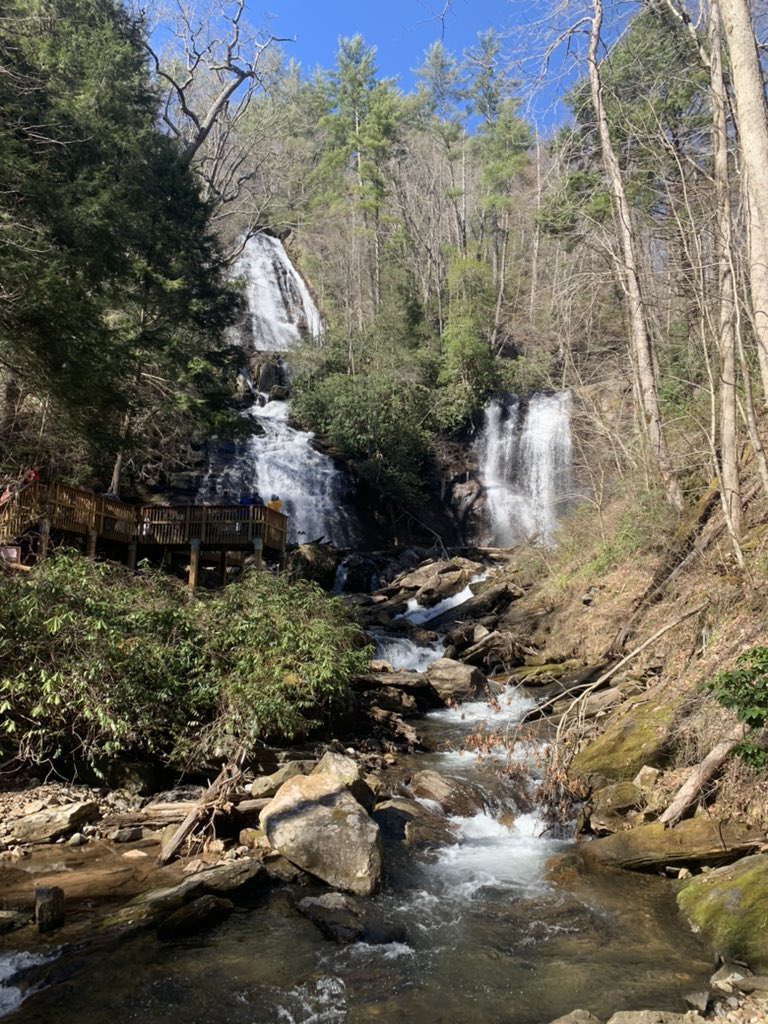
Gorgeous waterfalls we saw yesterday. Can’t help the visceral reaction: dang, how long can this go on until the mountaintop is out of water? 😅
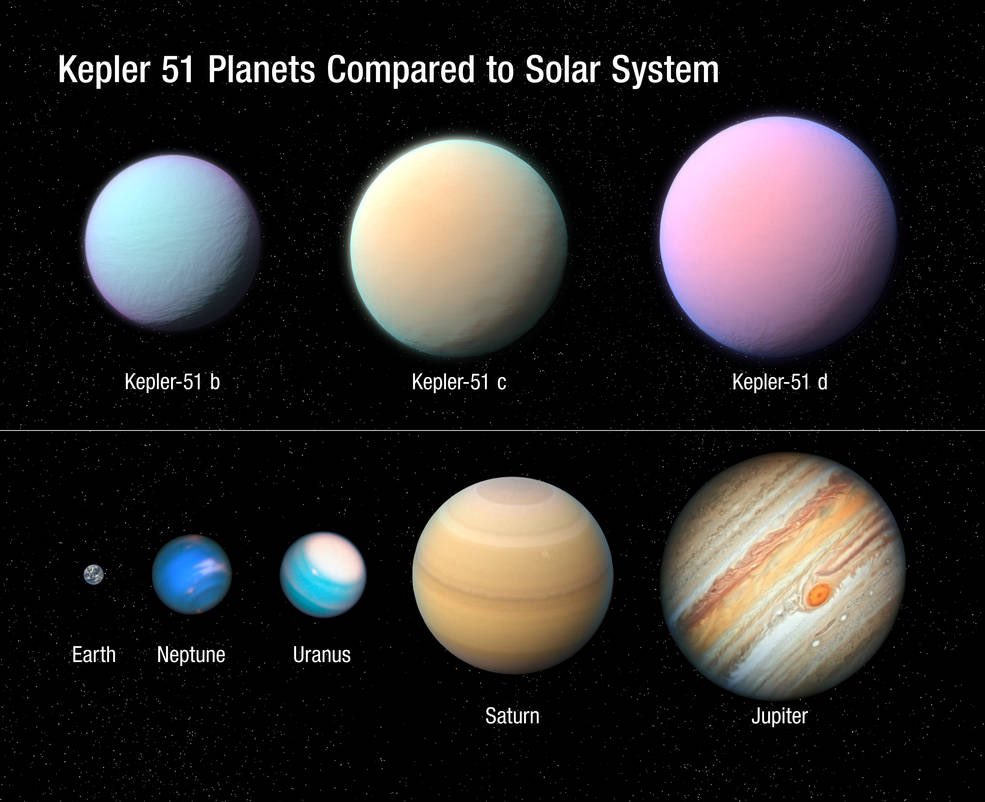
⬆️This is an example why the Geophysical Planet Definition makes so much sense. Complex geological things like waterfalls only happen if there is the right amount of gravity. Too little and the body cannot retain volatiles. Too much and it ignites with nuclear fusion as a star./2
3/ Not all planets have waterfalls of course. Not all can retain volatiles at the surface. The unifying theme is the conditions for emergent complexity, which usually means valence shell chemistry since that is where the cosmos has the most potential to blossom in complexity.
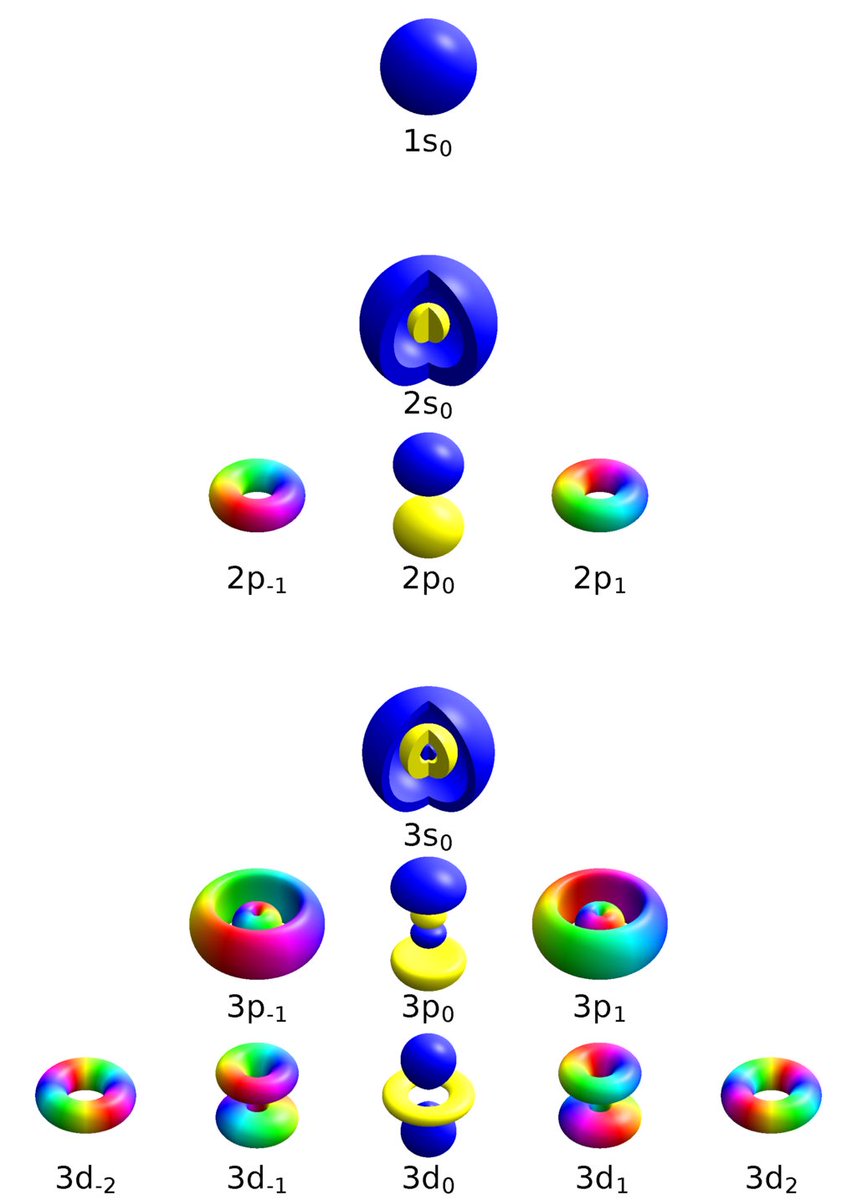
4/ That is analogous to the cosmos’ potential to ignite in nuclear fusion, which is nuclear physics, which is the defining essence of stars. So also, the cosmos has potential to blossom in complexity from valence shell chemistry, which derives from quantum mechanics. (Wiki/Geek3)
5/ Just as stars only bloom into existence when the gravity is correct to create thermodynamic conditions to drive fusion, so planets only bloom into existence when gravity is correct to create thermodynamic conditions to drive complex valence shell physics. (NASA/Ames/Caltech)
6/ So in this case, a lot of water is retained on Earth’s surface. The conditions on this particular planet enable phase change between liquid, solid, and vaporous water. That produces constant transport of water back to mountaintops (so they don’t run out 😅).
7/ The reason why there *is* such a thing as phase change in nature between ice, liquid water, and vapor is because molecules form by atoms strongly bonding together while those molecules attract each other only weakly.
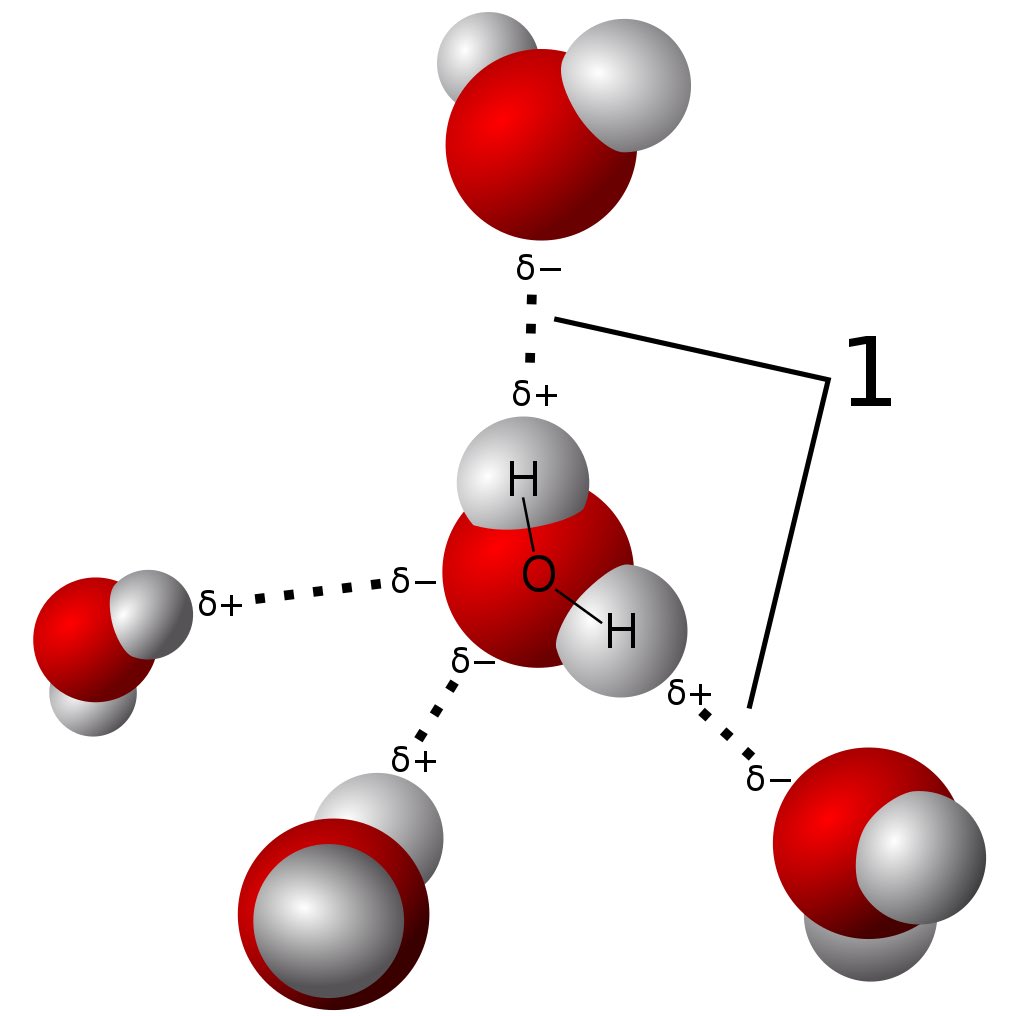
8/ This all derives directly from Quantum Mechanics acting between the types of particles that exist in the cosmos. But the liquid state of water depends on those *very* weak forces, which could never survive anywhere in the cosmos unless there is the correct warmth and pressure.
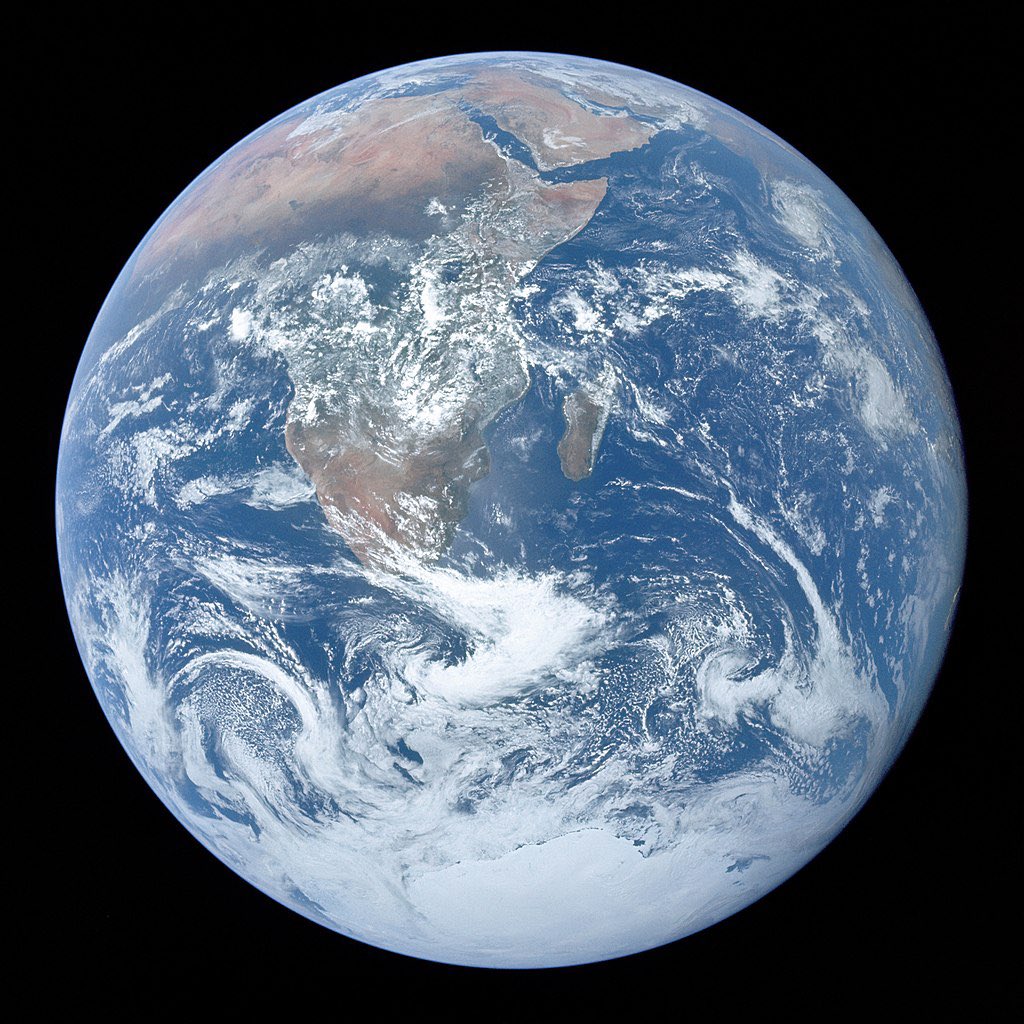
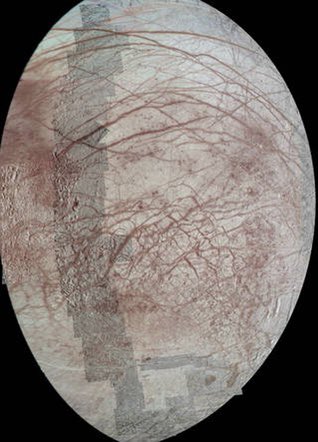
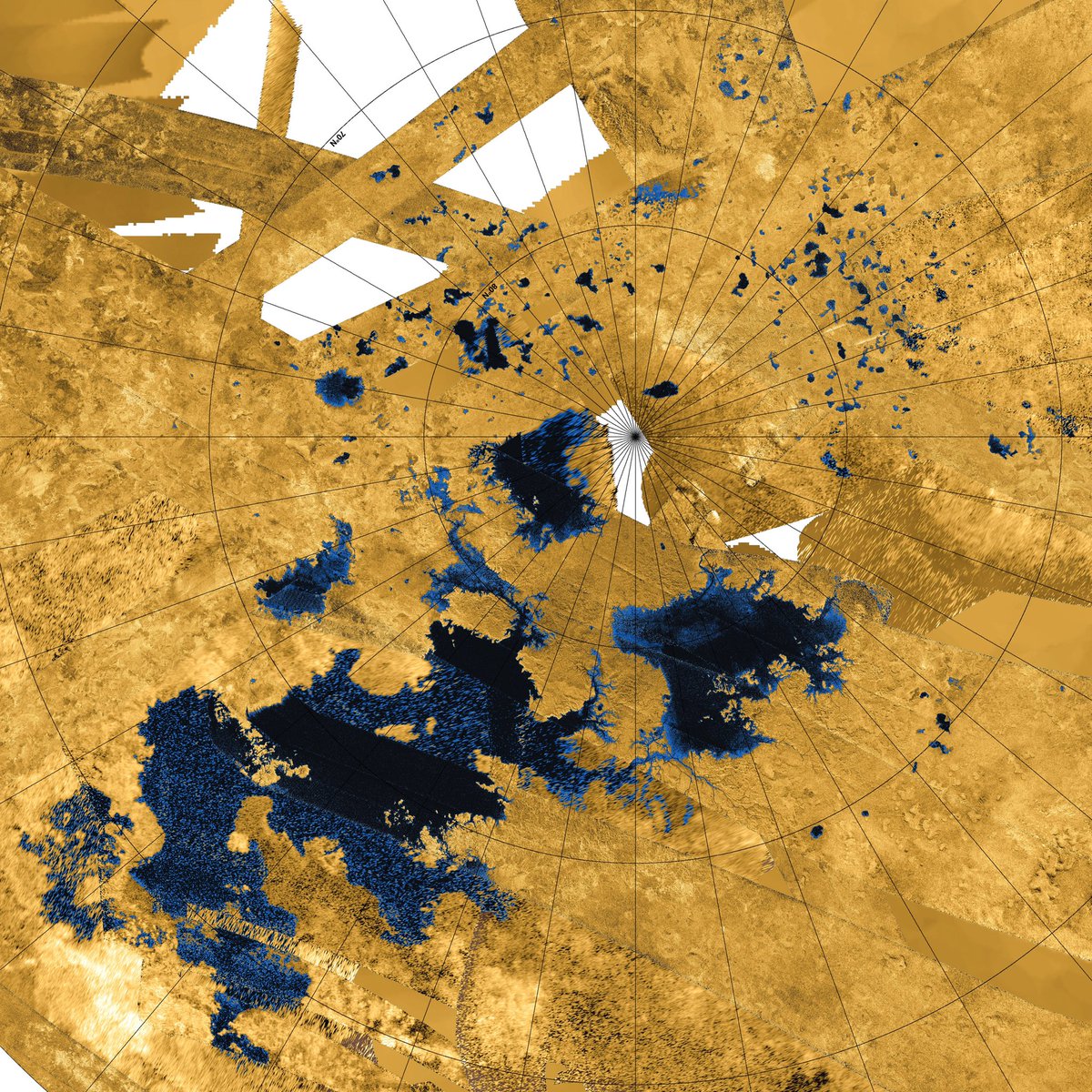
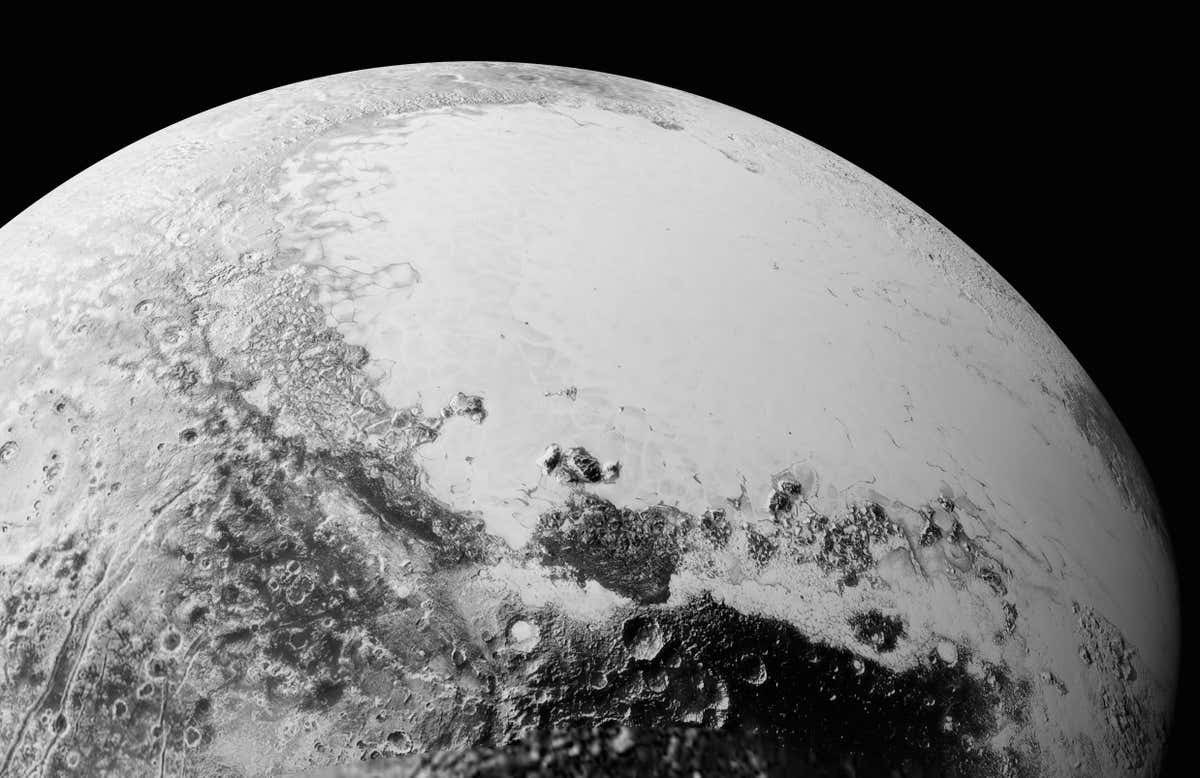
9/ More generally, a wide range of complex molecular interactions can blossom in a certain size range of bodies in space, including the formation of many different minerals and rocks, floatation of the lighter ones as a crust, and subsequent plate tectonics creating mountains.
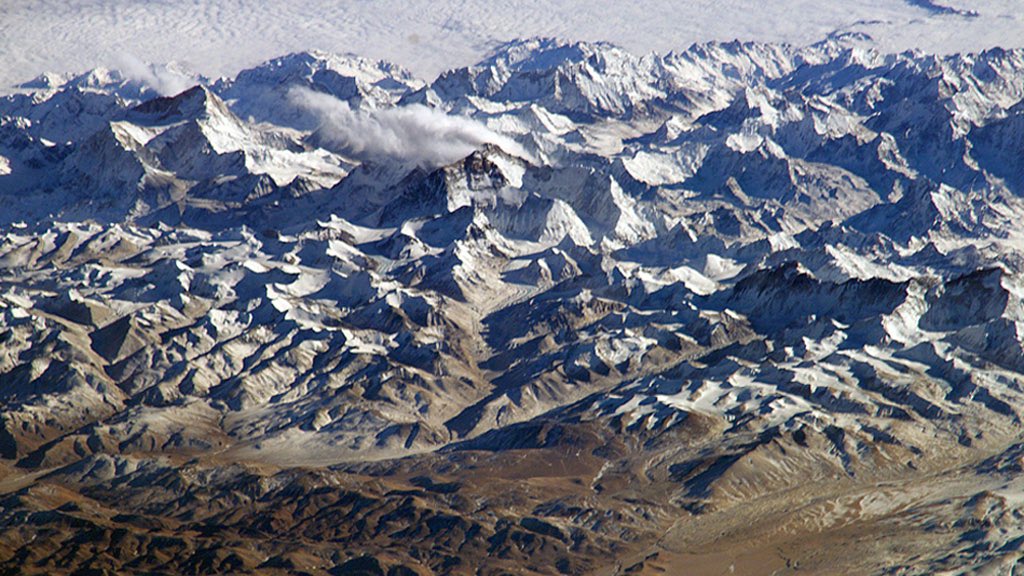
10/ So when the phase change of water from liquid to vapor back to liquid occurs, some of it ends up on the tops of mountains making waterfalls. And SOOO many other gorgeous, amazing things happening planets! (Iceland: 2ndcyclesanjose.wordpress.com/2021/11/30/ice…)
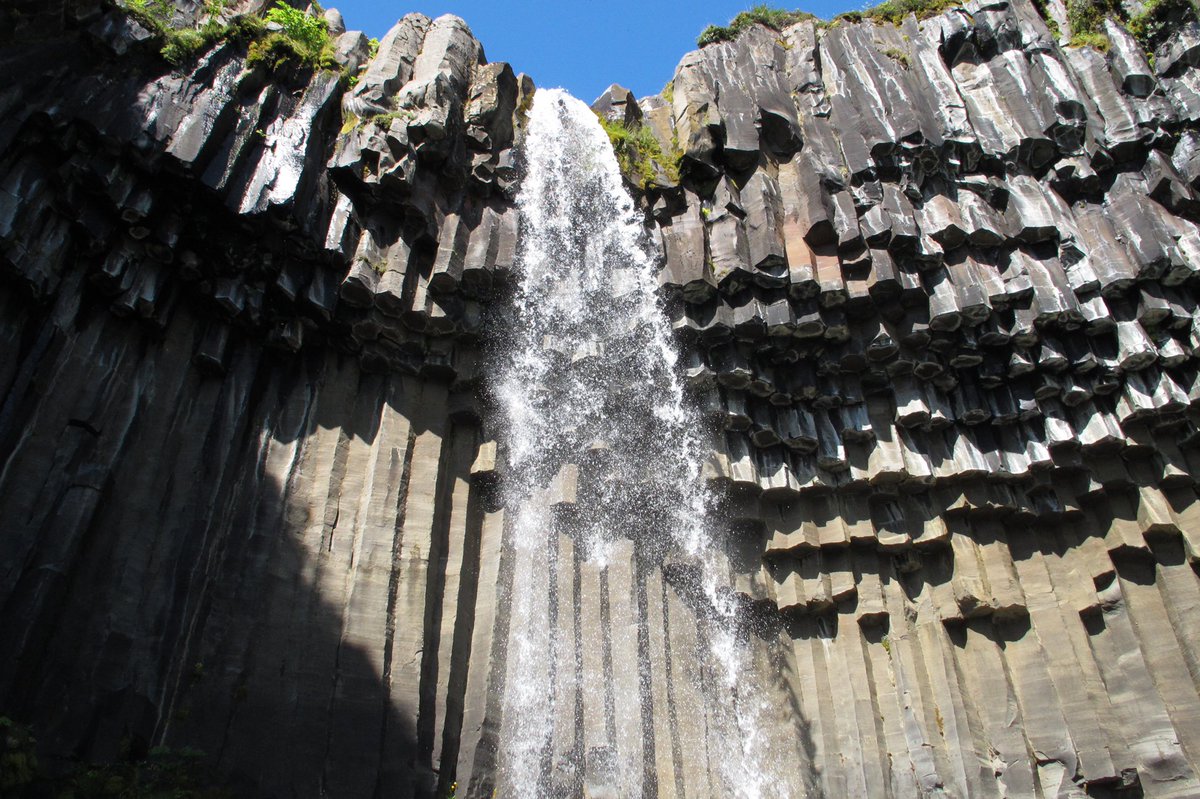
11/ So that’s the kind of thing I think about when we hike to waterfalls. I’m amazed how the beauty that is latent in quantum mechanics never really comes out of hiding until you have a planet. Planets are the full-blooming of the amazing potential of nature.
• • •
Missing some Tweet in this thread? You can try to
force a refresh

@DarenHeidgerken Yes, we have heard a few quotes of people saying these things. But we aren’t surprised. We have been working on this for years, and done years ago we were talking with a biologist at the forefront of arguments over how to do taxonomy, and he told us this: /1
@DarenHeidgerken 2/ That we are on the right track in our arguments, and that we should aim our arguments at younger scientists who are less biased, because we will never be able to convince the “old guard” who are already locked into their biases for life. He gave the example of Ernst Mayr,…
@DarenHeidgerken 3/…who was a famous biologist and one of the main opponents of cladistics in biological taxonomy. Our advisor told us that Mayr “died convinced he was right” although now the world has moved on and Mayr’s view lost out. This is how it works. We are all very poor thinkers, and…
Hey Mars settlement fans: I modeled the economics of starting a city on Mars, including the use of Mars resources to build over a few decades, and including income to offset costs. The model indicates much cheaper than @elonmusk estimated here:
2/ For this model, I used actual data from the US Census bureau, the bureau of labor statistics, etc etc, assuming most segments of the economy will be built on Mars. A portion of the residents will work in the services sector (NAICS 51) just as in the US economy, so...
3/ ...exports from those workers will be "massless", easy to transport back to Earth. Including only those exports, the settlement can completely pay for ongoing imports of materials from Earth within a couple decades, thus keeping total cost low...
News story about our paper in the journal Icarus. Apparently we were the first to study the historical records on how the scientific concept of planets developed, and why it matters to science. What what we found was truly surprising. 1/2 ucf.edu/news/planet-de…
2/2 We discovered that the IAU's basic idea about planets originated not from science, not from the Copernican Revolution, but from 1800s astrology. The nature of *doing science* has been pushing planetary scientists back to Galileo's historic & useful planet concept since ~1960.
3/ Here's a visual summary of how planets were conceptualized since the Copernican Revolution, both among scientists and among the non-scientific public. This is quite different than the untrue story told in most astronomy textbooks.
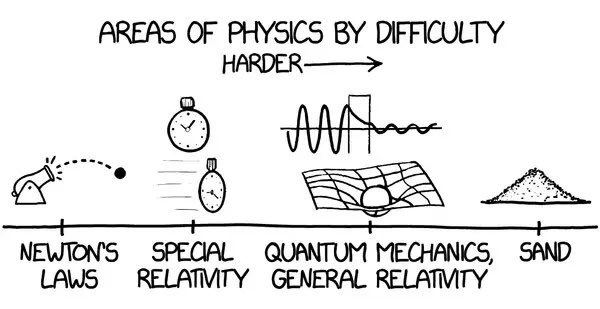
BTW, the reason we need to experimentally slam a spaceship into an asteroid rather than simply *calculate* how much it will deflect the asteroid, is because regolith physics is UNSOLVED and too hard to calculate! The splash of regolith on impact determines the deflection. 1/2
2/2 Because the splash flies *back* the opposite direction that the asteroid is being nudged, so it actually increases the change of momentum of the asteroid. But how much? Nobody can calculate a splash of sand. Sand physics is unsolved and super hard. nytimes.com/2020/11/09/sci…
The factor of the momentum change due to regolith splash is known as the “beta” of the impact. It is super important to measure so we can deflect an asteroid enough to miss the Earth, considering that spacecraft kinetics are not infinite. nasa.gov/feature/nasa-s…
Indigo Aerospace turned my 2D plot into 3D. This is ejecta blown completely off the Moon by the rocket exhaust of a 40 ton lunar lander. Gravity wraps it around the Moon, it cross-crosses on the back side of the Moon, then it flies off into orbit around the Sun.
2/ The dashed ellipse is the Near Rectilinear Halo Orbit of the planned Lunar Orbital Gateway. The damage the ejecta will cause to GW is only slight since the particles are very tiny and traveling “relatively” slow at that height above the Moon. Impact velocity will be ~400 m/s.
3/ However, the damage to spacecraft in Low Lunar Orbit can be unacceptably large. The impact velocity at that height may exceed 4000 m/s (relative speed of the ejecta and the orbiting spacecraft), so these will be hypervelocity impacts.
@FSlazer@NASAWatch When I was with NASA, our overhead burden (unscalable costs) were 46% on top of the scalable costs. So workers doing scalable productivity account for 1/1.57 = 64% of the cost. If the current program could support a launch rate 6X higher, then... 1/n
@FSlazer@NASAWatch 2/n ... the scalable part of the workforce would need to increase by a factor of 6, so the overall costs would increase by 6x64% + 36% = 418%, so the program would be another 4 times more expensive, or 12x Apollo. OTOH, if the workforce can already support a 6x launch rate...
@FSlazer@NASAWatch 3/ ... then that part of the workforce should have been reduced by a factor of 6. I mean, this is not an unplanned stand down, maintaining skills until it is over. The program is planning only 1 or 2 launches a year. So why would the workforce be scaled for 6x as many?