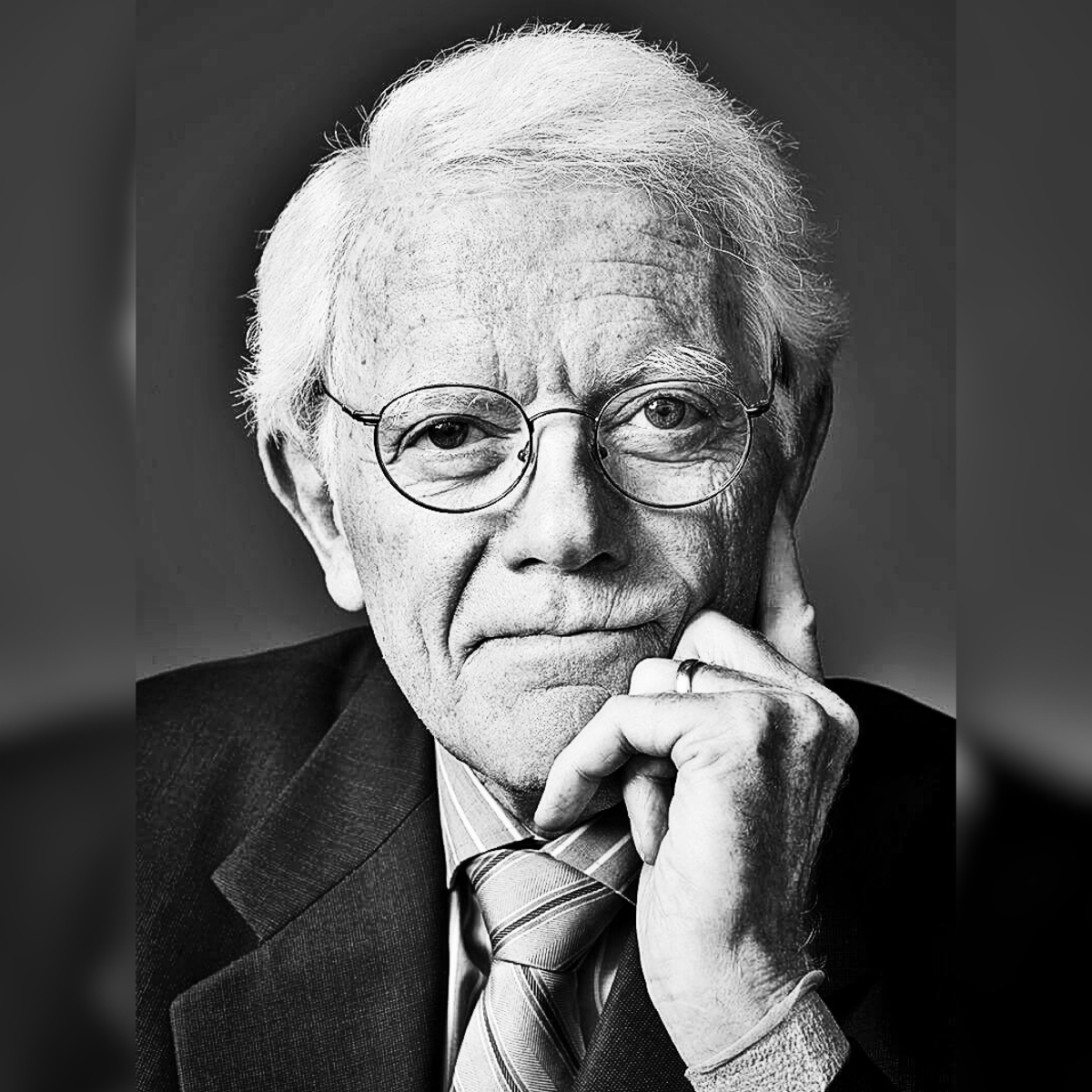
“Indeed, at Berkshire, I sometimes engage in large-scale derivatives transactions in order to facilitate certain investment strategies.”
—Warren Buffett
Oh yeah... Buffett is a big user of these bad boys.
THREAD: How Buffett prints money with weapons of mass destruction.
🧵
—Warren Buffett
Oh yeah... Buffett is a big user of these bad boys.
THREAD: How Buffett prints money with weapons of mass destruction.
🧵
In his $BRK 2008 & 2010 letter, Buffett explains why he uses options to generate float:
The Black-Scholes model which is used to price these options is flawed.
Like the efficient market hypothesis, theories when taken to the extreme present opportunities for the rational mind.
The Black-Scholes model which is used to price these options is flawed.
Like the efficient market hypothesis, theories when taken to the extreme present opportunities for the rational mind.

Options value is calculated based on the following:
1️⃣ A contract’s maturity/expiration date
2️⃣ Strike price
3️⃣ Analysts’ expectations for volatility
4️⃣ Interest rates
5️⃣ Dividends
1️⃣ A contract’s maturity/expiration date
2️⃣ Strike price
3️⃣ Analysts’ expectations for volatility
4️⃣ Interest rates
5️⃣ Dividends
In 2008's letter, Buffett gave an example:
Selling a 100-year $1B put option on the S&P500
At a strike price of 903 (which was the index's level in 2008)
The premium for this contract would be $2.5M.
I.e. Buffett will receive $2.5M up front for a put option expiring in 2008.
Selling a 100-year $1B put option on the S&P500
At a strike price of 903 (which was the index's level in 2008)
The premium for this contract would be $2.5M.
I.e. Buffett will receive $2.5M up front for a put option expiring in 2008.
How likely is it that the S&P 500 will be lower in year 2108?
In the 20th century, the DJI increased 175x as companies grew.
The probability that the S&P500 will be lower than its 2008 level after a hundred years is...
Far less than 1%, a very unlikely scenario.
In the 20th century, the DJI increased 175x as companies grew.
The probability that the S&P500 will be lower than its 2008 level after a hundred years is...
Far less than 1%, a very unlikely scenario.
What if the S&P500 dips below its 2008 level a hundred years from now?
Buffett would only need to get a return of 6.2% CAGR on the $2.5M premium collected.
$2.5M x 1.062^100 = $1.02B
Buffett would only need to get a return of 6.2% CAGR on the $2.5M premium collected.
$2.5M x 1.062^100 = $1.02B
Selling Puts on $KO
In April 1993, Buffett sold 50,000 put options for a premium of $7.5M
This is the equivalent of 5M shares at $1.50 each.
These options expire on Dec 1993 with an exercise price of $35.
Let's dissect Buffett's rationale for selling put options:
In April 1993, Buffett sold 50,000 put options for a premium of $7.5M
This is the equivalent of 5M shares at $1.50 each.
These options expire on Dec 1993 with an exercise price of $35.
Let's dissect Buffett's rationale for selling put options:
Buffett didn't want to pay the market price of $39 for $KO in April 1993.
He wanted to scoop them up for $33.50
If $KO felt to $35, Buffett would effectively be buying them at $33.50
Why?
Remember the $1.50 in premiums he collected upfront?
That's it!
$35 - $1.50 = $33.50
He wanted to scoop them up for $33.50
If $KO felt to $35, Buffett would effectively be buying them at $33.50
Why?
Remember the $1.50 in premiums he collected upfront?
That's it!
$35 - $1.50 = $33.50
Selling puts on stocks on your watchlist helps generate income while waiting for it to hit your target price.
Important assumptions to note:
1. You must want to own the stock at the exercise price less premiums collected.
2. Have cash ready to take position if exercised.
Important assumptions to note:
1. You must want to own the stock at the exercise price less premiums collected.
2. Have cash ready to take position if exercised.
That's a wrap!
If you like this, follow me here @steadycompound
I write about business breakdowns, investing concepts and timeless lessons from super investors.
If you like this, follow me here @steadycompound
I write about business breakdowns, investing concepts and timeless lessons from super investors.
If you want to receive knowledge bombs on investing like this every Sunday morning...
Subscribe to my weekly newsletter: steadycompounding.com
Subscribe to my weekly newsletter: steadycompounding.com
If this has been helpful, RT the first tweet to help others find it!
https://twitter.com/SteadyCompound/status/1506649385458831364
Many of you DMed to find out more!
Here's an in-depth article I wrote on how Buffett uses options to lower his stock purchase price & generate income:
steadycompounding.com/options/how-wa…
Here's an in-depth article I wrote on how Buffett uses options to lower his stock purchase price & generate income:
steadycompounding.com/options/how-wa…
• • •
Missing some Tweet in this thread? You can try to
force a refresh