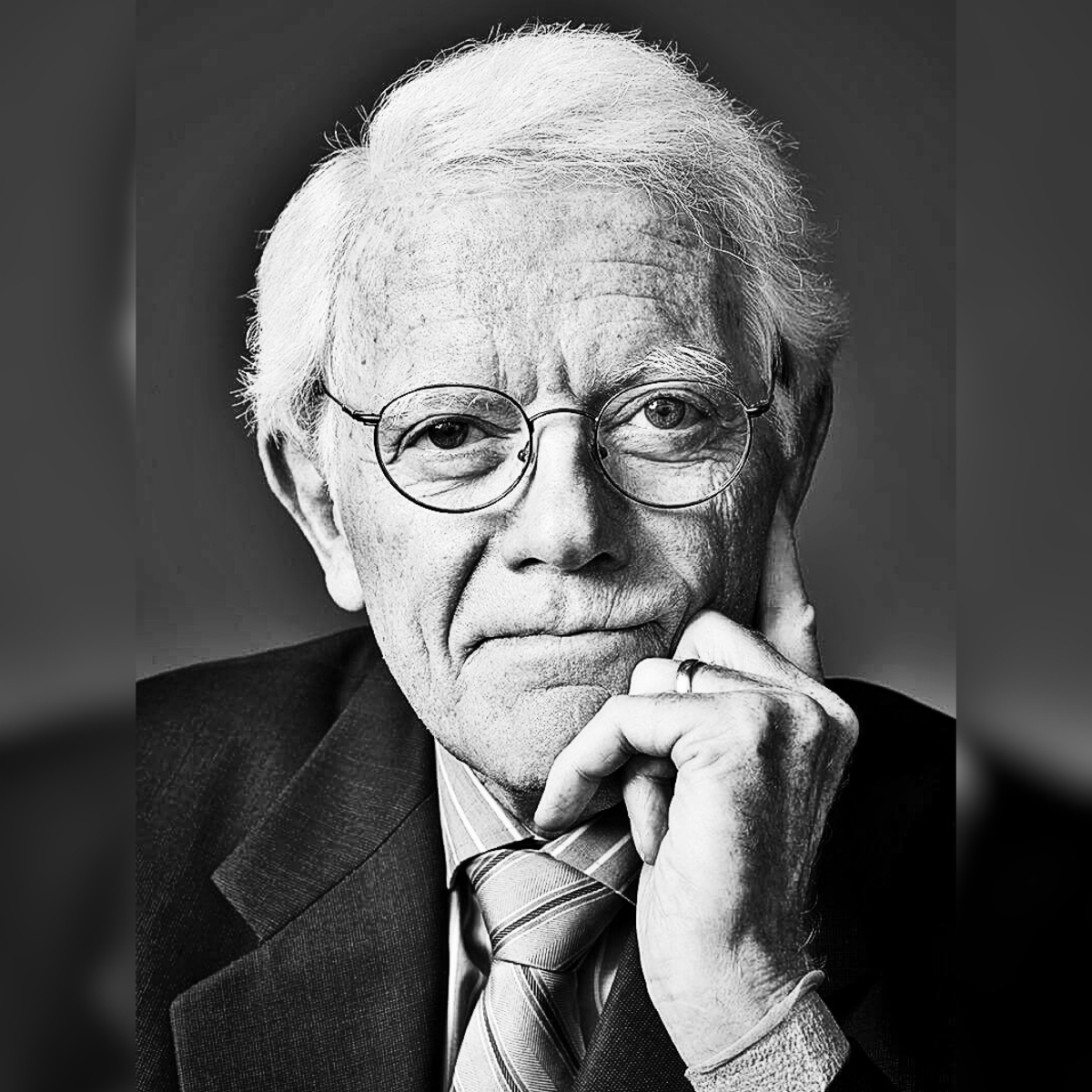
Bill Ackman has a great track record of investing in restaurant businesses.
Many know his successful investments in Chipotle and Starbucks.
But, FEW know about his early success with Wendy's and McDonald's.
A breakdown of @BillAckman thesis on $WEN and $MCD:
Many know his successful investments in Chipotle and Starbucks.
But, FEW know about his early success with Wendy's and McDonald's.
A breakdown of @BillAckman thesis on $WEN and $MCD:
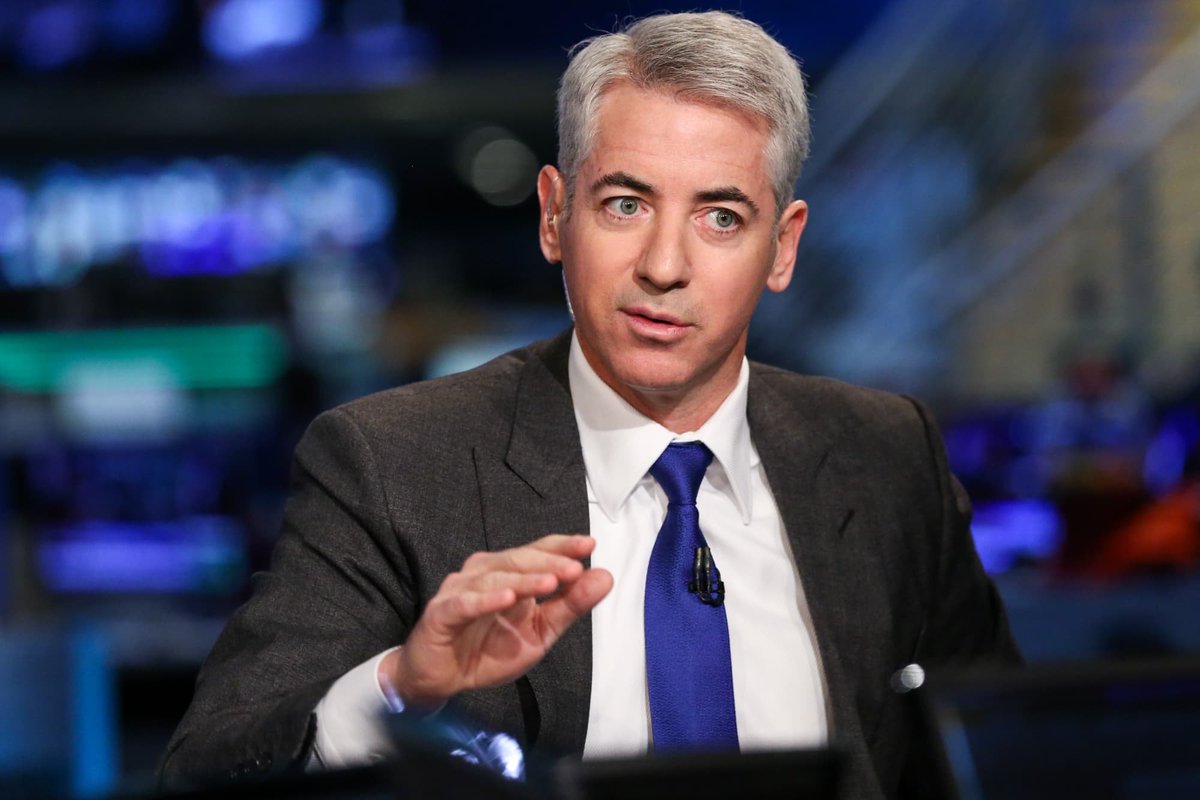
@BillAckman Wendy's Thesis
Ackman took a ~10% stake in Wendy's in 2005.
The company had a $5B market cap.
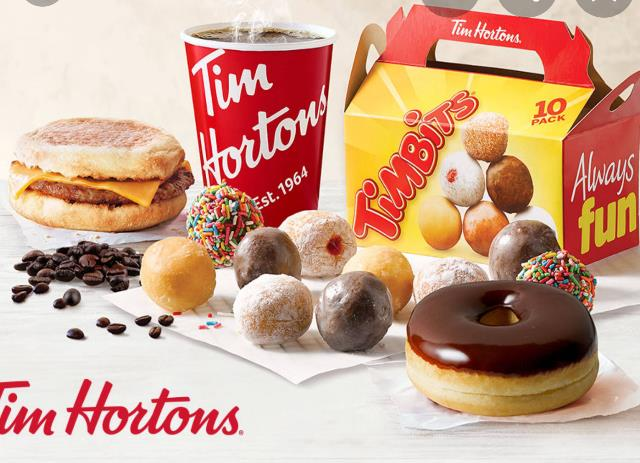
And it OWNED 100% of Tim Horton's, a Canadian coffee and donut chain.
Ackman took a ~10% stake in Wendy's in 2005.
The company had a $5B market cap.
And it OWNED 100% of Tim Horton's, a Canadian coffee and donut chain.
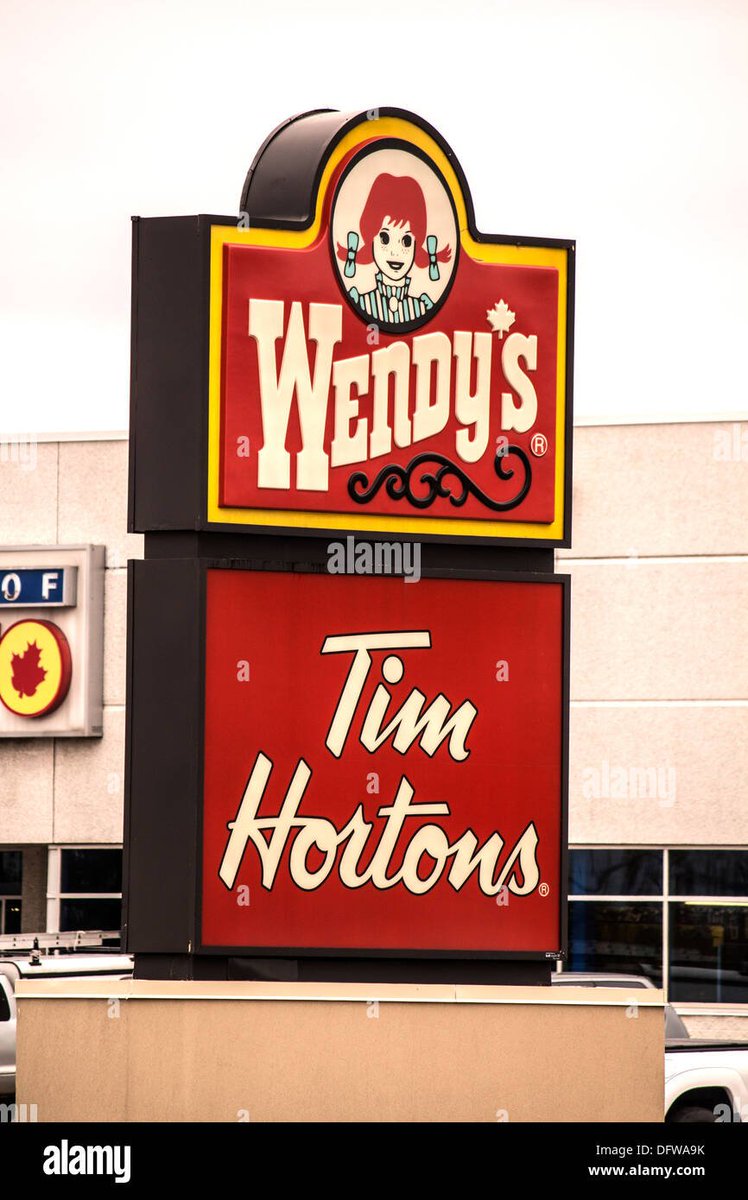
@BillAckman Tim Horton's was generating $400M in operating income.
And Ackman valued the company at over $5B (a 12.5x EBIT multiple).
Wendy's estimated worth was a few billion dollars as well.
Meanwhile, you could buy ALL of Wendy's (with Horton inside) for under $5B 🤯
And Ackman valued the company at over $5B (a 12.5x EBIT multiple).
Wendy's estimated worth was a few billion dollars as well.
Meanwhile, you could buy ALL of Wendy's (with Horton inside) for under $5B 🤯
@BillAckman The game plan:
Buy Wendy's, spin off Tim Horton's...
And get Wendy's for free!
By buying Wendy's at $38 per share, spinning off Tim Horton's, the share would double to $76 per share.
Buy Wendy's, spin off Tim Horton's...
And get Wendy's for free!
By buying Wendy's at $38 per share, spinning off Tim Horton's, the share would double to $76 per share.
@BillAckman However, it wasn't without problems.
Ackman proposed to the management:
1️⃣spin-off of Horton,
2️⃣sale of a large portion of the company's restaurants to franchisees, &
3️⃣share repurchase program.
Initially, the management refused to consider Ackman's proposal.
Ackman proposed to the management:
1️⃣spin-off of Horton,
2️⃣sale of a large portion of the company's restaurants to franchisees, &
3️⃣share repurchase program.
Initially, the management refused to consider Ackman's proposal.
@BillAckman Eventually, Wendy's did spin-off Horton and took measures to improve margins.
Ackman sold Wendy's about 1.5 years later in Nov 2006.
The stock had appreciated from $38 to $71.
A handsome return of 87% in less than two years!
And this sets them up for McDonald's.
Ackman sold Wendy's about 1.5 years later in Nov 2006.
The stock had appreciated from $38 to $71.
A handsome return of 87% in less than two years!
And this sets them up for McDonald's.
@BillAckman McDonald's Thesis
Ackman viewed $MCD as 3 separate entities:
1️⃣ a franchising operation (75% of its restaurants are franchised)
2️⃣ a restaurant operation (the remaining 25%)
3️⃣ a real estate business
It had land ownership of 37% of all restaurants and 59% of all buildings!
Ackman viewed $MCD as 3 separate entities:
1️⃣ a franchising operation (75% of its restaurants are franchised)
2️⃣ a restaurant operation (the remaining 25%)
3️⃣ a real estate business
It had land ownership of 37% of all restaurants and 59% of all buildings!
@BillAckman Ackman took a position in $MCD in late 2005.
His goal was to convince management to sell or spin off its company-operated stores to its top franchisees.
Its franchisees were better at running the stores and would improve the operating performance of the restaurants.
His goal was to convince management to sell or spin off its company-operated stores to its top franchisees.
Its franchisees were better at running the stores and would improve the operating performance of the restaurants.
@BillAckman "$MCD is what we call a brand royalty company..." — Ackman
They collect 4% of franchisees gross revenue and charge about 9% to 10% in rent.
This means that the company takes about 13-14% off its franchisees' sales.
This is one of the greatest annuity streams of all time!
They collect 4% of franchisees gross revenue and charge about 9% to 10% in rent.
This means that the company takes about 13-14% off its franchisees' sales.
This is one of the greatest annuity streams of all time!
@BillAckman But $MCD was doing the exact opposite.
They were buying out their franchisees and turning them into company operated stores.
Even when the economics of running a restaurant is not nearly as attractive as the business of collecting a royalty in exchange for a brand.
They were buying out their franchisees and turning them into company operated stores.
Even when the economics of running a restaurant is not nearly as attractive as the business of collecting a royalty in exchange for a brand.
@BillAckman $MCD felt that their restaurant business was profitable.
Because they were making high- to mid-teens margins.
This would indeed be considered profitable for a restaurant...
Except they were mistaken!
They weren't charging themselves rent or a franchise fee.
Because they were making high- to mid-teens margins.
This would indeed be considered profitable for a restaurant...
Except they were mistaken!
They weren't charging themselves rent or a franchise fee.
@BillAckman In business, it's all about opportunity costs.
If they deducted 4% in franchise fees and 8-9% in rent, along with corporate overhead and capital expenditures, they would not be making much money operating restaurants themselves.
It was far better to let franchisees do it.
If they deducted 4% in franchise fees and 8-9% in rent, along with corporate overhead and capital expenditures, they would not be making much money operating restaurants themselves.
It was far better to let franchisees do it.
@BillAckman $MCD publicly rejected Ackman's proposal.
But quietly caved in by beginning a process of selling its restaurants to franchisees.
The stock eventually doubled over two years, a big move for a large cap!
But quietly caved in by beginning a process of selling its restaurants to franchisees.
The stock eventually doubled over two years, a big move for a large cap!
@BillAckman That's a wrap!
If you like this, follow me here @steadycompound
I write about business breakdowns, investing concepts and timeless lessons from super investors.
If you like this, follow me here @steadycompound
I write about business breakdowns, investing concepts and timeless lessons from super investors.
@BillAckman If you want to receive knowledge bombs on investing like this every Sunday morning...
Subscribe to my weekly newsletter: steadycompounding.com/subscribe/
Subscribe to my weekly newsletter: steadycompounding.com/subscribe/
@BillAckman If this has been helpful, I would appreciate it if you RT the first tweet to help others find it!
https://twitter.com/1312923211688939521/status/1507317912348106753
• • •
Missing some Tweet in this thread? You can try to
force a refresh