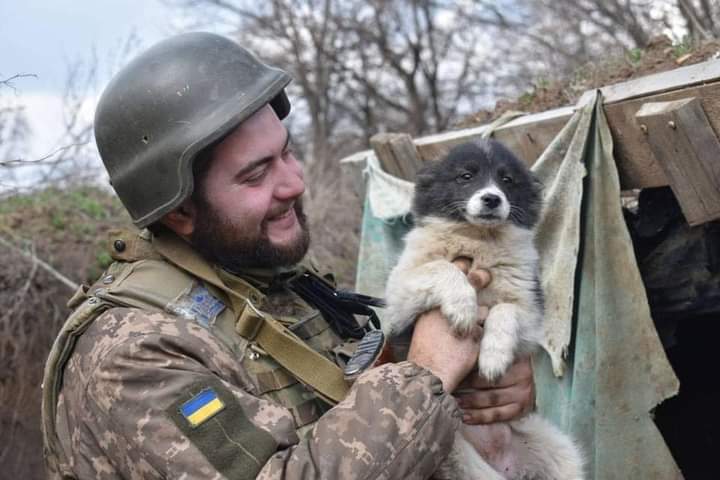
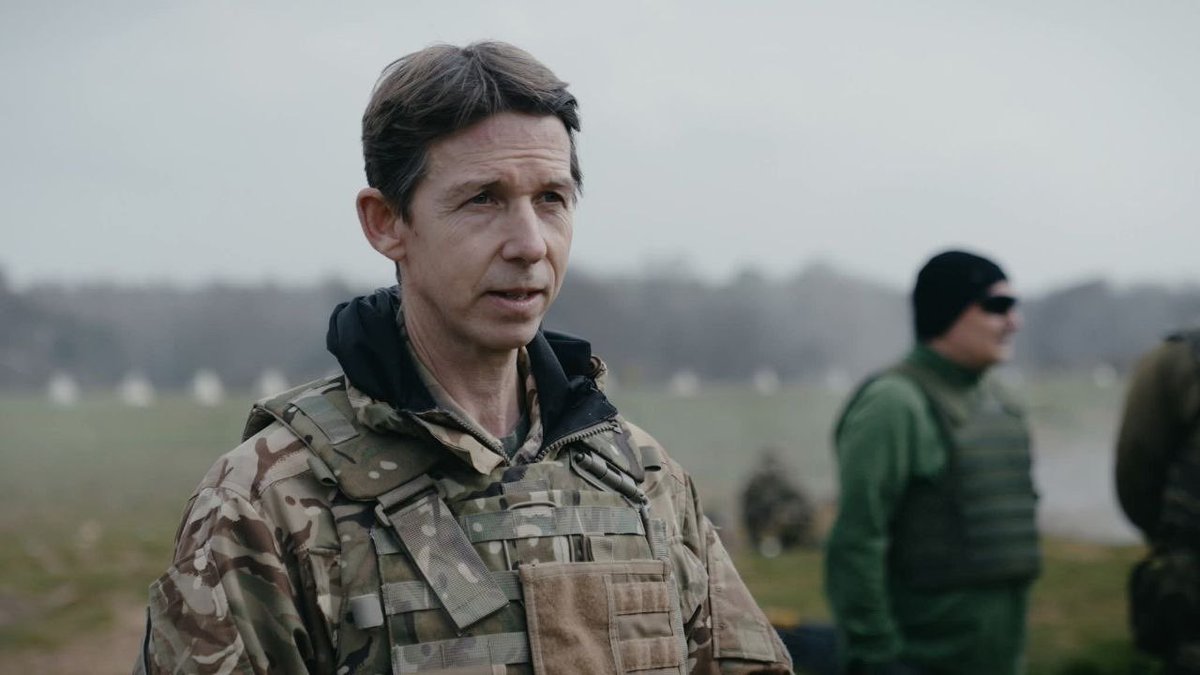
Ukraine is no longer just learning from NATO. It is teaching it🧵
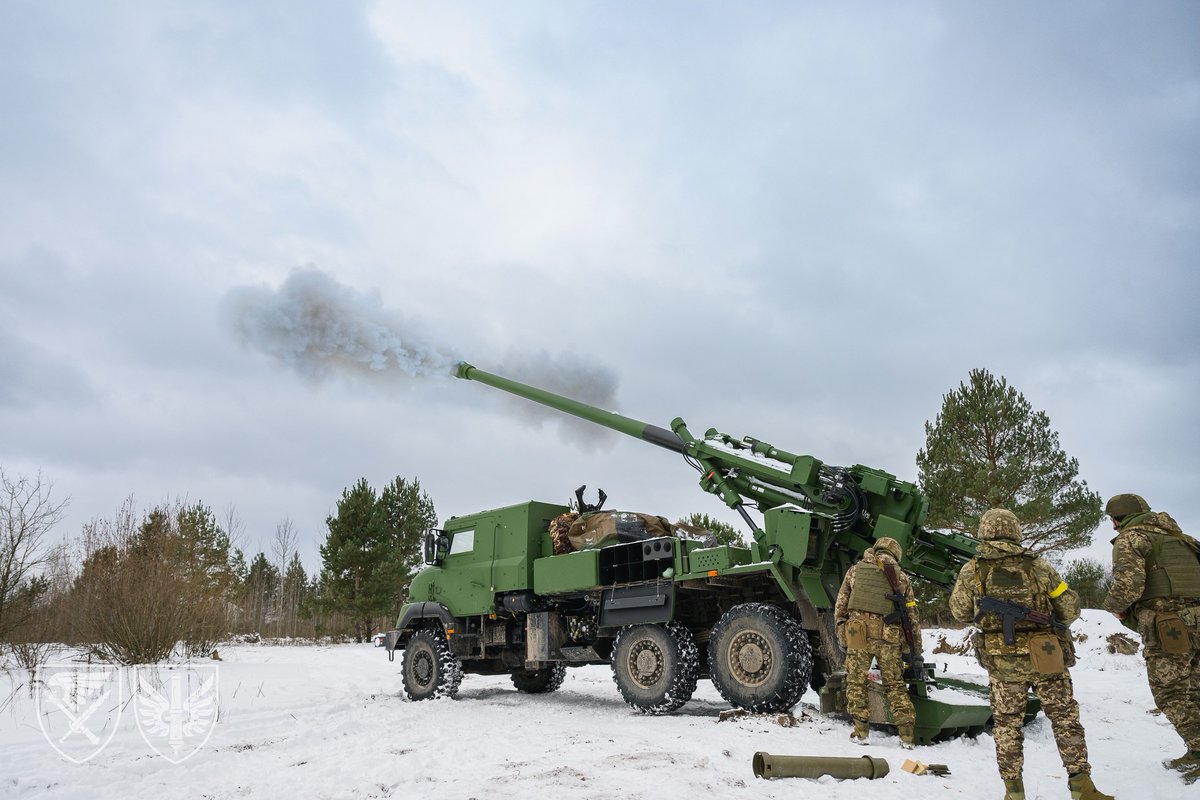
Ukraine’s battlefield experience is now shaping how allied forces train — Ukraine’s General Staff @GeneralStaffUA.
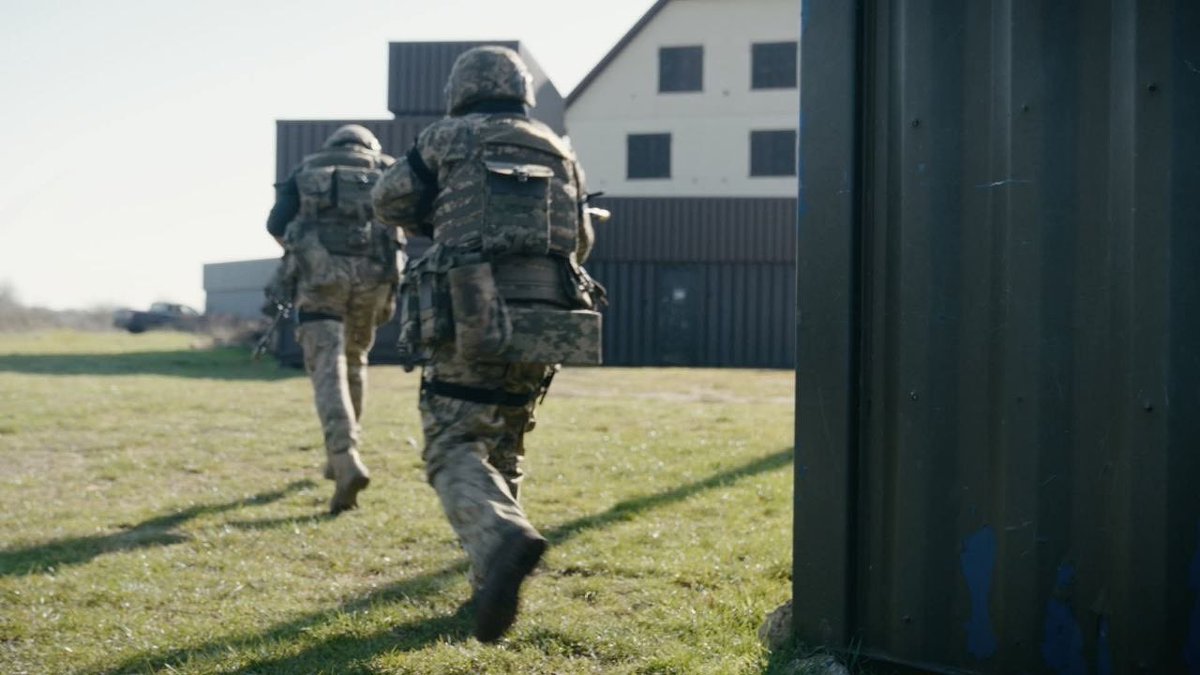
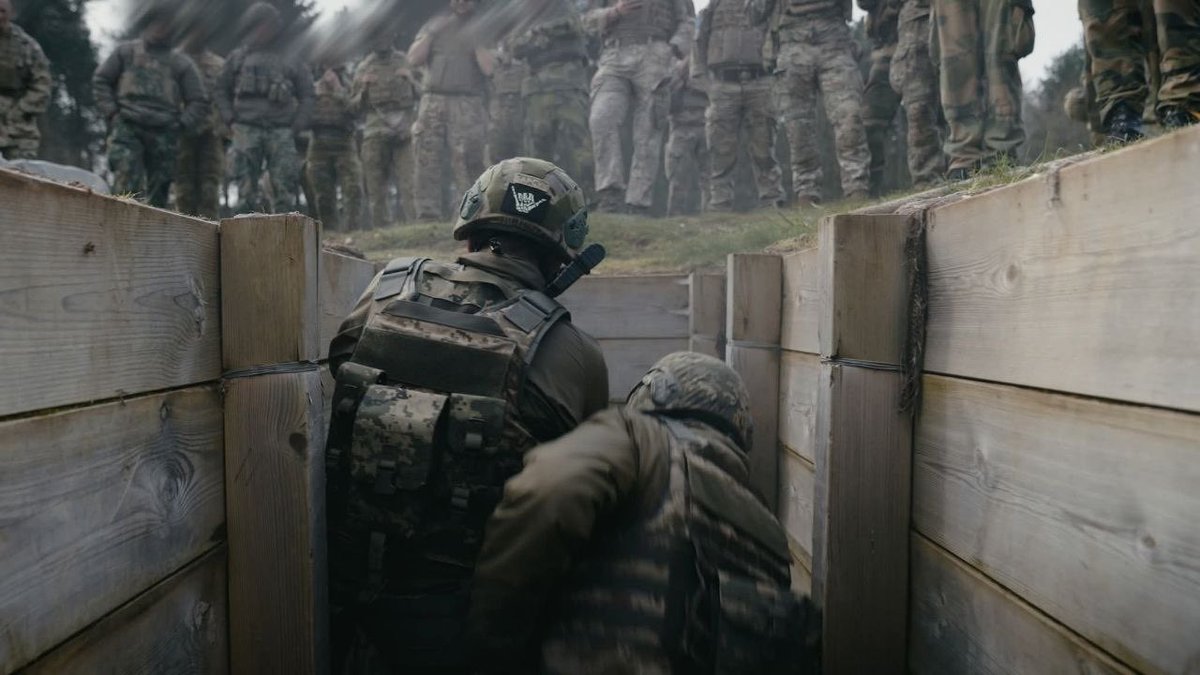
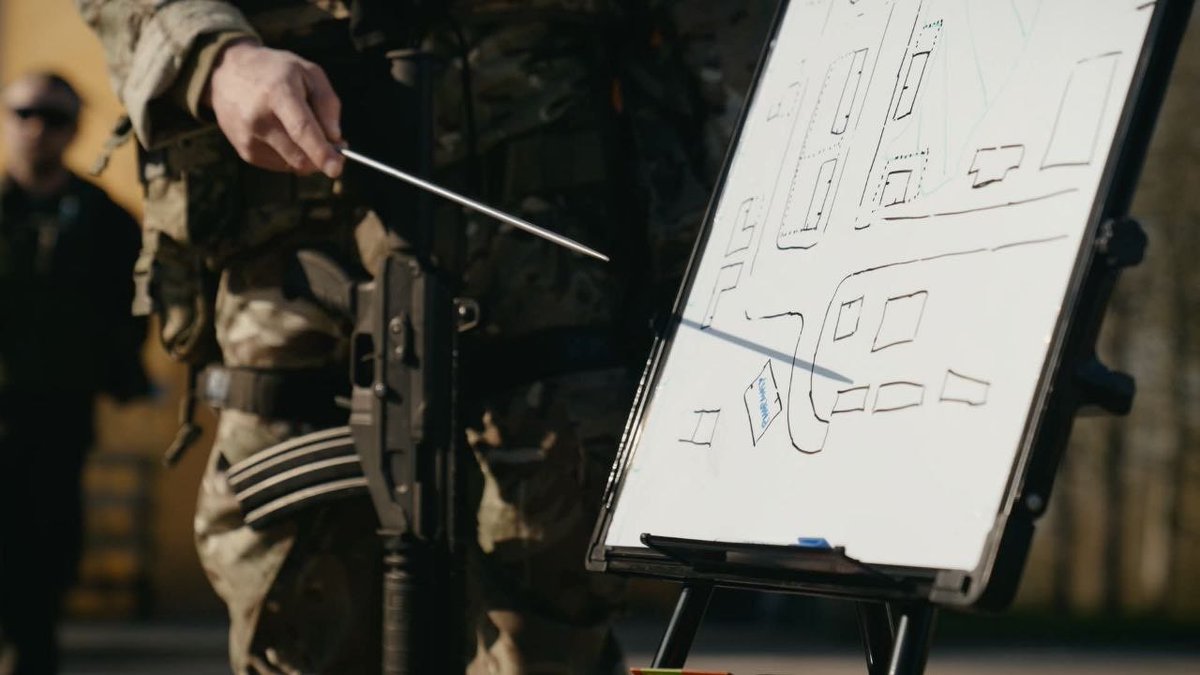
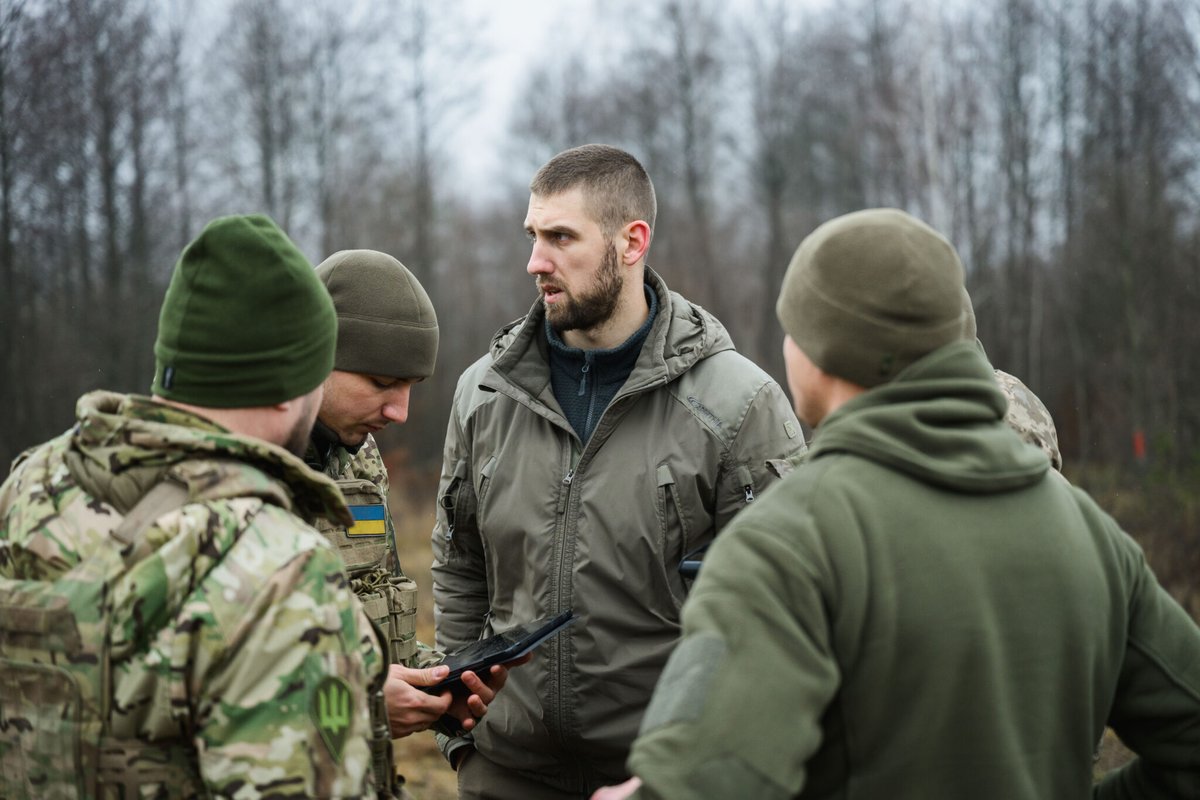
Ukrainian instructors conducted a live demonstration for international trainers under Operation Interflex in the United Kingdom — marking a shift from aid recipient to equal partner.👇
2/ What Ukraine brought to the table:
— Small-unit tactics in urban combat
— Fighting in forests with limited visibility
— Immediate response to ambushes
— Assault and keeping positions under fire
— Integration of reconnaissance and FPV drones into every phase of combat
All tested in real, high-intensity war.
3/ Why this matters
Ukraine is one of the few armies in the world fighting a full-scale, high-intensity war against a near-peer adversary.
This is not theory. It is live, battlefield-validated doctrine.
🇺🇦 Ukraine just did in 2 months what takes most militaries years🧵
Ukraine’s Ministry of Defence @DefenceU has deployed Mission Control — a unified AI-powered drone management system — across every single army corps and troop grouping on the front line.
Here’s why this is a bigger deal than it sounds. 👇
2/ WHAT IS MISSION CONTROL?
Mission Control is a digital command layer inside Ukraine’s DELTA battlefield ecosystem — a real-time intelligence and coordination platform Ukraine has been building since the full-scale invasion began in 2022.
It tracks every drone unit’s activity across the entire force and converts raw operational data into clean, actionable dashboards — available simultaneously from battalion level all the way up to the General Staff @GeneralStaffUA and Ministry of Defence @DefenceU .
3/ WHAT PROBLEM DOES IT SOLVE?
Before Mission Control, drone units filed manual reports — forms 5.31 and 5.32.
For an active unit, filling those tables + transmitting data up the chain took several hours per cycle.
Hours of admin work = slower decisions = lives at risk.
Mission Control eliminates that entirely. Data entered once → dashboard generated in minutes.
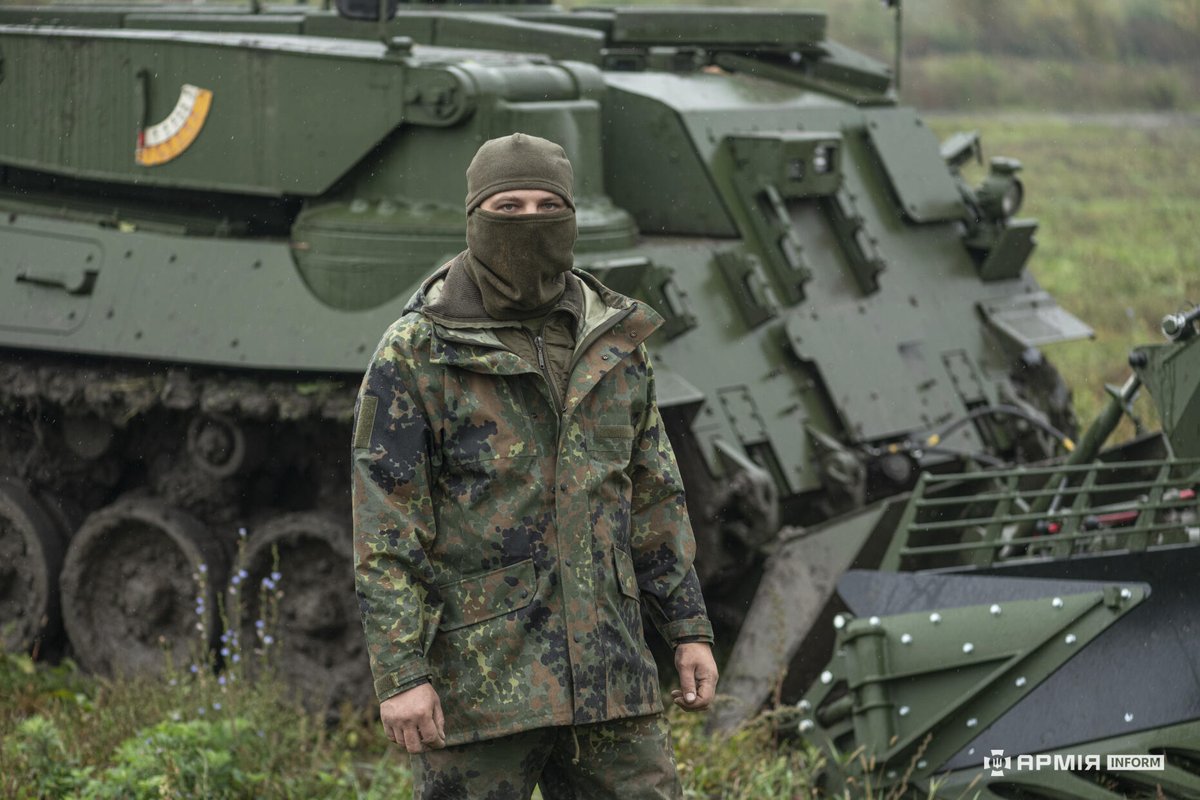
🇩🇪🇺🇦From German Engineering to Battlefield Reality: Lessons from Wisent in Ukraine
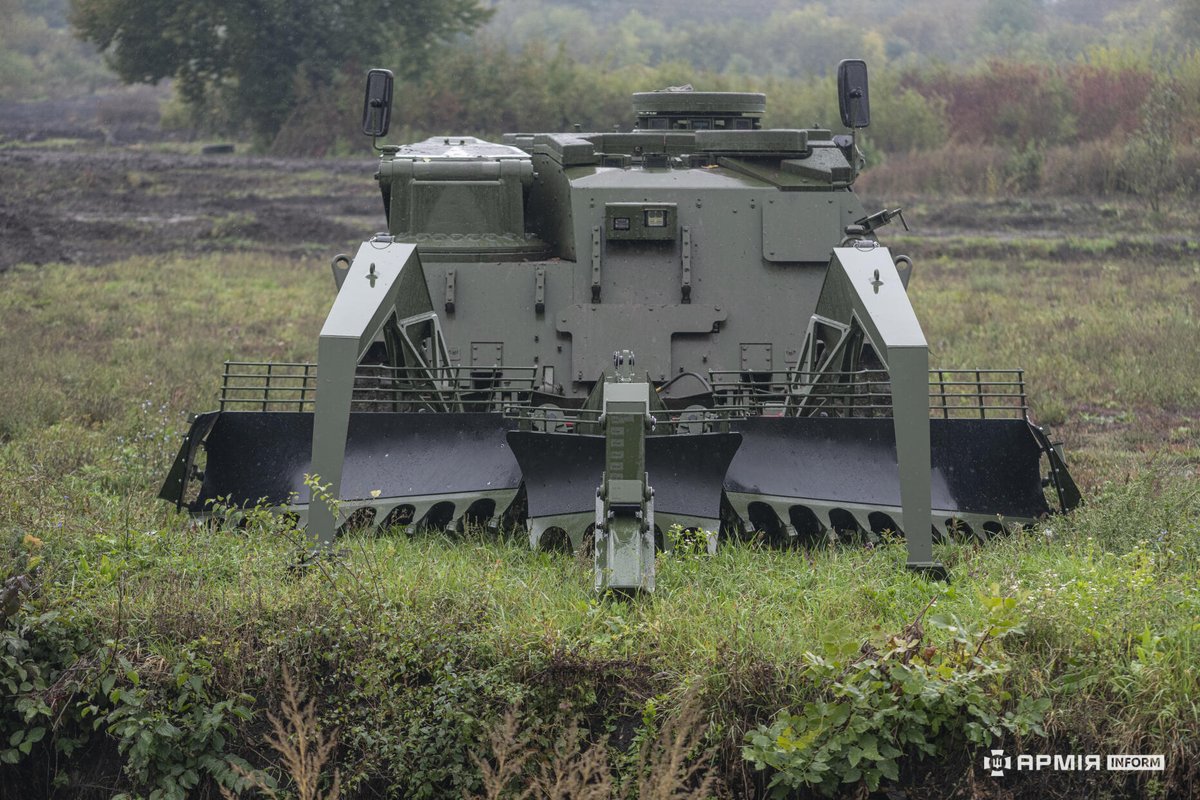
When Germany delivered the Wisent engineering vehicle to Ukraine, it was more than equipment transfer. It was the beginning of a real-time learning cycle under combat conditions.🧵👇
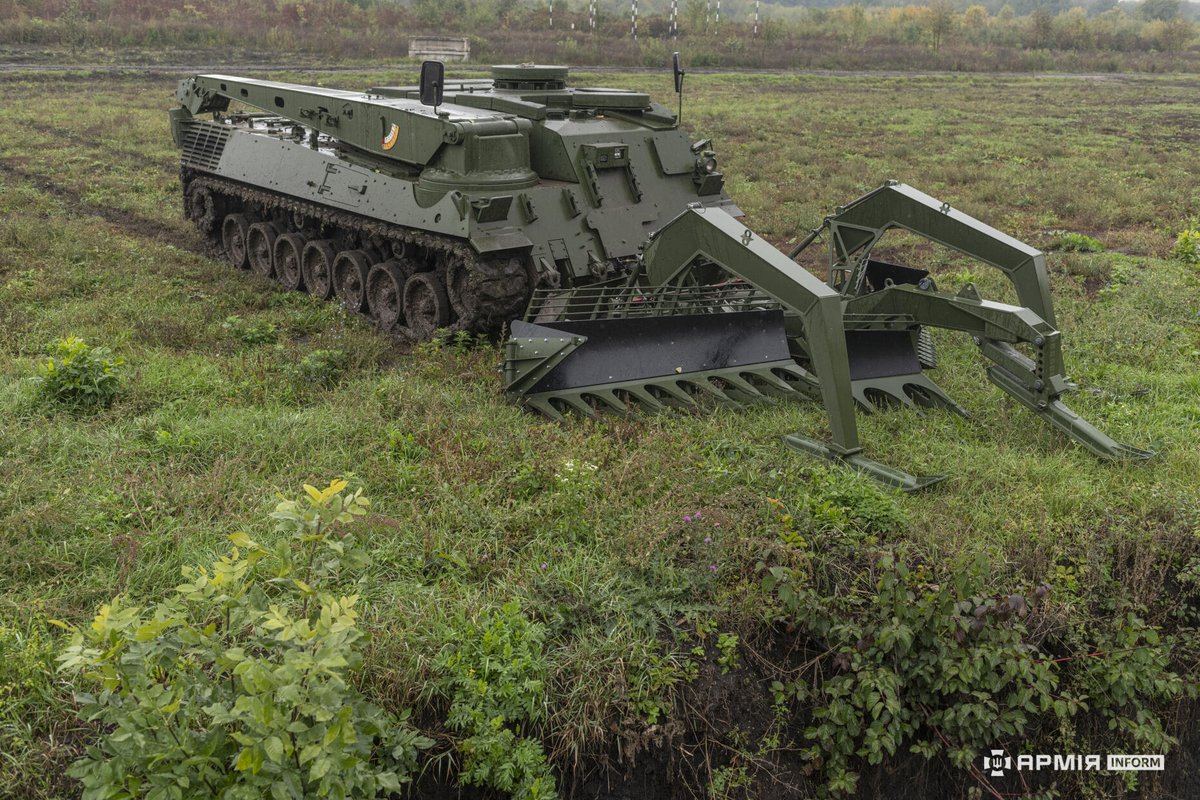
2 / Wisent — based on the Leopard 1A platform — is designed to restore mobility under fire. In Ukraine, that capability is tested daily.
“As soon as we hit a minefield, Wisent goes first,” says Oleksii, a Ukrainian instructor who trained in Germany.
“It clears a path by pushing mines aside with its teeth. Then it reverses on its own tracks — and armored vehicles follow.”
3 / Lesson learned #1: Mobility is survival.
In modern warfare, breaching minefields quickly determines whether an assault succeeds or stalls under artillery and drone fire.
Wisent often works in tandem with the German Biber bridge-layer.
“If there’s a mined area and a trench or river ahead, Wisent clears the way. Then Biber deploys the bridge. It’s teamwork,” Oleksii explains.
The russians have already lost 15 #T90M tanks in 🇺🇦 -
Andriy Rudyk, representative of the Center for the Research of Trophy and Prospective Weapons and Military Equipment of @GeneralStaffUA, during a briefing at @MilMediaCenter.
👉Media #announcement!
A briefing on the failed 🇷🇺 T-90M main battle tank with the participation of representatives of the Centre for Research on Trophy and Advanced Weapons will take place on March 16, 11:00 a.m., in the Military Media Center.
1/
Elements of the #T90M tank will be demonstrated at the briefing.
❗️Accreditation for media representatives is required and will be available until March 15, 6:00 p.m. Accreditation applications can be sent to psmodu@post.mil.gov.ua
2/
and must include: the name and surname of the media representative, the name of the media, AFU accreditation press pass number, the telephone number.
3/