#THREAD
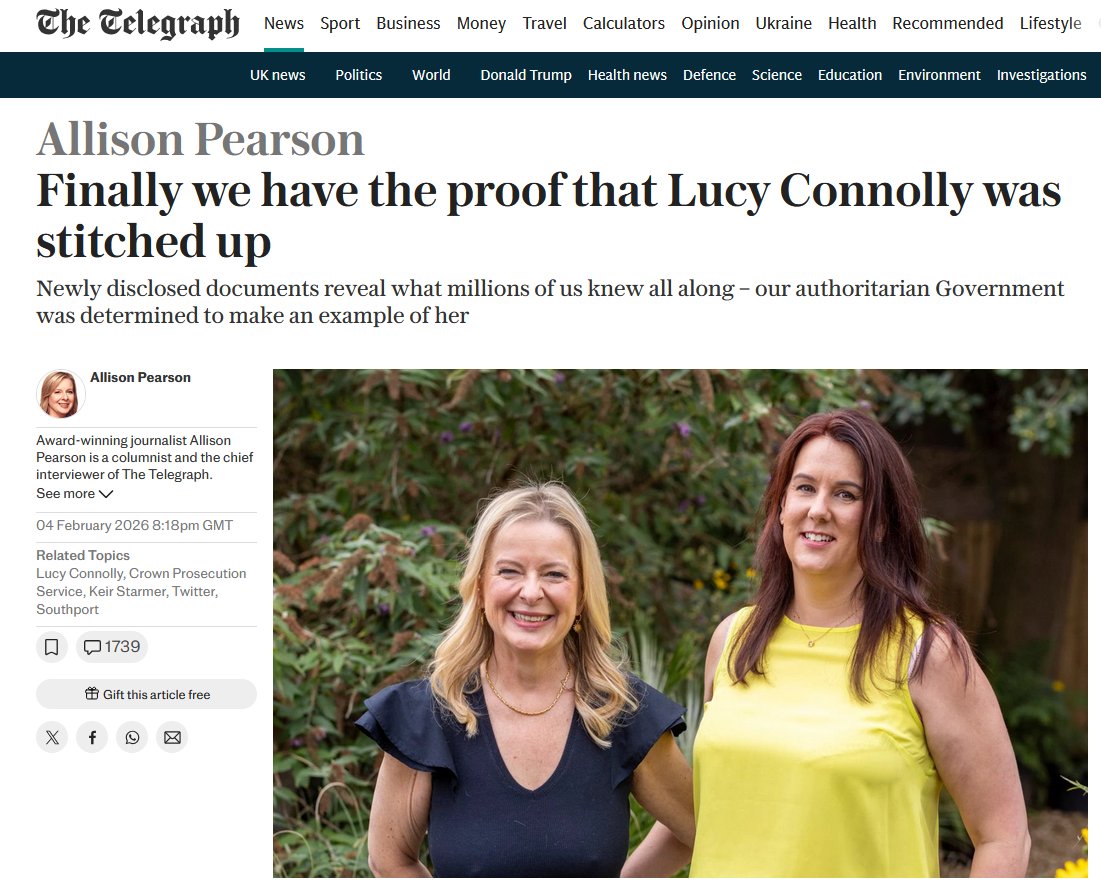
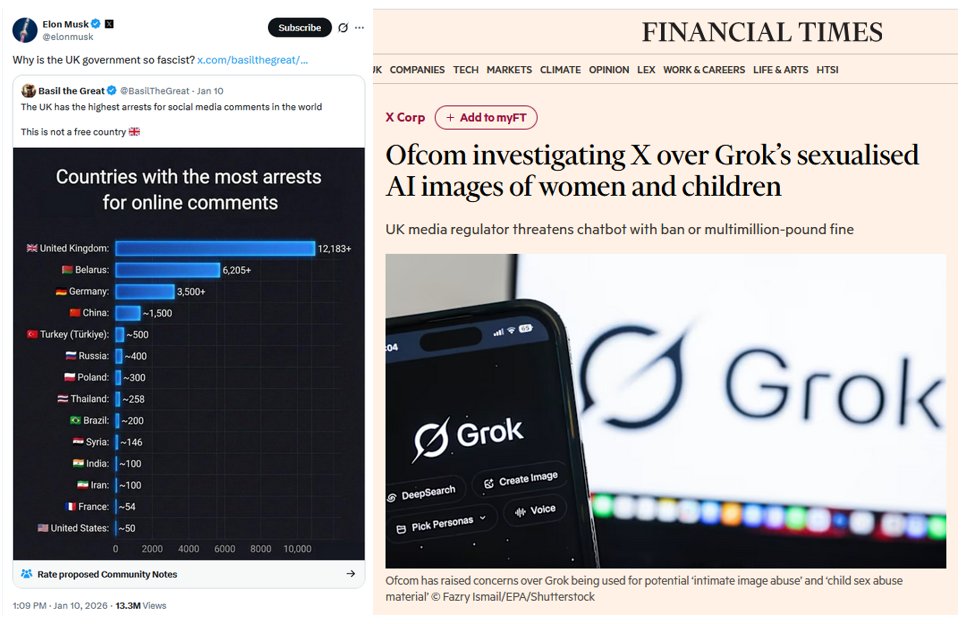
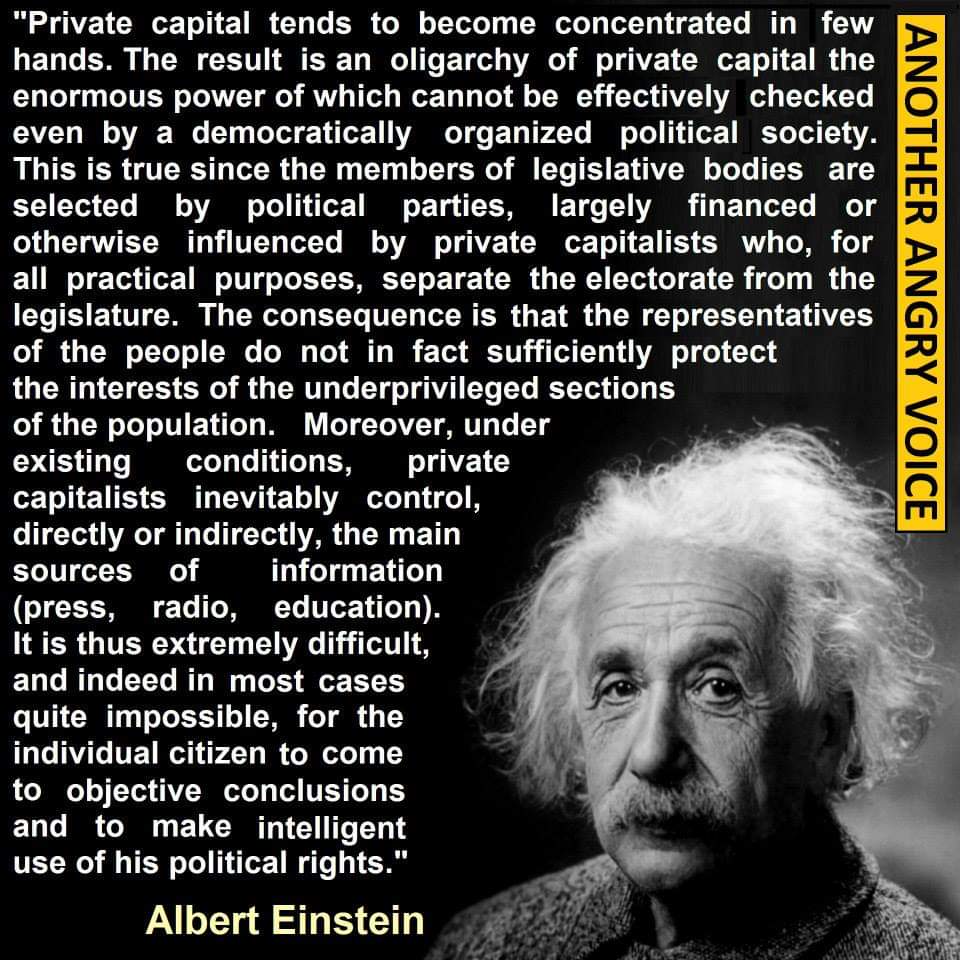
The foreign/non-dom billionaire-owned UK "news" media exists to protect & prioritise the interests of a handful of greedy, cruel, & grotesquely wealthy elites against #SocialDemocracy. But don't take my word for it, listen to Leonard Trelawny Hobhouse & Albert Einstein:
The foreign/non-dom billionaire-owned UK "news" media exists to protect & prioritise the interests of a handful of greedy, cruel, & grotesquely wealthy elites against #SocialDemocracy. But don't take my word for it, listen to Leonard Trelawny Hobhouse & Albert Einstein:

But what is 'social democracy'?
If you listened to representatives of the UK Govt, the right-wing UK media, or any of the usual 'outrage porn' culture war extremists, you'd think it was some kind of Marxist plot against humanity, because that's what voters are told to believe.
If you listened to representatives of the UK Govt, the right-wing UK media, or any of the usual 'outrage porn' culture war extremists, you'd think it was some kind of Marxist plot against humanity, because that's what voters are told to believe.

In reality, social democracy is the most successful, fair, & sensible political ideology to have come to prominence in the twentieth century, resulting in a sensible 'mixed economy', improvements in quality of life, & the reduction of wealth & opportunity #inequalities.

Social democracy is characterised as a political ideology that originally advocated a peaceful evolutionary transition of society from capitalism to socialism using established political processes, although this formulation has been significantly modified over the last century.
In the second half of the 20th century, following the the Wall St crash, the Nazi regime & WWII, there emerged a moderate version of the doctrine, generally espousing state regulation, rather than state ownership of the means of production, & extensive social welfare programs.

Based on 19th-century socialism & the tenets of Marx & Engels, while social democracy does share common ideological roots with communism, it opposes & fiercely eschews its militancy, authoritarianism, & totalitarianism - characterising social democracy as communism is absurd.
Social democracy was originally known as revisionism because it represented a change in basic Marxist doctrine, primarily in the former’s repudiation of the use of revolution to establish a socialist society.
The social democratic movement grew out of the efforts of August Bebel & Wilhelm Liebknecht who cofounded the Social Democratic Workers’ Party in 1869, which merged with the General German Workers’ Union in 1875 to form what became known as the Social Democratic Party of Germany.
Bebel imbued social democracy with the belief that socialism must be installed through lawful means rather than by force.
After the election of two Social Democrats in 1871, the party grew in political strength until in 1912 it became the largest single party in voting strength.
After the election of two Social Democrats in 1871, the party grew in political strength until in 1912 it became the largest single party in voting strength.
The success of the Social Democratic Party in Germany encouraged the spread of social democracy to other countries in Europe, including Britain.
The growth of German social democracy owed much to the influence of the German political theorist Eduard Bernstein.
The growth of German social democracy owed much to the influence of the German political theorist Eduard Bernstein.

Bernstein challenged the Marxist orthodoxy that capitalism was doomed, pointing out that capitalism was overcoming many of its weaknesses, such as unemployment, overproduction, & to some extent, the inequitable distribution of wealth.
Furthermore, ownership of industry was becoming more widely diffused, rather than more concentrated in the hands of the few.
Whereas Marx had declared that the subjugation of the working class would inevitably culminate in socialist revolution, Bernstein disagreed.
Whereas Marx had declared that the subjugation of the working class would inevitably culminate in socialist revolution, Bernstein disagreed.
Bernstein argued that success for socialism depended not on the continued & intensifying misery of the working class, but rather on eliminating that misery, noting that social conditions were improving, & that with universal suffrage the working class could establish socialism.

Despite fierce opposition from the press baron brothers Alfred & Harold Harmsworth, to both universal suffrage & the Liberal's plans to bring in a welfare state based on the German model, Britain's Liberal Party won a landslide victory in the 1906.
https://twitter.com/docrussjackson/status/1513541964620251143?s=20&t=oduLSo3uyrfbdiMcmY4sfw
The violence of the Russian Revolution of 1917 & its aftermath precipitated the final schism between the social democratic parties & the communist parties.
After WWII, social democratic parties came to power in many western European nations eg West Germany, Sweden, & Britain.
After WWII, social democratic parties came to power in many western European nations eg West Germany, Sweden, & Britain.

The western European social democratic parties - in Britain Clement Attlee's transformative @UKLabour Party - laid the foundations for a much fairer & much more equal society by introducing radical modern European social welfare programs, including in Britain, our amazing #NHS.

With its ascendancy, social democracy changed gradually, most notably in West Germany. These changes generally reflected a moderation of the 19th-century socialist doctrine of wholesale nationalisation of business & industry, leading to a functional & effective 'mixed economy'.
Although the principles of the various social democratic parties began to diverge somewhat, certain common fundamental principles emerged: in addition to abandoning violence & revolution as tools of social change, social democracy took a stand in opposition to totalitarianism.
The Marxist view of democracy as a “bourgeois” facade for class rule was abandoned, & democracy was proclaimed essential for socialist ideals. Social democracy adopted the goal of state regulation of business & industry as sufficient to further economic growth & equitable income.
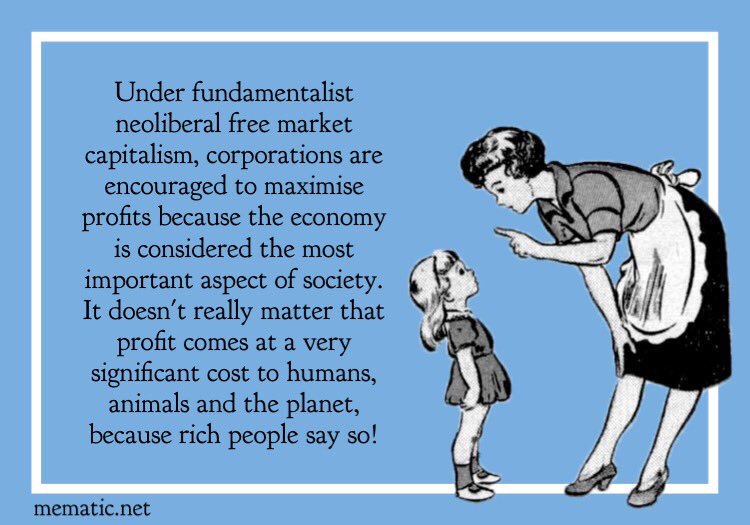
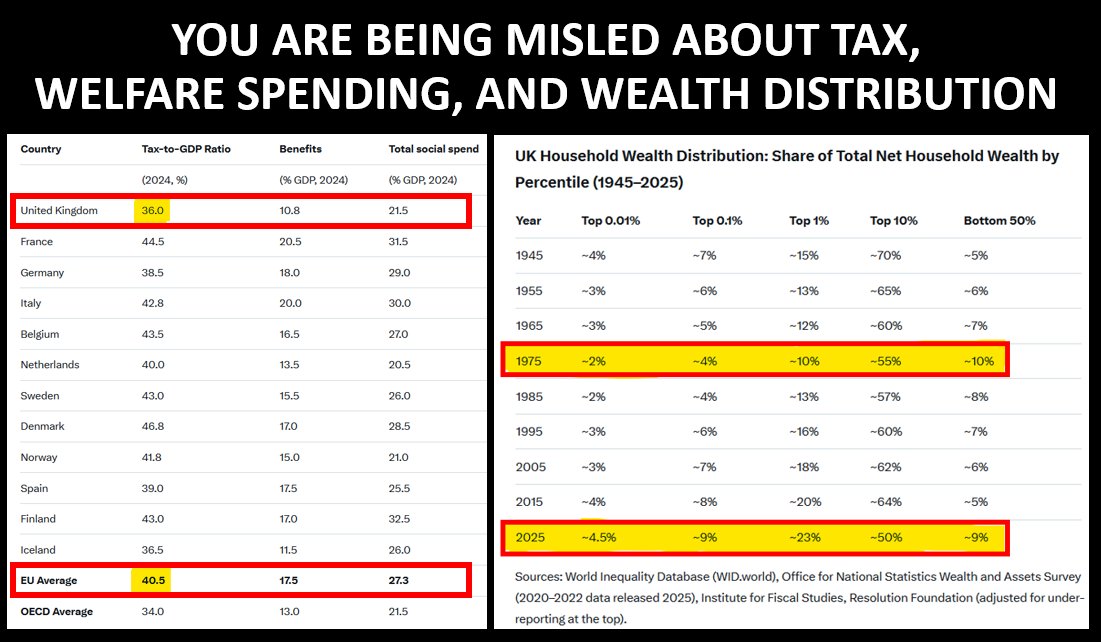
Social democracy delivers fairer societies, & better-informed, happier citizens, & is still dominant across much of western Europe - as it was in the UK & USA until the 1980s, since when, power & wealth has again become concentrated in the hands of elites.
https://twitter.com/docrussjackson/status/1537697600798957568?s=20&t=oduLSo3uyrfbdiMcmY4sfw
• • •
Missing some Tweet in this thread? You can try to
force a refresh