Nick Norwitz MD PhD Profile picture
Nov 6, 2022 11 tweets 8 min read Read on X
🚨 NEW! Lean Mass Hyper-Responder Editorial🚨

👉 10 MD & PhD authors from 4 countries🌍coming together for 1st of it's kind Consensus Statement on #LMHR

👉 Published in official Journal of the National Lipid Association @LipidJournal

A thread 🧵👇
authors.elsevier.com/a/1g22A6tb2E2O… Image
2/ A bit of background to catch some of you up

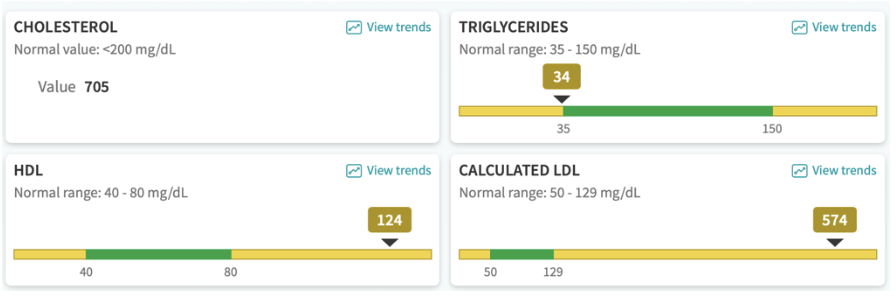
Over the past 6 years a population of people has emerged who demonstrate ⬆️ LDL on a #ketogenic diet in the context of ⬇️TG +⬆️HDL

Phenotype was first observed by @realDaveFeldman and (historically) named Lean Mass Hyper-Responders Image
3/ 1 year ago, we started researching #LMHR more formally, and in this year, we've published 4 prior papers

Cohort Study
pubmed.ncbi.nlm.nih.gov/35106434/
Case Report
pubmed.ncbi.nlm.nih.gov/35498420/
Cholesterol drop protocol
pubmed.ncbi.nlm.nih.gov/35938774/
Lipid Energy Model
pubmed.ncbi.nlm.nih.gov/35629964/
4/ With this editorial we take the NEXT STEP in providing an expert consensus of 10 MD + PhD authors on topic of #LDL in #LMHR on a #ketodiet, including incredibly highly respected members of the Lipidology community
authors.elsevier.com/a/1g22A6tb2E2O…
5/ Major take-aways:

A prudent PATIENT-CENTERED clinical approach is required for managing #LMHR patients

The #LMHR phenomenon deserves FURTHER RESEARCH, both on mechanism and risk, and has potential to teach us much about human lipid metabolism and ASCVD
6/ Some of my favorite linesare as follows 👇

"LMHR provide[s] a unique opportunity to understand LDL-c dynamics beyond what has previously been possible”

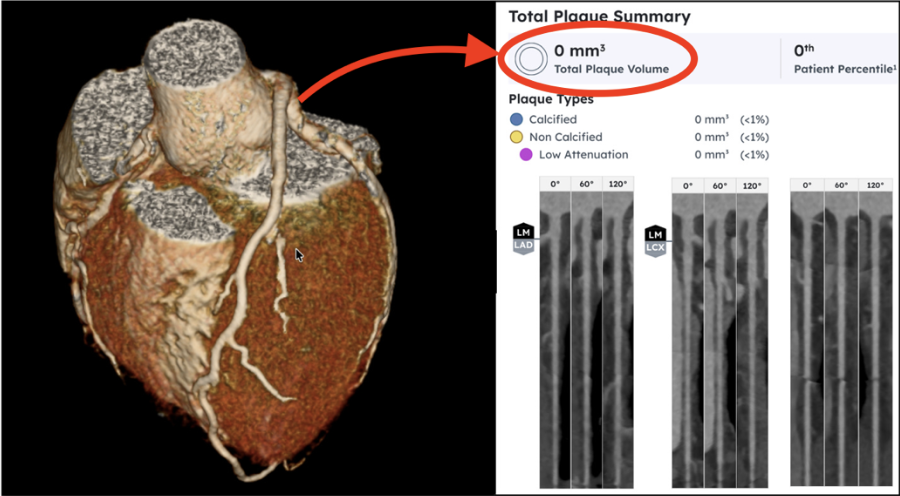
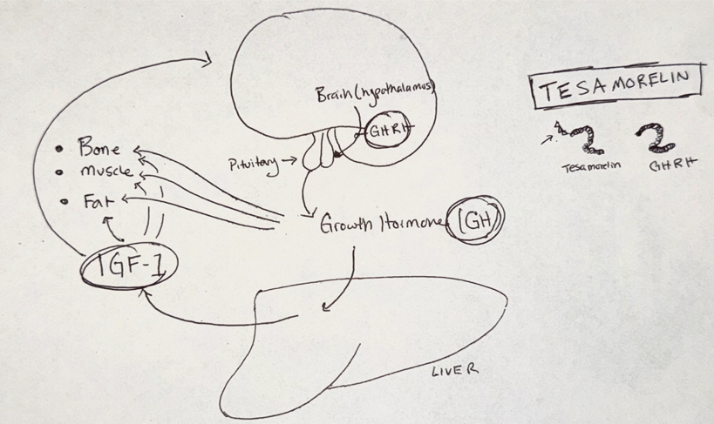
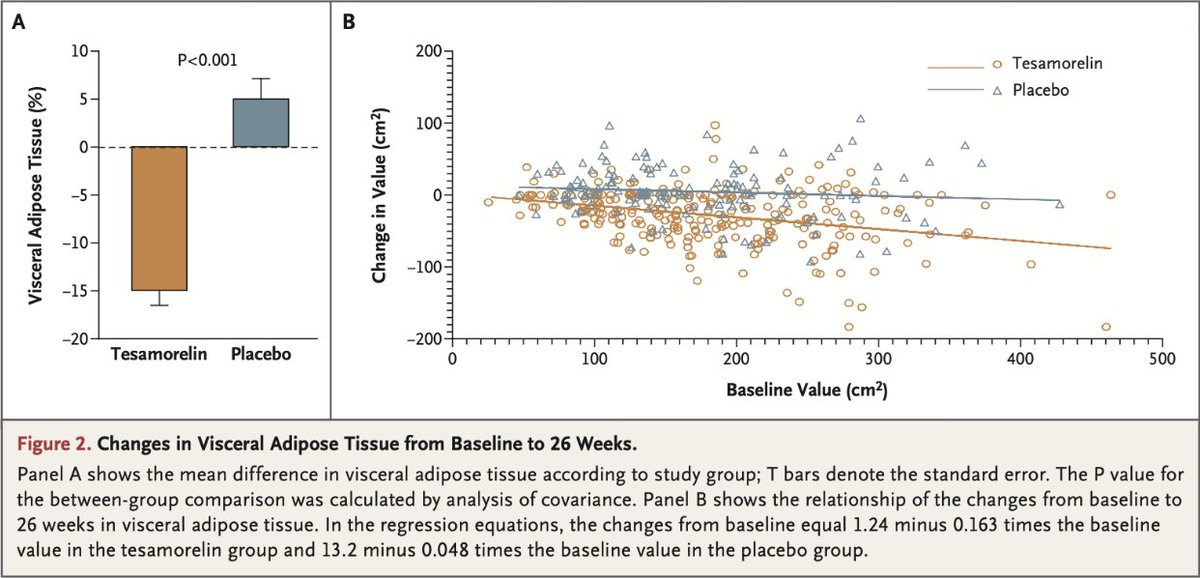
“where there are competing medical conditions, weighing of treatment options should be an individual matter” ImageImageImageImage
7/ It was a true pleasure to put together this editorial with my coauthors @MichaelMindrum, Dr. Giral, Professor Anatol Kontush, @AdrianSotoMota, @DrRagnar (Tommy Wood), @DominicDAgosti2, Dr. Manubolu, @BudoffMd, and Dr. Ronald Krauss. I cannot speak highly enough of this team Image
8/ I also want to give a HUGE shout out to the LMHR Facebook group + @realDaveFeldman who collectively helped to fund the open access fee despite being blinded to article itself and purely out of a devotion to open-access science and in moving this particular discussion forward
9/ Also, check out Dave's 2:29 min video here. Always high production quality!

10/ I will have more to say on this editorial in the coming days and weeks, but for now I encourage you to read it for yourself (it's concise!) and help to amplify this important discussion! 🙏🙏🙏
authors.elsevier.com/a/1g22A6tb2E2O…

• • •

Missing some Tweet in this thread? You can try to force a refresh

 

Keep Current with Nick Norwitz MD PhD

Nick Norwitz MD PhD Profile picture

Stay in touch and get notified when new unrolls are available from this author!

Read all threads

This Thread may be Removed Anytime!

PDF

Twitter may remove this content at anytime! Save it as PDF for later use!

Try unrolling a thread yourself!

how to unroll video
  1. Follow @ThreadReaderApp to mention us!

  2. From a Twitter thread mention us with a keyword "unroll"
@threadreaderapp unroll

Practice here first or read more on our help page!

More from @nicknorwitz

Jan 15
Dr @PeterAttiaMD recently published an article entitled, "Pitting facts against sensationalism regarding the role of LDL cholesterol in ASCVD"

1/9) Peter opens with a quote: “We must admit that our opponents in this argument have a marked advantage over us. They need only a few words to set forth a half-truth; whereas, in order to show that it is a half-truth, we have to resort to long and arid dissertations.” ― Frédéric Bastiat

I could not agree more.

That's the purpose of today's letter... to discuss Where's the Nuance, Really?!

Specifically, where is the nuance on Longevity, Cholesterol and ApoB?

What follows is a teaser for a 25 page, 4000 word "long and arid dissertations" -- linked in 7/9 🔗

Punchline: When talking about deceptive simple messaging and biased narratives, medicine should look in the mirror as well.

Let's begin...Image
2/9) Here's where I want to start: The three dumbest words in medicine are: “Lower is better.”

This refers to lowering LDL cholesterol or ApoB.

It’s medical clickbait—seductive, oversimplified, and deeply devoid of nuance. Image
3/9) But better for what? How much better? And how are we lowering it?

“Better” typically means cardiovascular outcomes only—not brain health, not metabolic health, not overall healthspan or lifespan.

“How much better” matters too. Saving 1 life per 10,000 patients treated vs 1 life per 10 treated are radically different facts in a risk‑benefit calculation—yet both get flattened into “better.”

It’s like comparing getting a double-yolk egg to the birth of your child. Stupid.
Read 9 tweets
Jan 13
“You are going to die young.”

1/8) The first time I heard those six words, they were jarring. I was 23.

The insult that provoked that perceived threat was a single number on a lab report: my LDL cholesterol (LDL-C).

After I started a ketogenic diet (June 1, 2019), my LDL-C more than tripled from 95 mg/dl to 321 mg/dl.

Link at the end...Image
2/8) The logic was straightforward:

If I allowed my LDL-C levels to remain in the stratosphere, I would inevitably develop cardiovascular disease and die of a heart attack—young.

The question is this: Does LDL—or more accurately, ApoB—kill?

It sounds like an easy question. But it isn’t.
3/8) Now, there is controversy about the relationship of ApoB to All-Cause Mortality (ACM), or death by any cause.

Some people note that there’s a J-shaped relationship between ApoB and ACM and read into this that lower ApoB might not necessarily be better. Image
Read 8 tweets
Jan 11
🚨The New Dietary Guidelines Are Internally Inconsistent

1/7) Publicly, RFK Jr. says “we’re ending the war on saturated fat.” The iconic food pyramid has been flipped, with butter and beef now at the top.

But read the actual guidelines, and you’ll find the exact same restriction: saturated fat still capped at 10% of daily calories. No change.

(People may not like this thread or the linked long-form letter. But I'm not here to pander or choose political sides. I'm here to seek the clarifications I know Americans want and to 'tough love' this step in the right direction into a proper leap...)

cc @RobertKennedyJr @HHSGovImage
2/7) How can one recommend:
👉Cooking with butter and tallow
👉Eating full-fat dairy three times a day
👉Prioritizing red meat…

🚨Yet still limit saturated fat to 10% of calories? That’s not an opinion. The math doesn’t math?!

Full Breakdown: staycuriousmetabolism.substack.com/p/the-new-diet…
3/7) Other surprises you might have missed:

The sodium cap? Still 2,300 mg/day.

There's still a minimum serving of whole grains

Yes, there are changes. But this isn’t the radical inversion it’s being made out to be. My two cents.

I’m not saying that’s bad. It just is. Image
Read 7 tweets
Jan 10
1/10) No word yet from 'Dr' Johnson. So, I've decided to use this as a springboard to deeper learning.

Quick review: in a recent Twitter exchange between @chamath and @bryan_johnson, Bryan proclaimed: “Definitely do not stop statins.”

Today, we deconstruct common logical missteps that could lead to this misguided medical mandate.

A 🔗 to the full letter is at the end.

This won't be shallow reaction content, but an opportunity to dive deep...Image
2/10) Main Point #1: Causality is Overrated

Just because a molecule or biomarker plays a causal role in a disease process does not mean it is sufficient to cause disease.

More importantly, it does not mean intervention is the prudent path.

The presence of a “causal” variable does not ensure disease nor is the treatment benign.Image
3/10) Let me emphasize the point with an intentionally absurd analogy.

A penis is part of the causal pathway by which a biological male contracts a sexually transmitted disease. Amputation of the causal variable will reduce STD risk.

But in this case, as with the case of LDL cholesterol, presence of the causal variable does not ensure disease nor is the treatment benign.
Read 10 tweets
Jan 8
Can TUDCA Really Slow Atherosclerosis? 🫀

1/6) The bile acid and supplement, TUDCA, has the potential to reduce atherosclerosis.

And it appears to do so not by lowering cholesterol, but by reducing inflammation inside arteries. (Red = fatty deposits in arteries)...🔗 in 6/6 Image
2/6) In atherosclerosis, macrophages in the artery wall take up too much oxidized LDL.

This can trigger *ER stress* and activate inflammation, pushing the macrophages into *foam cells* that are a cause and hallmark of atherosclerosis.Image
3/6) In TUDCA supplementation experiments, TUDCA did not alter total cholesterol or LDL cholesterol levels but led to a significant reduction in arterial fatty deposits in arteries (red staining). Image
Read 6 tweets
Jan 6
5 Things to Know About Cholesterol-Lowering Drugs 🧵

1/6) Statins are the go-to prescription — but with baggage.
They can:
👉Deplete GLP-1
👉Cause insulin resistance
👉Trigger muscle pain/damage and potentially muscle loss

These risks aren’t often mentioned, but they should be part of a real cost-benefit analysis.

🔗 to the letter at the end, including all hyperlinked referencesImage
Image
Image
2/6) Lp(a) and Drug Effects
👉PCSK9 inhibitors = tend to lower Lp(a)
👉Statins = tend to raise Lp(a)
This often-overlooked detail could matter a lot depending on your individual risk profile. Image
3/6) Ezetimibe blocks cholesterol absorption in the gut — both dietary and recirculated. Liver compensates by increasing LDL receptors.

Its effects are usually modest compared to statins and PCSK9 inhibitors, but if you're low-carb/high-fat you’re naturally recirculating more cholesterol + bile.

Thus, if you’re low-carb, ezetimibe becomes a much more powerful tool for ApoB and LDL lowering.Image
Read 6 tweets

Did Thread Reader help you today?

Support us! We are indie developers!


This site is made by just two indie developers on a laptop doing marketing, support and development! Read more about the story.

Become a Premium Member ($3/month or $30/year) and get exclusive features!

Become Premium

Don't want to be a Premium member but still want to support us?

Make a small donation by buying us coffee ($5) or help with server cost ($10)

Donate via Paypal

Or Donate anonymously using crypto!

Ethereum

0xfe58350B80634f60Fa6Dc149a72b4DFbc17D341E copy

Bitcoin

3ATGMxNzCUFzxpMCHL5sWSt4DVtS8UqXpi copy

Thank you for your support!

Follow Us!

:(