I am still trying to understand how the Hamline Islamic art controversy happened, and I am now wondering if there is a local gendered and racial context. Hypothesis: Hamlin Administrators and students, many of them self-identifying Black women, keep referring to 🧵
anti-Black racism and violence in explaining why showing the image is Islamophobic.
The signifier, the decision of an instructor to show the image, was interpreted as anti-Muslim (the signified) because in the Twin Cities, anti-Muslim animus has a particular anti-Black valence.
Think of the anti-Somali, anti-Ilhan animus. It is also meaningful that this anti-Black, anti-Muslim animus in Minnesota focuses on Black women’s bodies—both at the local level but also nationally, as in the constant death threats that Rep. Omar faces.
In this context, the showing of the image is genuinely felt as an attack on the entire Muslim community, the “body” of the umma, as it is understood in this local context. It actually hurts, whether supporters of free speech wish to acknowledge that or not.
Acknowledging this hurt and encouraging dialogue while also defending the instructor, who was deeply respectful of students, was an opportunity for better community building. It still is, if @HamlineU will will try to meet the challenge.
• • •
Missing some Tweet in this thread? You can try to
force a refresh

An anonymous African poet’s lament for the people of Palestine:
Jerusalem, 2021
I saw thousands of prayers rise up like flares
nightly, o’er an iron dome
Then dozens of souls, the young and the old
dispatched by hearts colder than stone
The Prophets gathered on mount and valley
In spirit and deep in the bones
As Pharaohs parade in Moses’ clothes,
new Edomites tear down old homes1
The spirit of God moves over the gas
that’s made tears flow into salt seas
The Temple Mount groans, Aqsa’s boulders moan
and even the olive trees weep
How can we sing the old songs of joy
in lands without justice or peace?
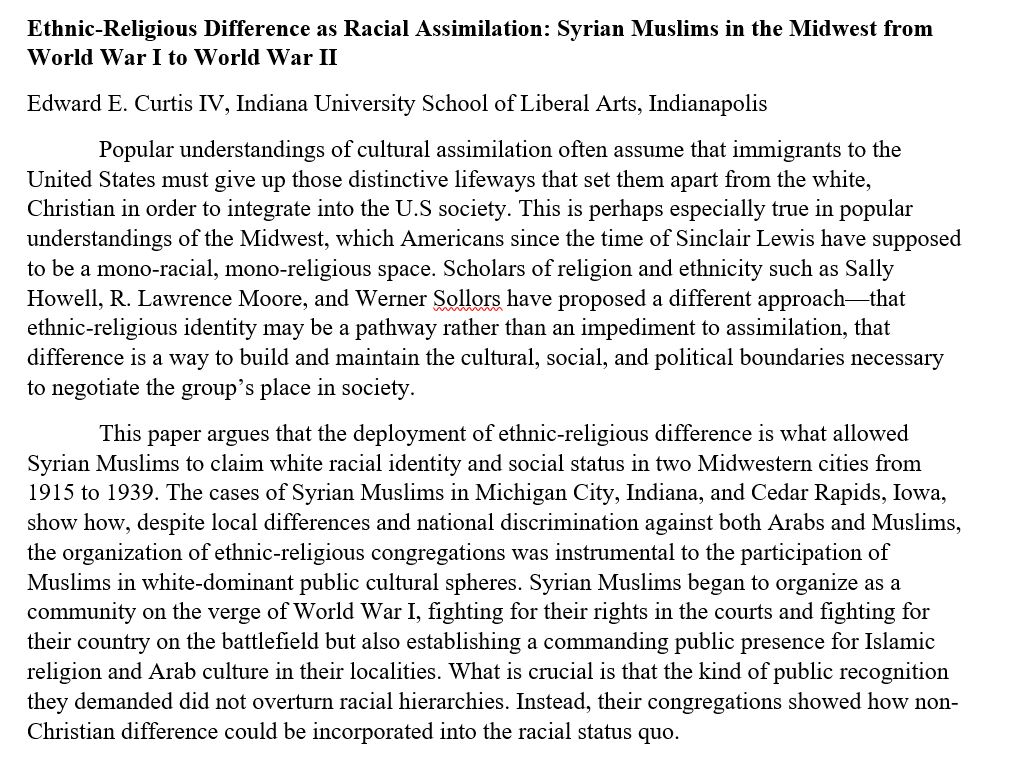
Rana Razek, Sally Howell, and I invite you to ur panel on race and religion in the Arab American Midwest. Thursday, May 27, 9 am on Zoom. It's free. Link and abstracts below. #sschat#amrel#arab#Islam
Today there is a general strike in Palestine for freedom. For my part, let me explain how I came to support peaceful boycotting, divestment and sanctions against Israeli institutions. For me, it’s a way to live out my deepest values of love and justice.... Thread
First, many do the Palestinian communities and leaders whom I admire the most asked me to observe the boycott. When they did, I was ready. I started formally studying Palestine in high school—my prep school had a whole class on what they called the conflict.
In 1992, I went to live for a semester with a family in Beit Safafa, a neighborhood of Jerusalem divided in the 1948 by Jordan and Israel. Most days I took Bus 14 in Talpiot to Kikar Zion where my study abroad office had an office. This is the downtown of modern West Jerusalem.
Midwestern solidarity with Palestine, a history....
It was in local chapters of the New Syria Party in which Midwesterners and Arabs from other regions organized for Palestinian and Syrian self-determination in the 1920s.
Not all Arabic-speaking Americans were fans of the revolt or the New Syria Party. For example, in 1927 Maronite Christians in Cincinnati opposed the party and its VIP guest, Shakib Arslan.
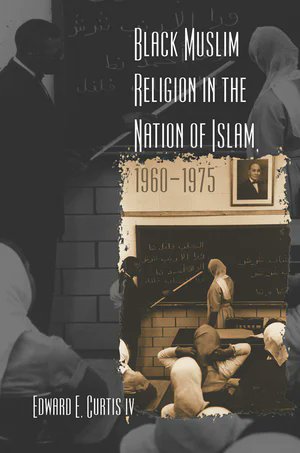
The history of the Nation of Islam (#NOI) *helps* to explain why some U.S. African Americans do not want a foreign substance injected in their arms. #COVID19
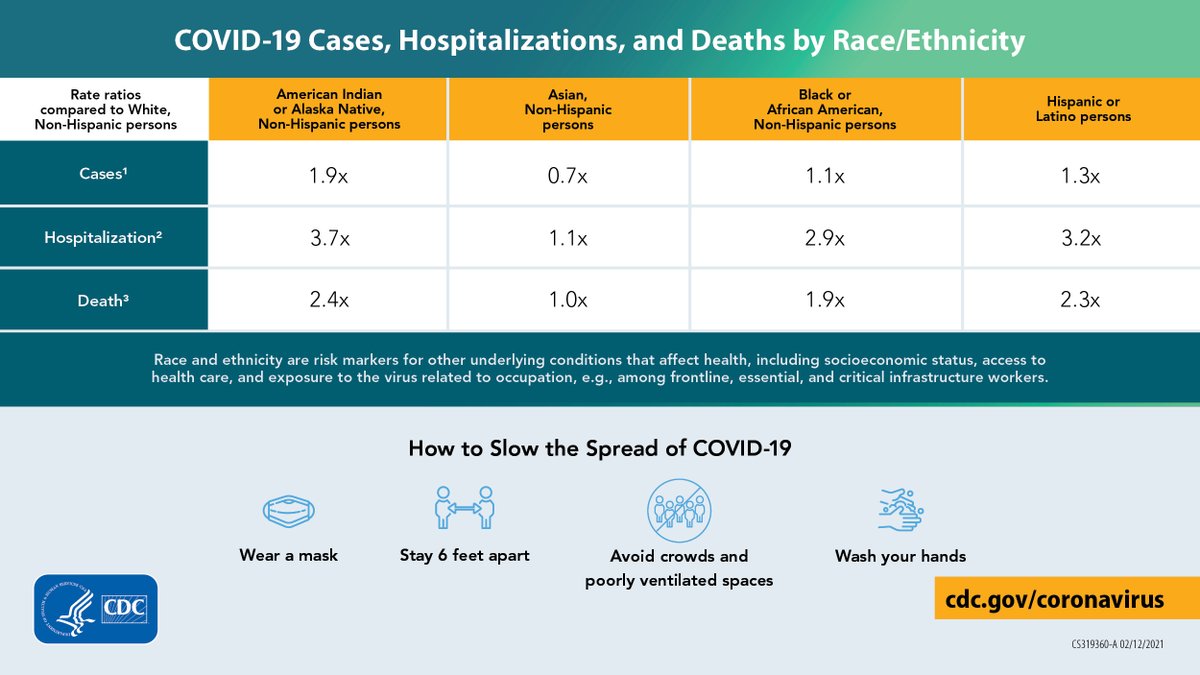
As @COVIDBLK and others have revealed, the horrible impact of #COVID19 has had on Black people is due to the health care system's anti-Black racism as well as social and economic racism.
Any "cultural explanation" that blames Black people for #vaccinehesitancy repeats racism.
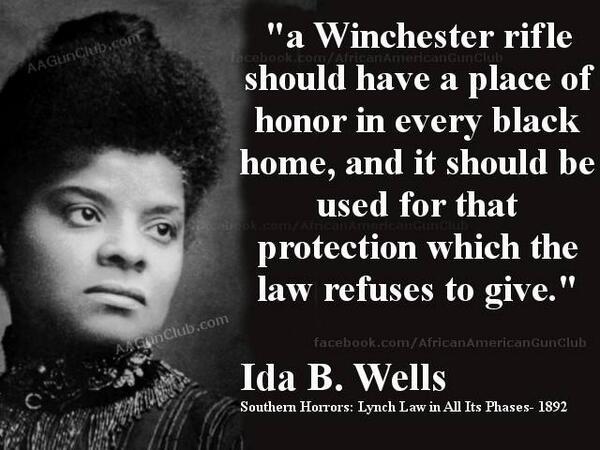
The assault on Black people's bodies is a pillar of U.S. culture. And since forever, Black people have developed cultural, social, political, and economic strategies--from root work to community organizing--to protect the Black body.