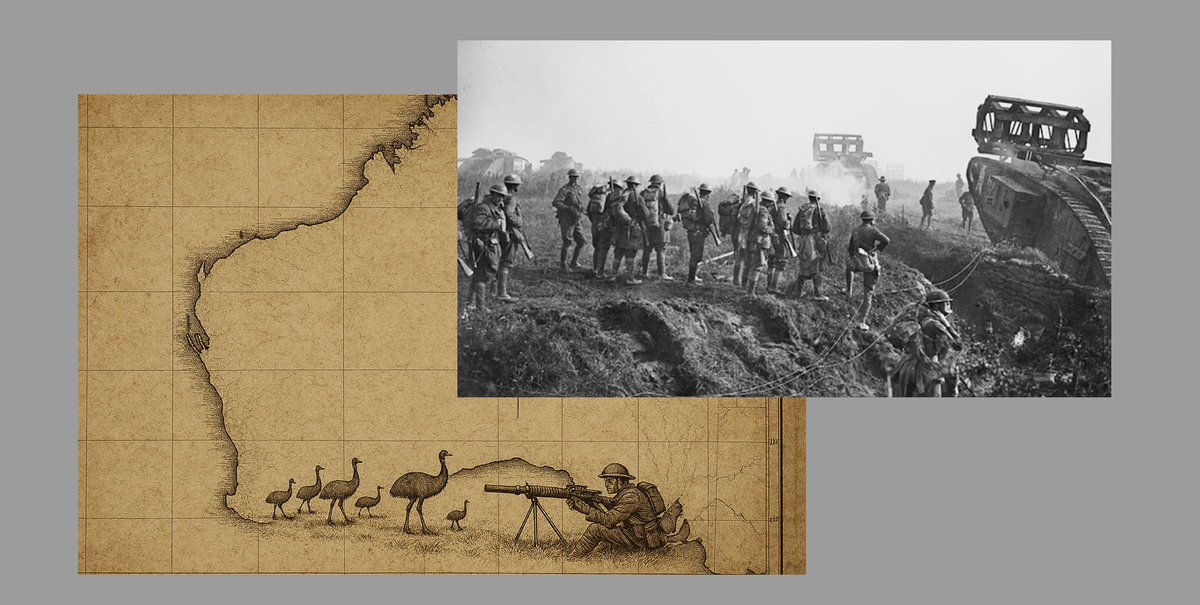
The Battle of #Bakhmut has now raged since August 2022. The massive human and material resources expended by Russians on this objective may soon necessitate a Ukrainian withdrawal. 1/25 🧵 

2/ Back in October last year, I examined how withdrawals are conducted and some of their considerations for the Russians in Kherson. I will apply a similar approach for the Ukrainian Armed Forces in #Bakhmut. washingtonpost.com/world/2023/03/…
3/ Withdrawals, which are considered a ‘retrograde operation’ in US Army doctrine, are designed to allow a force to disengage from the enemy and redeploy on a new mission or to a new location, while minimising casualties.
4/ This quote from Australian Army doctrine is also useful: “Withdrawal is a task employed regularly during mobile defence or the delay to accomplish the overall aim of resuming offensive action…it should be treated as a routine tactic rather than a harbinger of disaster.”
5/ For #Ukraine, holding onto Bakhmut would have had a political imperative. This battle has been invested with political value by both sides – although only one President (@ZelenskyyUa) has had the courage to visit his troops there.

6/ The battle for the town and area around it has also been the source of an open, vicious campaign of smears between the Russian Army and the Wagner Group. politico.com/newsletters/na…
7/ But the battle has also allowed #Ukraine to attrit the Russian forces in the east, forcing them to continue committing resources to the battle for a town with almost no strategic value. This has absorbed Russian units that might have been used elsewhere against the Ukrainians.
8/ It has blooded the Russians (Army and Wagner) in a way that they have not experienced since WW2. By some reports, their slow, methodical and frankly, unnecessary, campaign for Bakhmut has resulted in over ten thousand Russian casualties. english.elpais.com/international/…
9/ But at some point in the coming days, the Ukrainian Armed Forces may decide that they have achieved all they can by remaining in their defensive locations around #Bakhmut, and that force preservation for the battles that follow is more important.

10/ Once a decision is made to withdraw, what are the planning considerations?
11/ First, deception is vital. The reality is however that it is hard to conceal from the Russians an intention to withdraw. Some deception might be achieved by increased fire support, decoys, simulating normal activities and communications discipline.
12/ A second consideration is how to sequence the withdrawal. This includes when and how to evacuate logistic stocks, headquarters, recon elements and ground combat forces. It will depend on where and in what strength the enemy is pressing the force that is to withdraw.
13/ For the Ukrainians, it is likely some of this has already been done. But the Ukrainians will need enough forces in place – with their own mobility - to prevent a rout but not so much that they lose a large part of the force.
14/ A third consideration for the Ukrainians will be disrupting the Russians ability to interfere with the withdrawal. We should expect to see increased air defence, jamming & artillery used by the withdrawing Russians, as well as greater air support.

15/ A 4th consideration will be command & control. This isn’t just about who is in charge. It is about controlling an orderly withdrawal in the planned sequence. MPs are vital for road space control, route discipline, and ensuring units don’t ‘vacate’ defensive positions early.
16/ Achieving control is also about good battle discipline. Tactical leaders at all levels must hold their positions until their assigned withdrawal time. This can be very difficult when there is a strong inclination to move rearwards earlier than a plan directs.
17/ The Ukrainians will want to achieve a ‘clean break’. This is disengagement of the Russians in a way that avoids their ability to follow up & pursue the withdrawing force. A lot of artillery, attacking concentrations of Russian reinforcements & fire support will be required.
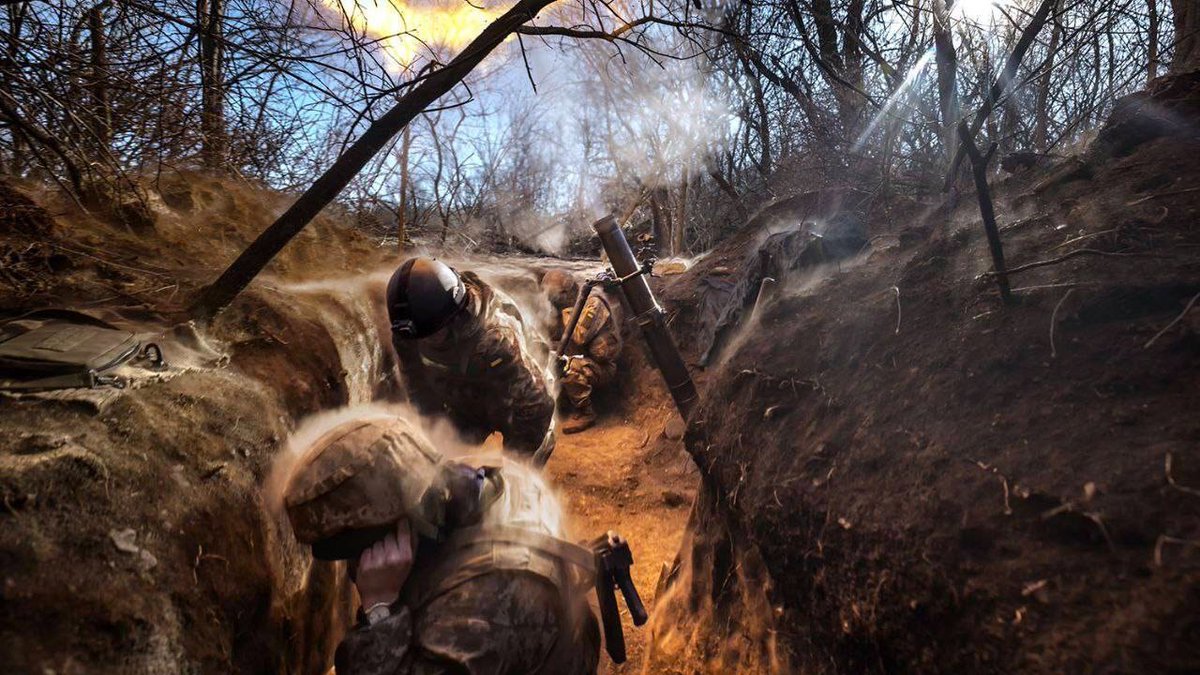
18/ Key to achieving a clean break is an effective rear guard. A rear-guard force can help provide a clean break for the withdrawing force and prevent enemy pursuit. I would expect that for the Ukrainians, the rear guard will consist of armoured and mounted infantry forces.

19/ Ultimately, a successful withdrawal requires excellent planning and coordination. But this is underpinned by good leadership at all levels. But concept for how the withdrawal will be sequenced and executed must be unified and led by a senior commander.

20/ This senior commander must have excellent tactical acumen, good understanding of the terrain and a good appreciation of the capabilities of the withdrawing force. He must understand that getting it wrong can result in the loss of the entire withdrawing force.
21/ The reality is that if the Russia captures #Bakhmut, they are seizing rubble. It is a town with little strategic importance & no infrastructure to support a force. That the Russians have invested so much in its capture speaks volumes about their poor #strategy in this war.
22/ For the Ukrainians, they will be withdrawing into defensive zones around #Kramatorsk that they have had eight years to prepare. Eight. Years. And it is on higher, more defensible ground than Bakhmut.
23/ While Ukraine may lose a town, the Russians have lost much more over the course of the battle. They have wasted military units, soldiers and resources that would have been valuable to them once the Ukrainians launch their offensives later in the Spring.
24/ The irony of this battle is that while Russia is desperate for a victory in the short term, Putin often talks of how patient Russia is and how it will outlast the West. There is little in Russian behaviour at present that supports Putin's view. End.

25/ Thank you to the following whose links and images were used in this thread: @defenceu @TDF_UA @washingtonpost @GeneralStaffUA @Militarylandnet @War_Mapper @MaryanKushnir @UAWeapons
• • •
Missing some Tweet in this thread? You can try to
force a refresh