Read on Twitter
1/ This is a 🧵 for being in remission from #MECFS since 2015. Below, is the email I sent to selected #MECFS researchers (Dec. 2015) which I would like to provide as evidence, as this hypothesis is unpublished (Some parts omitted including recipients and specific regimen steps). 
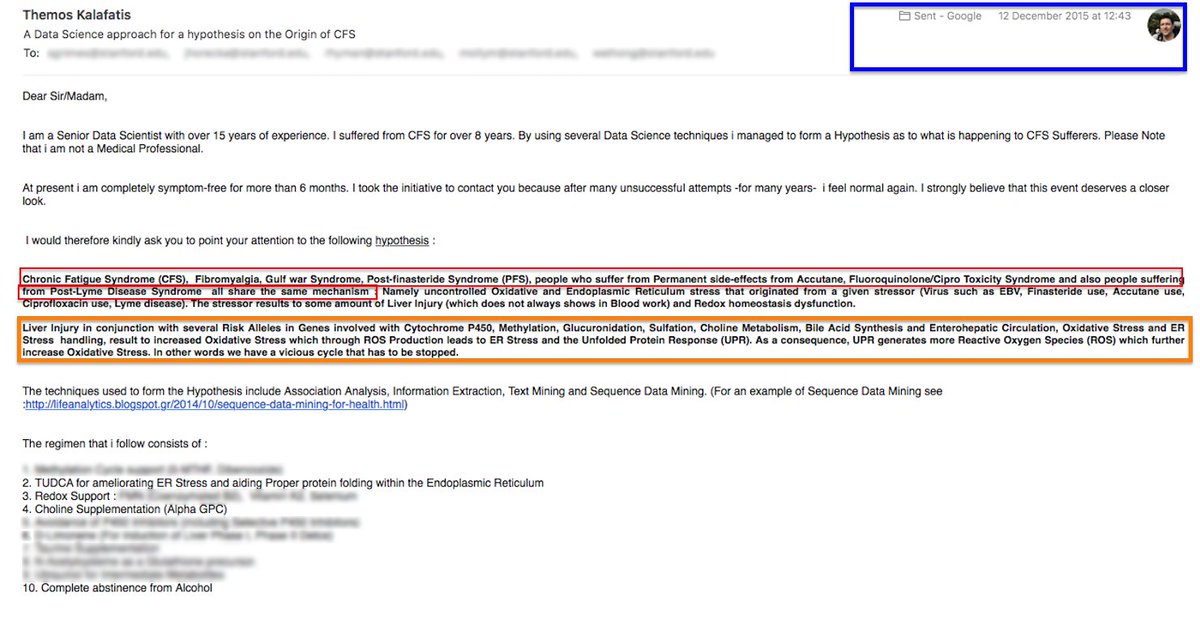
2/ The email discussed a hypothesis that for #MECFS and other syndromes (shown in red rectangle) a common factor is liver injury. Observe also mentions on oxidative stress (cc : @cstroeckw) and a "vicious cycle" being at play...
3/ Choline deficiency has first been mentioned by Maes et. al. However, Bile acid metabolism dysregulation was identified in #MECFS patients 2 years later, in 2017. Also note the mention on "ER Stress" (= endoplasmic reticulum stress) and the Unfolded Protein Response (UPR).
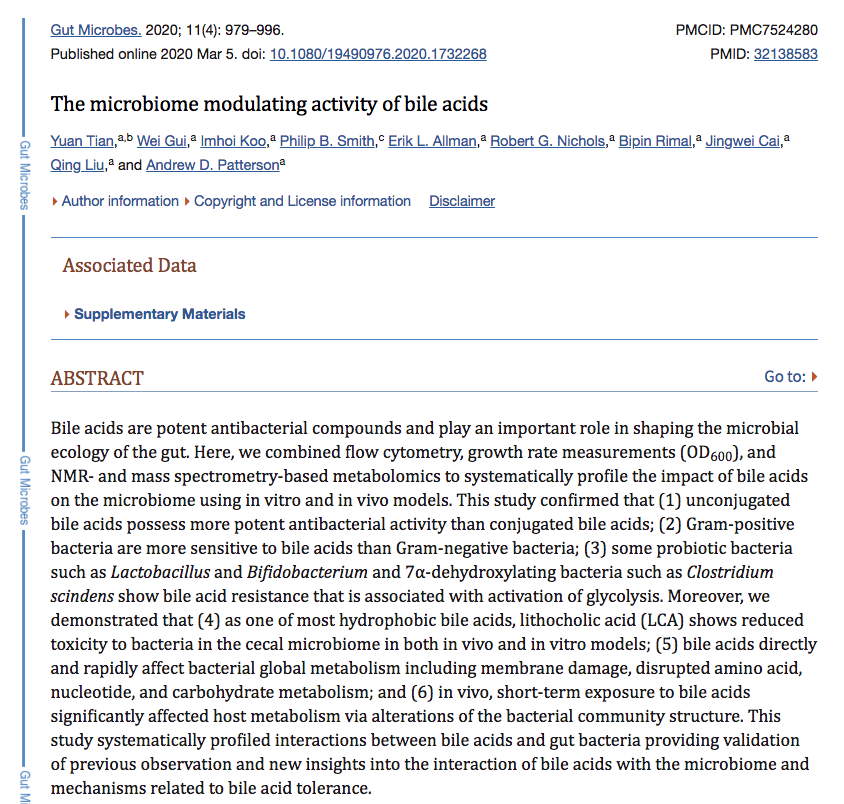
4/ Since it was evident that liver function was a key factor, I looked for a hepatoprotective compound and found Tauroursodeoxycholic acid (TUDCA). Interestingly, TUDCA also ameliorates ER Stress, dampens neuroinflammation+improves gut microbiome composition (in mice)...
5/ ...and has numerous other beneficial qualities according to research. An example below , although there appears to be a two-way communication between the microbiome and the liver, hence why @remissionbiome and the microbiome is of high interest to this hypothesis
6/ The next important factor was the amelioration of oxidative stress. Metabolism generates oxidative stress and this had to be addressed. I hypothesise that this must take place on an individual level. For myself, Selenium and Zinc was important (hypothesis).
7/ Dietary interventions : Abstinence from alcohol, palm oil and other vegetable fat sources, fructose, whey protein, glutamate, sugar, all simple carbohydrates. Having previously seen my fatty liver, the Dr. said "Whatever you're doing, continue it. No fatty liver now"
8/ It took me around 7 months to come out of the vicious cycle. It also took me a long time to finally accept that I was in actual remission. The problem was that I did not know -until very recently- what exactly led to my remission.
9/ Since 2015, I have been trying to present this work and have researchers and patient organisations to look at this hypothesis. Please note : I never claimed that I found a solution. All I have been trying for , was to have this hypothesis evaluated from medical experts.
10/ I think that we have to learn from patients in remission like myself. We also have to learn from patients that have been able to overcome #LongCOVID. Unfortunately, what happened with #MECFS has happened with PSSD, PostFinasteride syndrome, Fluoroquinolone syndrome...
11/ ..meaning that no organisation looked at this hypothesis. I believe that patients end up in the same condition via different ways, which means that most likely a personalised regimen is required (my hypothesis) something that adds more complexity.
12/ In order to find what has worked for me , I purposely crashed numerous times in order to make sure that I was able to get into #MECFS and then get out of it. Many times I did not have the will to experience once again the numerous symptoms. But I had to make sure.
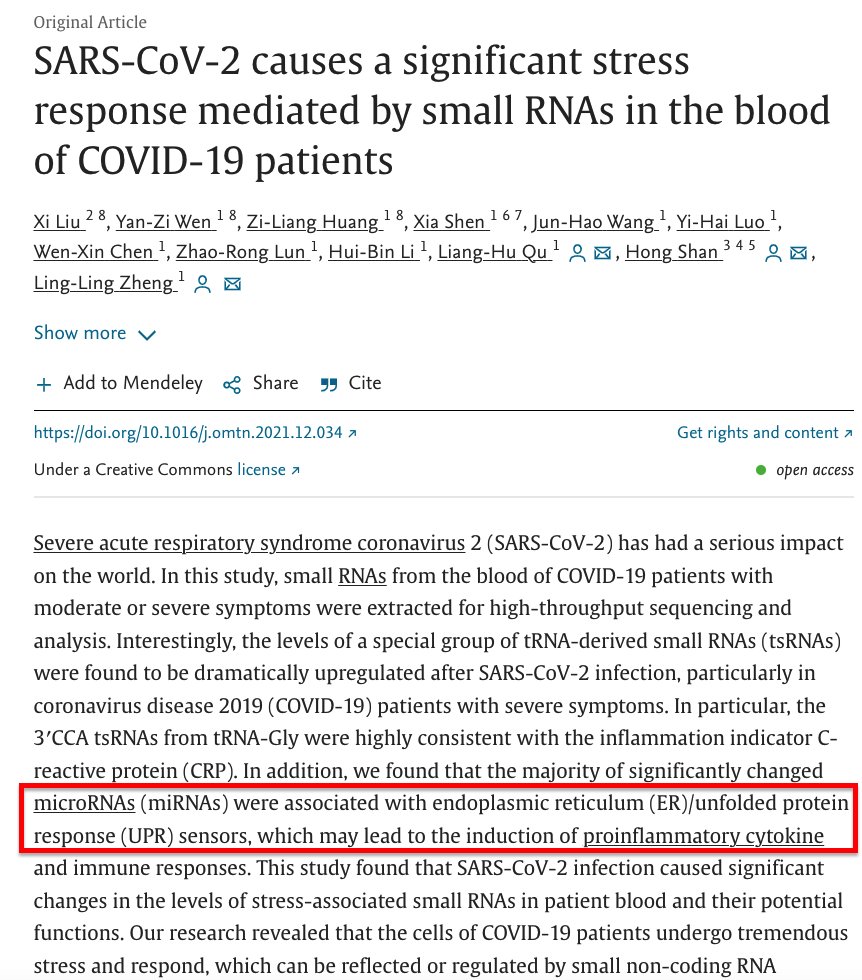
13/ It is possible that #LongCOVID may have the same underlying mechanisms (hypothesis) : - cc @patientled . Other viruses also generate ER Stress. https://t.co/tiLB23w4bLsciencedirect.com/science/articl…
14/ We need to work consistently and I am ready -as always- to take part towards this direction with a joint effort between patients and medical experts, in case interest for this hypothesis exists. Please note : this thread **does not** suggest any intervention.
@Icculus27 Just to make a clarification. By "wrong things" I do not mean doing tasks that would induce PEM but rather stopping the regimen I was doing, including avoidance of sugar, TUDCA supplementation and the other interventions I mentioned.
• • •
Missing some Tweet in this thread? You can try to
force a refresh