One observation to add to Turkey's move to scrap visa-free travel for Tajiks not yet discussed that has serious implications: This is not the 1st time Turkey is doing this to #CentralAsian migrants. In 2022, at Ashgabat's request, Turkey scrapped visa-free travel for Turkmens (.)
By asking for this--something unprecedented as far as I have seen--Turkmenistan was aiming to increase its share of control over the lives of its citizens, essentially forcing all of them to return to Tkmn to renew passports. This had CATASTROPHIC results rferl.org/a/turkmenistan…
When I conducted research with Turkmen migrants & regime critics in 2023 I learned how this situation had left hundreds of thousands of Turkmens in extremely vulnerable circumstances, unable to return to repressive Turkmenistan & unable to legalize inside Turkey (cont'd)
This has pushed many Turkmens into statelessness, living on the margins of Turkish society; it has left Turkmen migrant women more vulnerable to sexual assault & exploitation, knowing that they cannot go seek help with the police. (cont'd)
I fear these consequences might await the Tajik migrant popl. in Turkey, afraid to return to an increasingly totalitarian #Tajikistan also unable to vindicate basic rights inside Turkey. This is a win for #transnationalrepression & not necessarily for countering violent extremism
• • •
Missing some Tweet in this thread? You can try to
force a refresh

As former monitor for the Union of Councils for Soviet Jews based in Russia's North Caucasus & South Caucasus many years back, I extensively visited Jewish communities in the region, although visiting the ancient Jewish community in Derbent, Dagestan was always difficult.
But I had a front row seat to the difficulties faced by the Mountain Jewish communities in this region, spending many weeks in the Jewish community in the North Caucasus Republic of Kabardino-Balkaria (Nalchik), who were then (early 2000s) dwindling due to emigration to Israel.
The community in Derbent, Dagestan was under security risks posed by violent extremist groups. But somehow they held on, fiercely proud of their unique Mountain Jewish identity and of their place in the larger fabric of diverse ethnic groups across the Caucasus.
#Karakalpakstan events concerning on several levels: 1) illustrates how LACK OF CONSULTATION in the proposed re-write of #Uzbekistan's #Constitution can backfire in various, unpredictable ways, such as setting off fears/concerns among Karakalpaks about a loss of autonomy (cont'd)
2) reports of internet outages/flight blackouts in/out of Karakalpakstan point to heavy-handed tactics out of step with #Uzb's international human rights obligations; 3) authorities must employ transparency in any detentions of protesters & avoid any disproportionate responses.
The statement of the independent #Uzb media outlet in #hookreport illustrates the INCREDIBLY sensitive territory anyone is wading into commenting on this situation. Statement makes the following points: (contd)
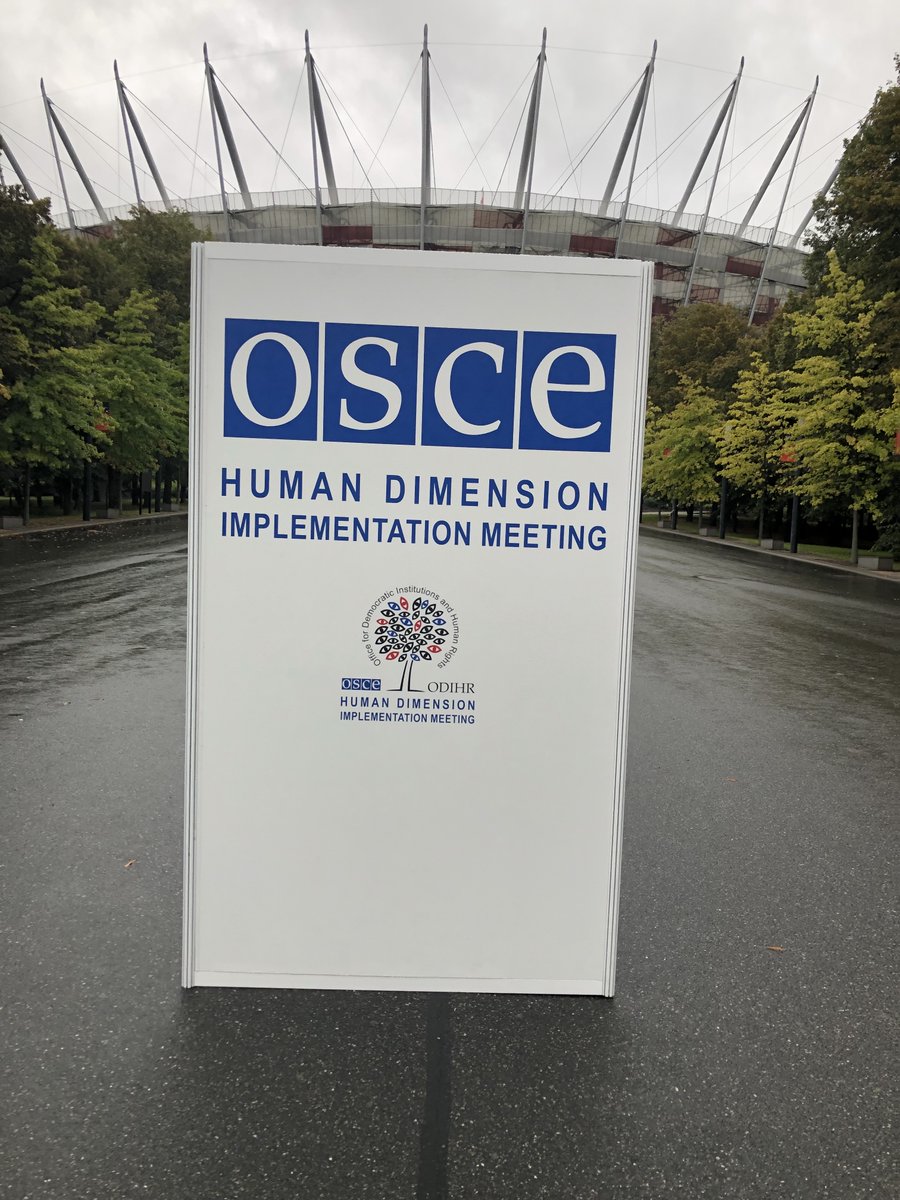
Many in civil society have been watching with great alarm the recent blocking by #Azerbaijan#Tajikistan#Turkey of the four senior leaders of @osce@osce_odihr's key #humanrights bodies to remain in their posts, leading to an unprecedented crisis for @osce during a pandemic (..)
One of the top concerns arising from this crisis has been a concern that absent key leaders more repressive @osce member states could push through their long-held desire to muzzle the participation of independent, critical #civilsociety voices in the organization (...)
Indeed, today, an unusually impassioned statement from @usosce@USAmbOSCE echoes that key concern. The statement is dramatically entitled "Saving the Human Dimension Implementation Meeting" osce.usmission.gov/intervention-o… (...)