
Prof Uni Flensburg • economic history and social-ecological transformation • author of HEGEMONY OF GROWTH and THE FUTURE IS DEGROWTH • find me on bluesky


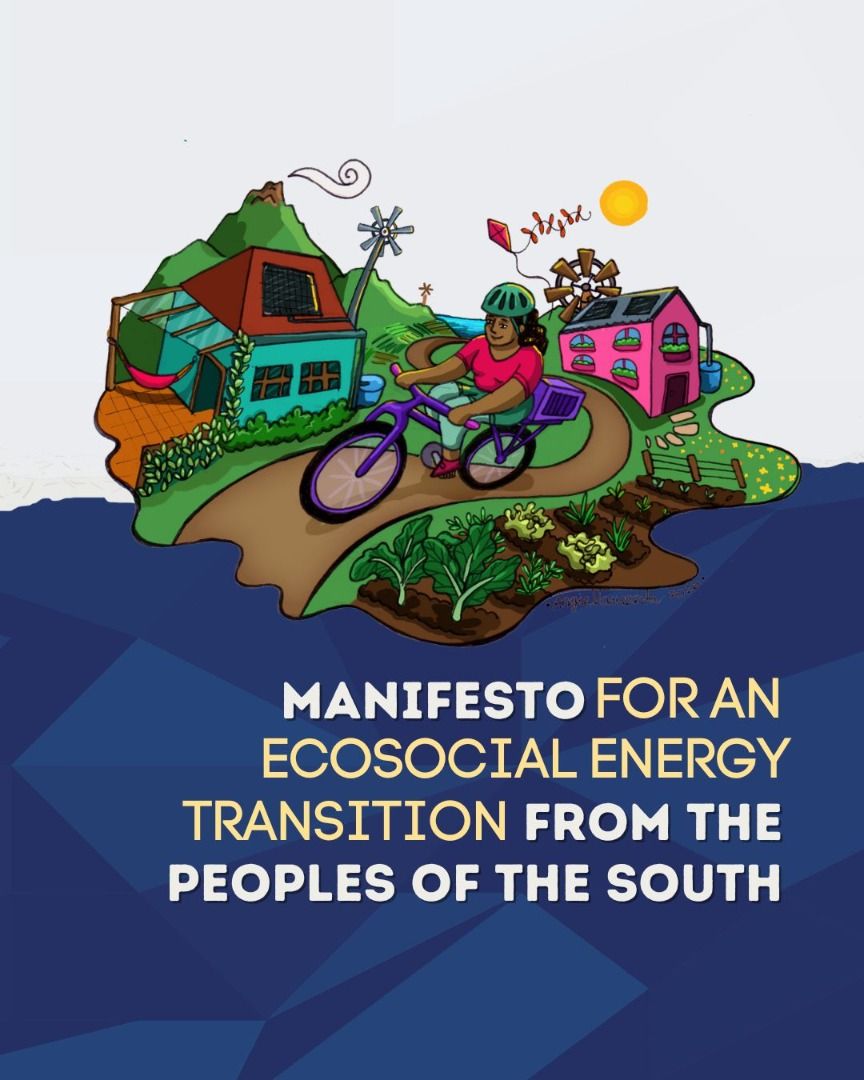 It starts by taking stock of the post-Covid situation, in which the "engines of this unjust status quo—capitalism, patriarchy, colonialism, and various fundamentalisms—are making a bad situation worse"
 There is a wide acceptance, at the abstract, most general, even definitional level, that degrowth involves planning or amounts to a planned transition. 2/
 We cannot accept the decision that the village of Lützerath is to be sacrificed to the open-cast lignite mine Garzweiler II.
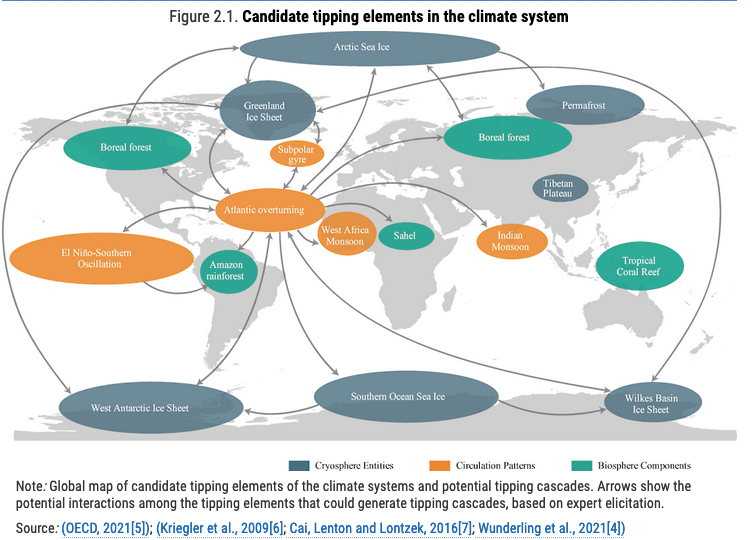 The @OECD report summarizes latest research that shows these "self-reinforcing, severe & irreversible changes could occur far sooner & at lower levels of warming."
 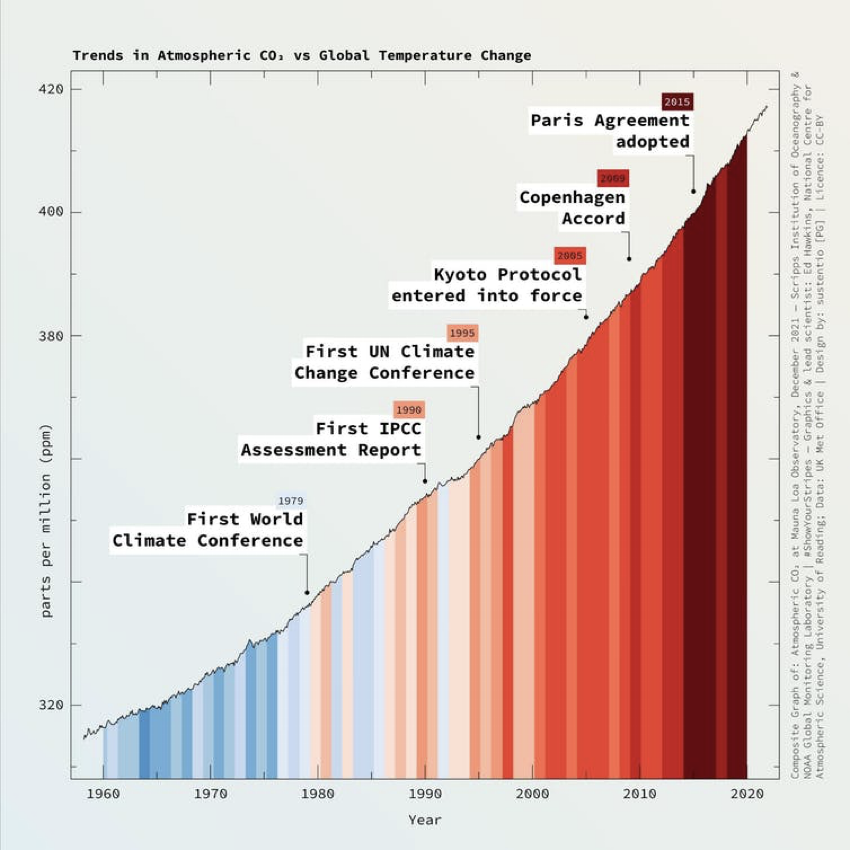 And emissions are still rising
 It starts from the premise that while critiques of growth are likely to shape future social conflicts around economics, environment, & politics, we know little about the diversity of exiting growth critiques or about their historical origins and longterm trajectories.

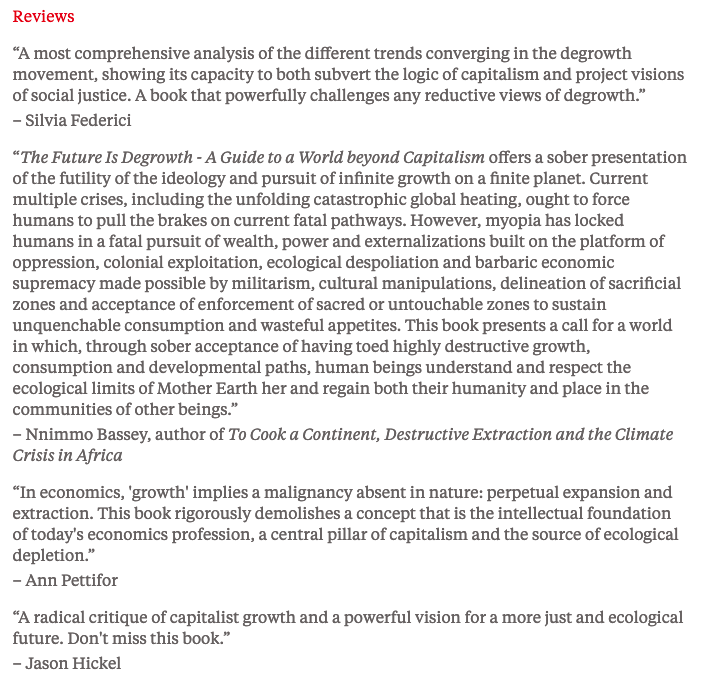 This is based on our just published @VersoBooks with Andrea Vetter and @a_vansi. More info here 2/
 I have read Huber’s book "Climate Change as Class War: Building Socialism on a Warming Planet" and find many of his arguments really convincing – in particular where he discusses the need for broad strategic alliances, a materialist analyses, and class-based climate politics. 2/
 Average country carbon footprints differ widely between countries – but must be drastically reduced in most regions to achieve climate targets.

 Economic growth does *not* lead to a more equal world.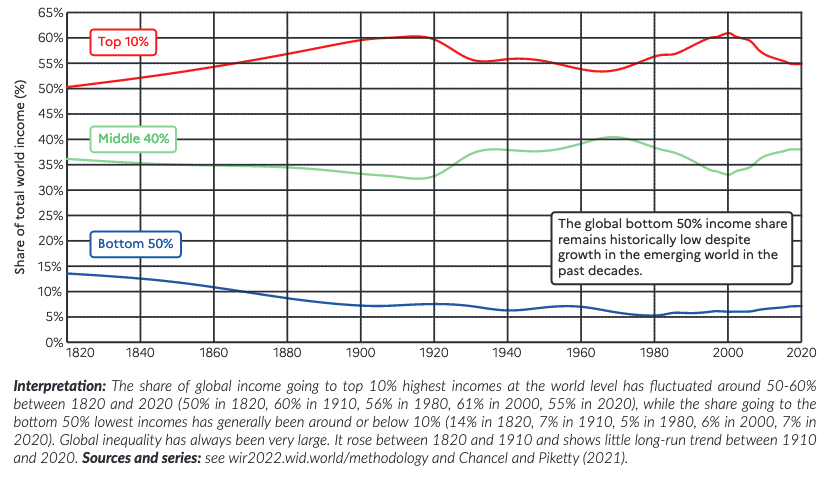
 Every year, we extract almost 90 billion tons of raw materials from the Earth.
 Anmerkungen zu Niko Paechs Postwachstumsökonomie


 For our take on the history of the OECD resulting from the OECD history project with @M_Leimgruber see our website oecdhistoryproject.net

 This book provides a vision for postcapitalism beyond growth. Building on a vibrant field of research, it discusses the political economy and the politics of a non-growing economy.