Wohoo!
@ariray’s, @niredeker’s book on Eurozone crisis politics – «The Politics of Bad Options» is out at @OUPPolitics today!
global.oup.com/academic/produ…
@ariray’s, @niredeker’s book on Eurozone crisis politics – «The Politics of Bad Options» is out at @OUPPolitics today!
global.oup.com/academic/produ…

If you have ever wondered…
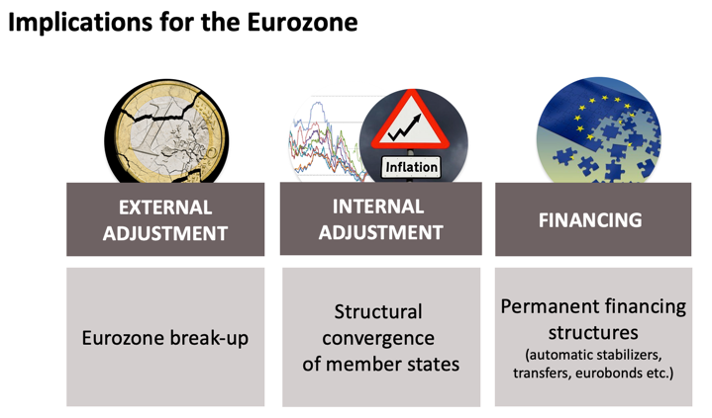
– why crisis resolution cost were so unequally distributed in the Euro crisis
– why no country left the Eurozone
– who supported and opposed different Euro crisis policy options domestically
this book is for you.
global.oup.com/academic/produ…
– why crisis resolution cost were so unequally distributed in the Euro crisis
– why no country left the Eurozone
– who supported and opposed different Euro crisis policy options domestically
this book is for you.
global.oup.com/academic/produ…
I will do a longer thread on what the book is about, but for now let me say thank you to all the people who helped along the way.

Special thanks go to @RaphaelJReinke, who co-authored two chapters, @jafrieden, @SiljaHausermann, and @EveHubscher who gave detailed input, our RAs, who helped with data collection, and so many people @IPZ_ch – the best place for writing such a book.
Thanks to all of you who gave feedback, such as @DanBischof @bjoern_bremer @mcopelov @donadica @fabio_franchino @LHaffert @excubs @valentin_lang @realDLeblang @JonasMarkgraf @tobirommel @SattlersThomas @sadeh_tal @schaffer_le @dmwoodruff @T_Palmtag and many others not on twitter
Special thanks go to @sarahobolt, @jafrieden and David Soskice for writing such kind blurbs for our book.

And finally thanks to @FORSresearch for hosting our replication data especially helping to distribute the interst group survey data for secondary use:
forsbase.unil.ch
(data should be available within the next days)
forsbase.unil.ch
(data should be available within the next days)
• • •
Missing some Tweet in this thread? You can try to
force a refresh