Hey NLP is not only machine learning it also has to do with language.
But you are not alone!
Here are some of my classics that deal with linguistics
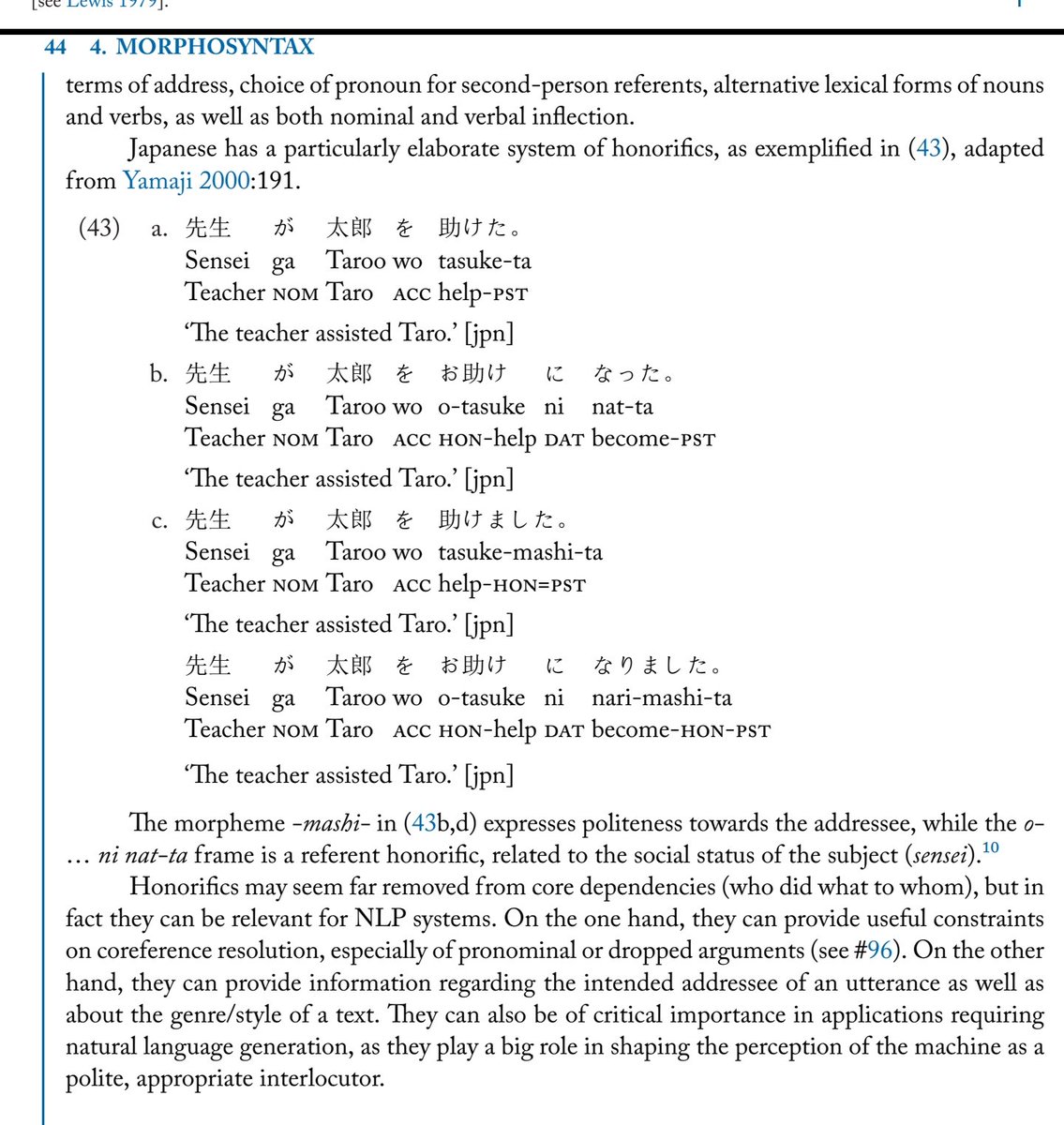
Linguistic Fundamentals for Natural Language Processing
by @emilymbender
May all-time favorite & silver bullet! A must read.
But you are not alone!
Here are some of my classics that deal with linguistics
Linguistic Fundamentals for Natural Language Processing
by @emilymbender
May all-time favorite & silver bullet! A must read.
The beauty of this book is that it explains the most important linguistic concepts in short chunks and illustrates this with easy to understand examples
Book amazon.de/-/en/Emily-M-B…
eBook morganclaypoolpublishers.com/catalog_Orig/p…
Book amazon.de/-/en/Emily-M-B…
eBook morganclaypoolpublishers.com/catalog_Orig/p…
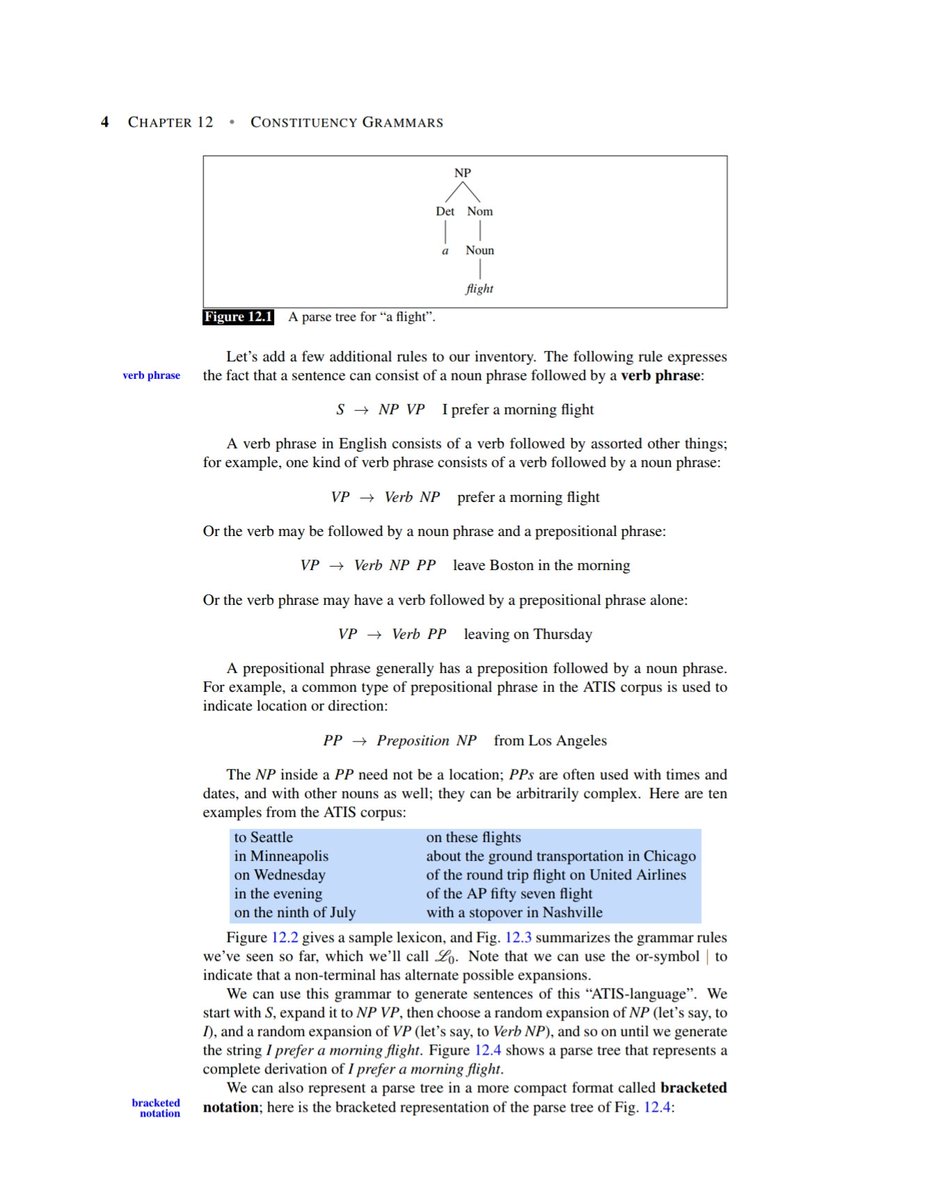
Speech and Language Processing by Dan Jurafsky and James H. Martin web.stanford.edu/~jurafsky/slp3/
You are pulled into the topics very immersively and you can not stop reading! You literally soak up the knowledge
You are pulled into the topics very immersively and you can not stop reading! You literally soak up the knowledge

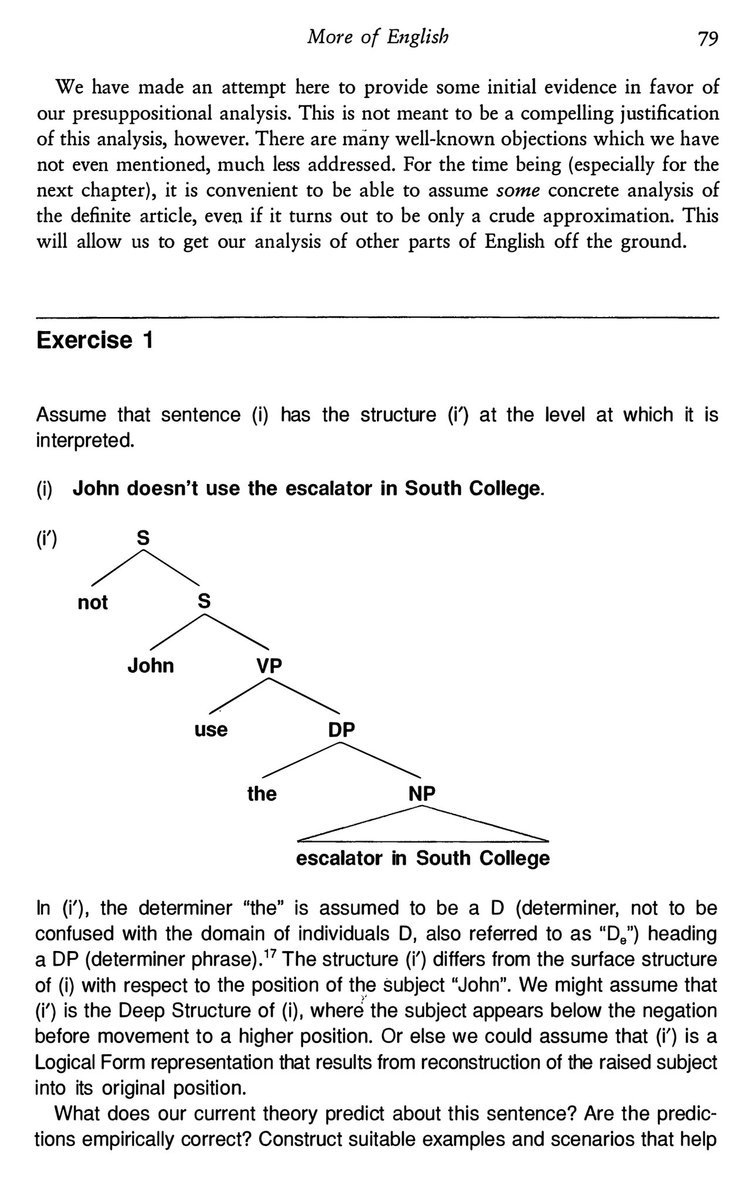
Another classic is: Semantics in Generative Grammar by Irene Heim and Angelika Kratzer not an easy read and not suitable for beginners but if you are interested in semantics and syntax you should have a look.
PDF users.uoa.gr/~wlechner/Cret…
PDF users.uoa.gr/~wlechner/Cret…
• • •
Missing some Tweet in this thread? You can try to
force a refresh