New paper on reinfections & protection from previous exposure. Study design is crude.
Protection was 82% against infection & 85% against symptomatic reinfection. Half (50%) of reinfections were symptomatic (similar to new infections 58%). @florian_krammer academic.oup.com/cid/advance-ar…
Current dogma is that protection from reinfections is 80-90% (like this study) but reinfections are mild or asymptomatic (
). But here 50% were symptomatic & 5 of 31 symptomatic reinfections needed hospitalization (fraction for new infections not given).
Study design is crude: comparison is pairs of tests >90d apart. Little effort to control for factors that might influence detectability of infections. But no clear diffs in age, etc. of groups testing -/+ at 1st test. Hard to know how biased results might be.
Another v large study also suggests 81% (75-85) protection from previous infection (thelancet.com/journals/lance…), but much lower in older 65+ 47% (25-63). Sadly, no data on disease severity of reinfections.
h/t @CovidSerology
• • •
Missing some Tweet in this thread? You can try to
force a refresh
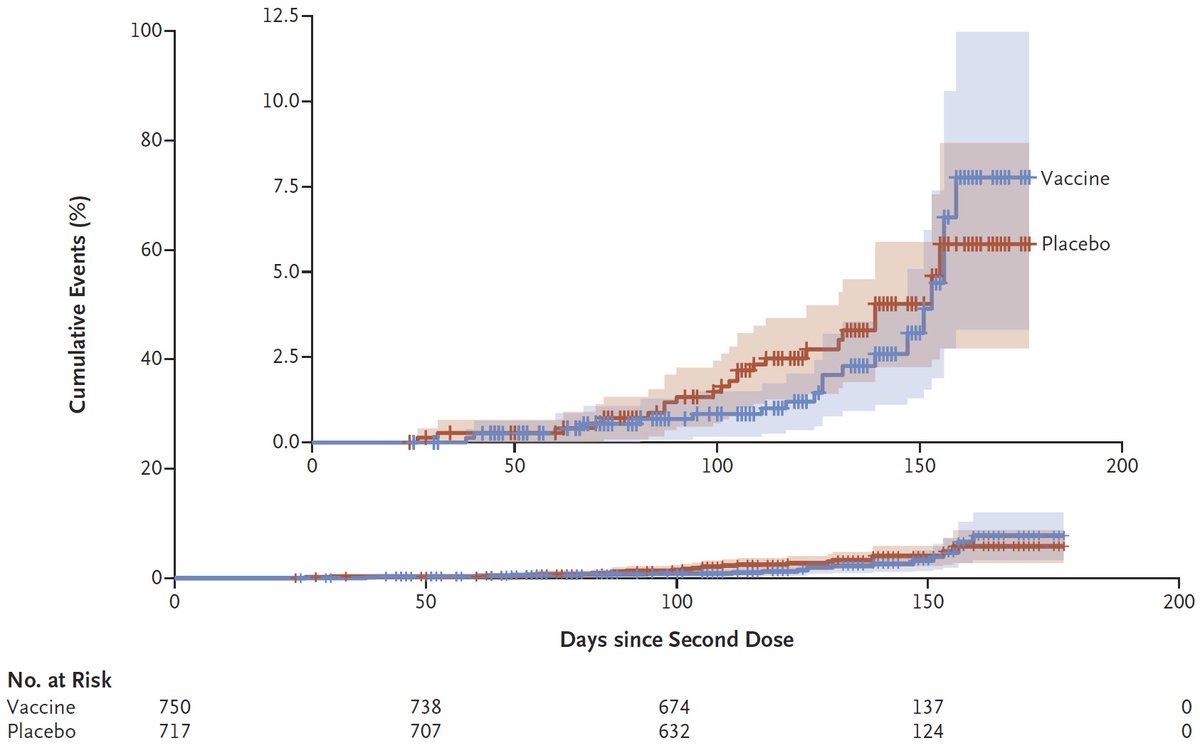
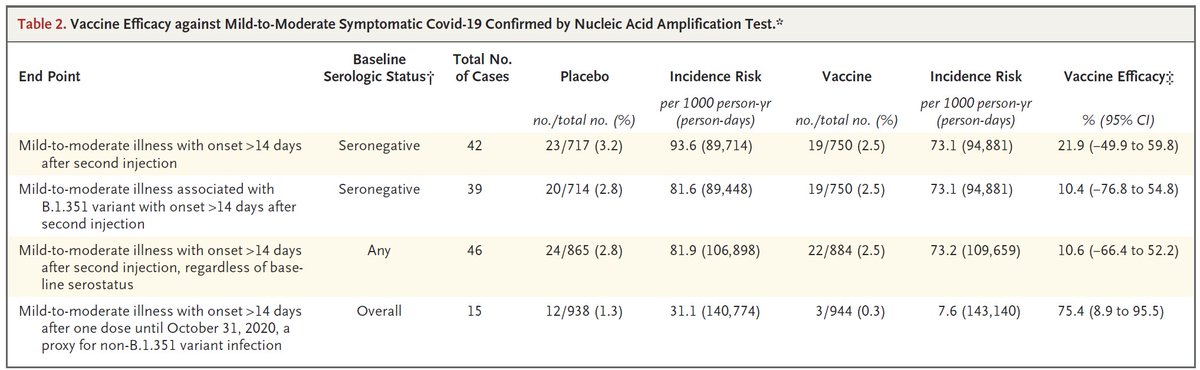
Visual picture of how invasion of B.1.351 eliminated efficacy of Astrazeneca vaccine in S Africa: placebo rises more quickly through d140 when B.1.351 emerges & difference erased (vaccine ends up higher but pop at risk at end is small).
Paper is now out: nejm.org/doi/full/10.10…
Efficacy before Oct 31 before B.1.351 dominant: 75%
Efficacy against B.1.351: 10.4%
Both have very wide CIs b/c study small (1K in each group) but contrast is stark.
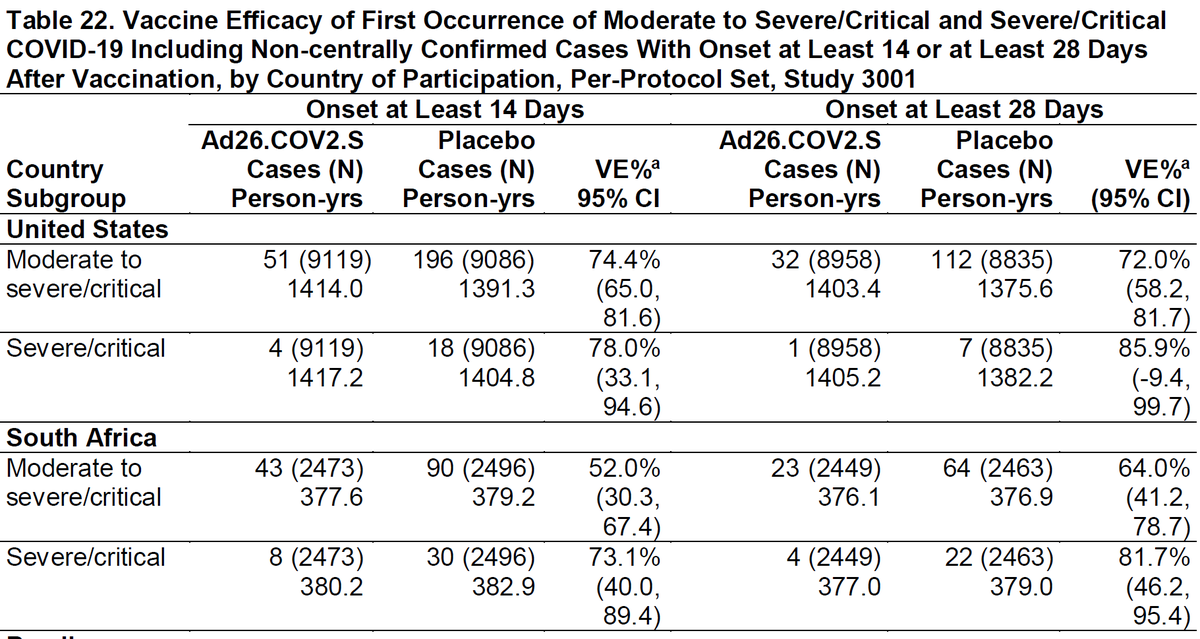
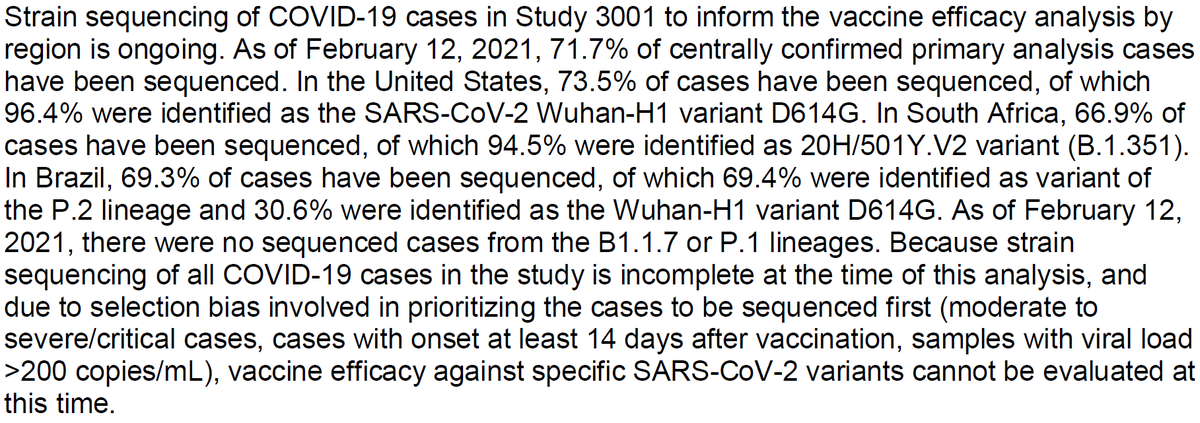
Thankfully, J&J vaccine faired much better, w/ a non-significant diff b/w US & S Africa & Brazil (w/ P.1), despite B.1.351 & P.1 being majority of viruses sequenced. (fda.gov/advisory-commi…)
Is 6' of space required to keep kids safe in schools, or is 3' enough?
One of the most important questions for re-opening schools safely.
Thread
tl;dr New paper suggests 3' is enough, but paper is fraught with issues & is unconvincing, even though I really wanted it to be right.
Background
SARS-COV-2 transmission in children has been one of the most contentious issues of the pandemic. Schools were closed in most of the world in early 2020 b/c kids play a big role in influenza transmission & without info, same was assumed for SARS-COV-2.
A mountain of evidence now shows that cases/infections in children (especially <10yr) are often (but not always) less likely to be detected than in adults & kids transmit less often. There's many issues w/ these data, but no time for that here (need to write big review thread).
CONFLICTING DATA:
-SARS-CoV-2 variants mutate & evade immune system & cause huge epidemics via re-infection (nytimes.com/2021/03/01/hea…) @nmrfaria
-T-cells play key role in disease severity & are robust to same mutations
Background
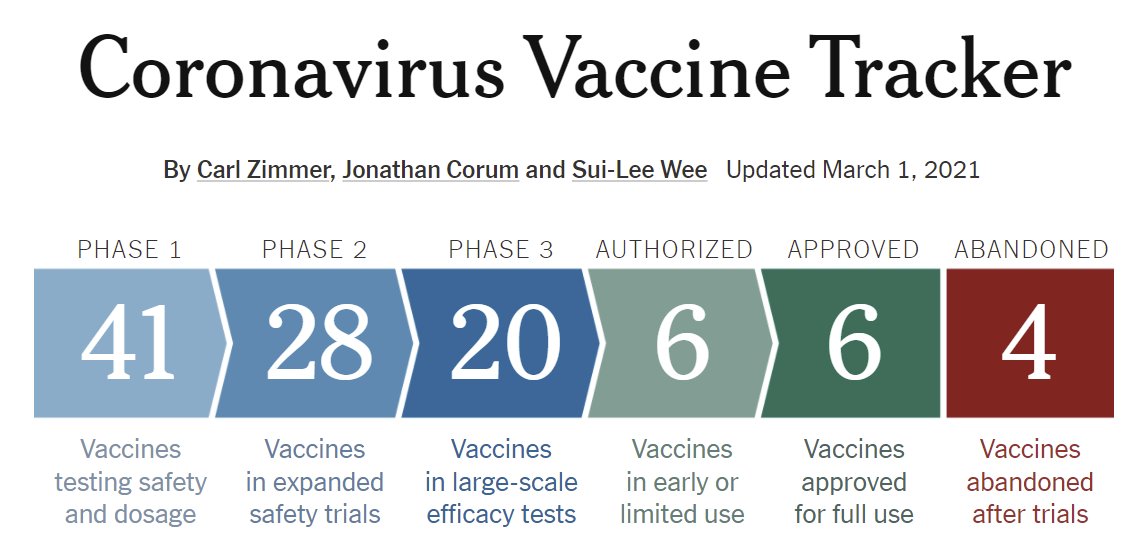
With waves of cases subsiding & development of many vaccines for COVID-19, many hoped we'd be past the worst of the pandemic (at least those countries w/ access to vaccines). nytimes.com/interactive/20…
One important correction (I need to write a full thread about).
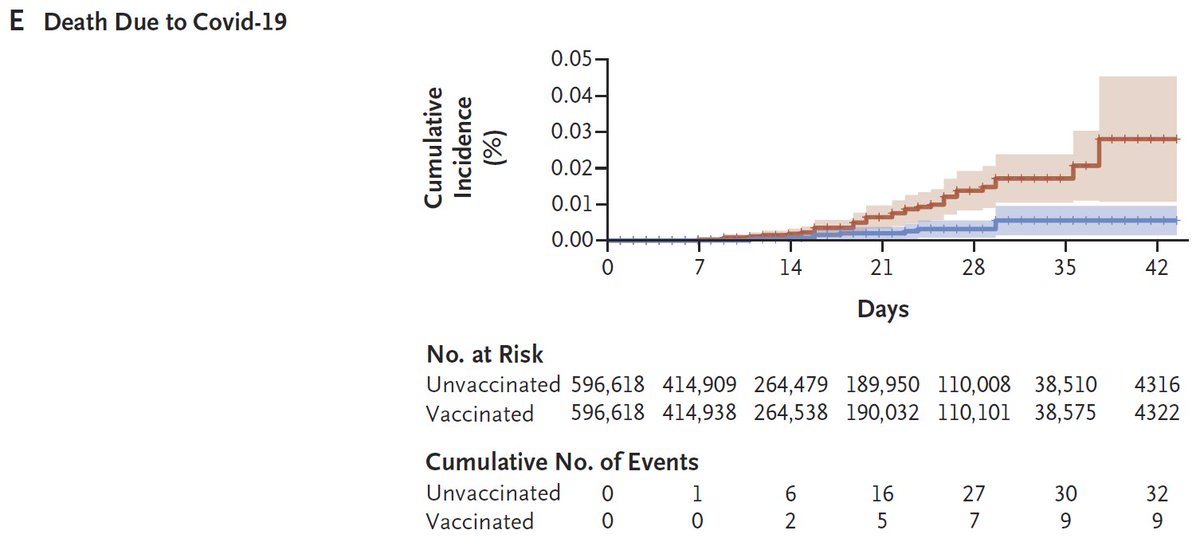
NONE of the vaccines are 100% protective effective against hospitalizations & death. We know this from vaccine rollout (DOI: 10.1056/NEJMoa2101765).
(cont)
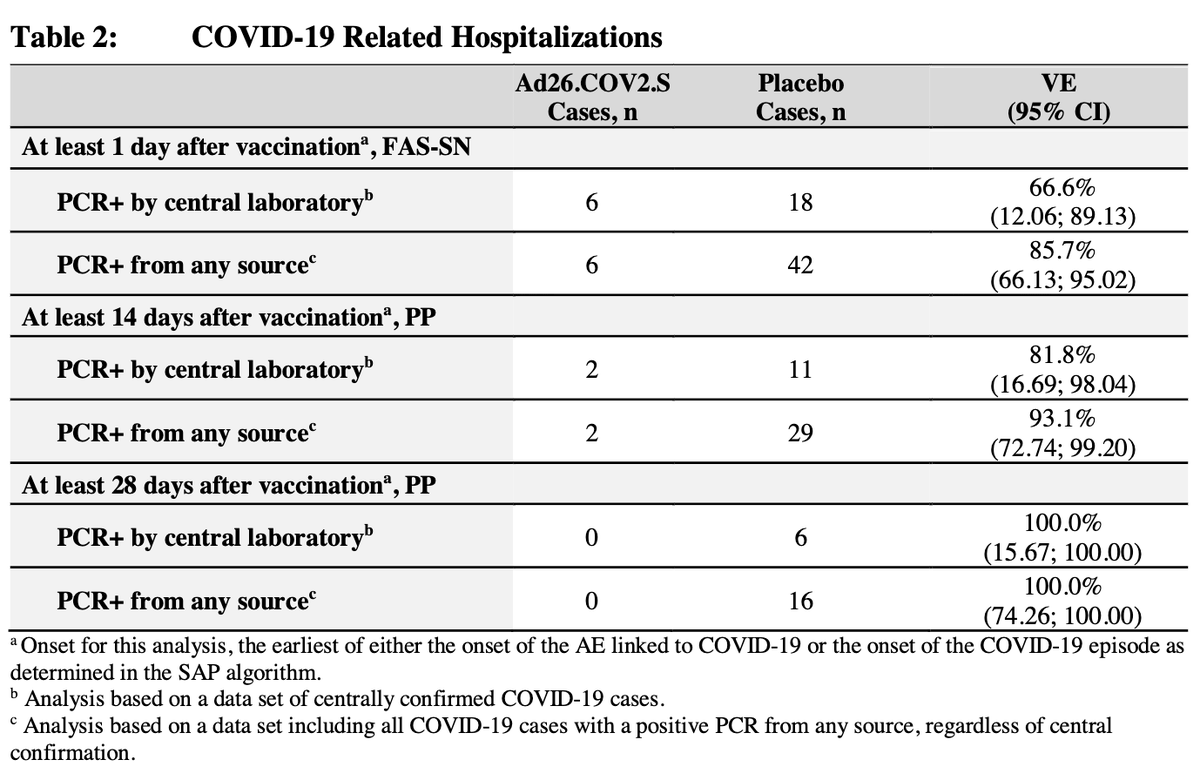
None of the trials are big enough or long enough to accurately measure efficacy against death or even hospitalizations. In huge J&J trial hospitalization was 16 vs 0 which gives a CI of 74%-100%. 16 events is simply too small to say protection is 100% & we know it's not.
We need to be careful about how we describe these vaccines b/c otherwise the public will wonder: if all vaccines have 100% protection against hospitalization & deaths, then why are some of the 50M vaccinated people getting hospitalized & dying of COVID-19?
New paper on biases in epi studies led by @AccorsiEmma
w/ @mlipsitch & many others.
Paper is extremely valuable in thinking carefully about how to interpret data. Sadly, *most* epi papers have failed to account for most of the biases they discuss.
S thread link.springer.com/article/10.100…
Two big examples: 1) Efficacy of vaccination from observational studies 2) Studies of susceptibility & infectiousness based on secondary attack rate (SAR) data
1) Randomized control trials are the gold standard for assessing the efficacy of vaccines (& lots of other things, of course), because, theoretically*, people are randomized b/w vaccine & placebo groups.
Observation studies of vaccine efficacy (VE) aren't randomized, so,...
N(orth)-S(outh) gradients in Lyme disease in US
Very interesting new paper on causes of the sharp N-S gradient in Lyme disease in US
Thread journals.plos.org/plosbiology/ar…
Background
There is a huge gradient in Lyme disease incidence in the eastern US, but no simple explanation. The main tick (I. scap.) is present from ME to FL, as are key reservoir hosts (mice, shrews).
Multiple hypotheses have been proposed for this N-S gradient, including:
-a gradient in host species diversity that results in fewer ticks feeding on the most infectious hosts (called "the dilution effect")
-a gradient in selective feeding by ticks on hosts
(cont)