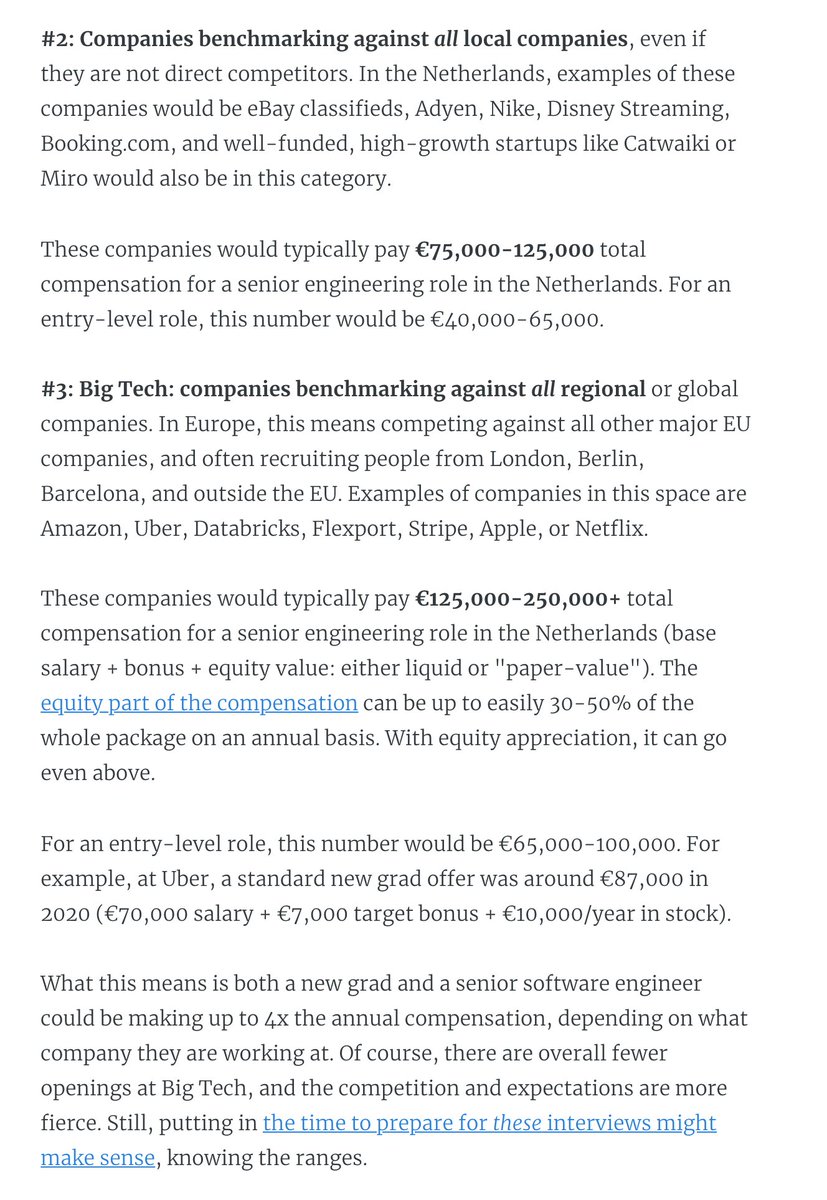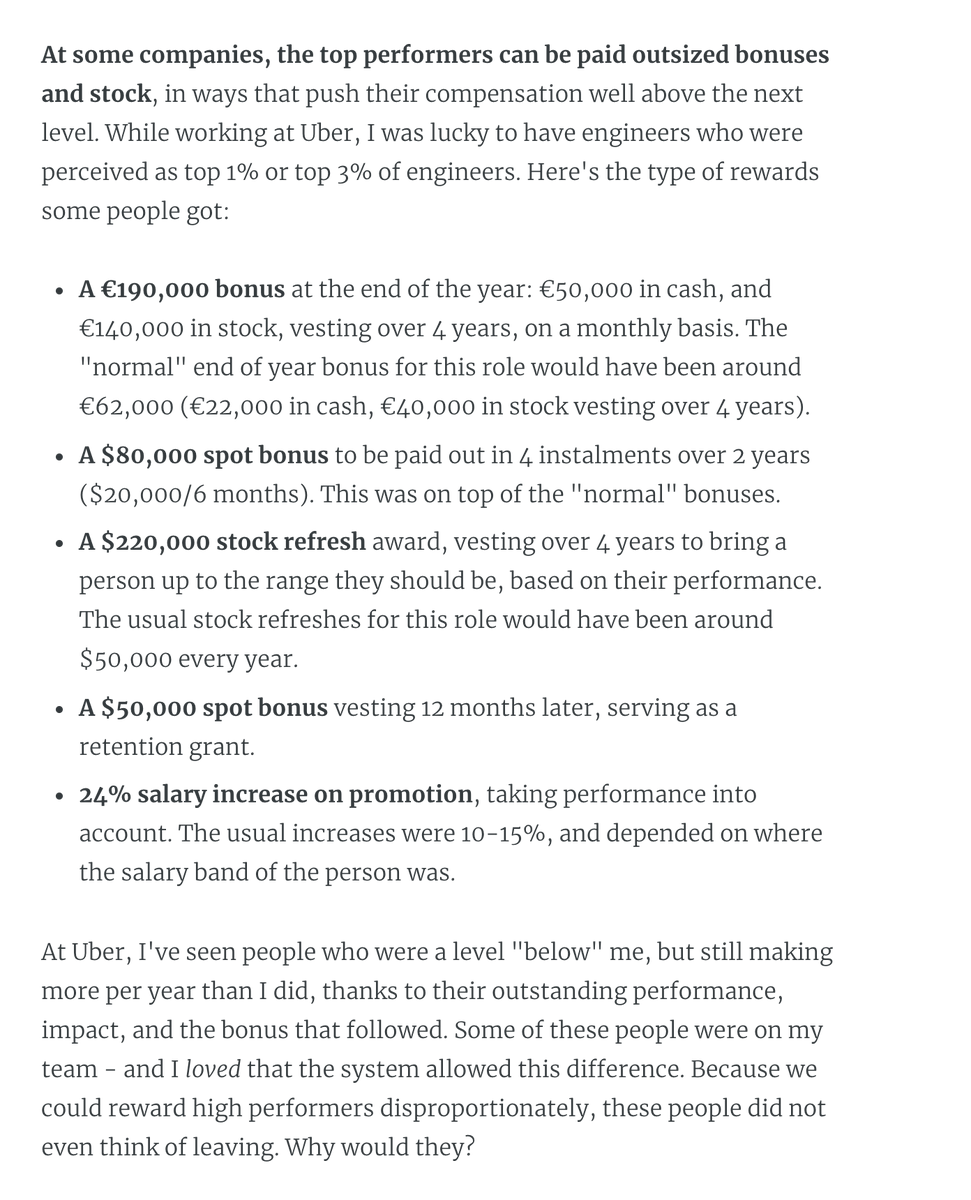
The two-sided marketplace nature of job seekers/jobs, how you should use it to your advantage, and how the explosion with remote work (in software engineering) is changing this balance for juniors & seniors.
Thread for anyone job searching now, or in the future.
Thread for anyone job searching now, or in the future.
The job market *always* starts from the companies who hire. They have the budget, and need someone with a specific skillset. They post a job, and get (and often also source) qualified applicants.
There's a huge difference between popular & unpopular ones though:
There's a huge difference between popular & unpopular ones though:
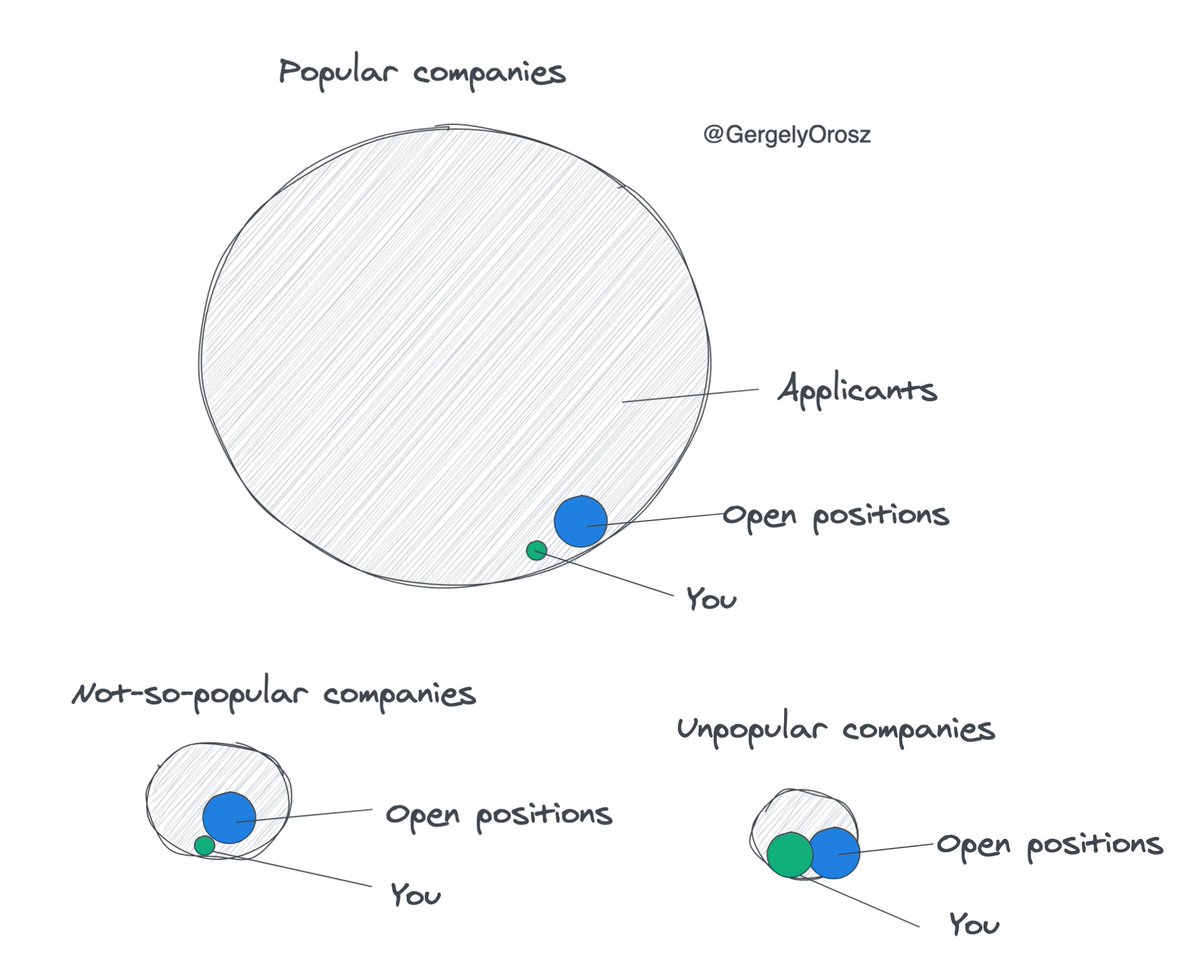
The job market is a "sellers market" when there are a lot fewer jobs than qualified ppl who want to apply or change jobs. Recessions are good examples of this (in software: 2001, 2008, and some sectors now).
When this happens, even less popular companies see a lot more interest.
When this happens, even less popular companies see a lot more interest.

It's a "buyers" market when there are a lot more job opportunities than qualified candidates: meaning even the more popular companies see less interest, and "normal" companies struggle to see just enough applicants.
Examples: much of the software sector 2001-2007, 2010-now
Examples: much of the software sector 2001-2007, 2010-now

Based on whether a role is entry-level (little to no work experience needed), mid-level (a few years needed), or senior & above, there's (almost) always a transformation from a sellers market to a buyers market.
Simply put: there's rarely enough supply for senior people.
Simply put: there's rarely enough supply for senior people.

What all of this means so far:
- More popular/better paying companies always have a lot more competition
- The more senior you are, the less competition you typically see (but the less likely you want to typically move)
- If it's a seller's market, it's harder to get a job
- More popular/better paying companies always have a lot more competition
- The more senior you are, the less competition you typically see (but the less likely you want to typically move)
- If it's a seller's market, it's harder to get a job
So what does remote and remote from everywhere jobs do with the market? It's a wonderful thing we have these, right?
Well, before these jobs were here, locality (where you are based) and visas were a HUGE filter in all the above applicant pools: (via thetechresume.com)
Well, before these jobs were here, locality (where you are based) and visas were a HUGE filter in all the above applicant pools: (via thetechresume.com)
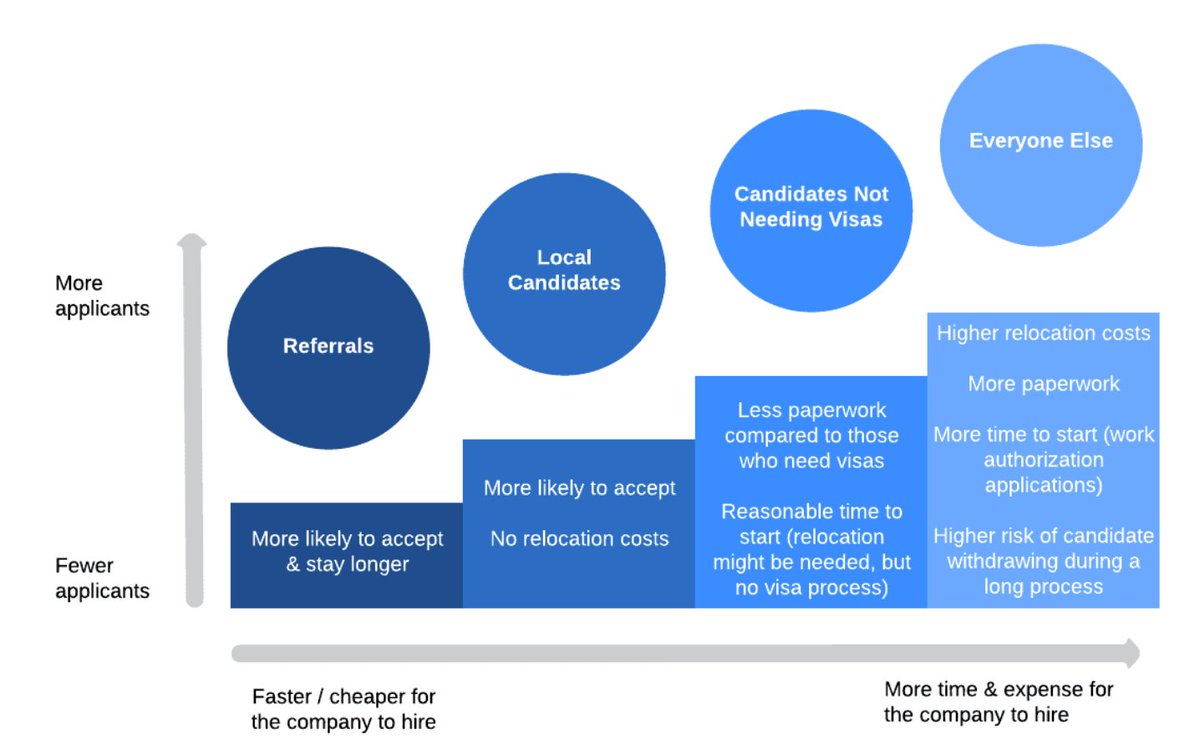
This is the "old world". Any company that announces full-remote roles expands their base to hire from. This is great for the company, but actually makes it a LOT harder for you to get those roles thanks to bigger, and often truly global competition:

For entry-level positions (where there have already been *lots* of applicants), full-remote positions turn into even more competitive ones. Also: full-remote is a LOT harder to do with junior folks, so there's fewer such roles to start with.

For senior roles, there is more competition with remote roles as well, but there were not that many local applicants to start with. Plus, there are often more senior remote roles, given remote-only is easier to coordinate if you don't need to train people:
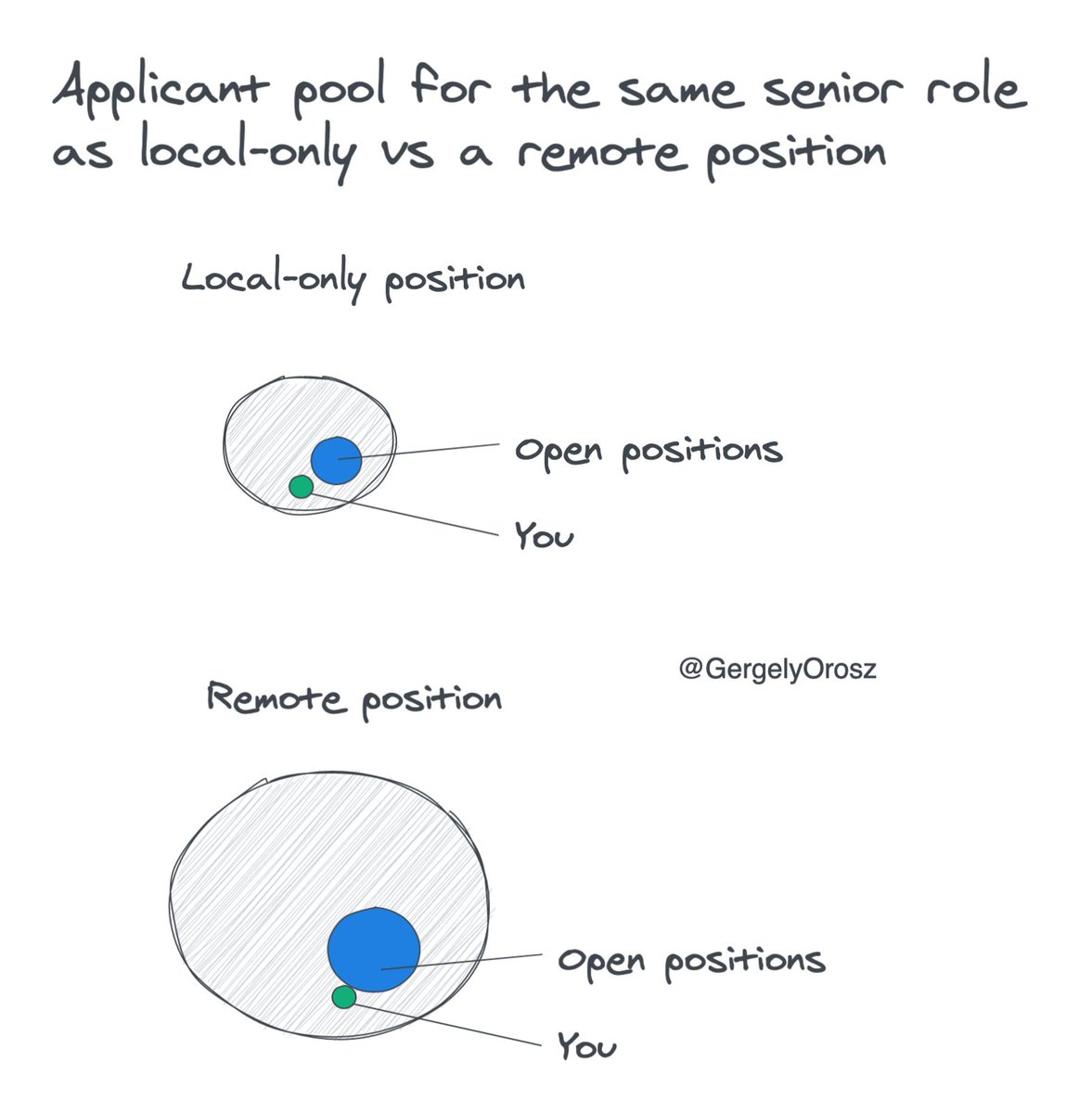
So how does remote work change the job market?
- It makes it harder for entry-level folks to get a (new) job, unless they really stand out or have referrals
- It might make it a bit more challenging for senior folks, but the increase in such roles probably offsets this.
- It makes it harder for entry-level folks to get a (new) job, unless they really stand out or have referrals
- It might make it a bit more challenging for senior folks, but the increase in such roles probably offsets this.
How can you use this information for your advantage?
1. Know that remote roles get a LOT more applicants than ones "restricted" to a country, or for an office
2. Be aware how popular the company is you're applying to. Fix up your resume (thetechresume.com) & be realistic
1. Know that remote roles get a LOT more applicants than ones "restricted" to a country, or for an office
2. Be aware how popular the company is you're applying to. Fix up your resume (thetechresume.com) & be realistic
3. Job searching is a numbers game. Try "shooting" to popular, less popular and not popular companies to see where you get to stand out. Not just companies, but roles as well, like @EvidenceNMedia did:
https://twitter.com/EvidenceNMedia/status/1384484065483628544?s=20
4. Know that the more senior you get, the more it becomes a buyers market where you have the advantage.
The first few years of your career: think of it as investment (especially if you have few options to start with)
The first few years of your career: think of it as investment (especially if you have few options to start with)
5. If you are hearing back from the most popular places: amazing! If not: look for places where you can stand out, and have less competition. Find the hidden diamonds out there. Here's inspiration from @swartzcenter:
https://twitter.com/swartzcenter/status/1350075419479969798?s=20
6. What will make you stand out at the places you want to work for, in two years? Can you do those things, or work at a place where you can do it?
Most people think of job searching in the present. Plan for the longer game. If you have a job now: what will you want later?
Most people think of job searching in the present. Plan for the longer game. If you have a job now: what will you want later?
That's all.
Job searching is frustrating: we've all been there. You can fume at it: or you can try to take a step back, understand this complex web of companies and job seekers, and capitalize on insights few are aware of.
Hope this helps! And this: blog.pragmaticengineer.com/tech-interview…
Job searching is frustrating: we've all been there. You can fume at it: or you can try to take a step back, understand this complex web of companies and job seekers, and capitalize on insights few are aware of.
Hope this helps! And this: blog.pragmaticengineer.com/tech-interview…
• • •
Missing some Tweet in this thread? You can try to
force a refresh