7 mobile eng industry predictions after months of research for my book, Building Mobile Apps at Scale:
1. Kotlin Multiplatform will become the de facto *native* way to share code between iOS and Android. KMM is maturing rapidly & is easy for iOS engineers to also pick it up.
1. Kotlin Multiplatform will become the de facto *native* way to share code between iOS and Android. KMM is maturing rapidly & is easy for iOS engineers to also pick it up.
2. Flutter will become the most popular way to build cross-platform apps.
The only downside is having to learn Dart. Otherwise, it's fast & tooling is solid. Google has gone all-in, building many of their own apps 100% Flutter. Cannot say the same with RN & other alternatives.
The only downside is having to learn Dart. Otherwise, it's fast & tooling is solid. Google has gone all-in, building many of their own apps 100% Flutter. Cannot say the same with RN & other alternatives.
3. Full-native mobile development is not going anywhere with large apps with millions of users.
Having full control of the UX & the ability to immediately make use the latest APIs will be key for many apps and platforms.
Flutter, RN, and others will not take over all the space.
Having full control of the UX & the ability to immediately make use the latest APIs will be key for many apps and platforms.
Flutter, RN, and others will not take over all the space.
4. Tooling will keep being an issue, and a pain point for most mobile teams.
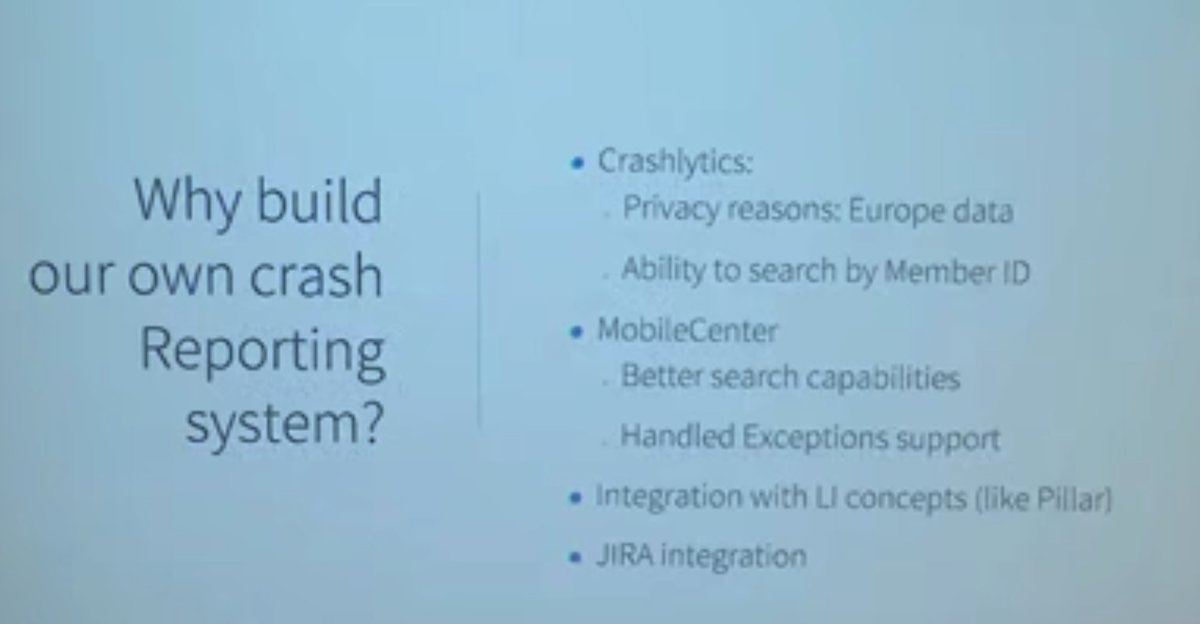
Teams will save lots of time using cross-platform vendors who bridge iOS and Android implementation details with clear abstractions. Examples: crash reporting, IAP, analytics, localization etc etc etc.
Teams will save lots of time using cross-platform vendors who bridge iOS and Android implementation details with clear abstractions. Examples: crash reporting, IAP, analytics, localization etc etc etc.
5. Mobile engineering done at scale will keep being siloed: so much more than e.g. on the backend.
Initiatives like mobilenativefoundation.org are great, but I keep being surprised at just how less of a mobile community exists, compared to web or backend.
Initiatives like mobilenativefoundation.org are great, but I keep being surprised at just how less of a mobile community exists, compared to web or backend.
6. "Mega mobile teams" of 20-50+ mobile engineers working on a single app will keep increasing the coming years.
Why? Native mobile apps are increasingly where the users and revenue are at. Businesses will be rational to keep hiring engineers to ship revenue-generating features.
Why? Native mobile apps are increasingly where the users and revenue are at. Businesses will be rational to keep hiring engineers to ship revenue-generating features.
7. VC funding for mobile engineering tools and vendors will remain low. But VCs that fund the right teams will see large returns in 5-10 years.
Everyone underestimates the complexity, impact and profits of mobile tooling done right. Except those with first-hand experience.
Everyone underestimates the complexity, impact and profits of mobile tooling done right. Except those with first-hand experience.
I see mobile engineering being at an inflection point, 13 years after the first iOS apps.
The rate of change is slowing. The top 50 apps in the app store will not change as rapidly in 3 years from now. And the innovative mobile vendors of today will be incumbents in 5-10 years.
The rate of change is slowing. The top 50 apps in the app store will not change as rapidly in 3 years from now. And the innovative mobile vendors of today will be incumbents in 5-10 years.
For details in the challenges of the space, and the landscape of common solutions, check both my book (free until 31 May) mobileatscale.com and The Mobile Native Foundation discussion boards: mobilenativefoundation.org
If you're a mobile engineer, here are things that will likely give you an edge the coming years:
- Learn the "other" platform as well.
- Master Kotlin & KMM.
- Become familiar with Flutter.
- Aim to work on a mobile platform team: this expertise will be a lot more sought after.
- Learn the "other" platform as well.
- Master Kotlin & KMM.
- Become familiar with Flutter.
- Aim to work on a mobile platform team: this expertise will be a lot more sought after.
• • •
Missing some Tweet in this thread? You can try to
force a refresh