Thread:

Perun, Slavic thunder god wielded an axe...
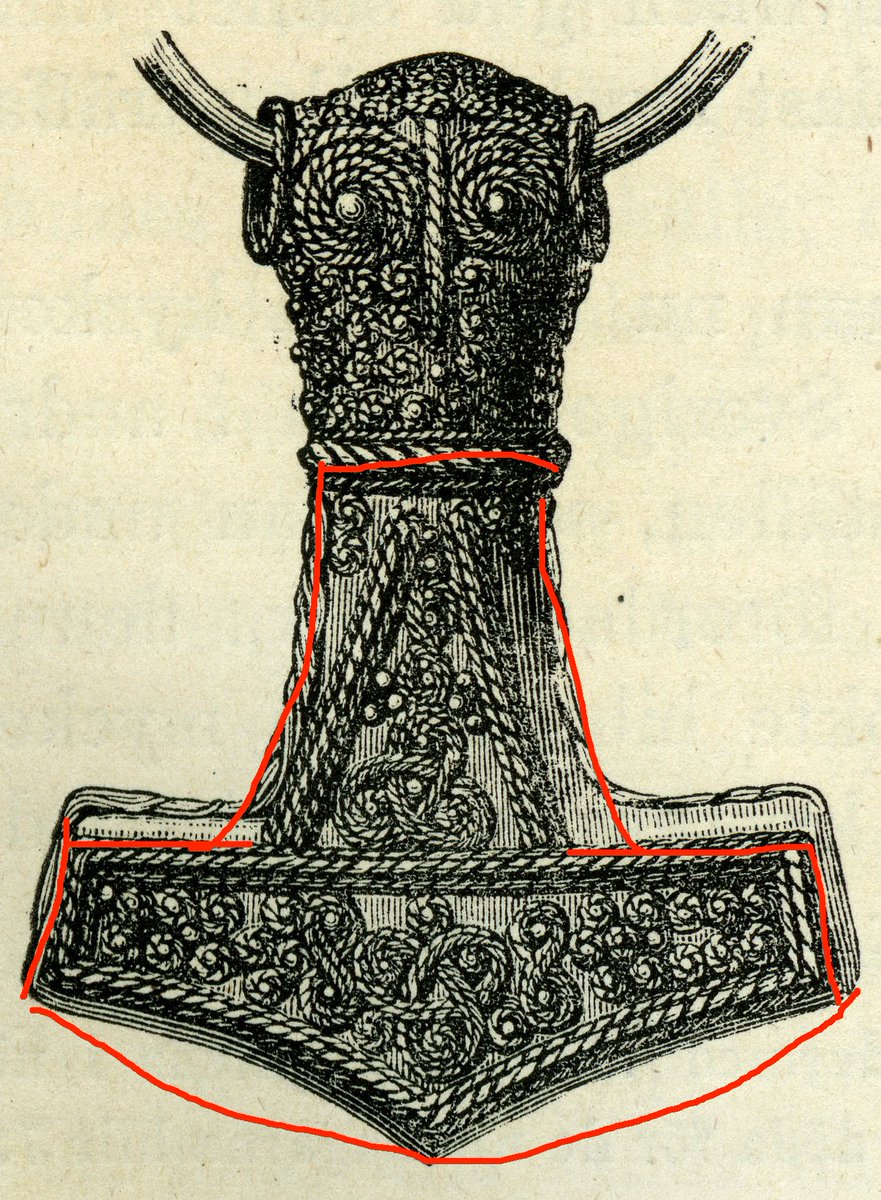
Thor, Norse thunder god, wielded a hammer...

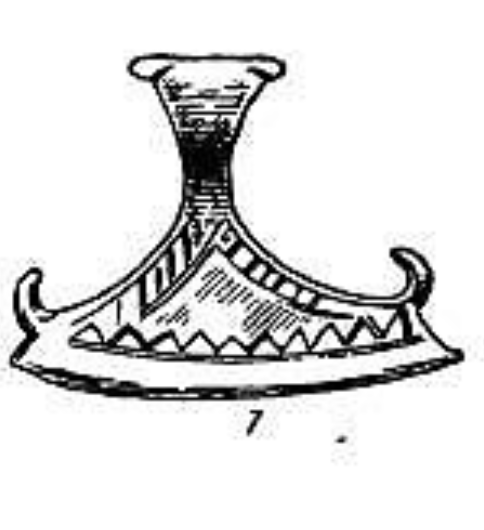
Both Slavs and Norse wore axe (hammer) protective amulets...

Left: Thor's hammer amulet
Right: Perun's axe amulet
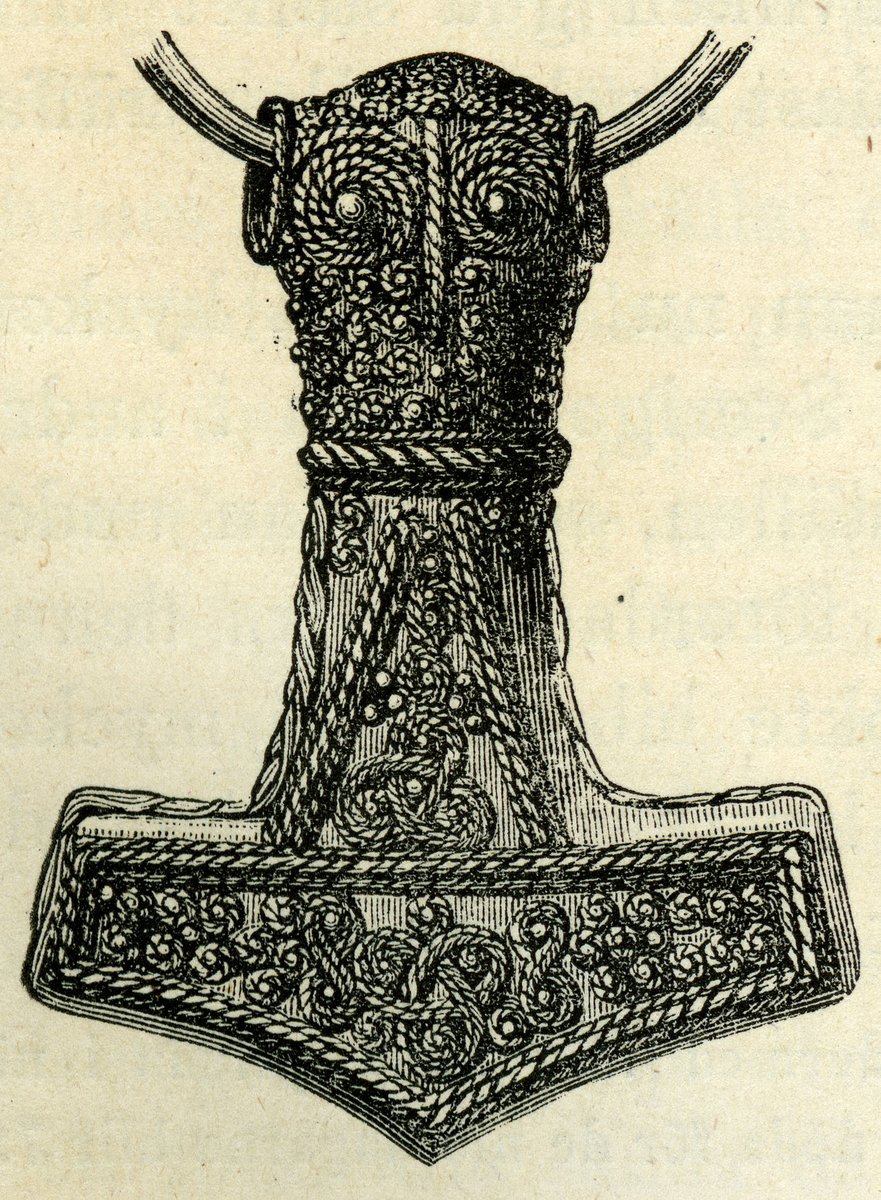
I always thought that Thor's hammer looked like a stylized axe...
That Thor's "hammer" probably was originally an axe, can be seen from this next artifact. A museum in Utrecht has a relic called "the hammer of St. Martin of Tours".

The "hammer" was made in the 13th or 14th c. from a Bronze Age stone axe dated to 1,000 - 700 BC...
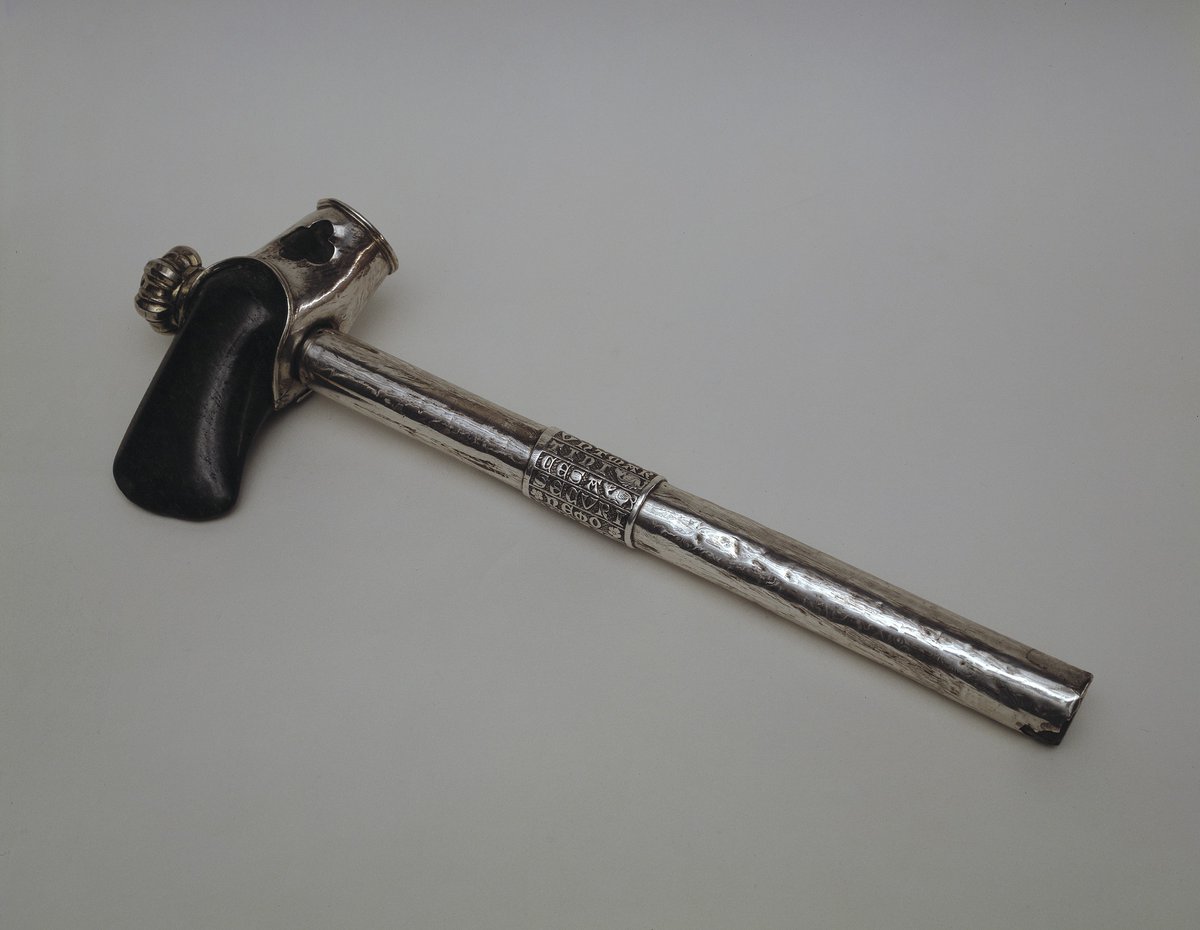
What does this have to do with Thor's hammer? Well, St Martin thunder god in saintly disguise. Oh and Utrecht was founded by Slavic tribe Wiltzi (who worshiped thunder god with an axe) and was originally called Wiltaburg. More in: oldeuropeanculture.blogspot.com/2020/02/axe-of…
But the main indication that Thor's hammer was originally an axe, is the etymology of the the Thor's axe name: Mjǫllnir, "which is disputed among historical linguists". You'll quickly see why. Here are proposed etymologies, and you tell me which one is most plausible...
1. Old Norse Mjǫllnir developed from Proto-Norse *melluniaR. This connects it to Old Church Slavonic mlunuji and Russian molnija meaning "lightning", which would make Mjǫllnir "the lightning-maker" (either borrowed from a Slavic or both stemming from a common source)...
2. Another proposal connects Mjǫllnir to Old Norse mjǫll meaning "new snow" and modern Icelandic mjalli meaning "the color white", rendering Mjǫllnir as "shining lightning weapon"???
3. Finally, another proposal connects Old Norse Mjǫllnir to Old Norse mala meaning "to grind" and Gothic malwjan "to grind", yielding Mjǫllnir as meaning 'the grinder'???
Considering the amount of mixing between Slavs and Norse and mutual cultural influences, and the fact that Thor made lightning with his "hammer" (actually axe), I would go with number one...Controversial!!! 🙂 But most logical...
Particularly in light of the fact that stone axes were directly linked with thunder gods for millenniums in Eurasia...
oldeuropeanculture.blogspot.com/2021/07/kataib…
One last thing: In Scandinavia thunderstones (Neolithic/Bronze Age flint axes) were frequently worshiped as family gods who kept off spells and witchcraft..en.wikipedia.org/wiki/Thunderst… So...
And finally (promise 🙂) The word "mo(ld)nya" (lightning) exists in all Slavic languages. en.wiktionary.org/wiki/Reconstru… It's cognates, apart from Norse Mjǫllnir are: Latvian milna (hammer of the thunderer 🙂), Old Prussian mealde (lightning), Middle Welsh mellt, myllt (lightning)...
🙂 Did I mention that the word for Thursday (Thor’s day) was in the Polabian Baltic Slavic language, Peründan (Perun's day)...

britannica.com/topic/Perun

THE END...

• • •

Missing some Tweet in this thread? You can try to force a refresh

 

Keep Current with oldeuropeanculture

oldeuropeanculture Profile picture

Stay in touch and get notified when new unrolls are available from this author!

Read all threads

This Thread may be Removed Anytime!

PDF

Twitter may remove this content at anytime! Save it as PDF for later use!

Try unrolling a thread yourself!

how to unroll video
  1. Follow @ThreadReaderApp to mention us!

  2. From a Twitter thread mention us with a keyword "unroll"
@threadreaderapp unroll

Practice here first or read more on our help page!

More from @serbiaireland

4 Jul
Thread: In which I will propose that some of our myths about sky gods are in fact very very old scientific theories which tried to explain the available observed phenomena in the best possible way with the knowledge of the universe people possessed at that time...
Actually I would even argue that we would most likely explain the same observed phenomena today in the same way, if we weren't taught all that "science stuff" at school that some "smart scientists" figured out already, so we don't have to...
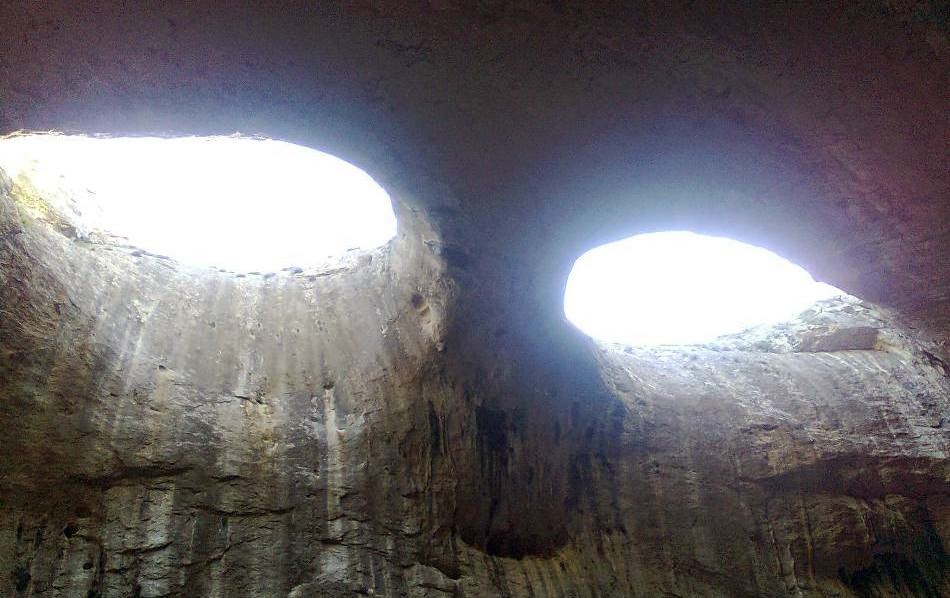
So I will start with telling you where the super cool image from the first tweet is from. It's from Prohodna cave in Bulgaria, which was possibly used as an early sky god temple oldeuropeanculture.blogspot.com/2015/01/the-ey…
Read 35 tweets
3 Jul
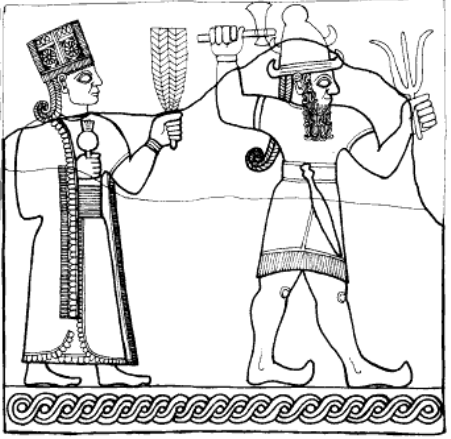
Tread: Very interesting: A drawing of a relief from the great staircase from the Luwian city of Carchemish. It depicts the storm god Tarhunt, holding an axe and vajra (lightning trident), leading the earth goddess Kubaba, holding grain and poppies...🙂 Sounds familiar? Image
The drawing is from this great article: "Building Inscriptions of Carchemish: The Long Wall of Sculpture and Great Staircase" by J. D. Hawkins

jstor.org/stable/3642555

So why is this drawing interesting?
Check this thread about Demeter from yesterday
Read 11 tweets
2 Jul
Thread: From khanacademy.org/humanities/anc…
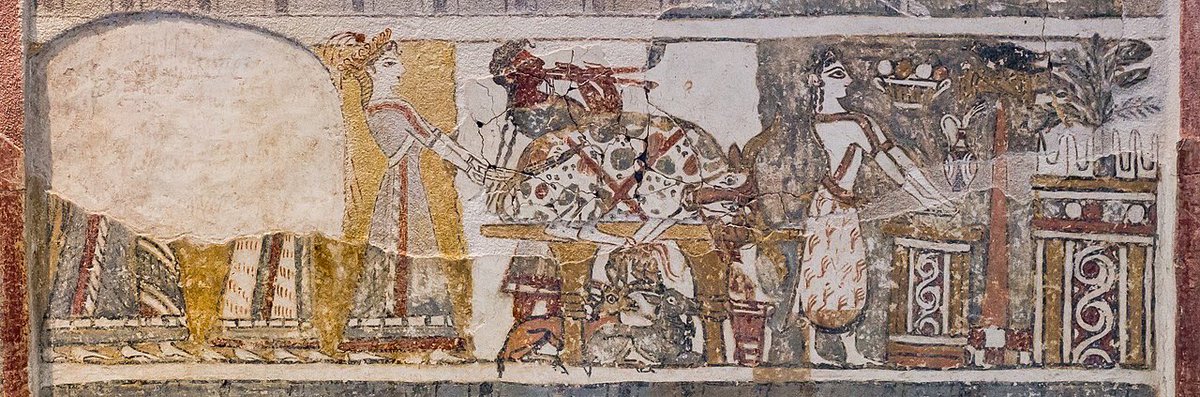
"In some ways what we see on...sarcophagus is simple to understand: women and men...making sacrifices and preparing the deceased for burial before his tomb. However, looking more deeply, many questions remain. How is it to be read?"
A possible reading of the sacrifice panel. From the above article: "...an offering table on which lies a trussed bull...blood...coming from the bull’s neck and pouring into a vessel next to the table. Beneath the table are two small goats, possibly awaiting a similar fate..." Image
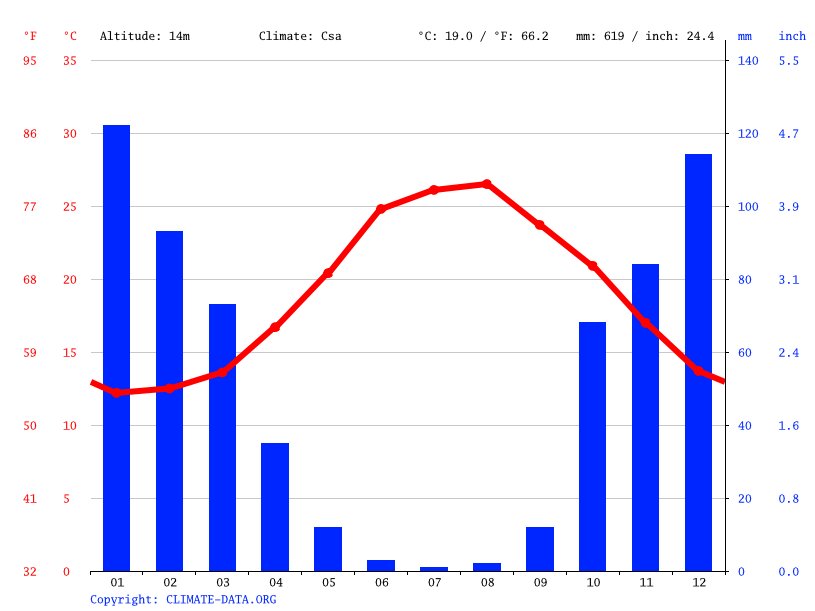
This is climate in Crete...The climatic year is divided into hot and dry half (Apr/May - Sep/Oct) and the cool and wet half (Sep/Oct - Apr/May)... Image
Read 8 tweets
1 Jul
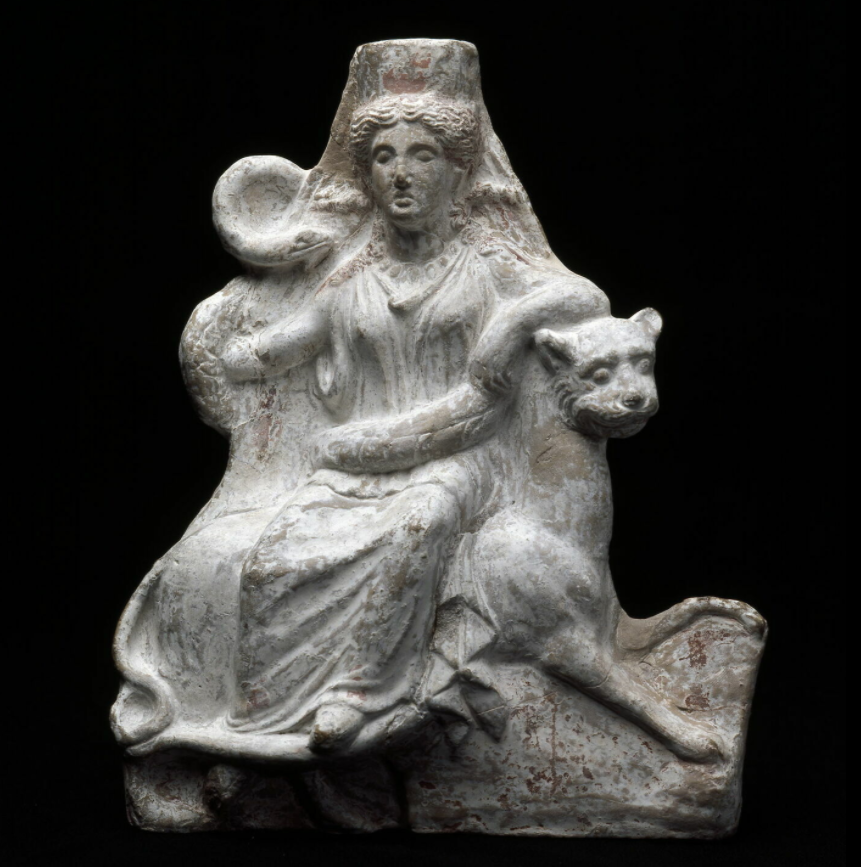
Thread: Goddess Demeter riding a panther. Terracotta figurine from Thebes, 375-325 BCE. Currently in Louvre collections.louvre.fr/en/ark:/53355/…

Very interesting...But I wonder: is this really a panther...Or is it a lioness...Let's see: Image
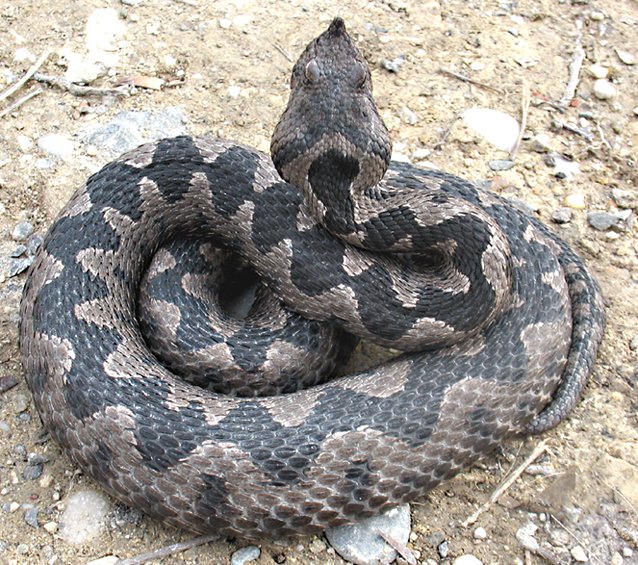
See the snake coiling around the goddess? Why is this snake here? For the same reason why on this Roman relief of Ceres (Roman equivalent of Demeter), the goddess is seen emerging from the ground holding grain and snakes... Image
Snakes are the only true solar animals. They are in our world when sun is in our world (day and hot part of the year) and they are in the underworld when sun is in the underworld (night and cold part of the year)

oldeuropeanculture.blogspot.com/2020/01/enemy-…
oldeuropeanculture.blogspot.com/2020/06/the-ch… Image
Read 32 tweets
28 Jun
Thread: Excerpt from "Srpski mitološki rečnik" (Serbian mythological dictionary) dlscrib.com/download/srpsk…

"Holy oak - In the recent past, Kuči (Tribe from Montenegro) did not have a single whole church. The people had no place to gather or perform religious rites..."
"...Feeling the need for a consecrated place they turned to oaks, a practice common among other Serbs and which, in all likelihood, has its origins in a very ancient, pre-Christian veneration of oaks, and trees in general, among the Slavs..."
"...Any large oak growing in a conspicuous place in or near the village became the village temple. The priest performed church rites under it. People gathered around it for village assemblies and celebrations... "
Read 22 tweets
21 Jun
Thread: "In the beginning, Agni burned all things, but at the insistence of Shiva, Brahma withdrew Agni, and instead created Yama, the god of death" from: "Encyclopaedia of the Hindu World, Volume 1" By Gaṅgā Rām Garg...
Very interesting...Because of this: Nergal, the Mesopotamian god of death, who "represented the high summer sun which scorched the earth...which hindered crop production"...

oldeuropeanculture.blogspot.com/2021/05/winged…
In Mesopotamia, Nergal is associated with lions (is actually depicted as a lion). Why? Because in Mesopotamia, Jul/Aug, Leo, is the hottest and driest part of the year. The time of drought. The time of death...
Read 15 tweets

Did Thread Reader help you today?

Support us! We are indie developers!


This site is made by just two indie developers on a laptop doing marketing, support and development! Read more about the story.

Become a Premium Member ($3/month or $30/year) and get exclusive features!

Become Premium

Too expensive? Make a small donation by buying us coffee ($5) or help with server cost ($10)

Donate via Paypal Become our Patreon

Thank you for your support!

Follow Us on Twitter!

:(