Thread: Flint animals, Ibex, (probably Auroch) bull and (probably migratory) birds...Naqada II, 3650-3450 BC, Egypt, currently in Staatliche Museen zu Berlin. From metmuseum.org/art/metpublica… page 48.
Why these animals?
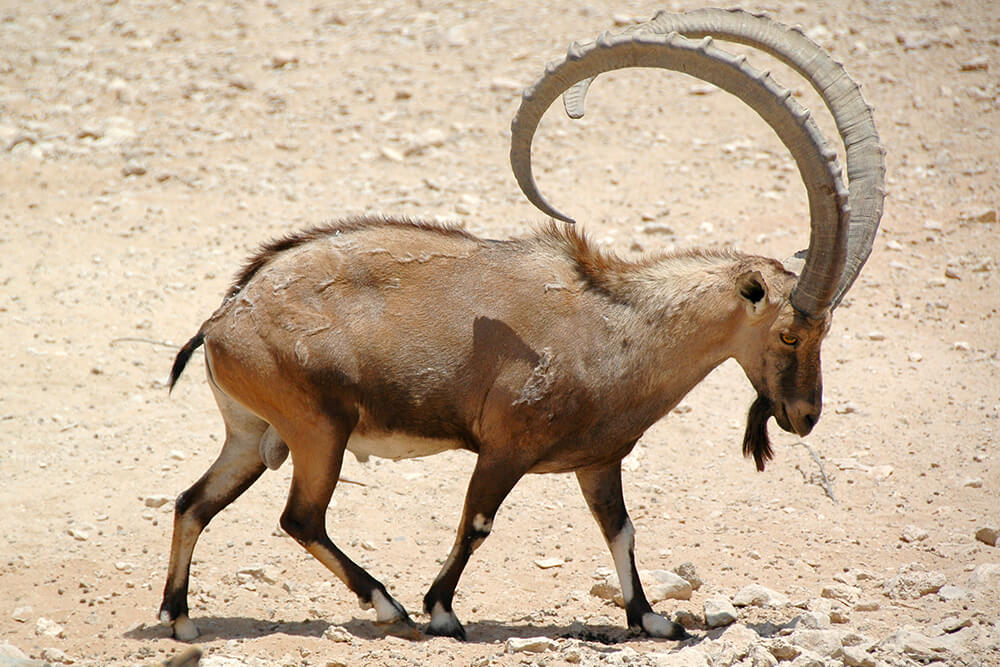
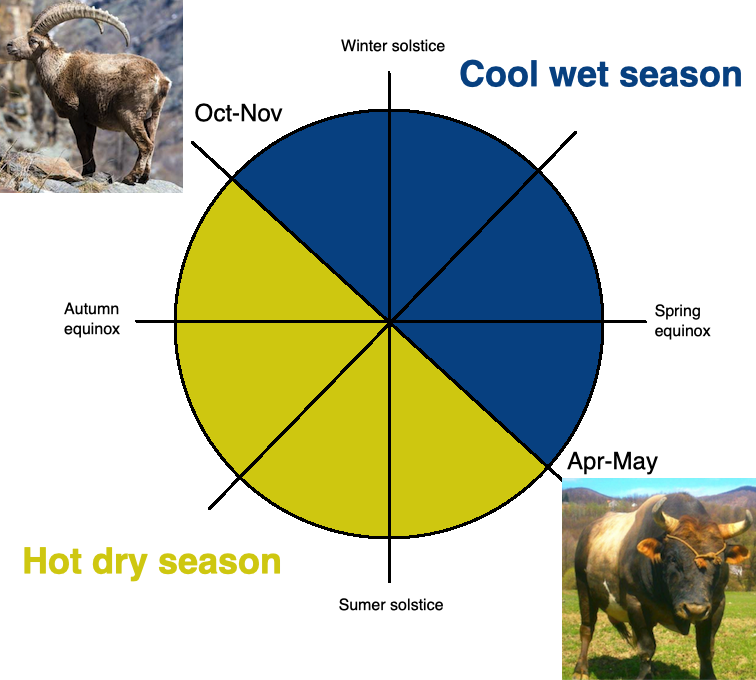
Well Ibex and bull are well known animal calendar markers used throughout Eurasia and North Africa. They mark the beginning of the winter and summer, and in places where the climatic year is divided into dry and wet half, they mark the beginning of dry and wet season too...
I already talked about Ibex as calendar marker in Naqada culture here:
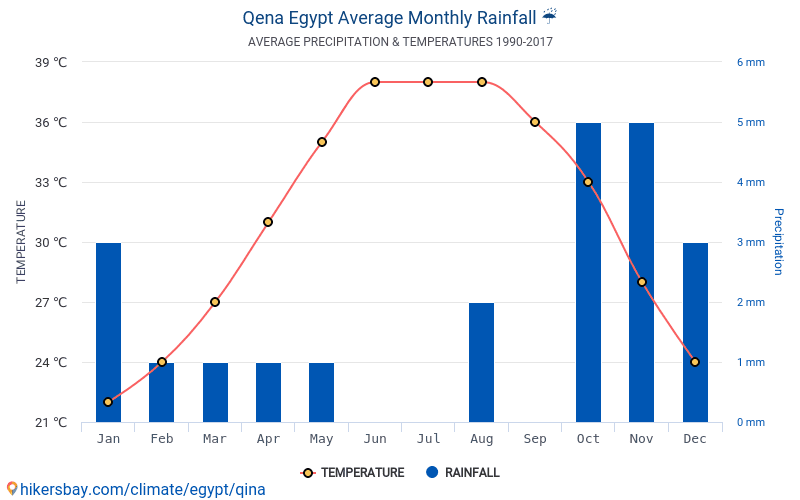
Mating of Nubian ibex coincides with the arrival of rain in the Naqada area
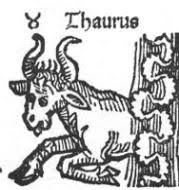
What about bull? Well why is Taurus where it is on the zodiac circle? Not because of stars of course. Because the calving season of the wild Eurasian cattle used to start at the beginning of May, in the middle of Taurus... I talked about this here oldeuropeanculture.blogspot.com/2016/05/ram-an…
How is this related to Naqada? This is the Nile river annual flow chart. The water level starts to rise in Taurus...Which is why we have cow goddesses of fertility in Egypt... oldeuropeanculture.blogspot.com/2020/03/holy-c…
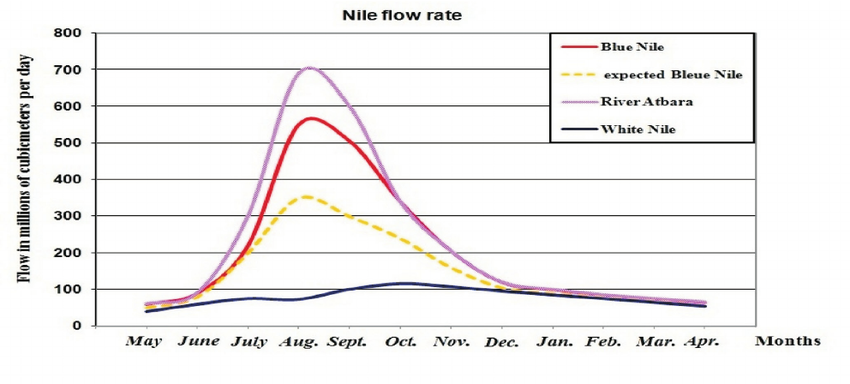
The flood peaks at the beginning of August. Which is the time when Aurochs used to start their mating season...Which is why we have veneration of sacred bulls in Egypt... oldeuropeanculture.blogspot.com/2020/04/white-…
More about animal calendar markers found in ancient cultures, start here oldeuropeanculture.blogspot.com/p/animal-solar… then check the rest of the blog posts I still didn't add to this page, and finally check my twitter threads I still didn't convert to blog post...I am 5 months behind now 🙂🙂🙂🙂
Ah, the birds...Check out the bird migratory seasons up and down the nile in the spring and autumn...Will write about this soon...In relation to Horus...
• • •
Missing some Tweet in this thread? You can try to
force a refresh

A very curious object, made from a wild boar bone. Usage and meaning unknown...But very cool 🙂
It was found in the Neolithic layer in the "Gaban cave shelter" located in Trentino-Alto Ádige, Italy. The shelter was used from Mesolithic to Bronze Age... laboratoriobagolini.it/ricerca/archeo…
One possible interpretation...From top to bottom:
Pray to the sky (human with hands raised up)
For water (zigzag line = flowing water)
And fertility (omega = symbol of the womb and fertility associated with Hathor and Ninhursag)...
But that would be stretching it, right? Cause this object predates the oldest depictions of omega in either Mesopotamia and Egypt...
Thread: In which I will propose that some of our myths about sky gods are in fact very very old scientific theories which tried to explain the available observed phenomena in the best possible way with the knowledge of the universe people possessed at that time...
Actually I would even argue that we would most likely explain the same observed phenomena today in the same way, if we weren't taught all that "science stuff" at school that some "smart scientists" figured out already, so we don't have to...
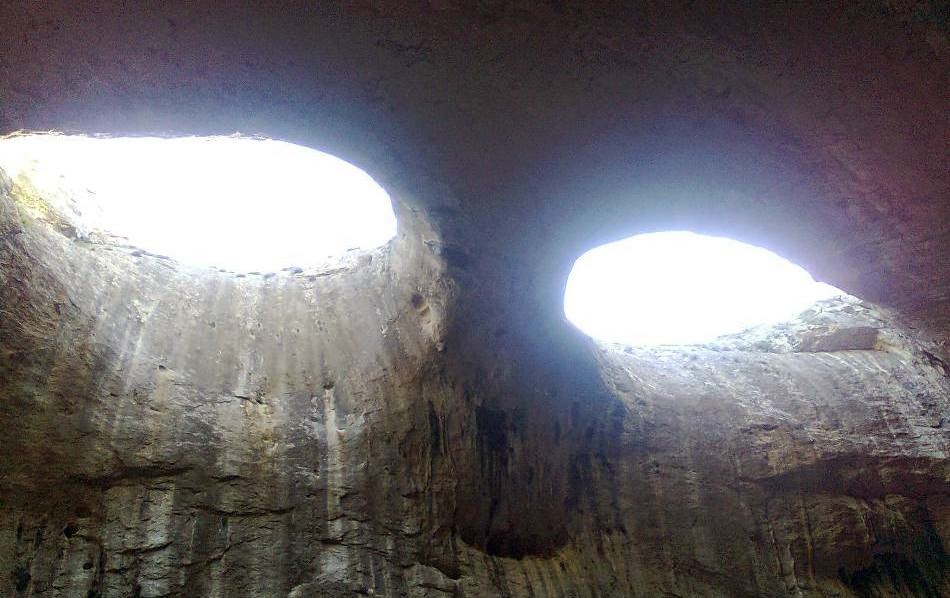
So I will start with telling you where the super cool image from the first tweet is from. It's from Prohodna cave in Bulgaria, which was possibly used as an early sky god temple oldeuropeanculture.blogspot.com/2015/01/the-ey…
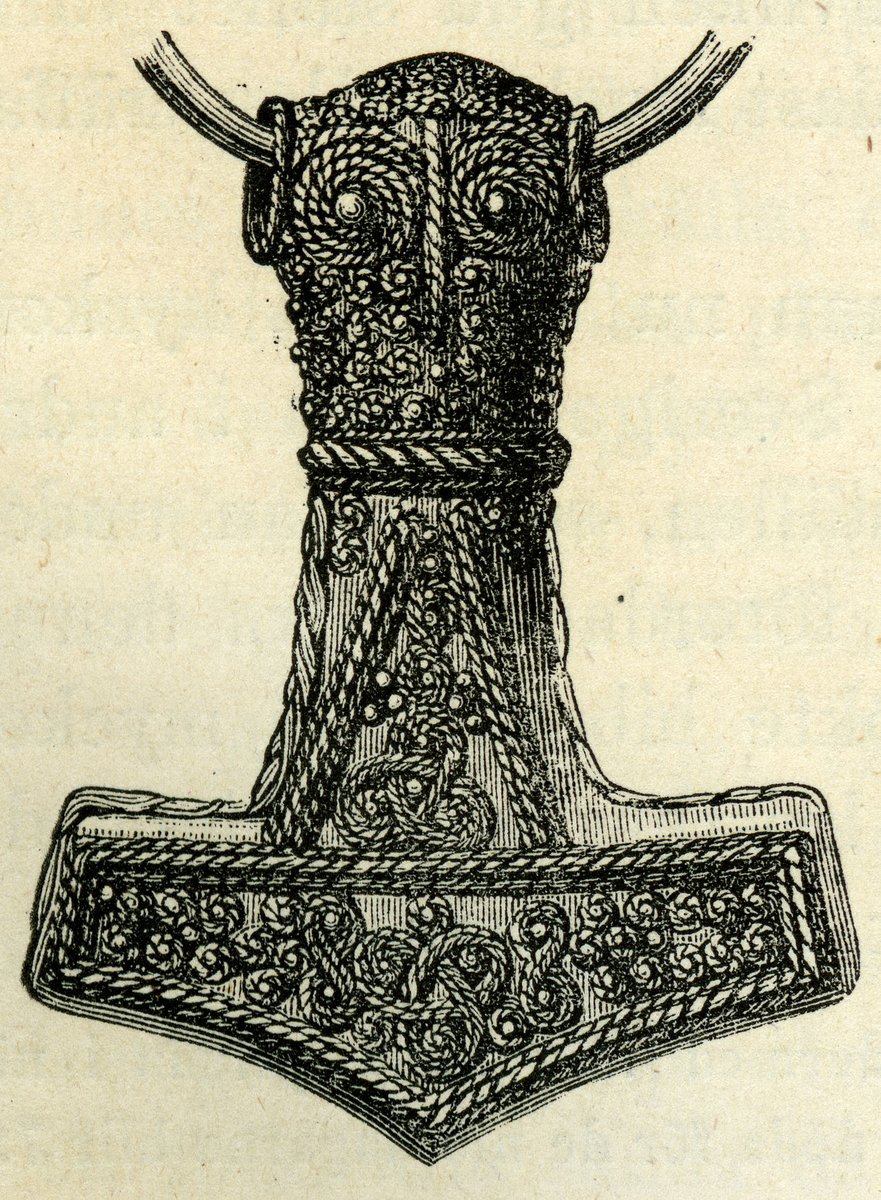
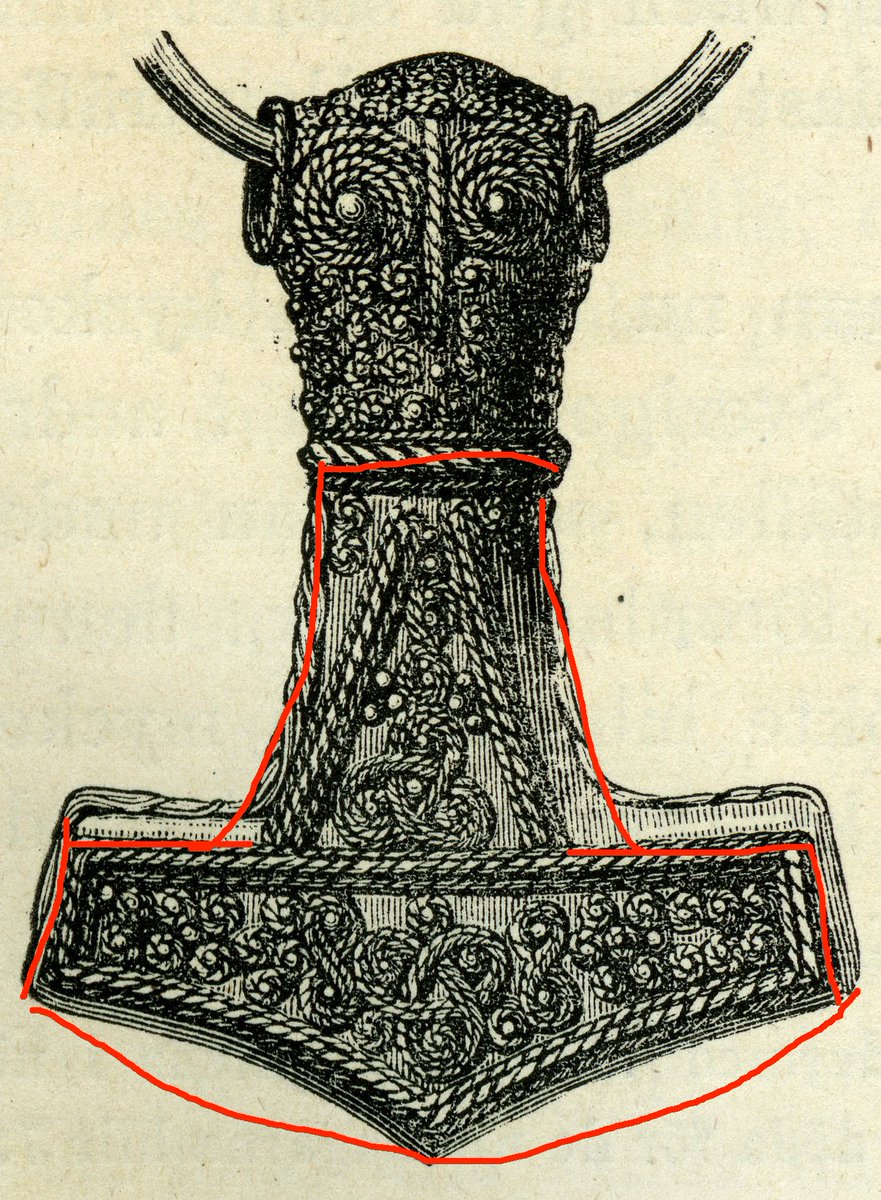
I always thought that Thor's hammer looked like a stylized axe...
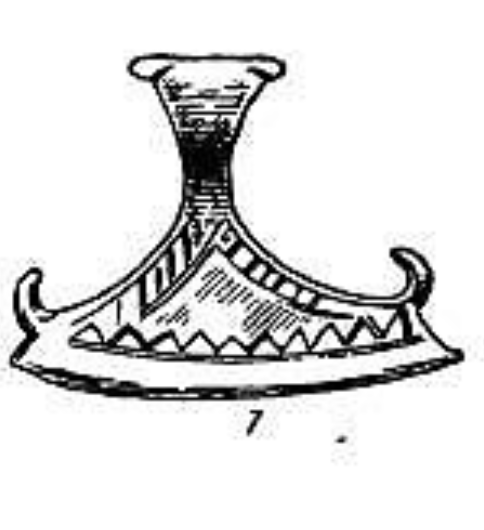
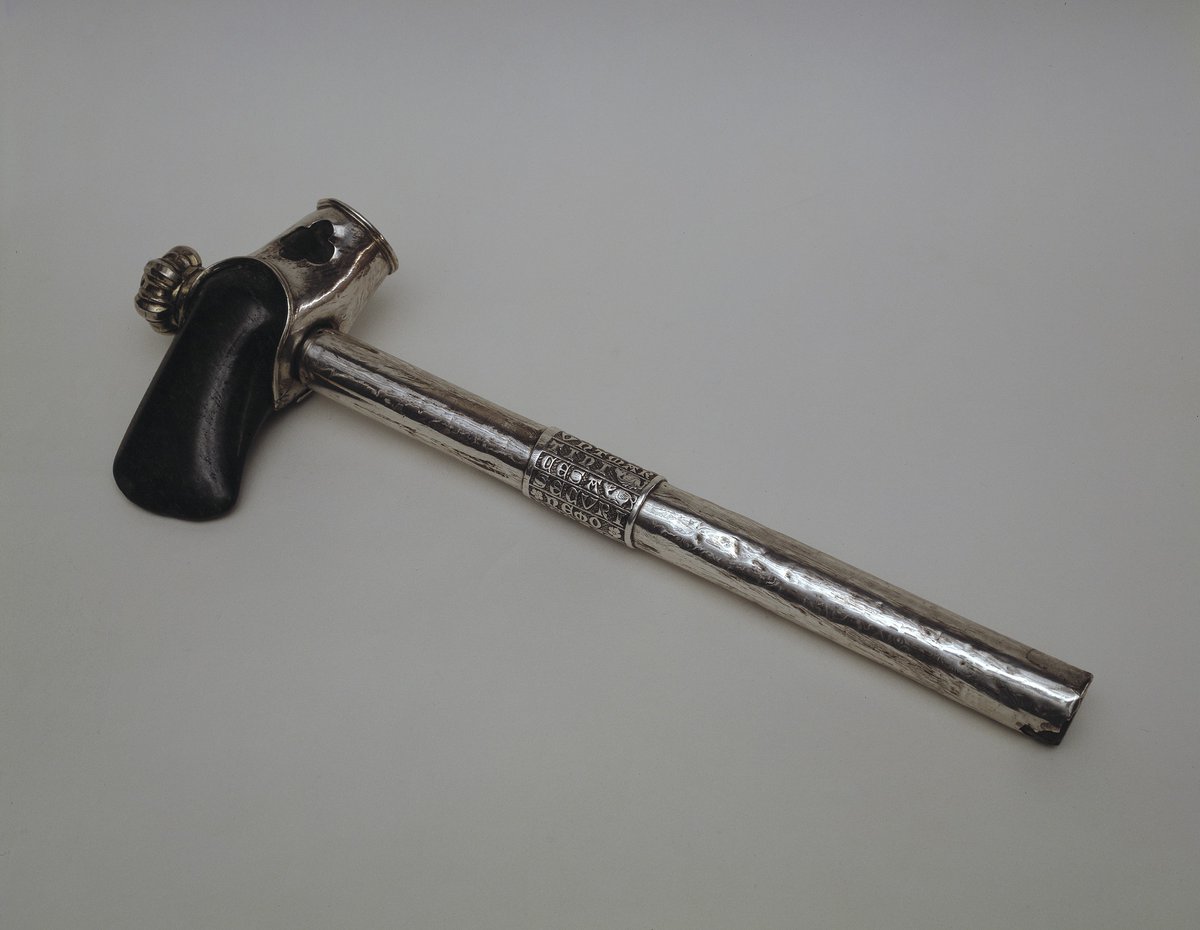
That Thor's "hammer" probably was originally an axe, can be seen from this next artifact. A museum in Utrecht has a relic called "the hammer of St. Martin of Tours".
The "hammer" was made in the 13th or 14th c. from a Bronze Age stone axe dated to 1,000 - 700 BC...
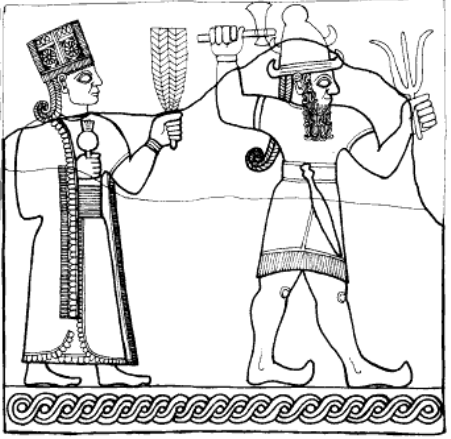
Tread: Very interesting: A drawing of a relief from the great staircase from the Luwian city of Carchemish. It depicts the storm god Tarhunt, holding an axe and vajra (lightning trident), leading the earth goddess Kubaba, holding grain and poppies...🙂 Sounds familiar?
The drawing is from this great article: "Building Inscriptions of Carchemish: The Long Wall of Sculpture and Great Staircase" by J. D. Hawkins
Thread: From khanacademy.org/humanities/anc…
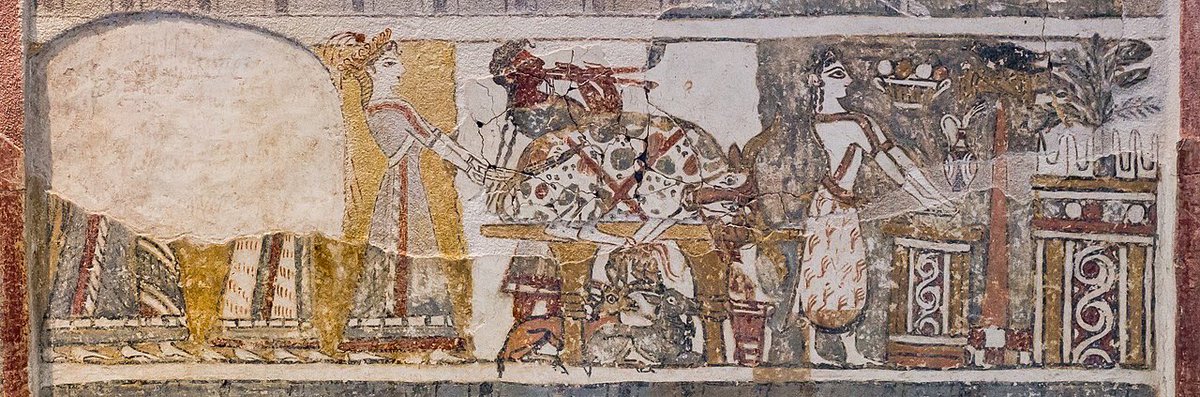
"In some ways what we see on...sarcophagus is simple to understand: women and men...making sacrifices and preparing the deceased for burial before his tomb. However, looking more deeply, many questions remain. How is it to be read?"
A possible reading of the sacrifice panel. From the above article: "...an offering table on which lies a trussed bull...blood...coming from the bull’s neck and pouring into a vessel next to the table. Beneath the table are two small goats, possibly awaiting a similar fate..."
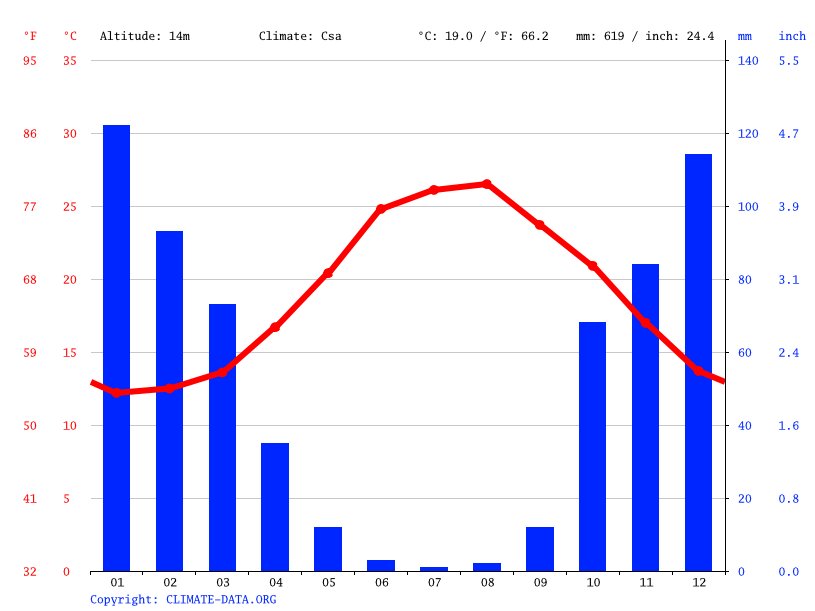
This is climate in Crete...The climatic year is divided into hot and dry half (Apr/May - Sep/Oct) and the cool and wet half (Sep/Oct - Apr/May)...
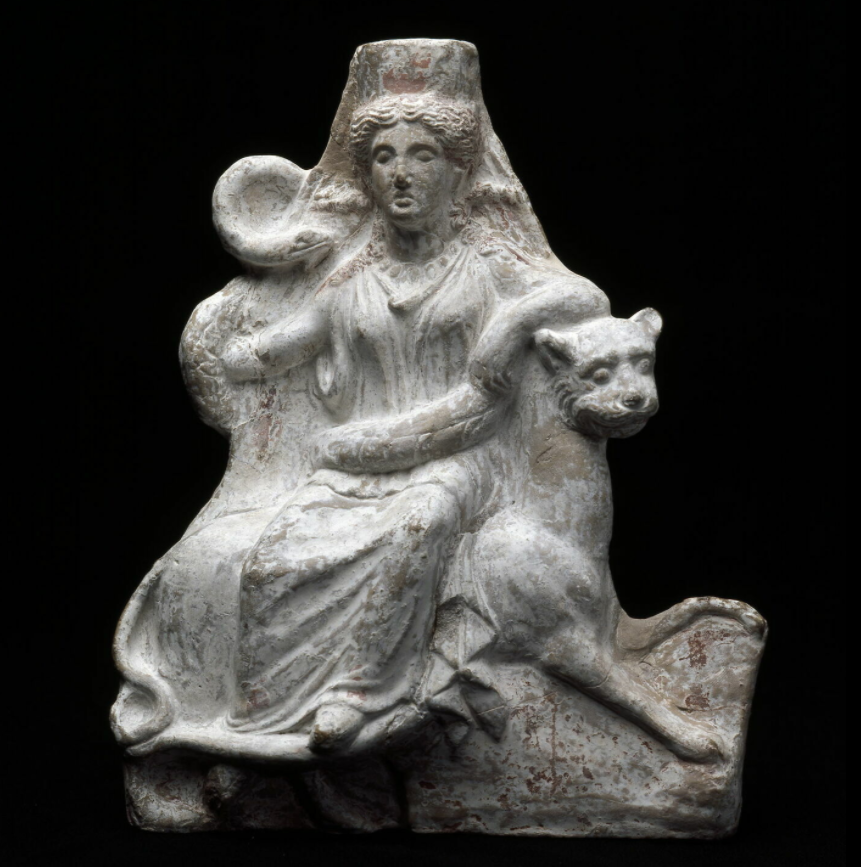
Very interesting...But I wonder: is this really a panther...Or is it a lioness...Let's see:
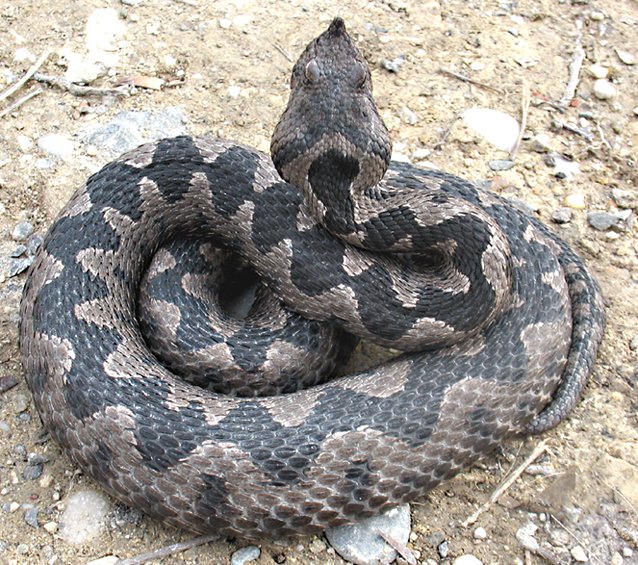
See the snake coiling around the goddess? Why is this snake here? For the same reason why on this Roman relief of Ceres (Roman equivalent of Demeter), the goddess is seen emerging from the ground holding grain and snakes...
Snakes are the only true solar animals. They are in our world when sun is in our world (day and hot part of the year) and they are in the underworld when sun is in the underworld (night and cold part of the year)