What should we do with Russia's security proposals? The obvious temptation is to dismiss them as propaganda and reject them outright. I'd argue this is not the best approach. Instead, the package should be "untied" (to use a term that made the 1987 INF breakththrough possible).
Consider e.g. Article 5 - the undertaking not to deploy INF and shorter-range weapons. This is a constructive proposal that would help strategic stability. Reject? No, pursue and see what happens.
What about Article 3. Russia's proposal to improve coordination to prevent accidental escalation, especially in the Black Sea and the Baltics + an undertaking not to see the other side as the enemy. Reject? No, pursue and see what happens.

Article 2? Improve consultations, including in the context of the Russia-NATO council (fairly constructive in view of Russia's recent rhetoric about ending all business with NATO). Hot lines among NATO member-states and Russia. A bad idea? Not at all. Pursue and see what happens.
In short, it's important to separate the wheat from the chaff. That's why NATO's response should be to engage (which would also erode Russia's propaganda gains from an outright rejection). Untie the package. Dump the unacceptable. Pursue the reasonable.
• • •
Missing some Tweet in this thread? You can try to
force a refresh

You thought Putin is an Internet phantom but he still meets with real people, today apparently with Mongolia's President U. Khurelsukh: ikon.mn/n/2ett. Mongolia, the only (relatively) stable democracy in the broader region, has adroitly managed ties with both neighbours.
But it's always interesting to see where the winds are blowing. The key task for Ulaanbaatar is extracting Russia's support for various transit corridors. They scored a big gas pipeline some time ago (still a little bit in the air it seems)...
But here Khurelsukh was pushing for rail links, connecting China and Russia through eastern and western parts of Mongolia. Seems unlikely but, then, I thought the gas pipeline was unlikely but they seemingly were able to secure the Kremlin's support for it at last.
So in view of today's conversation between Putin and Xi Jinping (and also as a reality check against the backdrop of exciting commentary that China and Russia have become allies), let's briefly talk about the difference between an alliance and an alignment.
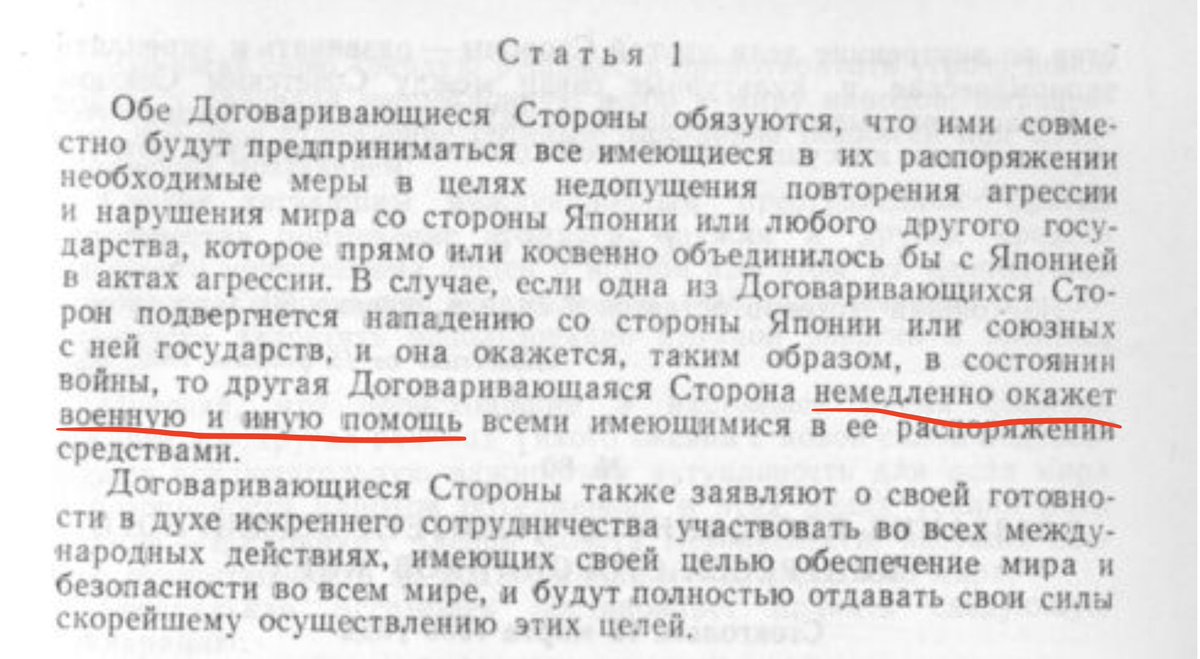
An alliance entails a commitment to come to mutual defence. NATO is an alliance. This commitment is contained in Article 5. The Sino-Soviet treaty of 1950 was an alliance. Article 1 committed parties to provide "immediate military and other aid" in case of attacks by a 3rd party.
Alliances go deeper and wider, and, in NATO's case, for example, include centralised command, interoperability etc. These are secondary, however, to the basic commitment to enter the fray in case of a military conflict. You don't have this with Russia/China.
This here is extremely interesting from Putin's spokesman Dmitrii Peskov: tass.com/politics/13752…. In commenting on the forthcoming conversation between Putin and Xi Jinping (Dec. 15), he called the Chinese "allies."
Hang on a minute - who? Allies? Have Russia and China become allies? What's going here?
The simple answer is no. Russia and China do not have a treaty of alliance, and, in particular, any commitment to mutual defence in case of a conflict with a third party. This provision was contained in the 1950 Sino-Soviet treaty of alliance (Article 1).
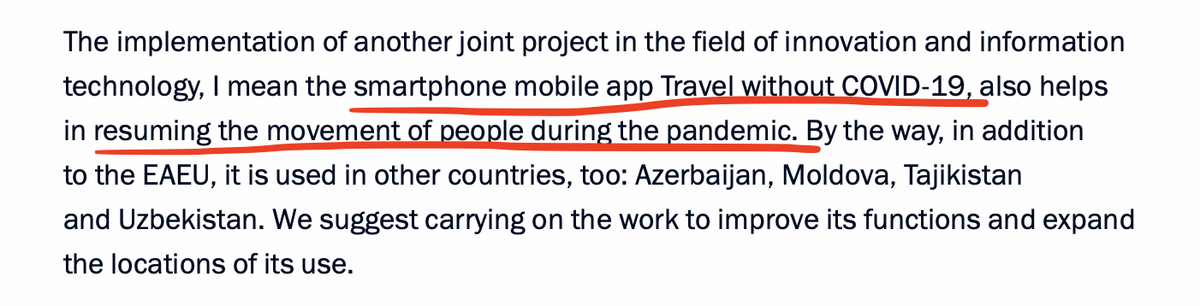
Ha. That's worth reading. Putin's speech at the meeting of the Supreme Eurasian Economic Council the other day: en.kremlin.ru/events/preside….
Putin praises the wonders of Eurasian economic integration. Like how about the wonderful new app called "Travel Without Covid" that helps the movement of people.
Of course you are all wondering whether he addressed this important new initiative that facilitates the movement of migrants to Russia. bloomberg.com/news/articles/…. The answer is: ummm, no.
A few days after Fyodor Lukyanov's piece on the "Finlandization" of Ukraine, Lavrov proposes a "not one inch to the East" treaty at an OSCE conference in Sweden. Lots of interesting symbolism here. Won't fly very far (I mean his proposal). That's because the times are different.
When Gorbachev missed his opportunity to have Baker's "not one inch to the East" promise codified in a legally-minding agreement (on Feb. 9, 1990), the opportunity was actually there. That was because the USSR was no longer an enemy. Gorbachev could ride far on that goodwill.
But what Lavrov is peddling is much more analogous to Moscow's proposals of the 1950s like Stalin's note on Germany, or Moscow's calls for dismantling military blocs in Europe, or various Soviet universal disarmament initiatives: just propaganda (which they know is propaganda).
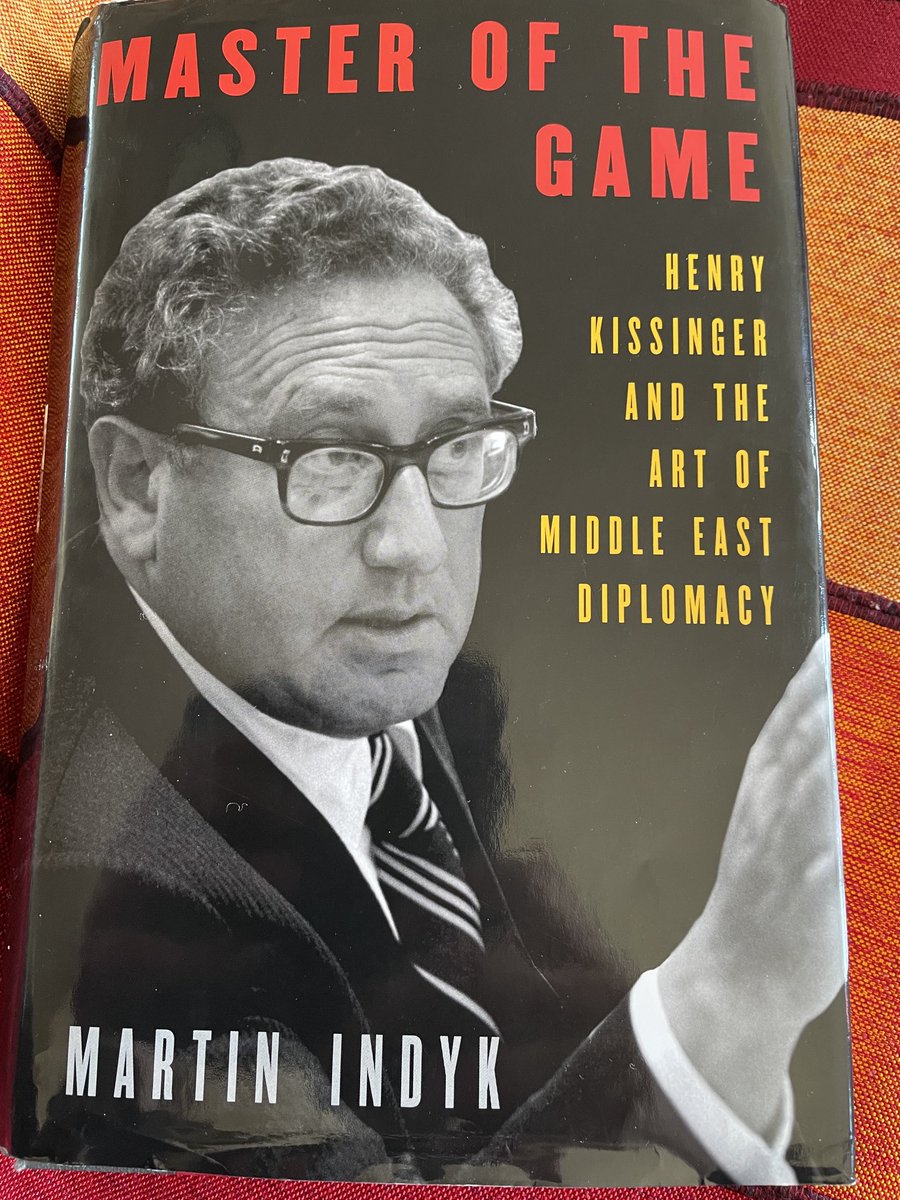
Current commuter read. Great stuff. Hard to disagree with Indyk that Kissinger outplayed the Soviets in the Middle East. Very skillfully done.
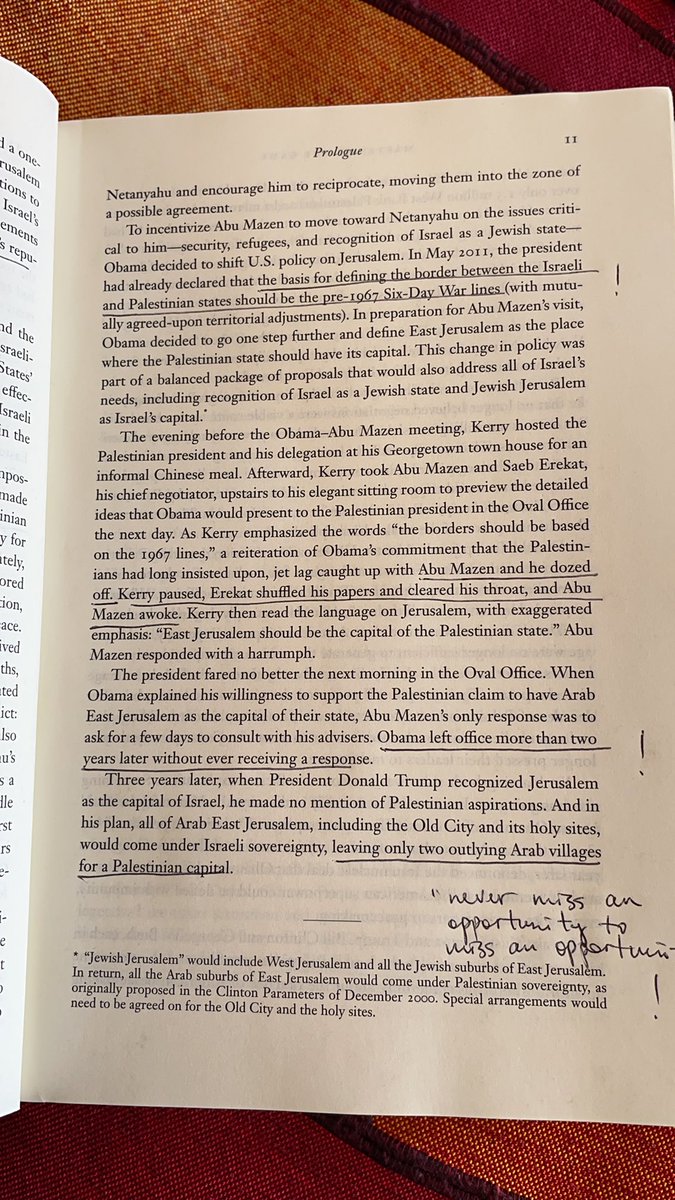
Sort of laughed out loud reading here about Obama’s meeting with Mahmoud Abbas. Indyk’s book is a memoir of a kind. He goes back and forth between Kissinger and the later years.
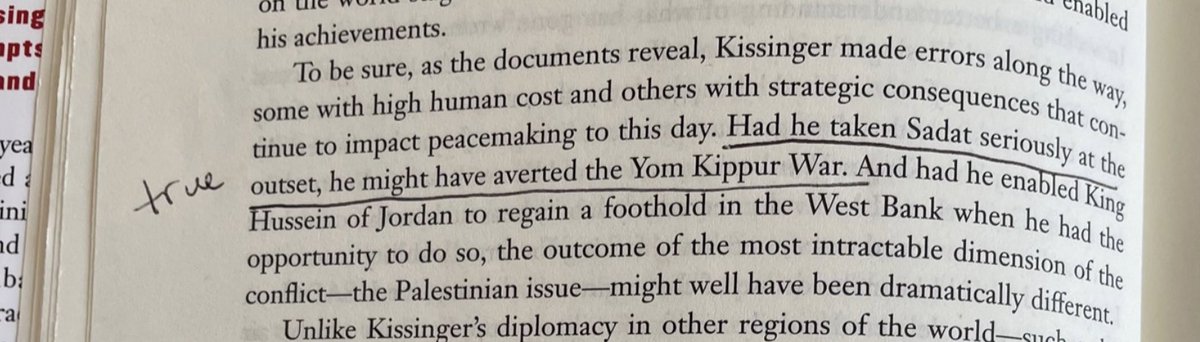
Generally very complimentary, Indyk can be critical of Kissinger's performance. Like here he argues Kissinger did not take Sadat seriously and so failed to avert the Yom Kippur War.