👉 New -- Partygate referees: why are they so spooky?
by @pmillerinfo
Many people running Whitehall watchdogs have spent time in or around UK intelligence & the secret state. Can they be trusted, when their careers are often cloaked in secrecy?
THREAD
declassifieduk.org/partygate-refe…
by @pmillerinfo
Many people running Whitehall watchdogs have spent time in or around UK intelligence & the secret state. Can they be trusted, when their careers are often cloaked in secrecy?
THREAD
declassifieduk.org/partygate-refe…
1. Sue Gray -- #Partygate inquisitor-in-chief.
Even the BBC seems unable to rule out whether Gray was a spy.
Radio 4 said: “More than one person we've spoken to has suggested that Sue Gray might have been involved with the secret services.”
Even the BBC seems unable to rule out whether Gray was a spy.
Radio 4 said: “More than one person we've spoken to has suggested that Sue Gray might have been involved with the secret services.”

2. Cressida Dick -- Head of the Met
The police commissioner has a mysterious gap on her CV. She was seconded to the Foreign Office in 2015 for an anonymous security role.
Many assume the posting was cover for MI6. #Partygate
The police commissioner has a mysterious gap on her CV. She was seconded to the Foreign Office in 2015 for an anonymous security role.
Many assume the posting was cover for MI6. #Partygate
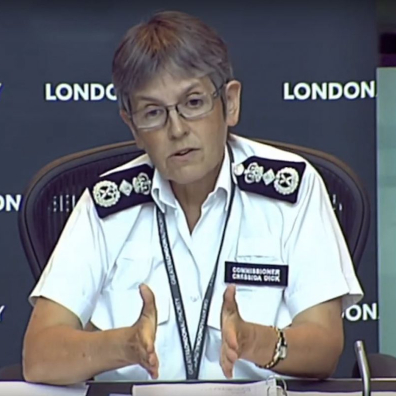
3. Simon Case -- GCHQ’s man
Case was Director of Strategy at GCHQ.
Now Cabinet Secretary and effectively the UK’s top civil servant, he was originally picked to lead the #partygate probe until it emerged a knees-up was held in his own office during lockdown.
Case was Director of Strategy at GCHQ.
Now Cabinet Secretary and effectively the UK’s top civil servant, he was originally picked to lead the #partygate probe until it emerged a knees-up was held in his own office during lockdown.
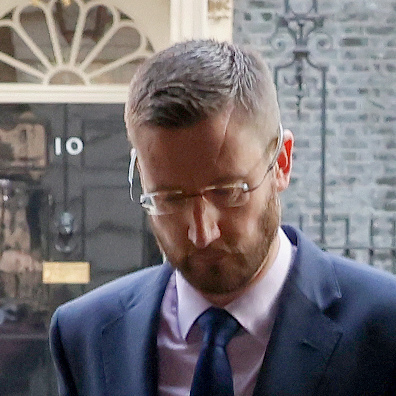
4. Lord Jonathan Evans -- MI5’s man
This ex-head of MI5 chairs the government’s Committee on Standards in Public Life. His appointment raised eyebrows at the time given he had six other paid jobs.
We are allowed to know almost nothing about Evans’ MI5 career.
This ex-head of MI5 chairs the government’s Committee on Standards in Public Life. His appointment raised eyebrows at the time given he had six other paid jobs.
We are allowed to know almost nothing about Evans’ MI5 career.

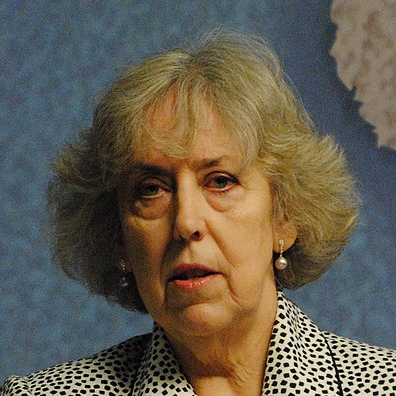
5. Eliza Manningham-Buller -- MI5’s woman
A former head of MI5 who was given a peerage, she has just been appointed chair of parliament’s “Conduct Committee”.
This body “reviews and oversees the Codes of Conduct and the work of the House of Lords Commissioner for Standards.”
A former head of MI5 who was given a peerage, she has just been appointed chair of parliament’s “Conduct Committee”.
This body “reviews and oversees the Codes of Conduct and the work of the House of Lords Commissioner for Standards.”
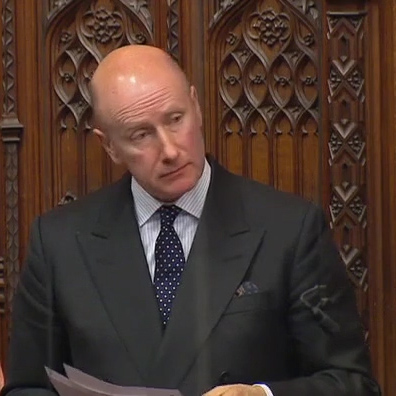
6. Lord Geidt -- The Sultan’s man
A former army intelligence officer, he's meant to ensure ministers properly declare their financial interests. He’s less keen to answer questions about who paid for his private jet trips to Oman.
A former army intelligence officer, he's meant to ensure ministers properly declare their financial interests. He’s less keen to answer questions about who paid for his private jet trips to Oman.
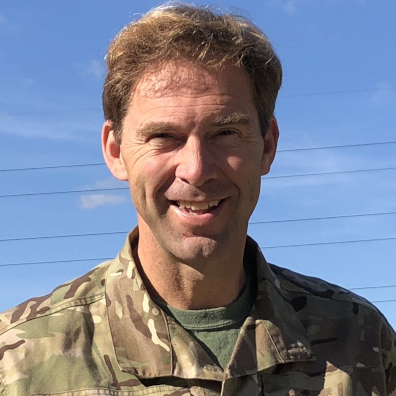
7. Lieutenant Colonel Tobias Ellwood MP -- The psyops man
Despite being a reservist in the army’s 77th Brigade – a secretive information warfare unit – he chairs parliament’s defence committee, a body which is supposed to scrutinise the UK military.
Despite being a reservist in the army’s 77th Brigade – a secretive information warfare unit – he chairs parliament’s defence committee, a body which is supposed to scrutinise the UK military.
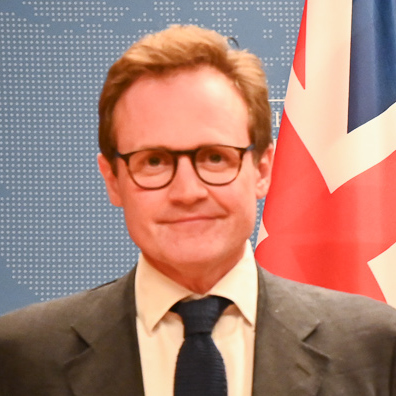
8. Tom Tugendhat -- The committee’s man
He chairs parliament's committee overseeing the Foreign Office. The son of a High Court judge, he studied Islam, learnt Arabic and joined army intelligence, then served in Iraq and advised Afghanistan's national security council.
He chairs parliament's committee overseeing the Foreign Office. The son of a High Court judge, he studied Islam, learnt Arabic and joined army intelligence, then served in Iraq and advised Afghanistan's national security council.
9. Stephen Hawker -- MI5’s censor
Former deputy head of MI5, he sits on the censorship watchdog at National Archives.
MI5 is not required to release historic papers. Even if it did, it needn't not worry. The watchdog rubber stamps around 99% of government censorship requests.
Former deputy head of MI5, he sits on the censorship watchdog at National Archives.
MI5 is not required to release historic papers. Even if it did, it needn't not worry. The watchdog rubber stamps around 99% of government censorship requests.
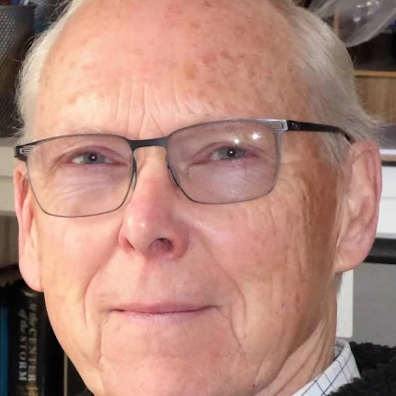
10. Martin Howard -- GCHQ’s censor
Also on the Archives censorship watchdog, he was deputy chief of Defence Intelligence before & after the invasion of Iraq.
His last job in government was Director for Cyber Policy and International Relations at GCHQ.
Also on the Archives censorship watchdog, he was deputy chief of Defence Intelligence before & after the invasion of Iraq.
His last job in government was Director for Cyber Policy and International Relations at GCHQ.
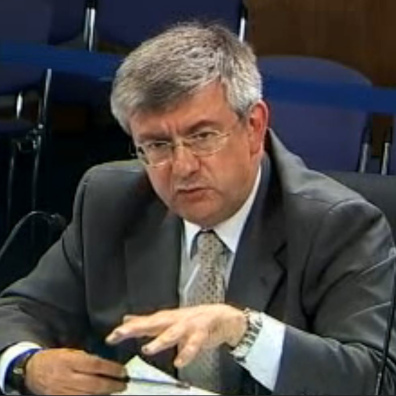
Whatever such people now overseeing government got up to when they worked in intelligence, we will probably never know.
So why should we trust them to referee transparency and standards in public life? #partygate
declassifieduk.org/partygate-refe…
So why should we trust them to referee transparency and standards in public life? #partygate
declassifieduk.org/partygate-refe…
• • •
Missing some Tweet in this thread? You can try to
force a refresh