

1/23 How do you go-to-market in web3?
Web2 & web3 orgs differ on goals, growth, & success metrics.
You start with a clear purpose, grow community around that purpose, & match incentives accordingly.
Summarizing GTM in Web3 by @meigga of @a16z for @ScribeDAO & @SafaryDAO👇
Web2 & web3 orgs differ on goals, growth, & success metrics.
You start with a clear purpose, grow community around that purpose, & match incentives accordingly.
Summarizing GTM in Web3 by @meigga of @a16z for @ScribeDAO & @SafaryDAO👇
2/23 In web2, organizations are structured with centralized leadership making the decisions.
The majority of value is accrued by platforms, rather than users.
The go-to-market (GTM) strategy focuses on generating leads & acquiring and retaining customers via sales & marketing.
The majority of value is accrued by platforms, rather than users.
The go-to-market (GTM) strategy focuses on generating leads & acquiring and retaining customers via sales & marketing.
3/23 Traditional web2 GTM customer acquisition strategies include:
- pricing
- marketing
- partnerships
- sales channel mapping
- Salesforce optimization
Success metrics include time-to-close a lead, website click-through rate, revenue per customer, and more.
- pricing
- marketing
- partnerships
- sales channel mapping
- Salesforce optimization
Success metrics include time-to-close a lead, website click-through rate, revenue per customer, and more.

4/23 In web3, orgs are structured differently.
Many begin centralized & progressively decentralize.
Novel org structures like DAOs require new GTM approaches.
Web3 flips the value prop for early customers.
It's like being an early investor.
You benefit as the network grows.
Many begin centralized & progressively decentralize.
Novel org structures like DAOs require new GTM approaches.
Web3 flips the value prop for early customers.
It's like being an early investor.
You benefit as the network grows.
5/23 Both the stakeholders and the means of acquisition differ between web2 & web3.
Web2: GTM stakeholder = customers, acquired via sales & marketing.
Web3: GTM stakeholder = customers, devs, investors, & partners (the community), acquired via tokens & other incentives.
Web2: GTM stakeholder = customers, acquired via sales & marketing.
Web3: GTM stakeholder = customers, devs, investors, & partners (the community), acquired via tokens & other incentives.
6/23 Web3 GTM strategies vary based on where orgs fit in the following matrix:
- Organizational structure: centralized vs decentralized
- Economic incentives: no token vs token
GTM strategies differ per quadrant & span from web2 strategies to experimental ones
- Organizational structure: centralized vs decentralized
- Economic incentives: no token vs token
GTM strategies differ per quadrant & span from web2 strategies to experimental ones
7/23 GTM strategies serve different purposes for various organization types.
Each of the following sections will be broken down by:
1) Web3 business model
2) Defining features
3) Growth strategy
4) Success metrics
Each of the following sections will be broken down by:
1) Web3 business model
2) Defining features
3) Growth strategy
4) Success metrics
8/23 Decentralized + Token includes orgs, networks, & protocols with web3 operating models & novel GTM strategies.
Token economics attract new members, reward contributors, & align incentives.
Web2: Start w/ product to get users
Web3: Start w/ community, then create a product
Token economics attract new members, reward contributors, & align incentives.
Web2: Start w/ product to get users
Web3: Start w/ community, then create a product
9/23 There are two major categories of web3 orgs.
(1) Decentralized applications for use cases including:
- Decentralized finance (DeFi)
- Non-fungible tokens (NFTs)
- Social networks
- Gaming
(2) Layer 1 blockchains, Layer 2 scaling solutions, & other protocols.
(1) Decentralized applications for use cases including:
- Decentralized finance (DeFi)
- Non-fungible tokens (NFTs)
- Social networks
- Gaming
(2) Layer 1 blockchains, Layer 2 scaling solutions, & other protocols.
10/23 DeFi apps include:
- Decentralized exchanges (@dydxprotocol)
- Stablecoins (DAI by @MakerDAO)
Many DeFi projects are created by a centralized team, then decentralize post-launch.
Decentralization is done by issuing a token, launching a DAO, & granting control to the DAO
- Decentralized exchanges (@dydxprotocol)
- Stablecoins (DAI by @MakerDAO)
Many DeFi projects are created by a centralized team, then decentralize post-launch.
Decentralization is done by issuing a token, launching a DAO, & granting control to the DAO
11/23 @MakerDAO GTM example:
Goal = Generate more usage of DAI stable coin
GTM strategy:
1) Be listed on crypto exchanges
2) Integrate into crypto wallets & applications
3) Get accepted as payment for goods & services
DAI is in 400+ markets & integrated in 100s of projects
Goal = Generate more usage of DAI stable coin
GTM strategy:
1) Be listed on crypto exchanges
2) Integrate into crypto wallets & applications
3) Get accepted as payment for goods & services
DAI is in 400+ markets & integrated in 100s of projects
12/23 Maker's GTM strategy was accomplished by:
- Traditional business development team drove early partnerships
- Biz dev function later became responsibility of @MakerDAO SubDAO
- Open source, so devs can integrate it in apps via self-service
- Dev docs helped DAI scale
- Traditional business development team drove early partnerships
- Biz dev function later became responsibility of @MakerDAO SubDAO
- Open source, so devs can integrate it in apps via self-service
- Dev docs helped DAI scale
13/23 GTM metrics for DeFi DAOs:
Canonical metric is total value locked (TVL), representing all assets using protocol for trading, staking, & lending
Other metrics include:
- # unique token holders
- # integrations
- # exchange listings
- $ protocol revenue
Canonical metric is total value locked (TVL), representing all assets using protocol for trading, staking, & lending
Other metrics include:
- # unique token holders
- # integrations
- # exchange listings
- $ protocol revenue
14/23 For social, culture, & art DAOs, GTM means building a community with a specific purpose.
@ConstitutionDAO's purpose was to buy a copy of the US constitution.
In web3, purpose is paramount, but methods are figured out later (how funds are used, product roadmap, timeline).
@ConstitutionDAO's purpose was to buy a copy of the US constitution.
In web3, purpose is paramount, but methods are figured out later (how funds are used, product roadmap, timeline).
15/23 @FWBtweets GTM example:
FWB is a token-gated social DAO.
The community grew, ran IRL events, & realized that they could build a token-gated events app.
FWB gives real stake in community, while DAO framework enables large-scale coordination to accomplish projects.
FWB is a token-gated social DAO.
The community grew, ran IRL events, & realized that they could build a token-gated events app.
FWB gives real stake in community, while DAO framework enables large-scale coordination to accomplish projects.
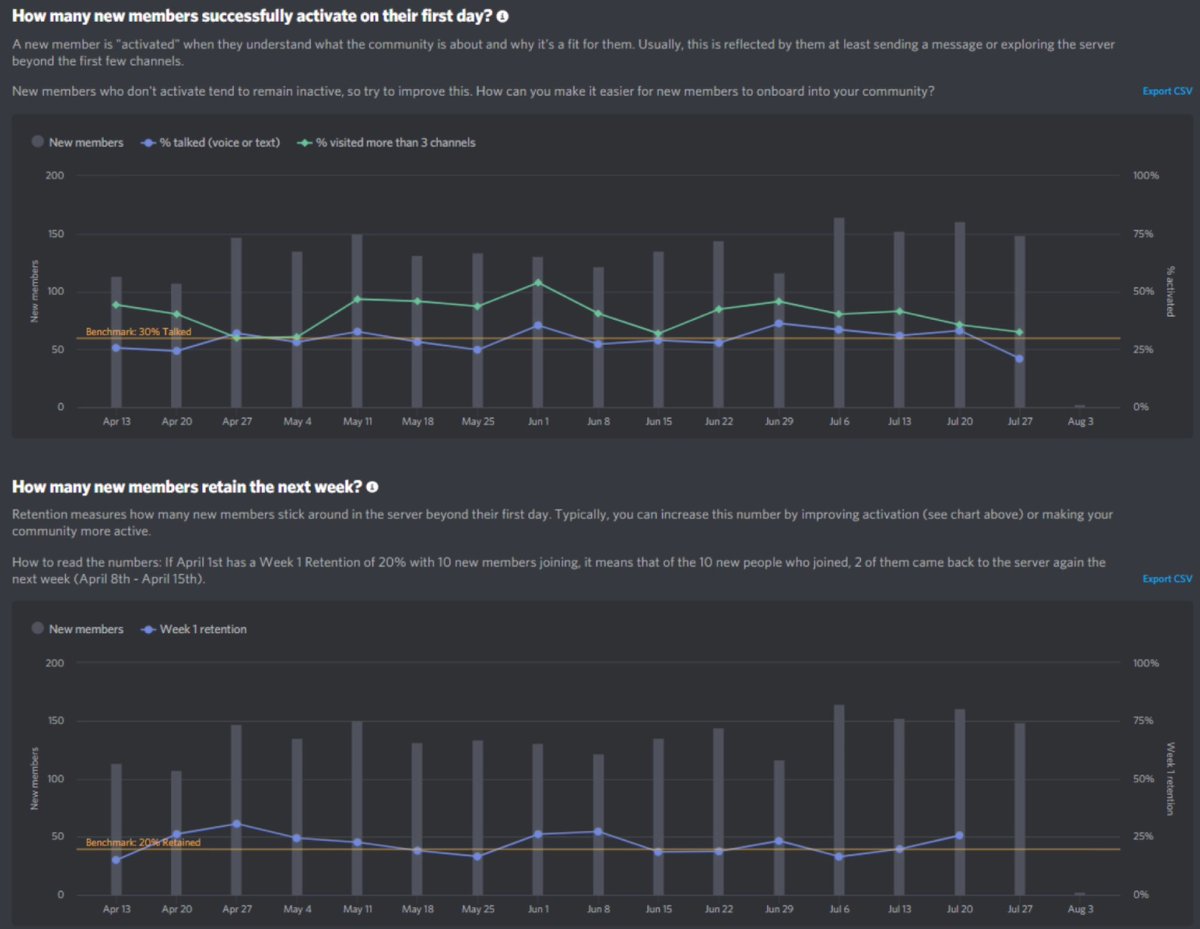
16/23 GTM metrics for Social DAOs:
- Quality community engagement
- Discord channel activity
- Member activation & retention
- Community call attendance
- Governance participation
- Actual work done (# paid contributors)
- Trust among DAO members
- Quality community engagement
- Discord channel activity
- Member activation & retention
- Community call attendance
- Governance participation
- Actual work done (# paid contributors)
- Trust among DAO members
17/23 Game DAOs resemble web2 counterparts with 2 differences:
1) Use of in-game assets native to blockchains rather than controlled economies
2) Game players to become true stakeholders & control governance
Web3 gaming GTM is platform distribution, referrals, & partnerships.
1) Use of in-game assets native to blockchains rather than controlled economies
2) Game players to become true stakeholders & control governance
Web3 gaming GTM is platform distribution, referrals, & partnerships.
18/23 @Lootproject GTM example:
Loot is an example of purpose & community, rather than product, driving GTM.
Loot started with content (NFTs known as Loot bags), upon which games, projects, & realms can be built.
The community created everything from analytics to art & quests.
Loot is an example of purpose & community, rather than product, driving GTM.
Loot started with content (NFTs known as Loot bags), upon which games, projects, & realms can be built.
The community created everything from analytics to art & quests.
19/23 Loot grew not due to an existing product, but because it represented a network welcoming creativity w/ incentives.
Game DAO GTM metrics include:
- Game: Monthly active users
- Community: Discord engagement, dev forks
- Economy: Size of game ecosystem, marketplace volume
Game DAO GTM metrics include:
- Game: Monthly active users
- Community: Discord engagement, dev forks
- Economy: Size of game ecosystem, marketplace volume
20/23 Web2-Web3 hybrids are marketplaces & exchanges.
The GTM motion is to increase distribution by partnering w/ other platforms to show a selection of items.
The web3 difference is that creators receive a % of secondary sales, so they're incentivized to promote marketplaces.
The GTM motion is to increase distribution by partnering w/ other platforms to show a selection of items.
The web3 difference is that creators receive a % of secondary sales, so they're incentivized to promote marketplaces.
21/23 GTM strategies seen across web3 orgs include:
- Airdrops: Tokens distributed to reward behaviors the project wants to incentivize
- Developer grants: Protocol treasury pays teams for contributing to the ecosystem
- Memes: Viral images w/ text, often seen in NFT projects
- Airdrops: Tokens distributed to reward behaviors the project wants to incentivize
- Developer grants: Protocol treasury pays teams for contributing to the ecosystem
- Memes: Viral images w/ text, often seen in NFT projects
22/23 That's all for today!
If you want more article breakdowns just like this...
Follow me (@jkey_eth) to get a daily #web3 thread in your feed 😊
If you want more article breakdowns just like this...
Follow me (@jkey_eth) to get a daily #web3 thread in your feed 😊
23/23 TLDR:
GTM strategies look different in web2 vs web3.
Web2: Founders set a top-down vision & are responsible for growing a team & executing against a vision.
Web3: Founders take on a gardener role, creating communities and cultivating & nurturing potential products.
GTM strategies look different in web2 vs web3.
Web2: Founders set a top-down vision & are responsible for growing a team & executing against a vision.
Web3: Founders take on a gardener role, creating communities and cultivating & nurturing potential products.
• • •
Missing some Tweet in this thread? You can try to
force a refresh




