

My tech-enabled storage service grew steadily for years.
But exploded 300% in the last 6 months.
Here's the exact plan we executed: 🧵
But exploded 300% in the last 6 months.
Here's the exact plan we executed: 🧵
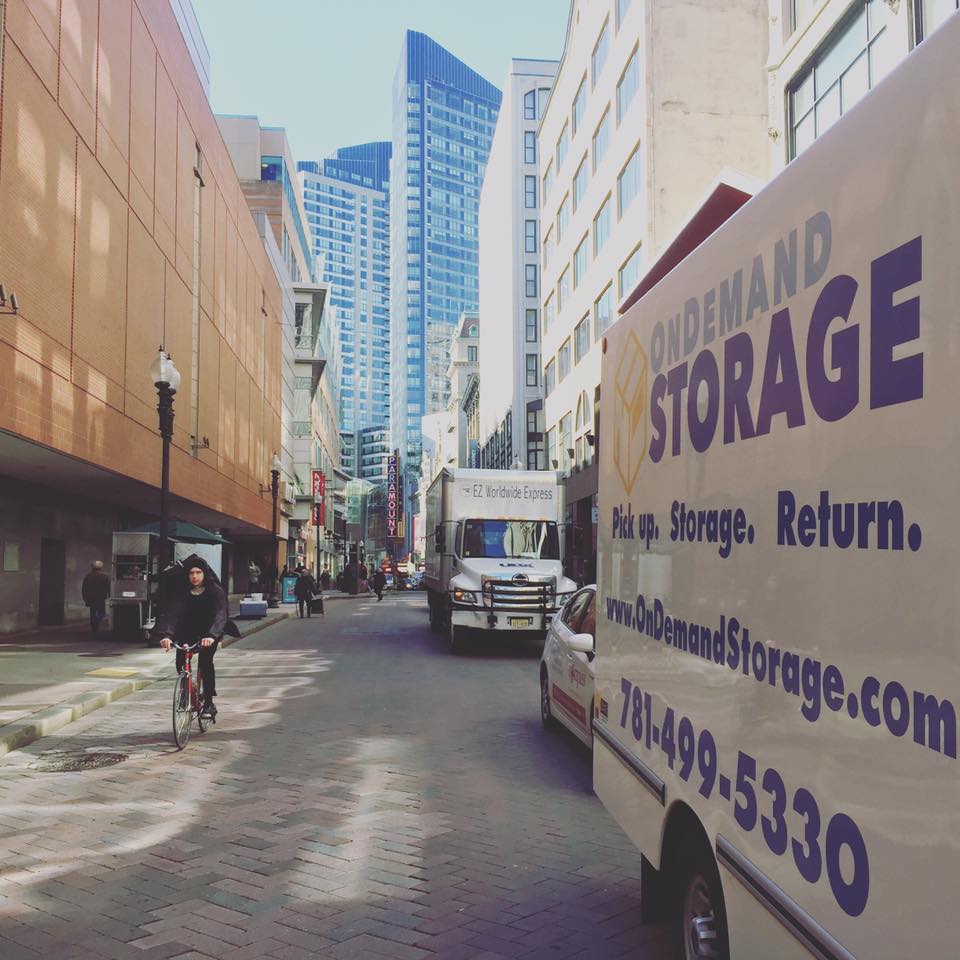
Some brief historical context:
We started OnDemand Storage at 23 y.o. with the mission to provide a full-service self storage alternative.
Without experience or capital, we quickly started fulfilling every job that came our way -- with a desire to GROW.
We started OnDemand Storage at 23 y.o. with the mission to provide a full-service self storage alternative.
Without experience or capital, we quickly started fulfilling every job that came our way -- with a desire to GROW.
But saying "yes" to everything increases costs and ruins efficiencies.
Capital (financial & human) are spread too thin and profits plateau.
Rather than being selective, we serviced ANY storage customer in these categories:
- Commercial
- Residential
- Student
Capital (financial & human) are spread too thin and profits plateau.
Rather than being selective, we serviced ANY storage customer in these categories:
- Commercial
- Residential
- Student
We had respectable top-line growth and profits (31%) but we knew ODS had the potential to be GREAT.
So we created and EXECUTED a plan that resulted in 300% growth in 6 months.
The best part?
These lessons can be applied to any business:
⬇️ ⬇️ ⬇️
So we created and EXECUTED a plan that resulted in 300% growth in 6 months.
The best part?
These lessons can be applied to any business:
⬇️ ⬇️ ⬇️
1. Identify Top 10 Customers
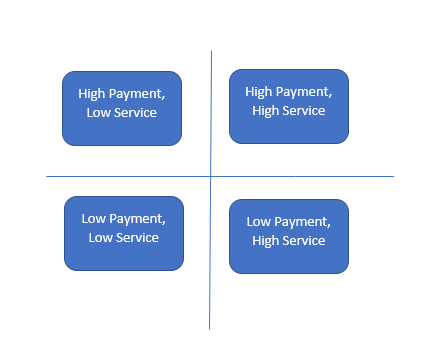
We wanted to rank each customer based on the effort associated with their revenue.
We grouped them into 4 categories (below):
We immediately cut ties with the bottom right quadrant -- they emotionally & financially drain companies.
We wanted to rank each customer based on the effort associated with their revenue.
We grouped them into 4 categories (below):
We immediately cut ties with the bottom right quadrant -- they emotionally & financially drain companies.
The goal is to replicate customers that energize the team and bring profits.
We realized high-touch, short term storage customers did neither.
So we created a new value prop:
Premium service for long-term (6+ months) $500/mo. (or more) customers.
We realized high-touch, short term storage customers did neither.
So we created a new value prop:
Premium service for long-term (6+ months) $500/mo. (or more) customers.
2. Raise Prices
Even some top customers were under our target of $27 per square foot.
So we raised prices on 16% of customers each month.
After 6 months, 100% of customers received a price raise, and we hedged against a mass exodus.
And only 2 customers left...
Even some top customers were under our target of $27 per square foot.
So we raised prices on 16% of customers each month.
After 6 months, 100% of customers received a price raise, and we hedged against a mass exodus.
And only 2 customers left...
A price increase does 3 things:
1. Improves margins/cash flow
2. Attracts ideal customers
3. Repels bad customers
We used our high prices as a way to improve sales efficiencies. We immediately mention pricing, by design, to weed out overly budget-conscious prospects.
1. Improves margins/cash flow
2. Attracts ideal customers
3. Repels bad customers
We used our high prices as a way to improve sales efficiencies. We immediately mention pricing, by design, to weed out overly budget-conscious prospects.
3. Streamline Operations
Next, looking at our P&L we noticed our costs & liabilities were tied up in trucks.
But offering pickup services was critical to commanding high prices -- so what did we do?
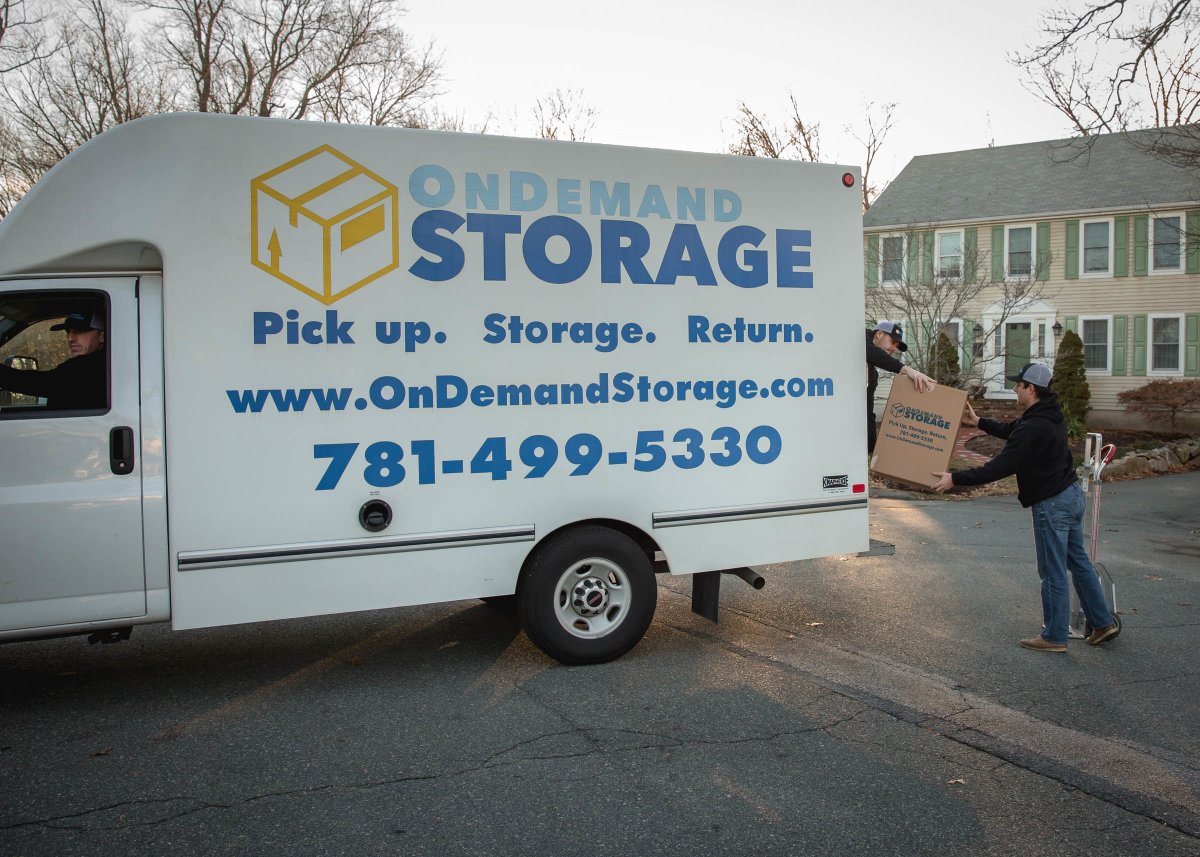
Sold our trucks, and began working with subcontractors. (It was scary).
Next, looking at our P&L we noticed our costs & liabilities were tied up in trucks.
But offering pickup services was critical to commanding high prices -- so what did we do?
Sold our trucks, and began working with subcontractors. (It was scary).
Our trucks had become the root cause of many problems:
- Made it easy to add sh*t jobs to the calendar
- Added maintenance, insurance, and other costs
- Was difficult to find drivers
It was risky, but this decision has been key in improving our operational discipline.
- Made it easy to add sh*t jobs to the calendar
- Added maintenance, insurance, and other costs
- Was difficult to find drivers
It was risky, but this decision has been key in improving our operational discipline.
Next we decided to make the warehouse more efficient by limiting hours.
We only operate the warehouse Tue. & Th. from 9am - 3pm.
To our surprise, customers liked the predictability and it helped them eliminate unnecessary trips too.
A win-win.
We only operate the warehouse Tue. & Th. from 9am - 3pm.
To our surprise, customers liked the predictability and it helped them eliminate unnecessary trips too.
A win-win.
4. Strong Relationships with Subs
To successfully work with subs, it requires each party to value the other:
We value having costs & liabilities outsourced, but need quality work.
They value the work, but need consistency to guarantee reliability.
To successfully work with subs, it requires each party to value the other:
We value having costs & liabilities outsourced, but need quality work.
They value the work, but need consistency to guarantee reliability.
It can be a mistake to solely work with reputable companies as subs -- they likely don't need the work and won't value it.
Instead find underrated companies who will grow alongside you.
Create consistent job flow, and eventually they'll become an extension of your team.
Instead find underrated companies who will grow alongside you.
Create consistent job flow, and eventually they'll become an extension of your team.
5. Cut Bad Contracts
Our company was originally founded as a student storage company (competing against @sweatystartup).
I had cold called University of Florida and inked a 5-year storage deal.
The revenue was great -- $100K+ (50% margins).
Our company was originally founded as a student storage company (competing against @sweatystartup).
I had cold called University of Florida and inked a 5-year storage deal.
The revenue was great -- $100K+ (50% margins).
But we couldn't find a reliable sub and the contract was a headache for 2 years.
We used every excuse to justify the deal -- revenue, brand name, etc.
In reality, it had negative effects on operations and morale.
We finally let it go -- and breathed a sigh of relief.
We used every excuse to justify the deal -- revenue, brand name, etc.
In reality, it had negative effects on operations and morale.
We finally let it go -- and breathed a sigh of relief.
6. Got Organized
When notifying customers about raising prices, we sent new paperwork via DocuSign.
Easily accessible legal paperwork allows us to sleep easier knowing we're covered.
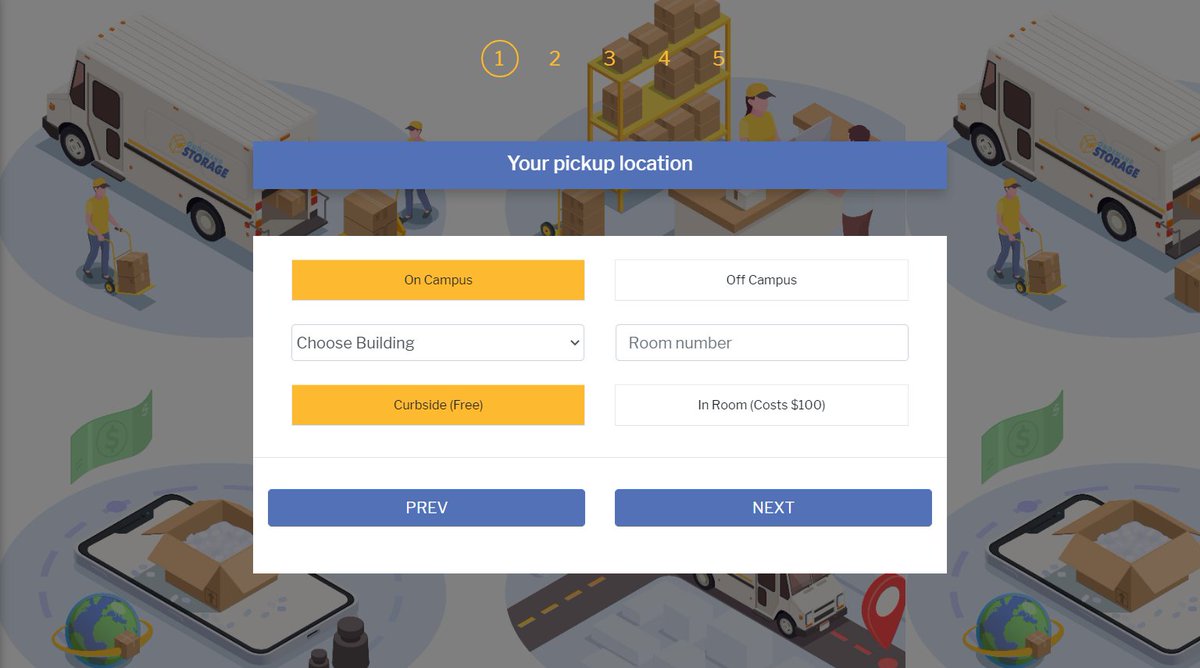
Then we implemented a new inventory software that creates detailed customer profiles.
When notifying customers about raising prices, we sent new paperwork via DocuSign.
Easily accessible legal paperwork allows us to sleep easier knowing we're covered.
Then we implemented a new inventory software that creates detailed customer profiles.
Every customer interaction is stored-- allowing us to provide industry leading customer service.
Lastly, we made upgrades to our custom student storage software to improve logic to reduce calls/inquiries.
This boosts profits while requiring less human input.
Lastly, we made upgrades to our custom student storage software to improve logic to reduce calls/inquiries.
This boosts profits while requiring less human input.
7. Better Tracking
With our ideal customers identified, we needed to create a goal to measure how efficiently we can acquire them.
We used the OKR method to determine the right goals:
Objective: Improve MRR 10% each month
Key Results: 50 qualified calls each month
With our ideal customers identified, we needed to create a goal to measure how efficiently we can acquire them.
We used the OKR method to determine the right goals:
Objective: Improve MRR 10% each month
Key Results: 50 qualified calls each month
We landed on the metric:
MRR/QUALIFIED CALL
We can analyze sales rep performance and quality lead flow in one metric.
Our MRR/QC has been $135 for the last 2 quarters.
If it lags we can easily uncover if it's a sales or marketing issue.
MRR/QUALIFIED CALL
We can analyze sales rep performance and quality lead flow in one metric.
Our MRR/QC has been $135 for the last 2 quarters.
If it lags we can easily uncover if it's a sales or marketing issue.
The last 6 months have been full of difficult decisions, revolving around 1 theme:
SIMPLIFYING
We're making more by doing less -- and it has fundamentally changed the trajectory of the business.
Better yet, we've built a platform we're ready to scale in a big way in 2022.
SIMPLIFYING
We're making more by doing less -- and it has fundamentally changed the trajectory of the business.
Better yet, we've built a platform we're ready to scale in a big way in 2022.
What's the takeaway for you?
Ruthlessly iterate and optimize every process in your business.
You'll be surprised that improved profits and simplified operations move in lockstep.
Ruthlessly iterate and optimize every process in your business.
You'll be surprised that improved profits and simplified operations move in lockstep.
If you found this helpful or interesting...
Follow me @barrettjoneill for content on business, growth & SEO.
Also, PLEASE RT the 1st tweet so others can find it!
Follow me @barrettjoneill for content on business, growth & SEO.
Also, PLEASE RT the 1st tweet so others can find it!
Another benefit of identifying your ideal customer…
ROI on marketing skyrockets.
Less keywords, straightforward messaging and easier to display expertise.
One of the amazing unintended benefits of optimizing customer roster.
📈📈📈
ROI on marketing skyrockets.
Less keywords, straightforward messaging and easier to display expertise.
One of the amazing unintended benefits of optimizing customer roster.
📈📈📈
• • •
Missing some Tweet in this thread? You can try to
force a refresh




