The last two months have seen a different kind of War in Ukraine. And after a period of reduced tempo operations in the east, we should expect things to heat up again over the coming weeks. Both sides will want to make progress before winter comes. 1/20 🧵
2/ After their failures before Kyiv and Kharkiv, and manpower losses, the Russians have now settled into a different pattern of battlefield operations. Now, they let their artillery lead the way.
3/ While it has still been expensive for the Russians, they have managed to secure almost all of Luhansk region. In the wake of this ‘success’, the Russians reduced their operational tempo to prepare for a subsequent operation to secure the Donetsk region.
4/ During this preparatory phase, the Russians have conducted limited attacks around Kharkiv and Izyum. But it is the Slovyansk-Bakhmut defensive line, the city of Kramatorsk, and regions further west, that will be the focus of the next phase of Russia’s eastern offensive.
5/ The Russians and the Ukrainians have a few months before the onset of the northern winter, which will severely limit ground and air operations. Between now and then, there are three aspects of the war that we should watch.
6/ First, the Russians. While they have made some ground in the east, they are on the defensive in the south. The Ukrainians are slowly, inexorably taking back their territory, especially in the Kherson region.
7/ Adding to Russian problems in the south, a growing resistance movement is targeting Russian officials, Ukrainian collaborators and Russian supply trains. It will place great pressure on Russian forces, and may draw forces from the east.
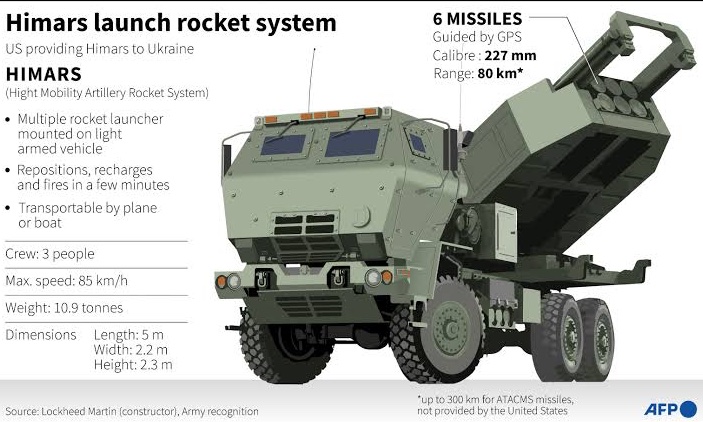
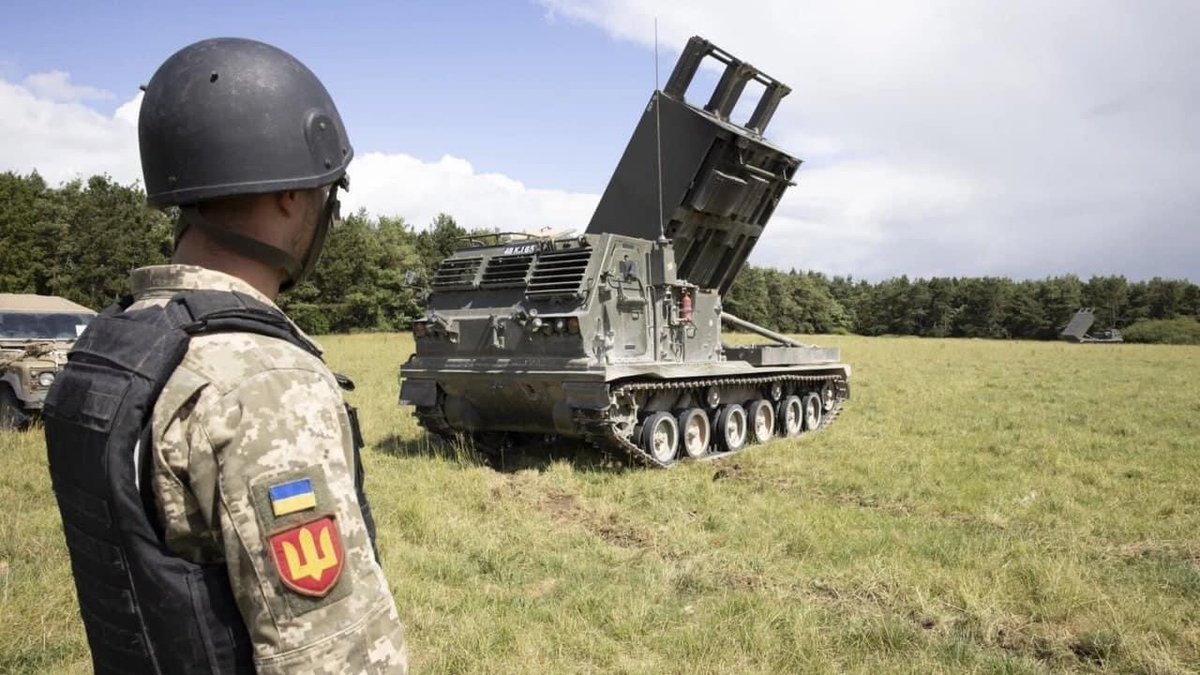
8/ To compound Russia’s challenges, the introduction of accurate, long range HIMARS rockets has caused significant disruption to Russian logistics.
9/ These rockets are destroying Russian artillery ammunition stockpiles, as well as tactical headquarters containing talkative Russian senior officers. Even air defence systems have been shown to be vulnerable to these rockets.
10/ So the Russians face the next phase of their campaign with reduced artillery ammunition, even lower morale due to #HIMARS strikes, and potentially increased attacks from the Ukrainian Air Force.
11/ They will find further gains in the east even more expensive than those in Luhansk, be challenged to hold ground in the south, and may even have problems stockpiling supplies for the coming winter.
12/ What of the courageous Ukrainians? Even though they have ceded ground in Luhansk, the Ukrainians have managed to preserve large parts of their Army in the east, and have now occupied well-prepared defensive positions in the Donetsk region.
13/ The Russian offensive in the east, and it’s preponderance of artillery, drew the Ukrainians into the kind of attritional fight that they had until now tried to avoid.The introduction of HIMARS, appears to have acted as a circuit breaker for the Ukrainians.
14/ Until the Donbas, Ukraine had focussed on a strategy of corrosion, where they applied their strengths against Russian weaknesses in logistics, rear area security, poor HQ security and the lack of Russian infantry.
15/ This allowed them to corrode Russian military capacity - and morale - from within, and forced a Russian withdrawal from the north. For the phase between now & winter, the Ukrainians will need to refocus on this strategy of corrosion, before their larger scale offensives.
16/ HIMARS has allowed the Ukrainians to slowly erode the Russian artillery advantage. If they can also continue to destroy Russian tactical headquarters, it will impact on the orchestration of large scale Russian operations. And provide a foundation for their offensives.
17/ Finally, we will need to watch the major countries in Western Europe as winter approaches and energy prices continue to rise. While they may be dealing with a heat wave at the movement, sooner or later the weather will turn and heating will be needed.
18/ This will test the resolve of some nations in their support of Ukraine. Already, nations such as Germany have proved to be laggards in the provision of military assistance to Ukraine. An energy crisis in winter might compound this problem.
19/ While this war is perhaps the clearest example of good versus evil - a just war - since the WW2, it remains to be seen whether leaders in European nations can convince their people to endure higher energy prices as the price of supporting the defence of democracy.
20/ There are about 4 months until winter. The coming months may be the most violent & bloody of the war. There will be surprises & loss on both sides. But after 5 months of war, neither the brave Ukrainians nor the Russians have shown a diminishing of their will to prevail. End.
• • •
Missing some Tweet in this thread? You can try to
force a refresh