#THREAD
How did Hitler seize power?
In January 1933, Hitler became Chancellor of Germany. He led the right-wing Nazi Party which had received just 33% of the vote. Over the next 18 months, Hitler would eliminate nearly all sources of opposition...
bbc.co.uk/bitesize/guide…
How did Hitler seize power?
In January 1933, Hitler became Chancellor of Germany. He led the right-wing Nazi Party which had received just 33% of the vote. Over the next 18 months, Hitler would eliminate nearly all sources of opposition...
bbc.co.uk/bitesize/guide…
Step 1: Gaining control of the Reichstag: January - March 1933.
Hitler needed to gain control of two-thirds of the seats in order to change the constitution, so he called a new election for March 1933. A few days before the election, the Reichstag building was set on fire.
Hitler needed to gain control of two-thirds of the seats in order to change the constitution, so he called a new election for March 1933. A few days before the election, the Reichstag building was set on fire.
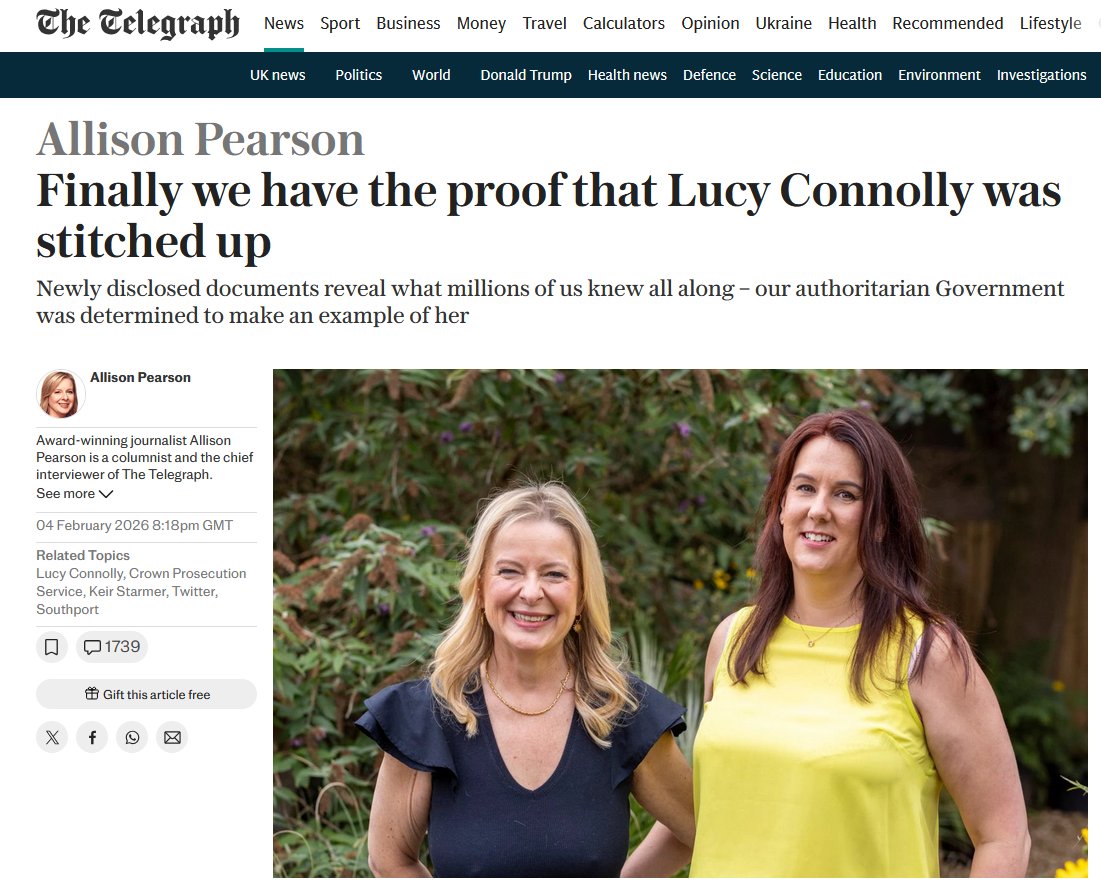
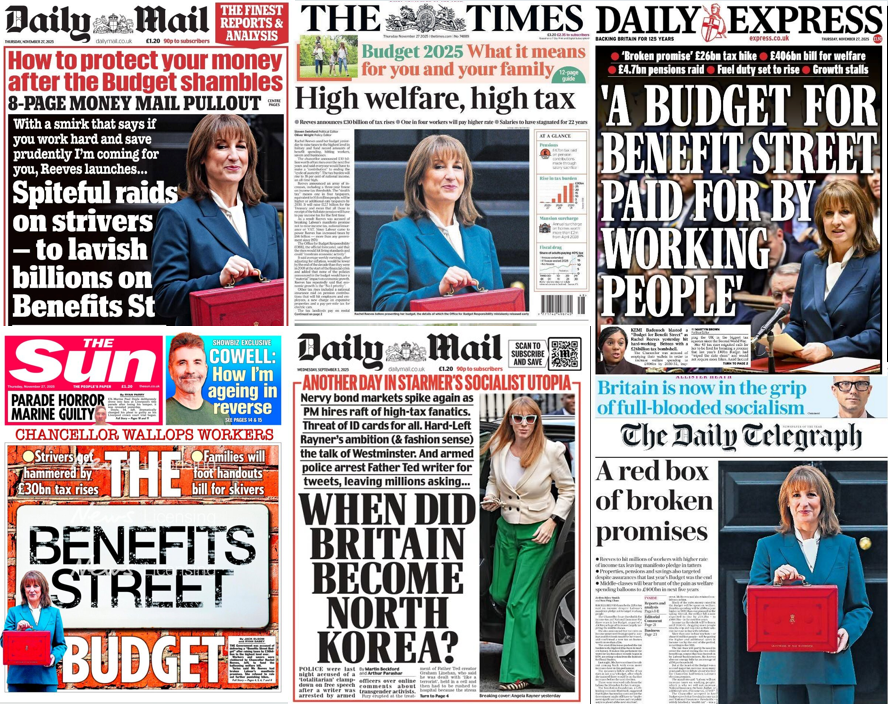
Hitler used the fire as an excuse to claim there was a communist plot to overthrow the Govt, a powerful persuasive trope still applied widely in the billionaire-owned UK media to many situations, from #BlackLivesMatter & Opposition Party Leaders, to Unions & "woke Universities". 
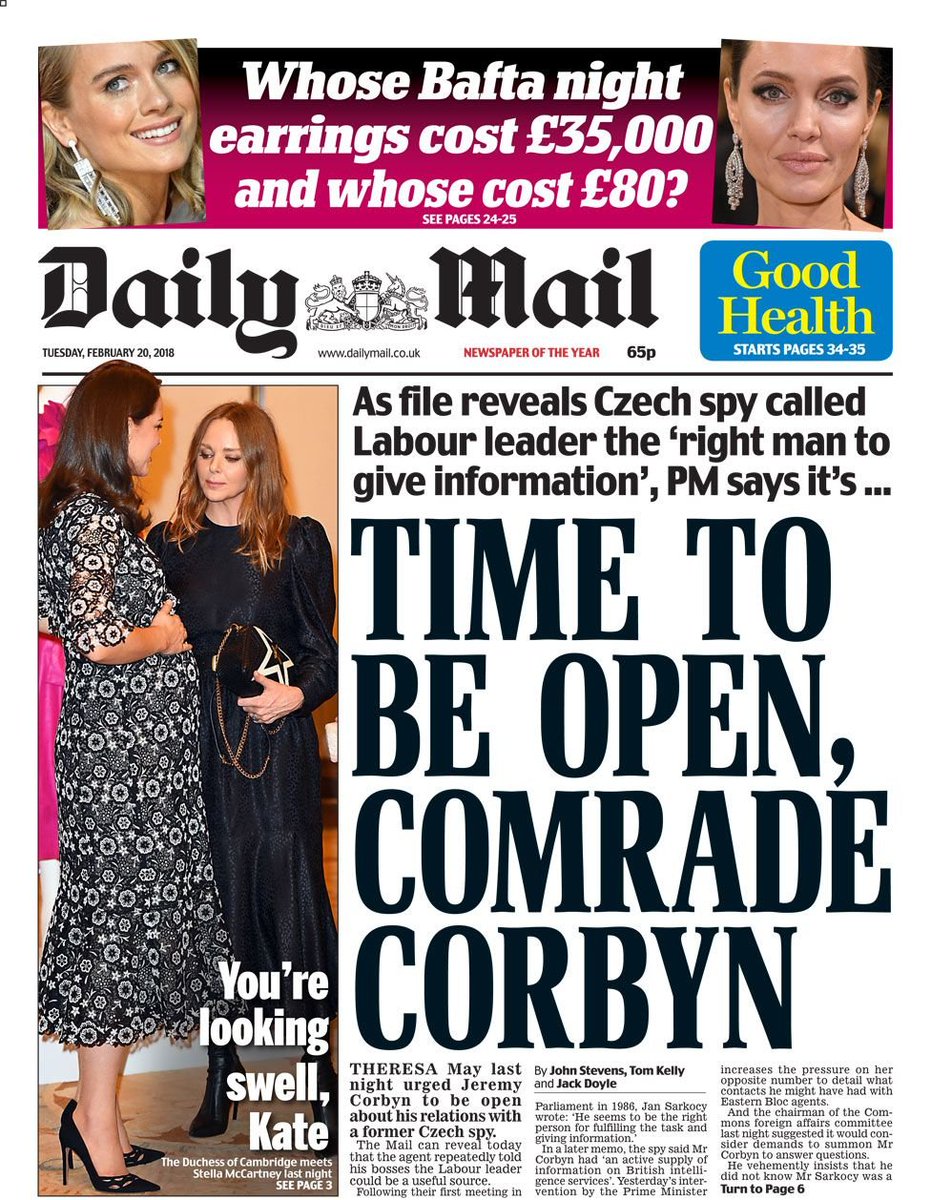
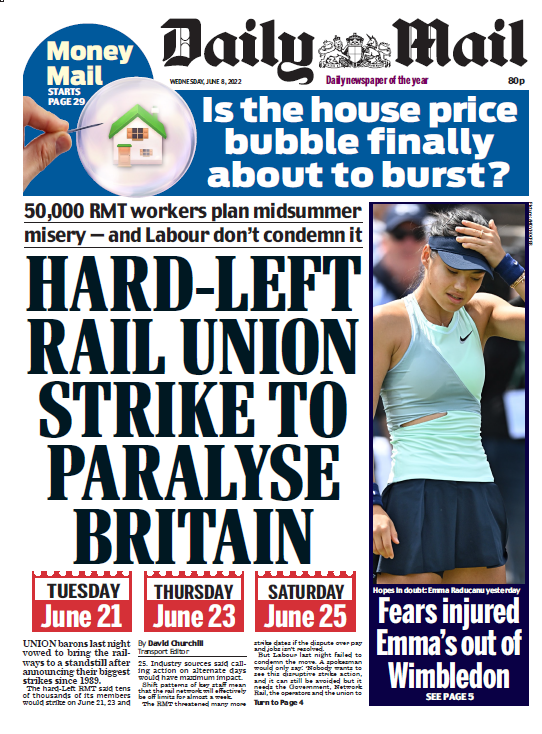
The President, who had the power to issue a decree in an emergency, approved the Law for the Protection of People and State, which like so much recent Tory legislation, from the criminalisation of protest to the Nationality & Borders Bill, removed many people’s civil rights.
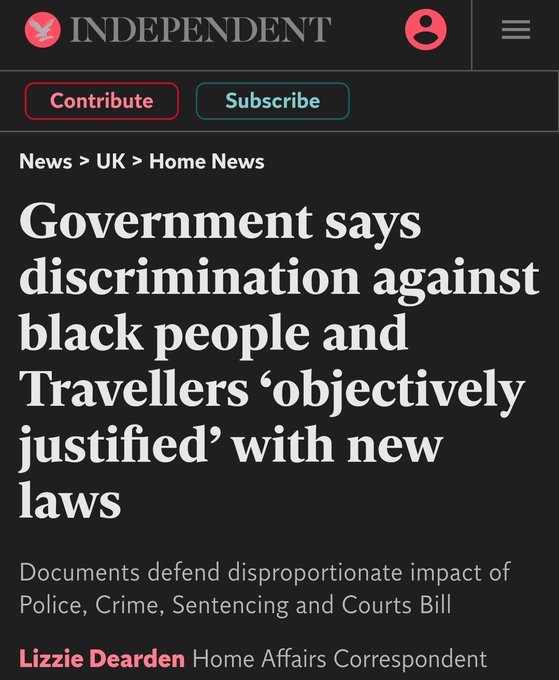
Anyone suspected of plotting against the government could be arrested & imprisoned without trial.
Hitler used the decree to disrupt the election campaigns of his main rivals by putting them in prison, confiscating literature, & using the Brownshirts to break-up their meetings.
Hitler used the decree to disrupt the election campaigns of his main rivals by putting them in prison, confiscating literature, & using the Brownshirts to break-up their meetings.
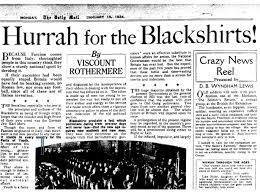
A few days after the fire, in the election on 5 March 1933, 44% of the German people voted for the Nazis, who won 288 seats in the Reichstag. This was still not the two-thirds majority Hitler needed, but Hitler was able to secure the passing of the Enabling Act.
To pass the Enabling Act, Hitler using the Protection of People & State to ban the Communist Party; had some non-Nazi deputies arrested; persuaded the Nationalist Party to support him; & obtained the Centre Party’s obedience by promising to protect the rights of Catholics.
The Enabling Act gave Hitler the right to make laws without the Reichstag’s approval for the next four years, giving Hitler absolute power to make laws, which enabled him to destroy all opposition to his rule, & remove the Reichstag as a source of opposition.
Step 2: Creating a one-party state
Within months. Hitler removed most sources of political opposition. He merged the Nazi & the Nationalist Parties & the Centre (Catholic) Party disbanded in return for Hitler agreeing not to interfere in Catholic schools and youth movements.
Within months. Hitler removed most sources of political opposition. He merged the Nazi & the Nationalist Parties & the Centre (Catholic) Party disbanded in return for Hitler agreeing not to interfere in Catholic schools and youth movements.
Socialists, communists & other left-wing activists who had not already fled, were put in prison.
In April 1933, Nazis took over key posts in local governments. Jews & other political enemies were removed from the civil service. In July 1933, other political parties were banned.
In April 1933, Nazis took over key posts in local governments. Jews & other political enemies were removed from the civil service. In July 1933, other political parties were banned.
The Law Against the Formation of New Parties meant only the Nazi Party was allowed to exist. Therefore, when the Reichstag & local governments met, which was infrequently, all the deputies were Nazis.
Germany had become a one-party state, destroying democracy in the country.
Germany had become a one-party state, destroying democracy in the country.
Step 3: Eliminating opposition on the Night of the Long Knives
The SA was a paramilitary group set up by Hitler in 1921 to attack political rivals & had been important in getting Hitler into power & in securing the Enabling Act, but by 1934 Hitler wanted to get rid of it.
The SA was a paramilitary group set up by Hitler in 1921 to attack political rivals & had been important in getting Hitler into power & in securing the Enabling Act, but by 1934 Hitler wanted to get rid of it.
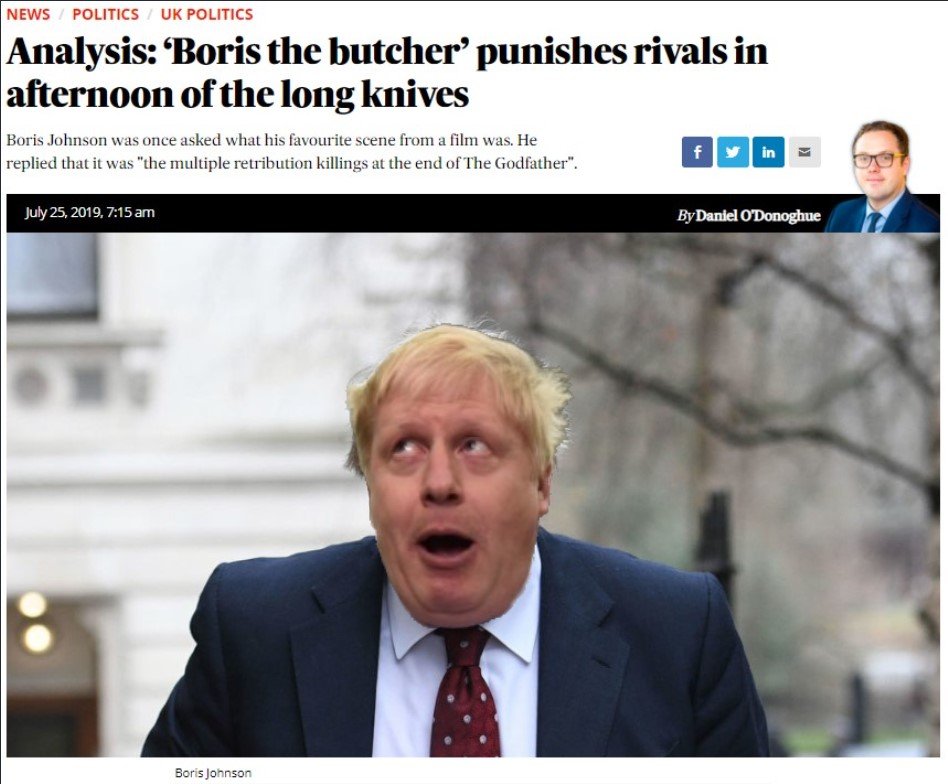
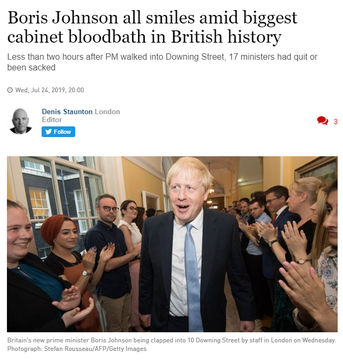
Hitler had a number of motives for wanting to eliminate the SA:
The SA was demanding the Nazis introduce major social change, but Hitler was worried their left-wing ideas would alienate the groups he depended on most - the middle class, businessmen, & industrialists.
The SA was demanding the Nazis introduce major social change, but Hitler was worried their left-wing ideas would alienate the groups he depended on most - the middle class, businessmen, & industrialists.

The SA had 2million members & it wanted to take over the much smaller army. Hitler did not want to annoy the military because it could overthrow him & he needed them to co-operate with his ambitious foreign policy. Hitler believed the SA could stop him achieving a dictatorship.
On 30 June 1934, Hitler ordered the SS (Hitler's personal body guards) to murder around 400 people, including SA leader, Ernst Röhm. They were mostly SA leaders but also a number of other opponents Hitler wanted to eliminate, like the previous Chancellor, Kurt von Schleicher.
Hitler justified the slaughter by accusing the SA of being gay & plotting against Germany.
The Reichstag passed a law retrospectively legalising the Night of the Long Knives, which had destroyed all opposition to Hitler within the Nazi Party, & gave more power to the brutal SS.
The Reichstag passed a law retrospectively legalising the Night of the Long Knives, which had destroyed all opposition to Hitler within the Nazi Party, & gave more power to the brutal SS.
Step 4: Making himself Führer
When President Hindenburg died on 2 August, Hitler did not hold an election. Instead, he declared himself jointly President, Chancellor & Head of the Army, becoming known as the Führer (leader), formally making Hitler the absolute ruler of Germany.
When President Hindenburg died on 2 August, Hitler did not hold an election. Instead, he declared himself jointly President, Chancellor & Head of the Army, becoming known as the Führer (leader), formally making Hitler the absolute ruler of Germany.
Step 5: Ensuring the loyalty of the army
During the Weimar Republic, the army had helped to undermine the government. Hitler was determined this wouldn't happen to him. He increased his popularity with the army by eliminating the SA, which was setting itself up as a rival to it.
During the Weimar Republic, the army had helped to undermine the government. Hitler was determined this wouldn't happen to him. He increased his popularity with the army by eliminating the SA, which was setting itself up as a rival to it.
Members of the army had to swear a personal Oath of Allegiance (unconditional obedience) to Hitler, not Germany. He also kept the army out of politics by keeping it busy with conscription & later rearmament, putting down any sources of opposition to Hitler within the army.
Step 6: Gleichschaltung
Gleichschaltung meant the co-ordination of all aspects of life in Germany to fit in with Hitler’s ideas and his authority.
Hitler extended his power to key organisations either by taking them over, abolishing them, or doing a deal with them.
Gleichschaltung meant the co-ordination of all aspects of life in Germany to fit in with Hitler’s ideas and his authority.
Hitler extended his power to key organisations either by taking them over, abolishing them, or doing a deal with them.
In a move that has strong resonance with the rhetoric of Liz Truss, trade unions were abolished.
On 2 May 1933, their leaders were arrested, funds confiscated & strikes declared illegal.
Workers lost the right to negotiate wage increases & improvements in working conditions.
On 2 May 1933, their leaders were arrested, funds confiscated & strikes declared illegal.
Workers lost the right to negotiate wage increases & improvements in working conditions.


All workers had to join the German Labour Front (DAF), which was run by Dr. Robert Ley. Within two years, 20 million workers had joined DAF. They gave up their workers’ rights in return for the perks offered by the new Strength Through Joy movement & because they feared the SS.
The Pope signed The Concordat agreement with Hitler in July 1933. It allowed Hitler to increase his power in Germany without opposition from the Catholic Church, in return for the latter being allowed to run its schools & youth movement without interference.
However, Hitler did not keep his promise, & by 1935 there was friction between the Catholic Church & the Nazis, & Hitler set up the Nazi People's Courts, where judges had to swear an oath of loyalty to the Nazis. By August 1934, Hitler was in full control of Germany.
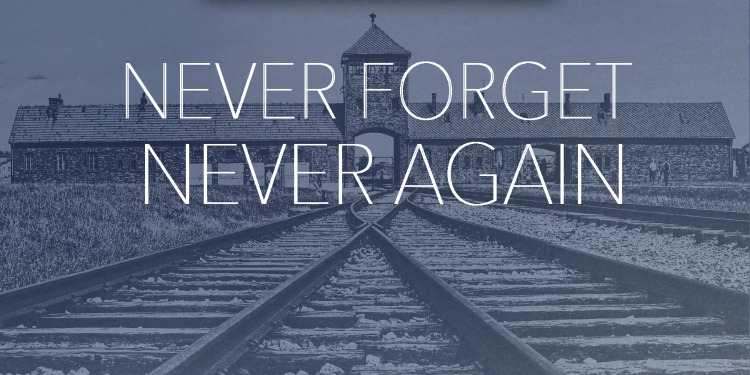
#NeverForget
#NeverForget
• • •
Missing some Tweet in this thread? You can try to
force a refresh