Historian @TrentUniversity; Author of Seeing Green & Natural Visions; Coming Soon: DEFENDING THE ARCTIC REFUGE, from @uncpressblog.
 Mauer estimates that there were 60,000 (!) caribou below him when he took that picture.

 In a terrific article about SNCC photography, Leigh Raiford (@professoroddjob) writes about this poster: "The text … raises the question of whether this trooper defends the viewer against racial violence or if he is in fact the first line of terror. (cont.)
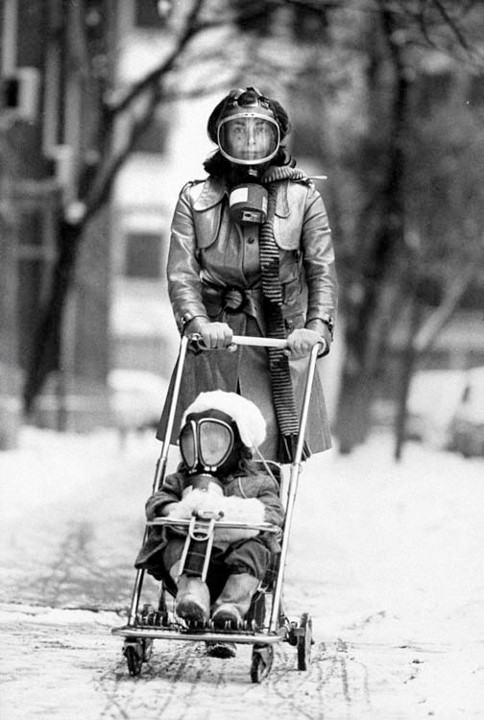
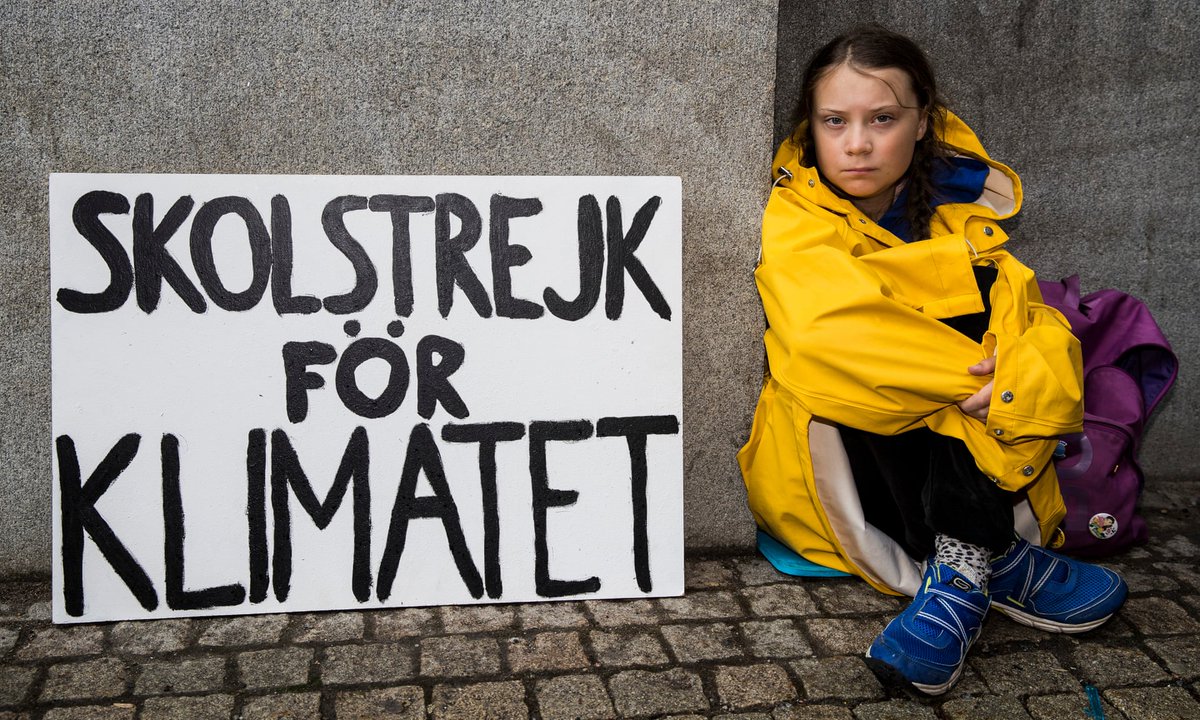 Of course, children and youth have long been involved in Earth Day events and other actions. Yet environmental leaders and the media have often presented them as emotional props, as symbols of innocence and vulnerability in need of adult protection.
 It all started soon after the first Earth Day when Gary Anderson, a student at @USC, learned that the Container Corporation of America had launched a contest to design a recycling symbol.
 Earlier that year, Life magazine did a feature article on the environment. The issue began with a photograph of a woman pushing a stroller. Both the woman and the toddler are wearing gas masks.