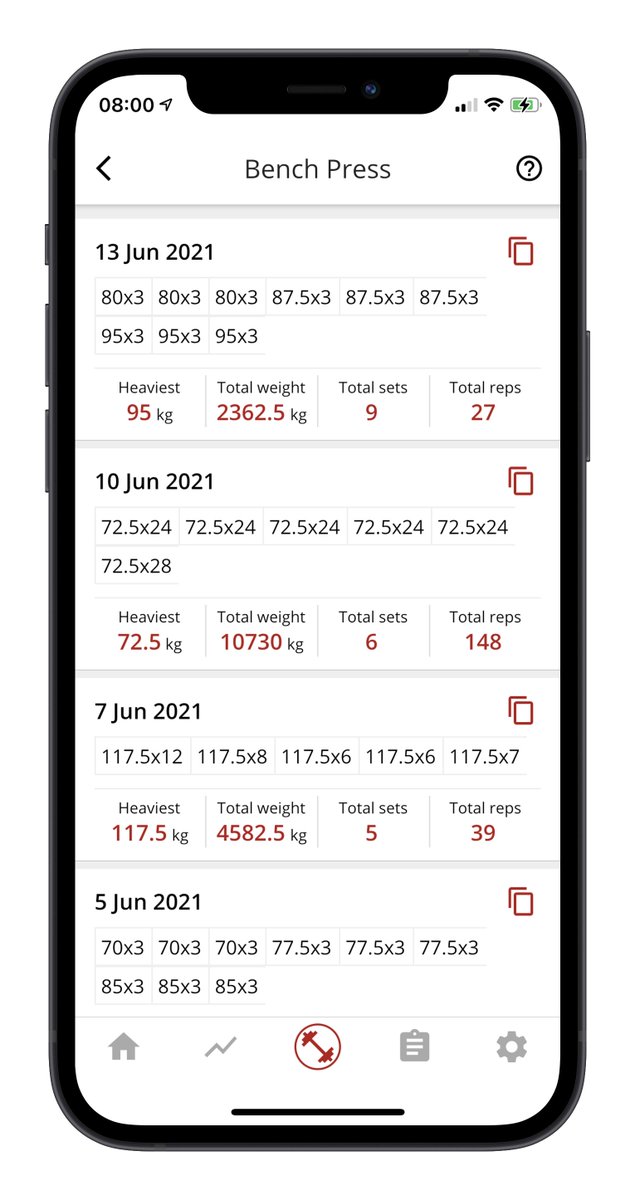
CHEST TRAINING 301
A broad and powerful chest is more than just a filler of your shirt.
Strong chest muscles increase your physical performance in every athletic endeavor where you project force forward, whether you’re throwing a ball, a punch, or pushing an opponent away.
👇
A broad and powerful chest is more than just a filler of your shirt.
Strong chest muscles increase your physical performance in every athletic endeavor where you project force forward, whether you’re throwing a ball, a punch, or pushing an opponent away.
👇
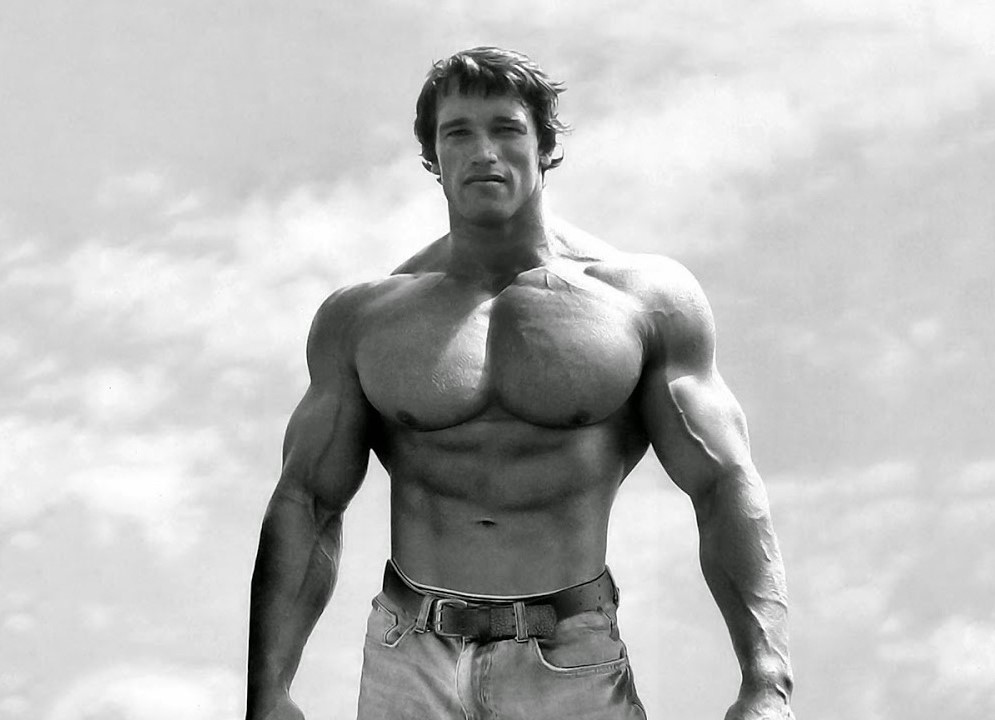
Your chest muscles are made up almost entirely of one, large muscle on each side: pectoralis major.
The pectoralis major has a wide, fan-shaped origin, and is generally divided into two parts:
The pectoralis major has a wide, fan-shaped origin, and is generally divided into two parts:
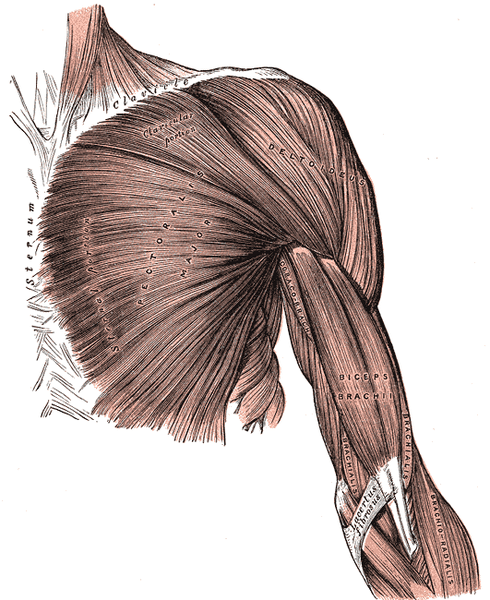
1. The sternocostal part is the larger, lower portion, which originates mainly from your sternum (and to a degree, from your upper abdominal sheath and ribs).
2. The clavicular part is the smaller, upper portion, which originates from the first half of your clavicle.
2. The clavicular part is the smaller, upper portion, which originates from the first half of your clavicle.
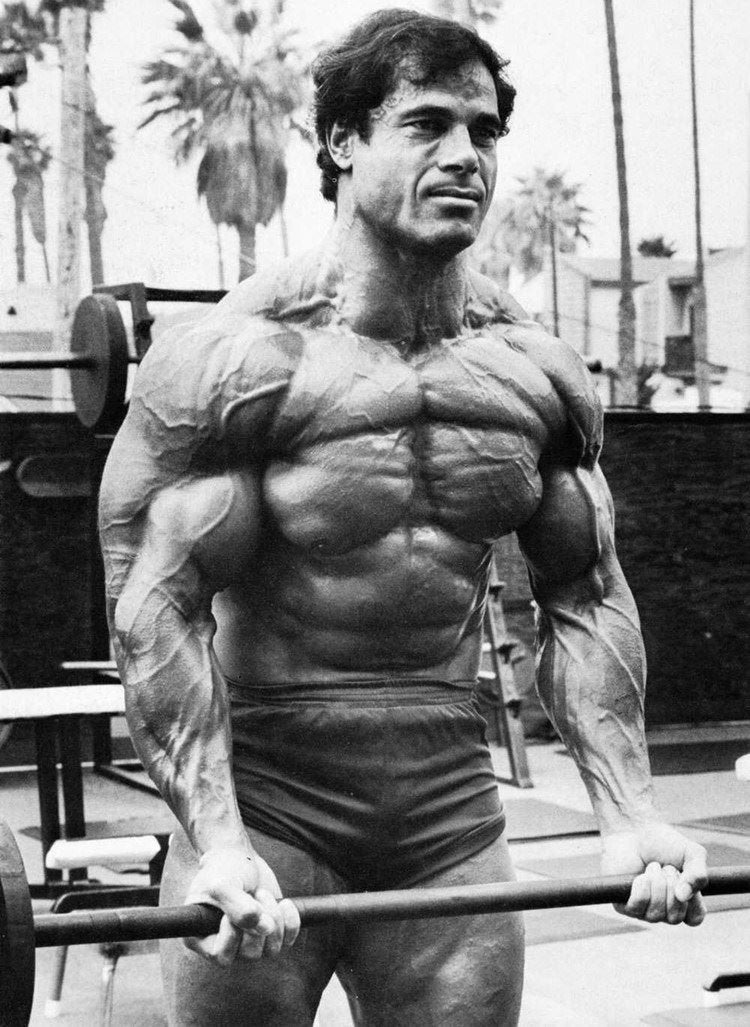
Muscle fibers from this whole range come together into one single tendon, inserting on the front of your upper arm.
The primary function of your pec major is to bring your arm forward. Like when you are bench pressing, throwing a ball, or a punch.
The primary function of your pec major is to bring your arm forward. Like when you are bench pressing, throwing a ball, or a punch.
Depending on the angle at which you bring your arm forward, different muscle fibers of the pecs will work more or less.
• Incline pressing: target the upper muscle fibers (the clavicular part).
• Incline pressing: target the upper muscle fibers (the clavicular part).
• Decline pressing, or exercises like dips: target the lower muscle fibers (the sternocostal part).
• Flat pressing, like bench pressing: target the whole pec muscle pretty evenly (the sternocostal and the clavicular part).
• Flat pressing, like bench pressing: target the whole pec muscle pretty evenly (the sternocostal and the clavicular part).
Here are four classic chest exercises that complement each other in terms of what pec muscle fibers they target.
By putting them all together, you can create a great chest workout.
By putting them all together, you can create a great chest workout.
Exercise #1: The Bench Press
”It gives that armor-plated look to the upper chest”
– Arnold Schwarzenegger
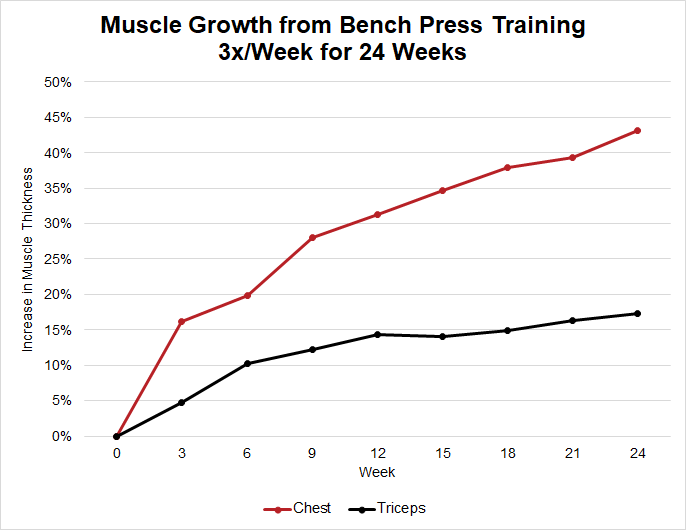
The bench press trains a wide array of your pec muscle fibers, from the lower to the upper origins.
More on the bench press: strengthlog.com/bench-press/
”It gives that armor-plated look to the upper chest”
– Arnold Schwarzenegger
The bench press trains a wide array of your pec muscle fibers, from the lower to the upper origins.
More on the bench press: strengthlog.com/bench-press/
Exercise #2: Incline Dumbbell Press
The incline dumbbell press complements the bench press by emphasizing the upper portion of your pecs.
Pressing at an incline leads to greater upper chest growth than flat bench pressing does.
More on incline pressing: strengthlog.com/dumbbell-incli…
The incline dumbbell press complements the bench press by emphasizing the upper portion of your pecs.
Pressing at an incline leads to greater upper chest growth than flat bench pressing does.
More on incline pressing: strengthlog.com/dumbbell-incli…
Exercise #3: Dips
Just like incline presses emphasized your upper chest, so will dips emphasize your lower chest.
Peak resistance occurs when your pecs are in a stretched position, which is likely positive for chest muscle growth.
More on dips: strengthlog.com/bar-dip/
Just like incline presses emphasized your upper chest, so will dips emphasize your lower chest.
Peak resistance occurs when your pecs are in a stretched position, which is likely positive for chest muscle growth.
More on dips: strengthlog.com/bar-dip/
Exercise #4: Cable Chest Fly
This exercise complements the others, by providing a slightly different force curve for your chest muscles.
Instead of having peak resistance near the bottom of the movement, you will reach peak resistance slightly closer to the middle.
This exercise complements the others, by providing a slightly different force curve for your chest muscles.
Instead of having peak resistance near the bottom of the movement, you will reach peak resistance slightly closer to the middle.
This difference in force curve might provide an additional stimulus for your chest to grow.
Another boon of the standing cable chest fly is that it is easy to keep constant tension on the muscles throughout the whole range of motion.
More on chest flyes: strengthlog.com/standing-cable…
Another boon of the standing cable chest fly is that it is easy to keep constant tension on the muscles throughout the whole range of motion.
More on chest flyes: strengthlog.com/standing-cable…
Let's put all of the above together into one comprehensive chest workout.
This workout is aimed at both strength and muscle growth, and you will be able to get good results of both with it.
The load and rep range covers a wide spectrum, from low to high reps.
This workout is aimed at both strength and muscle growth, and you will be able to get good results of both with it.
The load and rep range covers a wide spectrum, from low to high reps.
StrengthLog’s Chest Workout 🔥
1. Bench Press: 3 sets x 5 reps
2. Incline Dumbbell Press: 3 sets x 8 reps
3. Dips: 3 sets x 12 reps (add weight if necessary)
4. Standing Cable Chest Fly: 3 sets x 20 reps
Full template: strengthlog.com/chest-muscles-…
1. Bench Press: 3 sets x 5 reps
2. Incline Dumbbell Press: 3 sets x 8 reps
3. Dips: 3 sets x 12 reps (add weight if necessary)
4. Standing Cable Chest Fly: 3 sets x 20 reps
Full template: strengthlog.com/chest-muscles-…
This workout is available for free in the StrengthLog app.
Free to download.
Free, unlimited logging.
A ton of free programs and workouts just like this one.
Free to download.
Free, unlimited logging.
A ton of free programs and workouts just like this one.
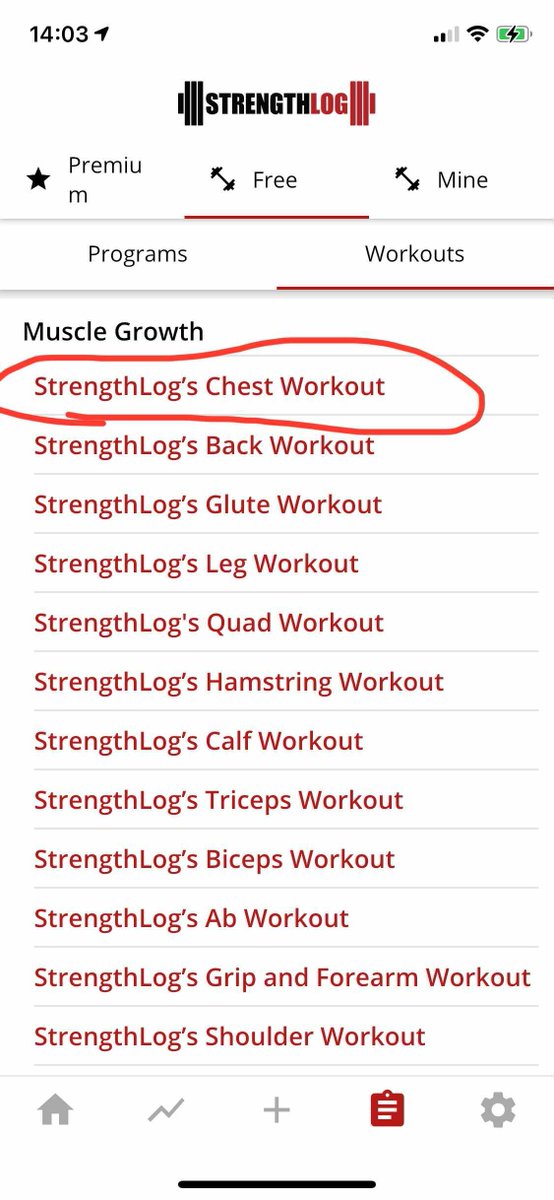
You can read more about the app and download it (100% free) here:
strengthlog.com/app/
Like the app? Do us a solid and help us spread it by retweeting the first tweet in this thread.
Thanks, buddy. And good luck with your training.
strengthlog.com/app/
Like the app? Do us a solid and help us spread it by retweeting the first tweet in this thread.
Thanks, buddy. And good luck with your training.
• • •
Missing some Tweet in this thread? You can try to
force a refresh