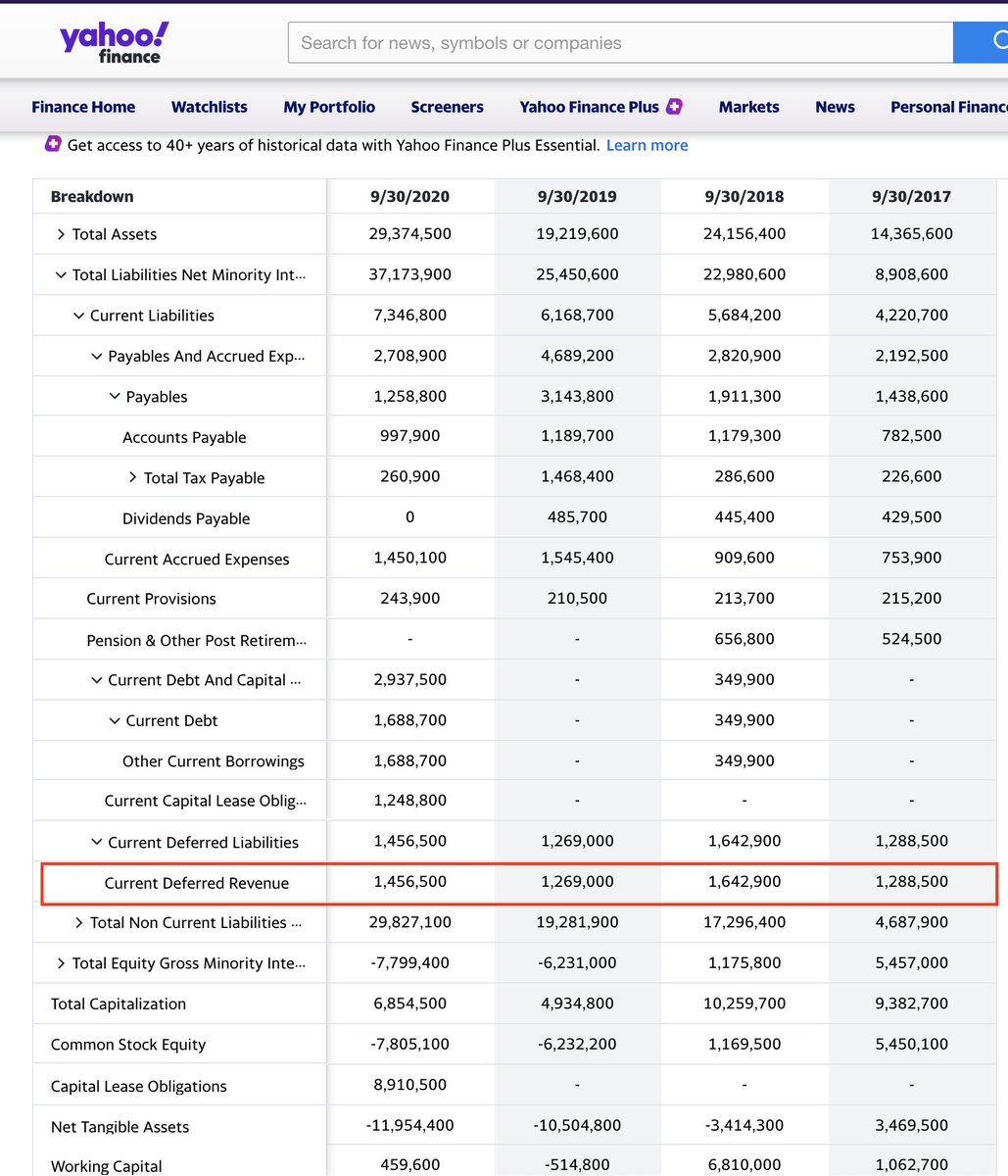
I've worked with developers overseas to build mobile apps, internal tools, SaaS, and everything in between... I've probably saved $250k going this route instead of working with overpriced stateside devs.
You've heard the horror stories... I've never had one.
Here's how I do it:
You've heard the horror stories... I've never had one.
Here's how I do it:
I'm writing this thread w/ the assumption that you're pretty green in this realm, and never built software before.
If you're a PM you won't like this.
Like anything you hire for and manage: the more you know about it the better.
If you're a PM you won't like this.
Like anything you hire for and manage: the more you know about it the better.
The first step is to know what you want.
Not the programming languages and the tech stack...
The information. The views. How the user is going to experience that.
For that you need some vocab, you need to be able to think about data, find comps, and sketch wireframes.
Not the programming languages and the tech stack...
The information. The views. How the user is going to experience that.
For that you need some vocab, you need to be able to think about data, find comps, and sketch wireframes.
Vocab-
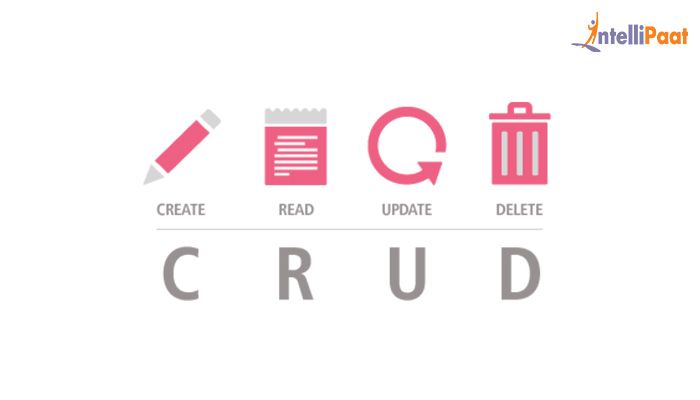
Almost any app you're building is just a tool for looking at and interacting with data in a database.
Create/add records
Read/View them in lists, boards, cards
Update/change them
Delete em!
Almost any app you're building is just a tool for looking at and interacting with data in a database.
Create/add records
Read/View them in lists, boards, cards
Update/change them
Delete em!
Data-
It has to come from somewhere. You may input it in bulk, users may input it, you may bring it in from another app with an API.
Where is your data coming from?
What are the relationships do you need to define?
What do users do with it?
Data structure is the game.
It has to come from somewhere. You may input it in bulk, users may input it, you may bring it in from another app with an API.
Where is your data coming from?
What are the relationships do you need to define?
What do users do with it?
Data structure is the game.
A CRM might have:
- Users
- Contacts
- Notes
- Tasks
Contacts have a phone #, address, and they also have an "owner" user
That user is also assigned some Tasks
Maybe they write a Note
Each Task or Note is related to a Customer
Those Tasks have a status: Open or Closed
- Users
- Contacts
- Notes
- Tasks
Contacts have a phone #, address, and they also have an "owner" user
That user is also assigned some Tasks
Maybe they write a Note
Each Task or Note is related to a Customer
Those Tasks have a status: Open or Closed
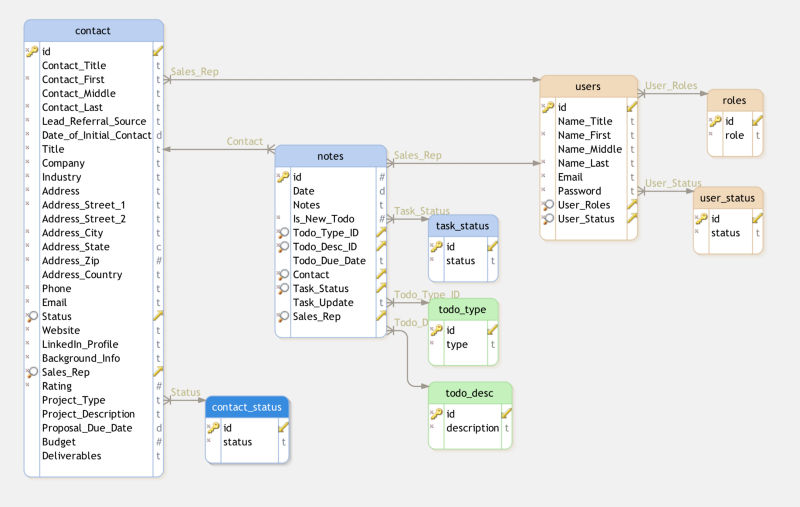
Think that through. Those principles apply to every app you've ever used, and if you can wrangle them you can build software.
If not, you're that "I am looking for a technical founder" person and you should just look for a sales job instead, we don't need you ;)
If not, you're that "I am looking for a technical founder" person and you should just look for a sales job instead, we don't need you ;)
If you're really serious about this, go check out Coda.io and spin up one of their Task templates.
This tool is incredible for getting hands on with tables and relationships and how they interact and I've used it to wireframe entire data structures out.
This tool is incredible for getting hands on with tables and relationships and how they interact and I've used it to wireframe entire data structures out.
Comps-
This alone isn't enough - but sharing and talking through comps is prob the best bang for your buck communication you'll do.
Whether as broad as "Like post mates but for weed delivery" or as specific as "match Twitter's UI" - you can get a lot done sharing w/ comps.
This alone isn't enough - but sharing and talking through comps is prob the best bang for your buck communication you'll do.
Whether as broad as "Like post mates but for weed delivery" or as specific as "match Twitter's UI" - you can get a lot done sharing w/ comps.
UI-
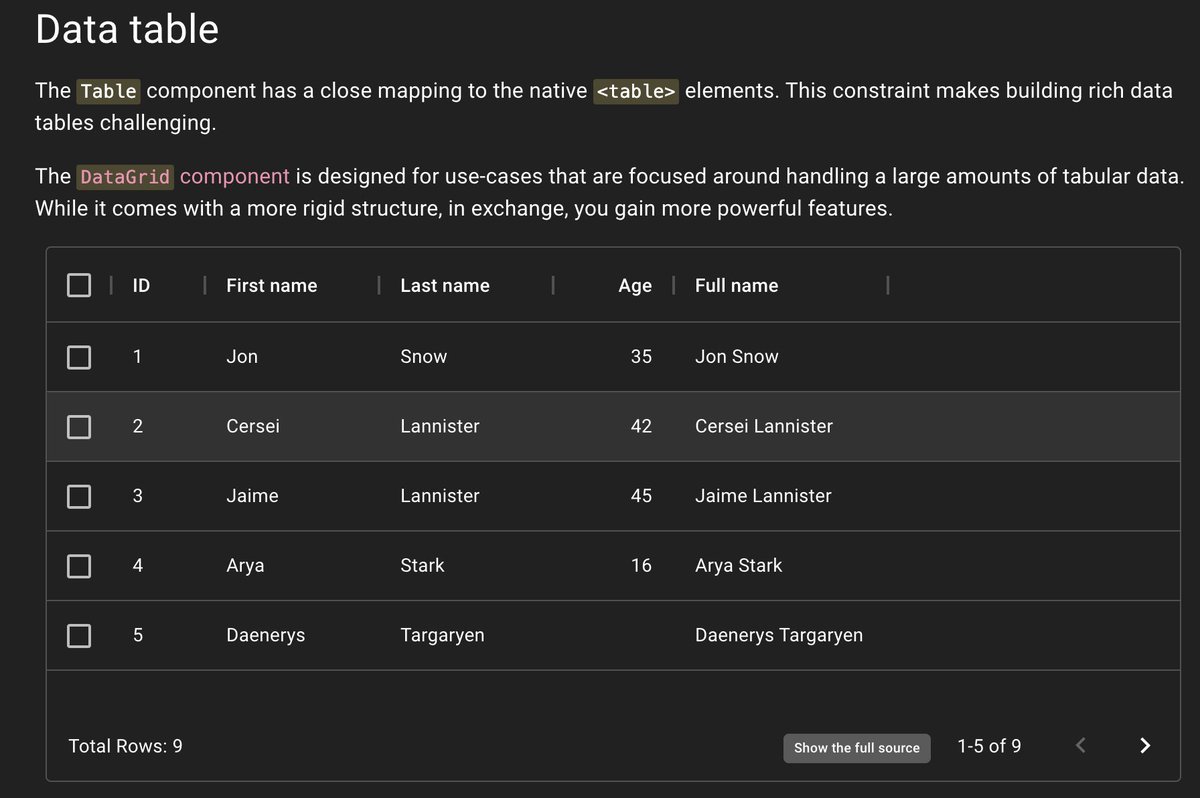
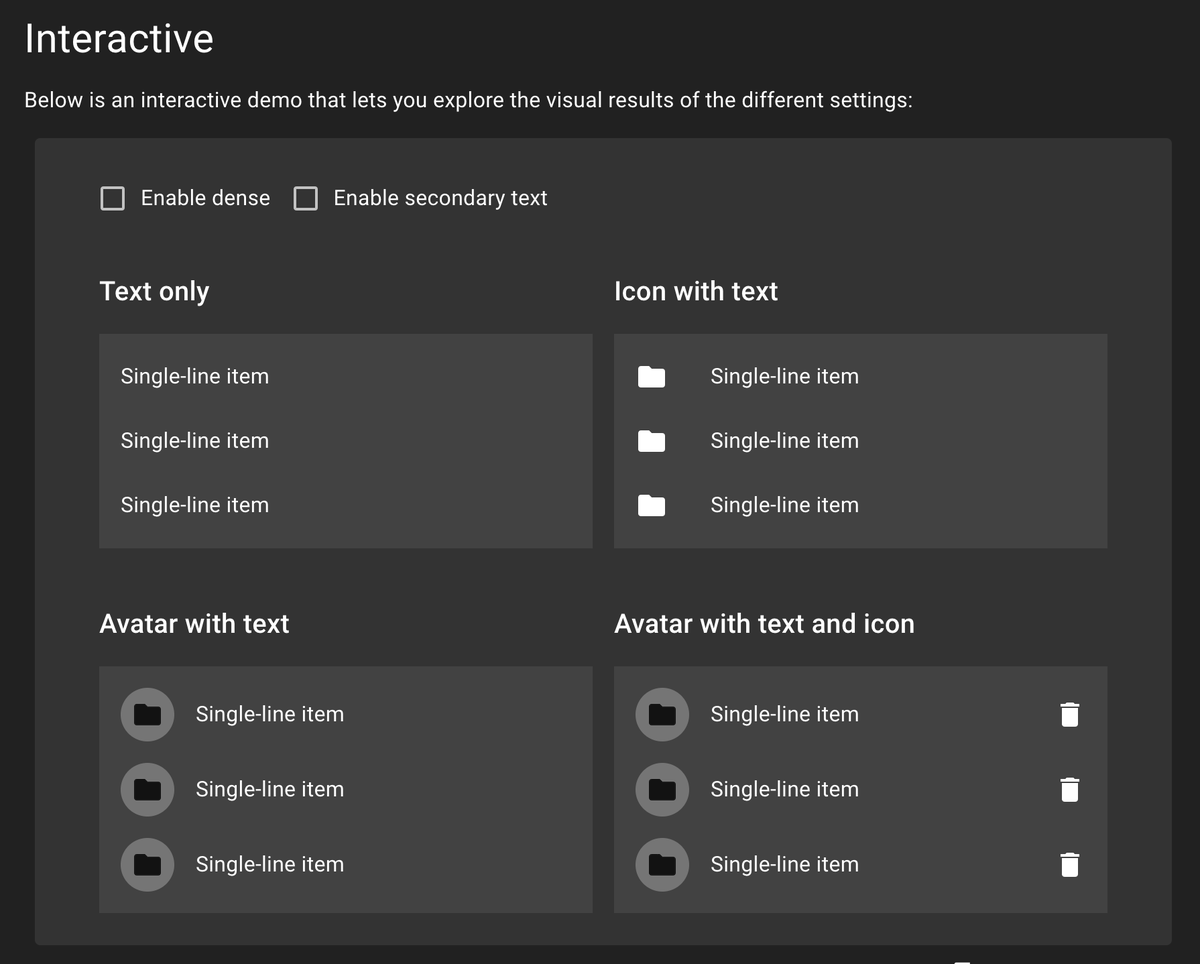
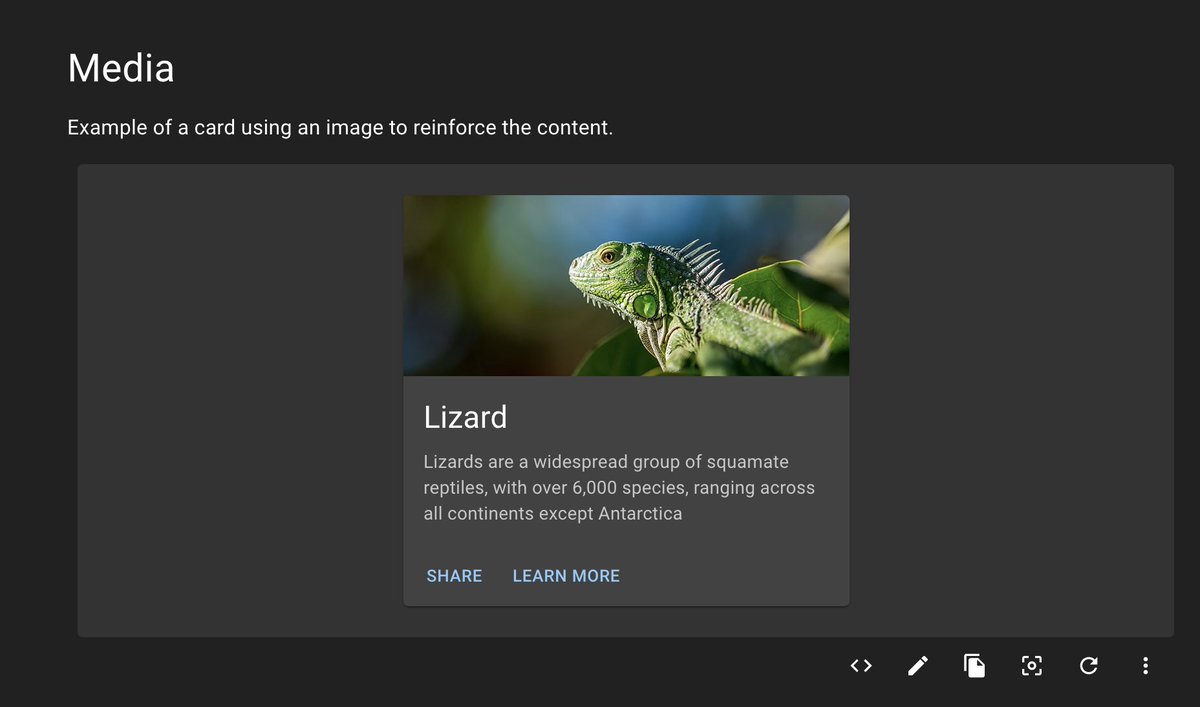
Tbh just slap a Material UI on the wireframes you give em for your MVP.
(Sorry UI nerds)
Material is Google design system and allows you to effectively copy and paste pre-made styles for components.
Buttons, tables, lists, cards, icons, more.
material-ui.com/components/car…
Tbh just slap a Material UI on the wireframes you give em for your MVP.
(Sorry UI nerds)
Material is Google design system and allows you to effectively copy and paste pre-made styles for components.
Buttons, tables, lists, cards, icons, more.
material-ui.com/components/car…

Wireframes-
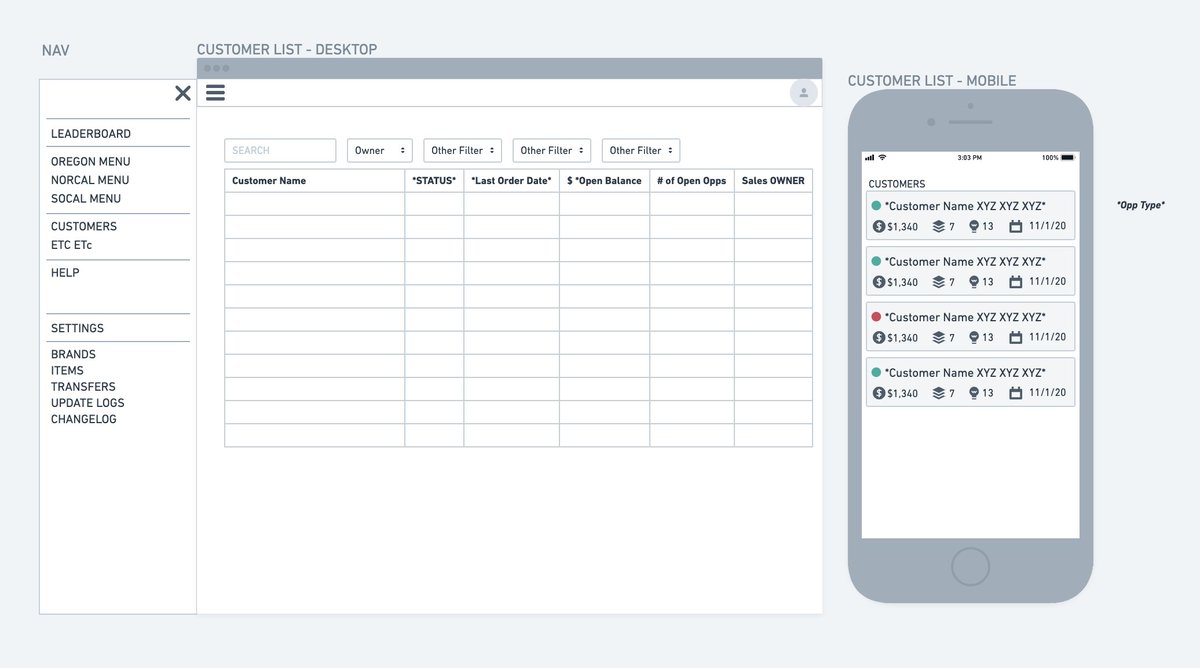
Whimsical is my weapon of choice for View and Layouts. It's super easy and gives you a basic UI kit to drag and drop around all your buttons, icons, and more.
This is one of the most important tools for this, I highly recommend.
Whimsical is my weapon of choice for View and Layouts. It's super easy and gives you a basic UI kit to drag and drop around all your buttons, icons, and more.
This is one of the most important tools for this, I highly recommend.

Now you know what you want.
Start small and build up, don't tackle a massive app on your first run. I started with custom integrations and API work I couldn't get done w/ Zapier and went from there.
Now, you gotta find your developer.
Start small and build up, don't tackle a massive app on your first run. I started with custom integrations and API work I couldn't get done w/ Zapier and went from there.
Now, you gotta find your developer.
I've used Upwork since the it was called ODesk...
REAL HEADS REMEMBER THIS!!
We're talking 10 years.
I've heard all the horror stories and to be frank, I just haven't had them.
REAL HEADS REMEMBER THIS!!
We're talking 10 years.
I've heard all the horror stories and to be frank, I just haven't had them.
Setup your job.
Use all the relevant tags/qualifications - you'll see what I mean.
Don't lay out your comps and wireframes. Just describe the project briefly.
Do hourly, non US, and "Beginner" - you can check "Moderate" if you wanna spend more but trust me here.
Use all the relevant tags/qualifications - you'll see what I mean.
Don't lay out your comps and wireframes. Just describe the project briefly.
Do hourly, non US, and "Beginner" - you can check "Moderate" if you wanna spend more but trust me here.
You're going to get hammered with people blanket applying to tons of jobs.
To filter this, put a very specific ask in your JD and tell the dev to reference it their cover letter.
You can quickly skip the folks who didn't even bother to read your posting.
To filter this, put a very specific ask in your JD and tell the dev to reference it their cover letter.
You can quickly skip the folks who didn't even bother to read your posting.
This can be "tell me your favorite color", or you can get some immediate value.
Assuming you are non technical and have no clue what your tech stack should be, here's what you're gonna do:
Assuming you are non technical and have no clue what your tech stack should be, here's what you're gonna do:
"In your cover letter, recommend what your preferred tech stack for this project and why."
And also....
"Also send direct links to projects in your portfolio that are relevant to this one"
And also....
"Also send direct links to projects in your portfolio that are relevant to this one"
Huge. The influx of applicants is now going to come with a bunch of suggestions on your tech stack.
Go read up on the common suggestions a little bit. Make sure it's something widely used with a community.
You're clueless here so it's a good learning opportunity.
Go read up on the common suggestions a little bit. Make sure it's something widely used with a community.
You're clueless here so it's a good learning opportunity.
Next, the dev:
- Full stack (front and and backend)
- "Beginner" w/ lots of billable
- Low end hourly rate
- Good success rate
- India, Philippines, Middle East
Find a dev with tons of hours logged at reasonable prices with a good success rate.
- Full stack (front and and backend)
- "Beginner" w/ lots of billable
- Low end hourly rate
- Good success rate
- India, Philippines, Middle East
Find a dev with tons of hours logged at reasonable prices with a good success rate.
I assume half the people hiring are idiots, so bad or ok reviews are going to happen even to great devs.
The model above is how you find gold.
I've done it time and time again.
This devs you'll find this way are also much more motivated than their US counterparts.
The model above is how you find gold.
I've done it time and time again.
This devs you'll find this way are also much more motivated than their US counterparts.
Once you hire:
You're gonna live on a msg app. Upwork's is meh.
Scope the whole project, ask what they need from you
Share wireframes, data structure thoughts, etc
Use Github for Task/Issue management w/ a Kanban
Set 7am and 7pm twice daily checkins
You're gonna live on a msg app. Upwork's is meh.
Scope the whole project, ask what they need from you
Share wireframes, data structure thoughts, etc
Use Github for Task/Issue management w/ a Kanban
Set 7am and 7pm twice daily checkins

Morning. you review the last days work.
Night, you checkin on the next day.
Set the tone from the beginning.
Collaborate on initial milestones and tasks and get ambitious on the timing.
Push them. You'll know quickly if you want to keep em around.
Fire fast.
Night, you checkin on the next day.
Set the tone from the beginning.
Collaborate on initial milestones and tasks and get ambitious on the timing.
Push them. You'll know quickly if you want to keep em around.
Fire fast.
Also:
Document!
Hire a second dev at big milestones on a fixed rate to do code review.
Use frameworks when possible and don't let them reinvent the wheel.
Implement standard security measures.
Ask your dev! Lean on them and trust but verify their suggestions and gameplan.
Document!
Hire a second dev at big milestones on a fixed rate to do code review.
Use frameworks when possible and don't let them reinvent the wheel.
Implement standard security measures.
Ask your dev! Lean on them and trust but verify their suggestions and gameplan.
I expect to get some flack from product managers, engineers, and designers for this thread - that's fine it's not for them. In fact, everything about this is meant to hack and bypass all their usual BS.
Sorry folks - builders build.
Sorry folks - builders build.
I build businesses and cannabis brands all day long, and write tactical How To threads like this pretty often.
Follow me @landforce
This thread was inspired by 2500 words I wrote on this topic a few years ago.
If you want it, sub and I'll send today:
landforce.co/sub
Follow me @landforce
This thread was inspired by 2500 words I wrote on this topic a few years ago.
If you want it, sub and I'll send today:
landforce.co/sub
TLDR-
- Think about data structures
- Use comps
- Whimsical all day
- Low $, high experience
- Set the tone and collab
- Trust but verify
Any other big tips I missed?
- Think about data structures
- Use comps
- Whimsical all day
- Low $, high experience
- Set the tone and collab
- Trust but verify
Any other big tips I missed?
• • •
Missing some Tweet in this thread? You can try to
force a refresh