This is also why money printing thingamajigs have so much persuasive value. Hence why cryptocurrencies have their appeal.
People are more easily persuaded to pay for something if they perceive that it is an investment. An investment is anything that makes more money than what you originally put in.
This differs from something that has entertainment value. People will pay for entertainment but it will also be less than an investment. Entertainment trades one's attention over something else. It is valued based on comparables.
People also pay for status. People will pay for luxury because it signals to others someone's status. People pay for education because it signals status. One is persuaded by comparing prioritizing one status signal compared to another.
But people also pay for something more subtle than just status. People pay to signal their identity. We pay for things that reflect our values. We discriminate between different luxury brands based on how we want to project our identities.
Social Networking business models are driven by the need for people to signal identity. But its users don't pay anything. However, its paying customers (i.e. advertisers) do so because they are making investments. They invest in the targeting and persuasion of identities.
• • •
Missing some Tweet in this thread? You can try to
force a refresh

In IT you can be employed for life because the technical debt keeps piling up. The garbage collector analogy is an apt analogy. Nobody wants to do it, so they'll pay people to do it.
The most predictable path to profitability is to create a business collecting other people's garbage. The riskiest business model is to do only the cool things that everyone else wants to do.
Too many startups are fixated only on doing the next cool thing. There's a survival bias that big companies are doing all the cool things. Doing the cool thing is profitable only when you are first to pick the low-hanging fruit.
Here's a map of the US and the delta-variant as of Aug 5. Is there a firewall that can contain the rapid rise of infections coming from the south?
Here's the covid vaccination rate as of July 1. The northeast is bordered by well-vaccinated states (i.e. IL, KY, VA). It will be problematic if there is an outbreak in IN, OH and WV. Reminds me of playing the game of Risk.
So what's going on in FL? It's in the middle of a battle. There's no firewall protecting it from lowvax states like AL. If you look at the map, the intensity of the outbreak in AL is at the border with FL.
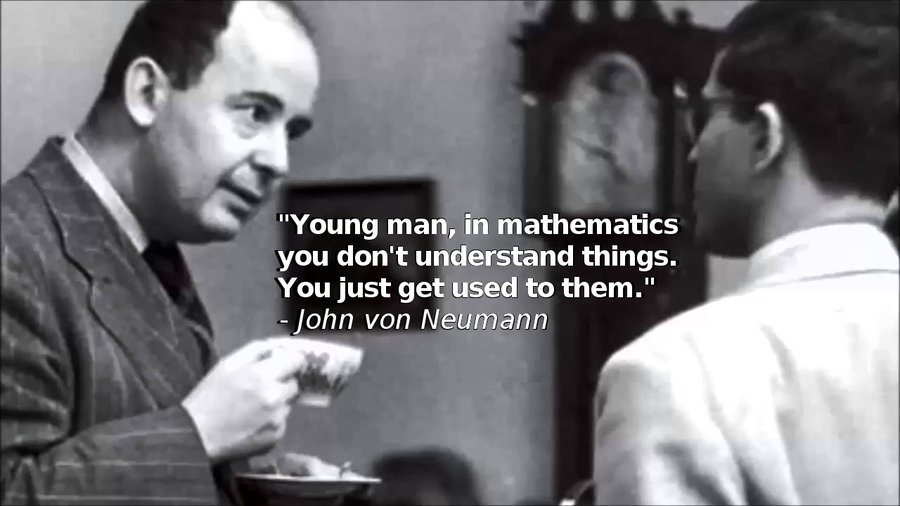
Von Neumann once told a student who was troubled by the counter-intuitiveness of quantum mechanics:
There are many deep learning practitioners who are also lost in mathematics. The difference of course is that DL folks don't actually have to perform the computations, the network does that for them.
In fact, with methods like architecture search, they can just use the machine to discover the optimal neural architecture.
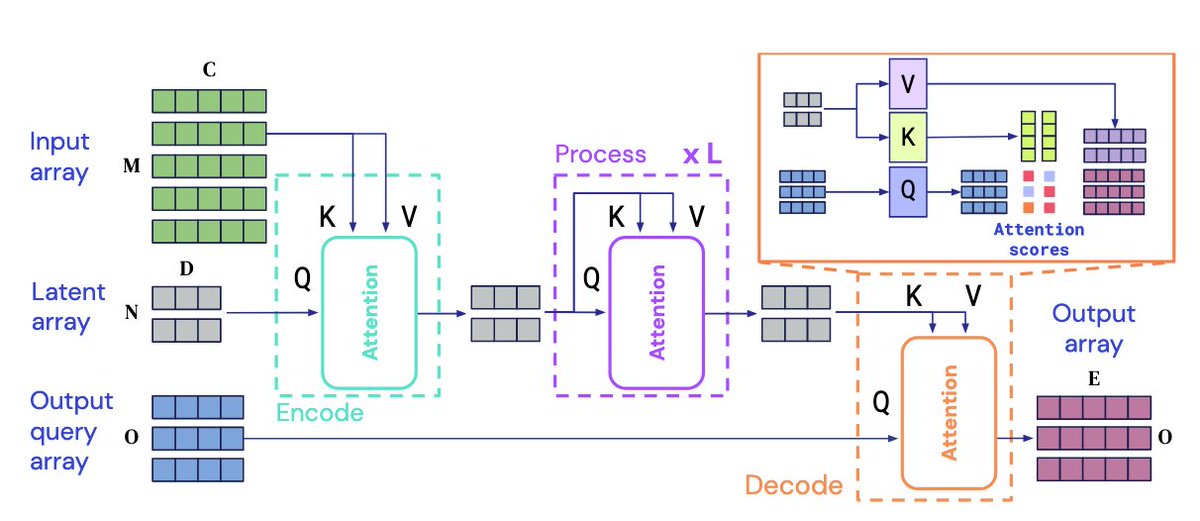
What's the logic behind DeepMind's universal Perceiver-IO block?
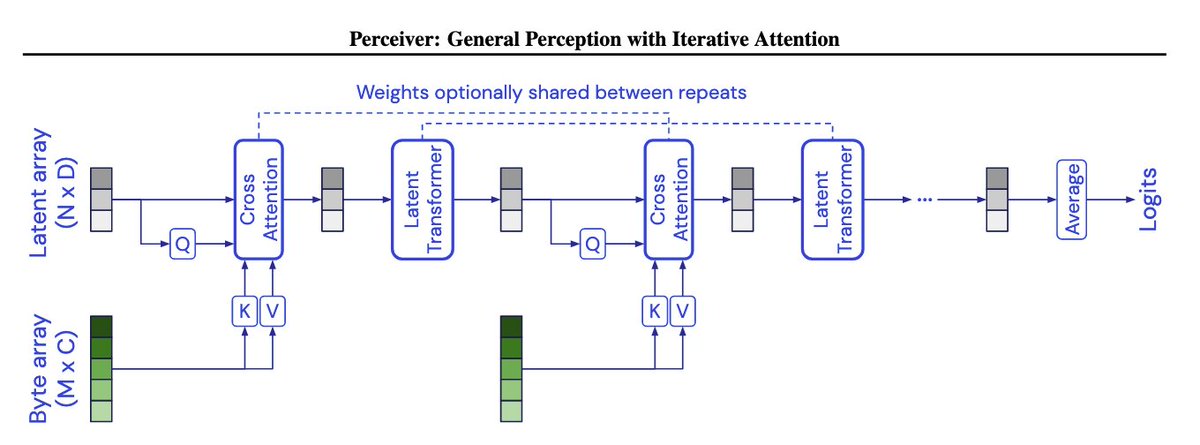
Perhaps we want to compare this with the original perceiver architecture:
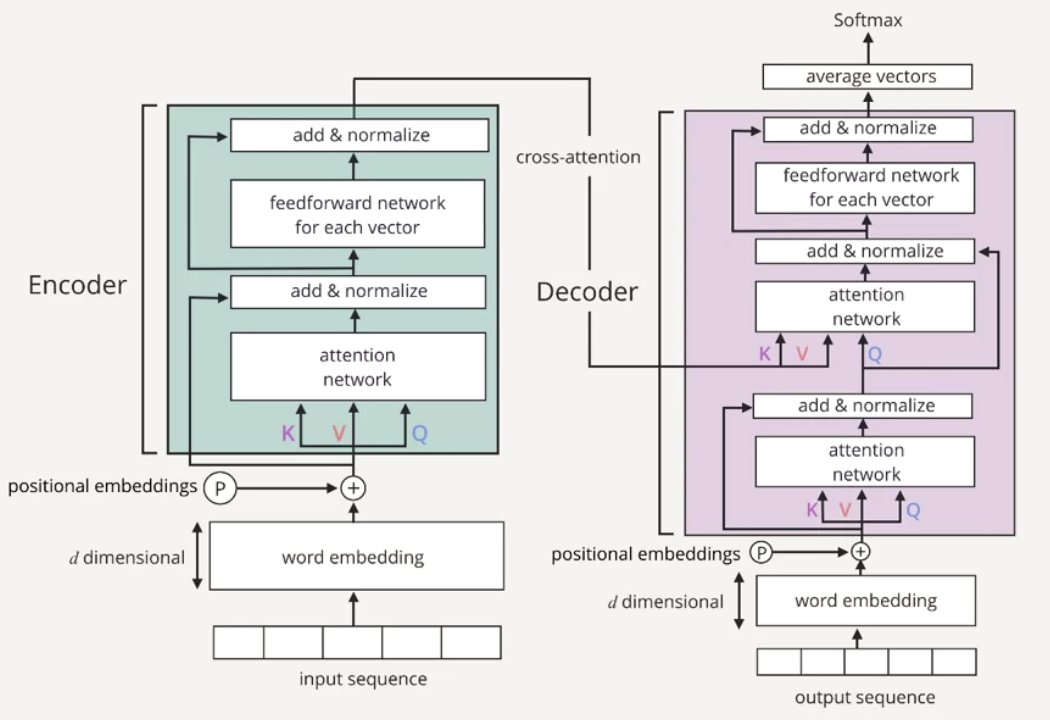
Note how the input array (in green) is fed back into multiple layers as a 'cross attention' in the previous diagram. That cross attention is similar to how your would tie an encoder with a decoder in the standard transformer model:
In Frank Herbert's Dune, the affairs of the entire universe revolve around a psychedelic drug known as the Spice Melange that enables beings the ability to fold spacetime and see into the future. dune.fandom.com/wiki/Spice_Mel…
The spice is essential because without it travel between planets in the universe would be practically impossible. The universe is interconnected in commerce through psychedelics.
The spice however also allows its consumers to see into the future. Hence to make predictions of what might come. Does not one find it odd that success in our modern financial industry relates to our ability to see into the future?