Machine Learning Weekly HighLights 💡
Made of:
◆3 things from me
◆2 from from others and
◆1 from the community
Made of:
◆3 things from me
◆2 from from others and
◆1 from the community
This week, I explored different object detection libraries, wrote about the hyper-parameter optimization methods, and updated the introduction to machine learning in my complete ML packaged free online book.
I also reached 6000 followers 🎉. Thank you for your support again!
I also reached 6000 followers 🎉. Thank you for your support again!
#2
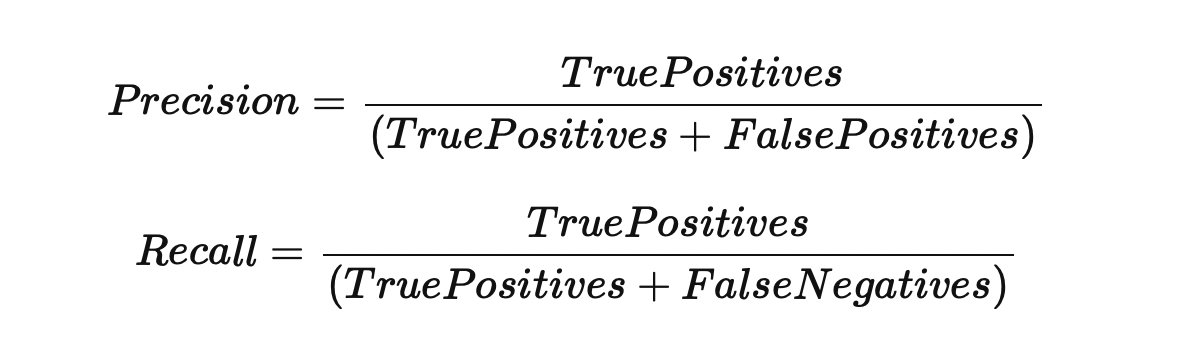
Different hyper-parameter optimization techniques
Different hyper-parameter optimization techniques
https://twitter.com/Jeande_d/status/1463514411922903050?s=20
#3
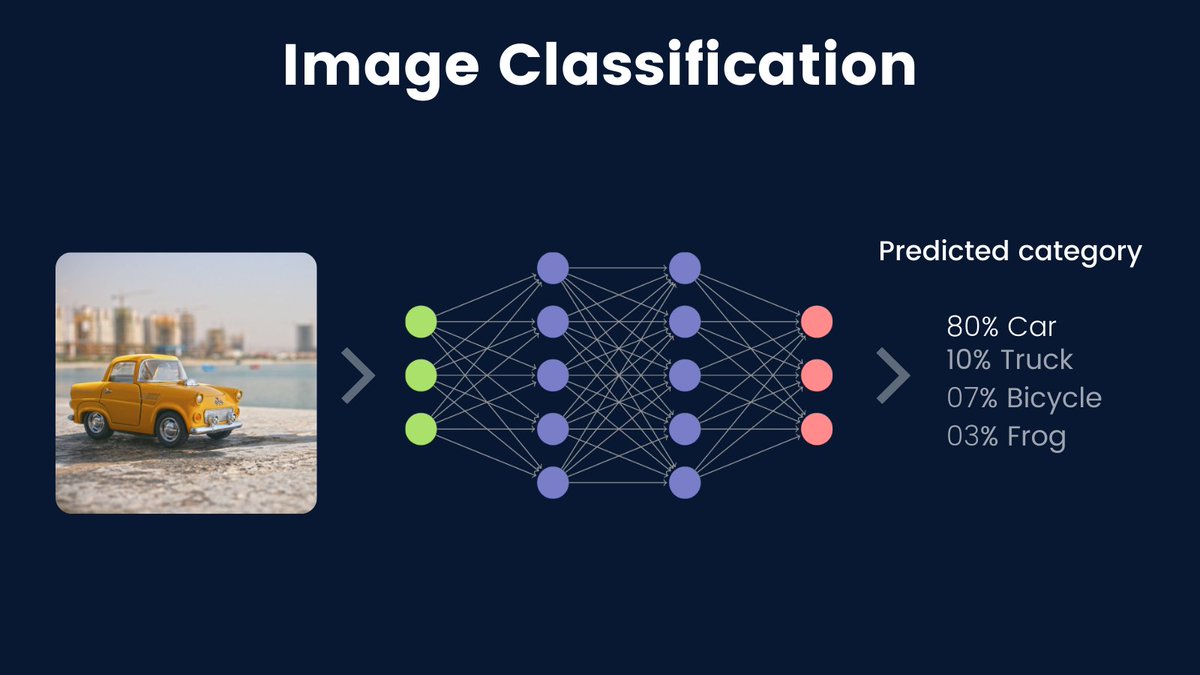
And lastly, here are the updates about the complete ML online free book:
And lastly, here are the updates about the complete ML online free book:
https://twitter.com/Jeande_d/status/1463858056123404291?s=20
2 things from other people
#1 Machine Learning BootCamp
@Al_Grigor has been teaching a free great machine learning course based on his book.
The course materials are available at
github.com/alexeygrigorev…
#1 Machine Learning BootCamp
@Al_Grigor has been teaching a free great machine learning course based on his book.
The course materials are available at
github.com/alexeygrigorev…
#2 Applying ML
@eugeneyan made a great collections of resources on how to apply machine learning: curated papers, blogs, and interviews.
Great collection, Eugene. Like you mentioned, there's a gap between knowing ML vs applying it. Thus, this is 💯💯
applyingml.com
@eugeneyan made a great collections of resources on how to apply machine learning: curated papers, blogs, and interviews.
Great collection, Eugene. Like you mentioned, there's a gap between knowing ML vs applying it. Thus, this is 💯💯
applyingml.com
1 from the community: RedCaps
RedCaps is a new largest image-text pair dataset that contains 12M image-text pairs, collected from Reddit.
RedCaps is a new largest image-text pair dataset that contains 12M image-text pairs, collected from Reddit.
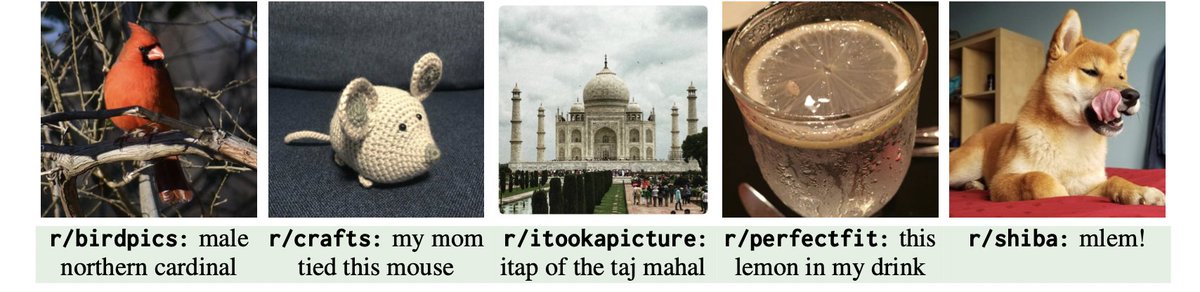
RedCaps dataset can be useful for vision and language tasks such as image captioning and visual question answering.
Paper: arxiv.org/abs/2111.11431
Page: https://t.co/V0CW1xJC2W
RedCaps was collected by @jcjohnss, @kdexd, @gauravkaul7 and @zubinaysola
Paper: arxiv.org/abs/2111.11431
Page: https://t.co/V0CW1xJC2W
RedCaps was collected by @jcjohnss, @kdexd, @gauravkaul7 and @zubinaysola
There is a demo of the dataset trained on VirTex(Learning Visual Representations from Textual Annotations) model that you can try on @huggingface.
I tried it for my own images and it seems to work well.
huggingface.co/spaces/umichVi…
I tried it for my own images and it seems to work well.
huggingface.co/spaces/umichVi…
That's it from this week.
A summary of the highlights:
◆Object detection libraries
◆Hyper-parameter optimization methods
◆Updates on Intro to ML in my ML
Complete packaged online free book
◆Alexey ML BootCamp
◆Eugene MLOps resources
◆RedCaps image-text pair dataset
A summary of the highlights:
◆Object detection libraries
◆Hyper-parameter optimization methods
◆Updates on Intro to ML in my ML
Complete packaged online free book
◆Alexey ML BootCamp
◆Eugene MLOps resources
◆RedCaps image-text pair dataset
Thanks for reading.
You can retweet or share these highlights to anyone who you thing might benefit from reading them.
Follow @Jeande_d for more ML contents.
Until the next week, stay safe!
You can retweet or share these highlights to anyone who you thing might benefit from reading them.
Follow @Jeande_d for more ML contents.
Until the next week, stay safe!
• • •
Missing some Tweet in this thread? You can try to
force a refresh