Update from the Grenfell Tower Inquiry:
LABC was warned that its misleading certificate about Kingspan's K15 insulation and told it was "extremely important with regard to life safety" that it was corrected. It did not act. The letter was also forwarded to a senior govt official
LABC was warned that its misleading certificate about Kingspan's K15 insulation and told it was "extremely important with regard to life safety" that it was corrected. It did not act. The letter was also forwarded to a senior govt official
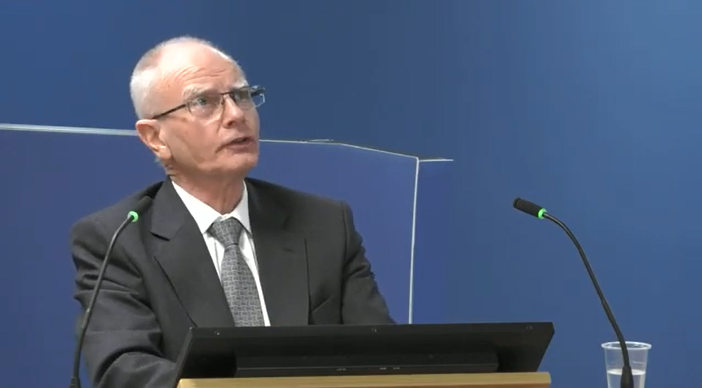
LABC is a membership organisation represting council building inspectors. It also had a sideline where companies paid it to provide certificates confirming the status of their products. These then helped get the products signed off in construction projects.
In 2009, LABC provided a certificate to Kingspan. It said the product can be considered a material of limited combustibility and could be used on high rises. Both LABC and Kingspan witnesses have accepted this was misleading. Previous report here: insidehousing.co.uk/news/news/king…
We learned today that not long after the publication of the certificate, Kingspan's competitor Rockwool wrote to Barry Turner (head of policy at LABC and today's witness) querying the claims in the certificate.
The letter said the claim was of "serious concern" and "could result in a combustible insulation material being used in an application where a potential risk has been clearly identified". The letter was cc-ed to Brian Martin - a senior civil servant at MHCLG
Rockwool followed up with another letter a month later. Mr Turner replied to neither.
"My recollection is that this was considered a complaint from a competitor. And LABC shouldn't act as referee between competitors," he says.
"My recollection is that this was considered a complaint from a competitor. And LABC shouldn't act as referee between competitors," he says.
(It is accurate to point out that Rockwool sells non-combustible insulation and is in fierce competition with Kingspan for market share)
Rockwool followed up with emails in Feb 2010 asking for a response.
Rockwool followed up with emails in Feb 2010 asking for a response.
We then see that Mr Turner went to Kingspan's head of marketing to discuss it. He was on first name terms, and said he knew him "very well" from various select committees they had both sat on.
"Can you explain why you were discussing this with the head of marketing at Kingspan before you've even investigated the substance of the complaint that's been raised?" asked counsel to the inquiry Kate Grange QC.
"I think the first connection or the first the first correspondence came from them [Kingspan], not from me, and it came from them because he knew me through the working group, not the other way around," says Mr Turner
Mr Turner ultimately responded to Rockwool saying "it is not for us to explain to third parties our reasons or justifications" and adding "If you have issues with claims made by a competitor, I must ask that you deal directly with the company making those claims."
"It appears that you're not only agreeing with [the] assessment of K 15, but you are in fact defending the technically incorrect claim made on that certificate. Is that right?" says Ms Grange.
"I put my trust in others that they had done it correctly. And as an organisation representing local authorities, of course we were trying to defend them," replies Mr Turner. He continues after lunch.
• • •
Missing some Tweet in this thread? You can try to
force a refresh