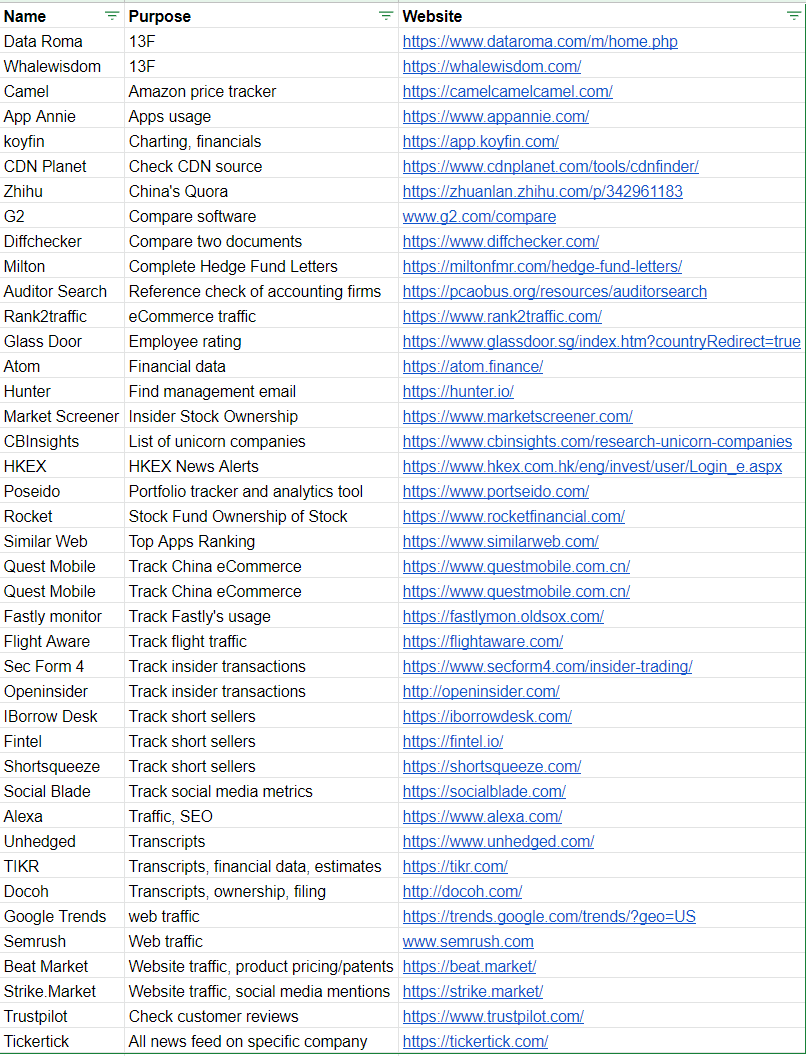
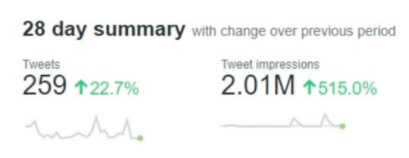
My complete research toolkit for analyzing a stock.

Feel free to add any that I have missed out! Image
Big thanks to all those who contributed!

Updated list of research toolkit. Image
If you have found this useful, follow me here @SteadyCompound

I write about investment concepts and breakdown businesses.
I curate 3 ideas on investing and growth philosophies.

Every week.

Join more than 3,000 readers by subscribing here:
steadycompounding.com
Wow, thanks for all the generous sharing of resources!

I will update the list whenever I find something interesting.

Save a shortcut of this spreadsheet to your Gdrive and get the latest version all the time.

docs.google.com/spreadsheets/d…

• • •

Missing some Tweet in this thread? You can try to force a refresh

 

Keep Current with Thomas Chua

Thomas Chua Profile picture

Stay in touch and get notified when new unrolls are available from this author!

Read all threads

This Thread may be Removed Anytime!

PDF

Twitter may remove this content at anytime! Save it as PDF for later use!

Try unrolling a thread yourself!

how to unroll video
  1. Follow @ThreadReaderApp to mention us!

  2. From a Twitter thread mention us with a keyword "unroll"
@threadreaderapp unroll

Practice here first or read more on our help page!

More from @SteadyCompound

8 Jan
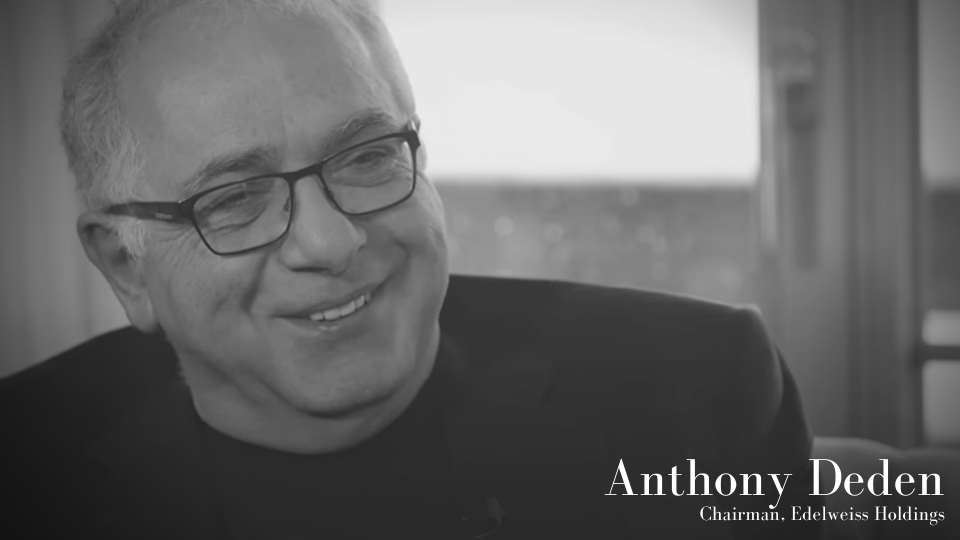
'Tony' Deden got into the investment business by accident.

Managing the monetary affairs of a family after the breadwinner dies.

Over time, one family became two, three, and more.

Knowing that his clients no longer had an income, capital preservation was key.

My key insights: Image
1. Respect the capital

The capital entrusted to him was a lifetime's worth of savings.

It's tough enough to protect the capital from externalities such as inflation, taxation or unforeseen events.

A fund manager can't compound the error by internal factors such as imprudence.
2. A good investment must have three components

Scarcity, permanence and independence.

These three components make investments endure the test of time.
Read 19 tweets
1 Jan
Buffett's letters taught me more about investing than any business school ever could.

Even after investing for 14 years, I uncover new insights every time I reread his letters.

Recently, I reread his letters from 1977 to 2020 for a third time.

Here are my key insights: Image
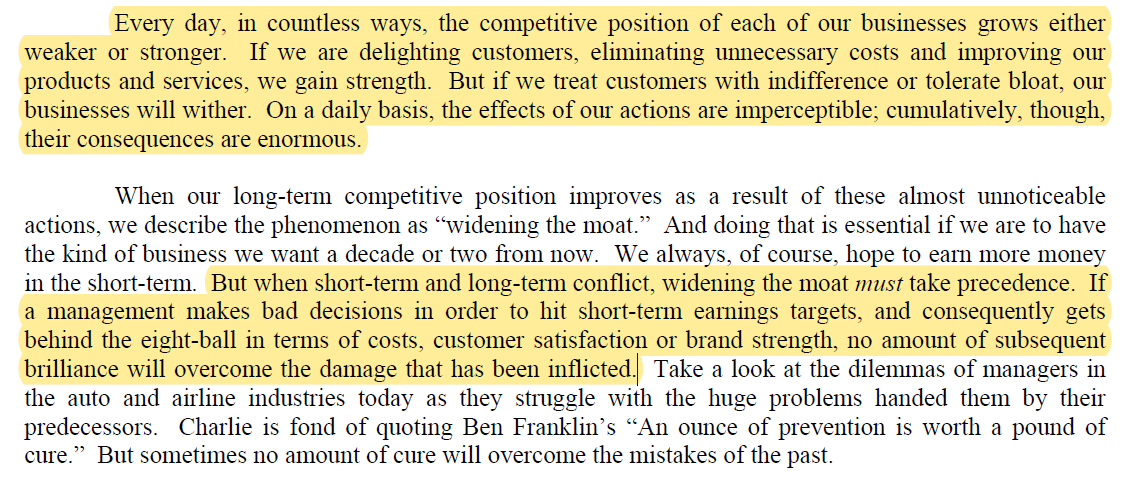
1. Moat is NEVER stagnant

A company's competitive position either grows stronger or weaker each day.

Widening the moat must always take precedence over short-term targets. Image
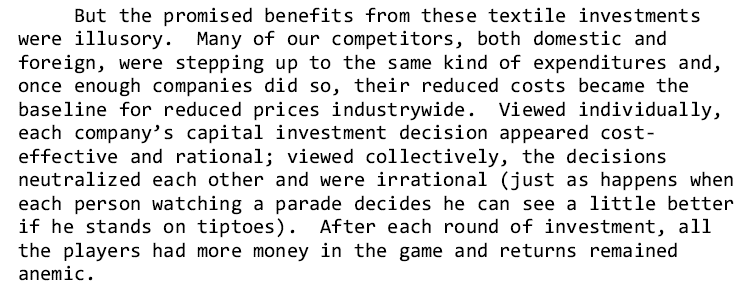
2. Commodity businesses

A business without moat will have its returns competed away.

Regardless of improvement, your competitors will quickly copy your advantage away.

Where returns on capital is dismal, reinvestment will only destroy value. Image
Read 23 tweets
24 Dec 21
Fintwit is a wonderful place for learning.

I have learned from the generous sharing of many Fintwitters.

This year, I became more active and began giving back to the community.

Here are my top 5 threads that can help you become a better investor:
1/ Top five lessons from Fintwit University

Read 8 tweets
21 Dec 21
Marathon Asset produced several iconic investors such as Nick Sleep and Jeremy Hosking.

Their letters from 2002 to 2015 provided a treasure trove of insights into their investment frameworks and how they look at the capital cycle.

Here are my main takeaways:
1/ Periods of high profitability leads to reckless investments.

When profits are high:

-Boost CAPEX with little regard for ROIC
-Competitors will follow suit to avoid losing market share
-CEO's incentives aren't aligned with shareholders

It's a race to the bottom.
2/ The capital cycle will swing down when investments are taken too far.

Forecasts that were reasonable will now look overly optimistic.

Profits collapse, management teams are changed, CAPEX is cut, and consolidation begins.

This will pave way for a recovery of profits.
Read 14 tweets
14 Dec 21
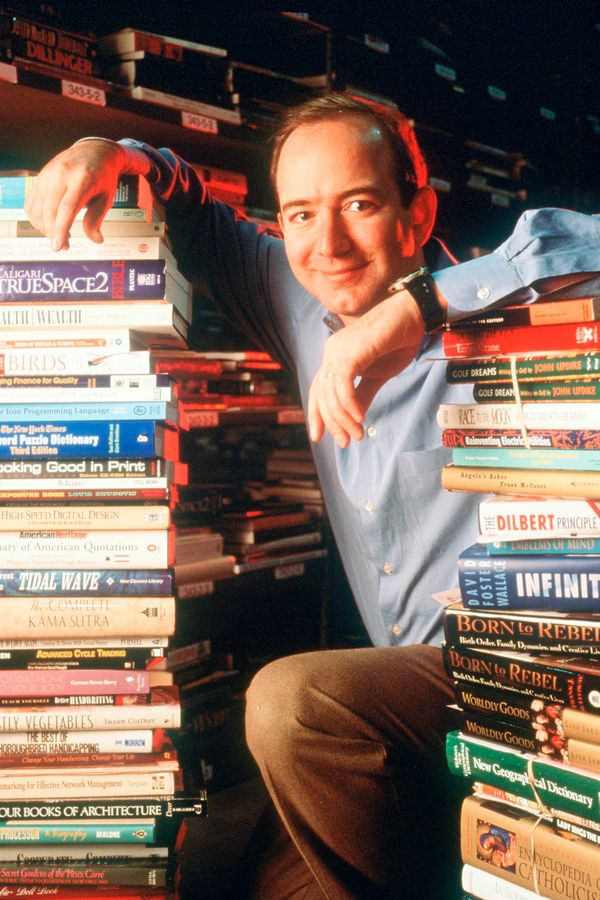
At 30 years old, Jeff Bezos left his cushy career to start an online book store.

His letters as the CEO of Amazon are a treasure trove of insights into investing and life.

I have consumed all of Jeff's letters & interviews since 1997.

Here is what I have learned: Image
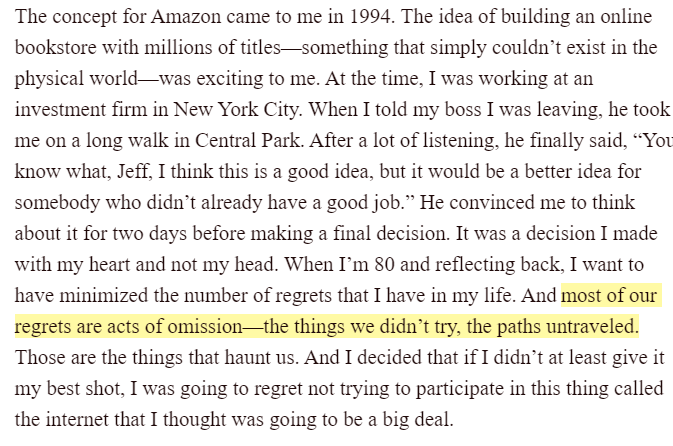
1. The regret minimization framework

Jeff would imagine himself at age 80, "What have I regretted in life?"

And work backwards to guide your present decisions.

Most of our regrets are from the things we didn’t try, the risks we didn’t take, or the paths we didn’t travel. Image
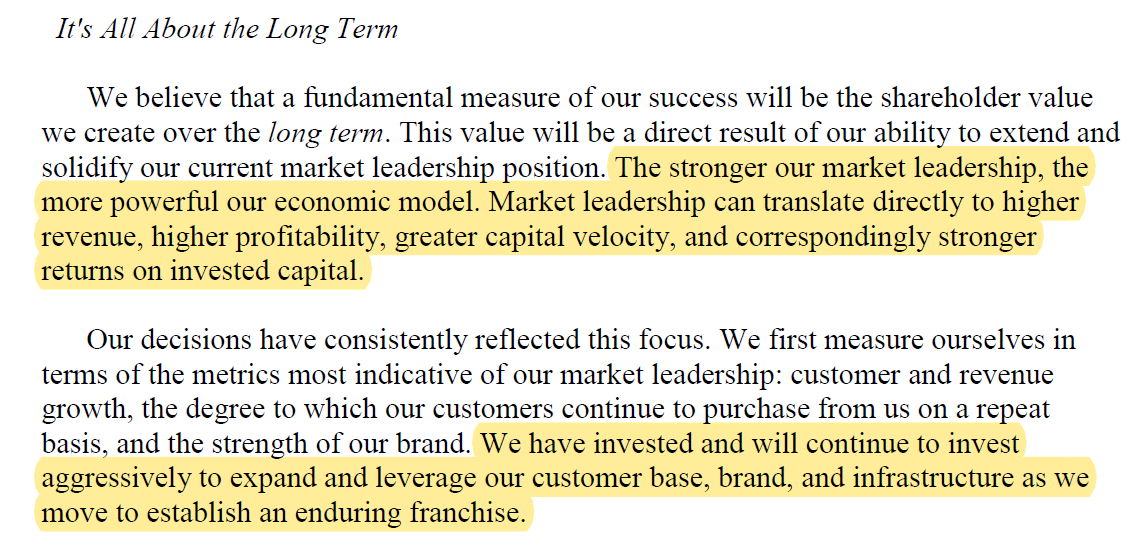
2. It's all about the long-term

Competition is sparse when you are competing in decades.

Many companies make decisions based on the next three to five years.

Bezos is investing for the next two decades. Image
Read 13 tweets
11 Dec 21
Terry Smith is often referred to as "the English Warren Buffett".

He runs Fundsmith which has a fund size of £27.9bn.

Despite the size, Fundsmith did a CAGR of 18.4%.

In his book Investing for Growth, he explains his investing philosophy.

Here's a breakdown:
1. Fundsmith's winning formula

Find companies that focus on delivering value.

Not those who are looking to pacify Wall Street with short-term results.
2. Avoiding "cheap" companies?

Low multiples are not a reason to buy a company.

A ship will continue to sink if it has a hole in it.

"A stock may have a low valuation but an even lower intrinsic value. Buying such a stock is not a recipe for investment success."
Read 12 tweets

Did Thread Reader help you today?

Support us! We are indie developers!


This site is made by just two indie developers on a laptop doing marketing, support and development! Read more about the story.

Become a Premium Member ($3/month or $30/year) and get exclusive features!

Become Premium

Too expensive? Make a small donation by buying us coffee ($5) or help with server cost ($10)

Donate via Paypal

Or Donate anonymously using crypto!

Ethereum

0xfe58350B80634f60Fa6Dc149a72b4DFbc17D341E copy

Bitcoin

3ATGMxNzCUFzxpMCHL5sWSt4DVtS8UqXpi copy

Thank you for your support!

Follow Us on Twitter!

:(