Many people ask me about this Moderna patent sequence.
Some calc the odds of a 19mer by chance as 4^19.
A big number if life were truly random.
But evolution is a preservation of those random words that improve fitness so we have to ask, are there similarities to common words?
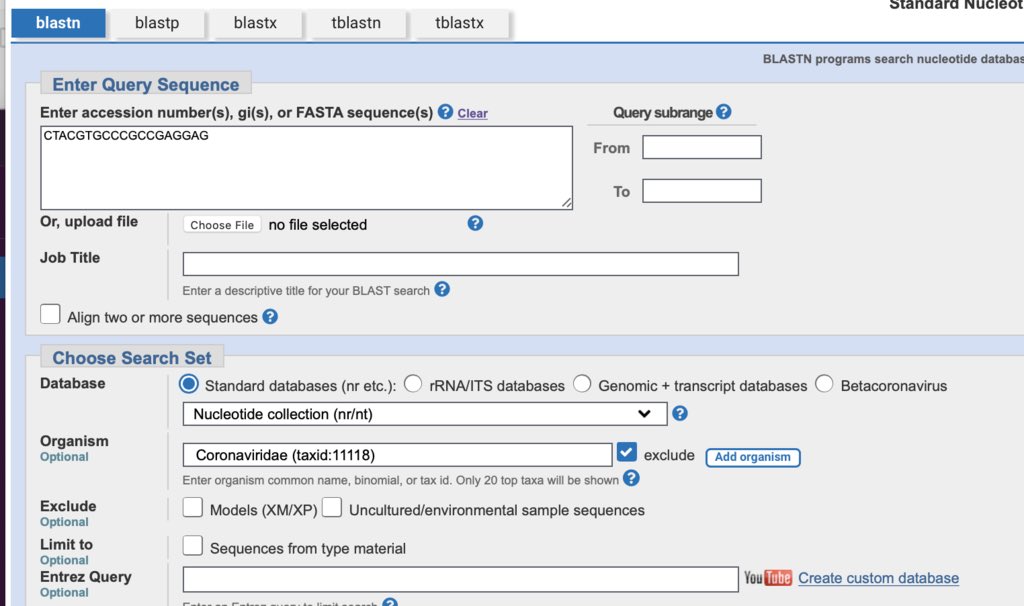
Take the 19mer sequence and plug it into NCBI BLASTn against the Nr database.
Check ‘exclude’ and enter coronaviridae.
You’ll get microbial hits like this.
Check the E-Value.
What’s the E-Value?
Q: What is the Expect (E) value?
The Expect value (E) is a parameter that describes the number of hits one can “expect” to see by chance when searching a database of a particular size. It decreases exponentially as the Score (S) of the match increases.
I believe this is because the implications of FPs are less severe than the implications of FNs.
FPs you can confirm with another test or just suck it up and quarantine for the ‘greater good’.
FNs, on the other hand, expose the entire track trace system as the scam that it is.
Particularly when they are this high.
Once negative, very few people want to stand in a line with other potentially sick people and pay $50-300 a second shot at quarantine.
We have Cannabis Whole Genome Sequencing honed to the point where people are using it to untangle the history of the famous Skunk #1 line.
I wasnt around then so I cant speak with any authority on the oral history but I can help people better understand Kannapedia.net
Phylo-Trees can be complicated so lets just take a look at the genetics of THCAS.
There are a few interesting mutations found in early cannabis lines that we will go over.
Ala250Asp
Pro333Arg
Pro542Leu
Ser355Asn
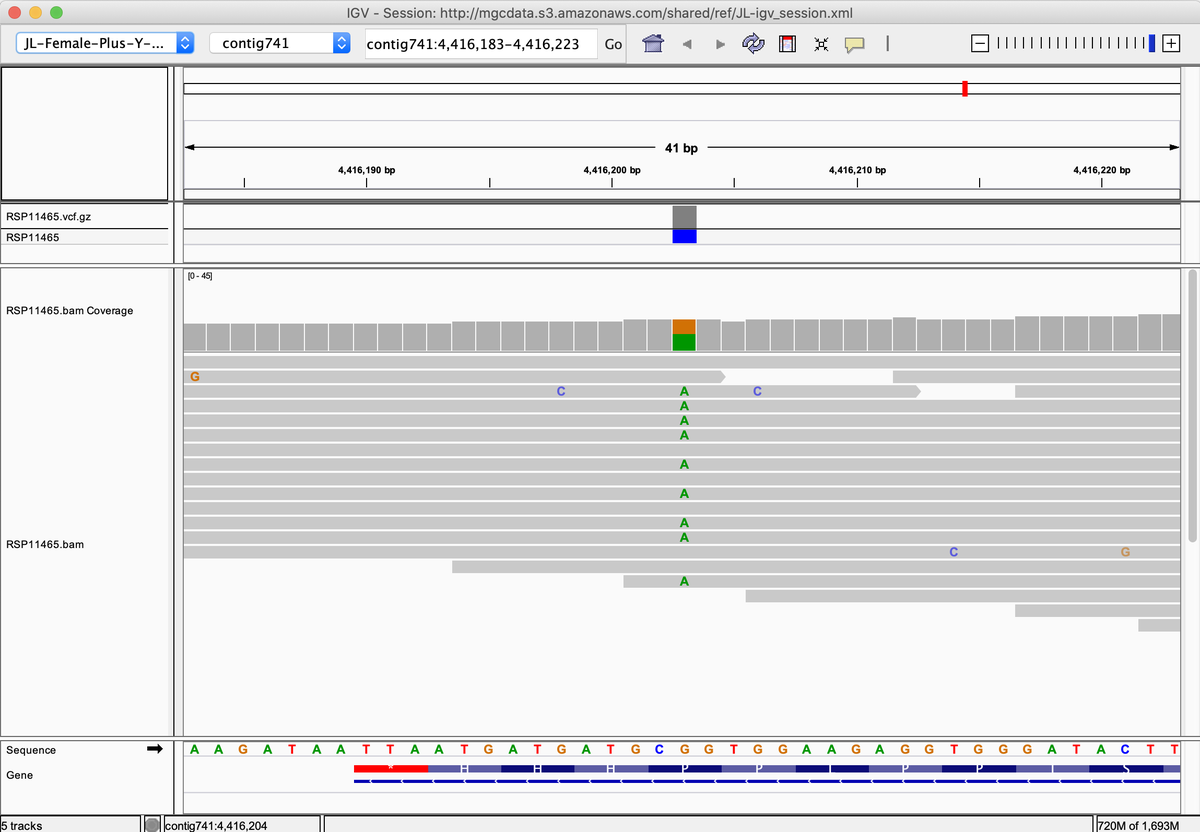
A recently sequenced Skunk line kannapedia.net/strains/rsp124…
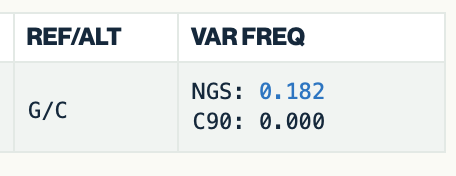
A250D and Pro333Arg are some of the most common mutations.
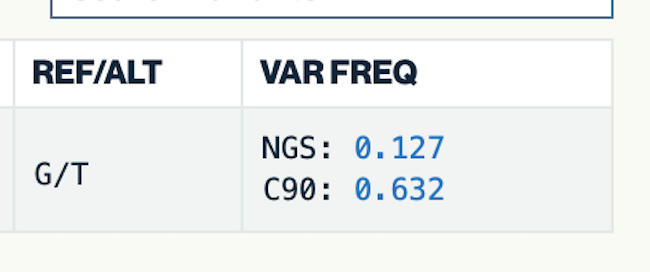
A250D is found in 12.7% of the NGS data. The C90 data finds this more frequently but less samples have been run through that pipeline.
P333R is found in 18.2% of the NGS data.
Respiratory viruses have been around longer than any Judge. To assume parasitism and not mutualism is myopic.
45% of our genome consist of viral elements (LINE, Alu etc) and 8% of the genome consists of infectious retroviruses.
The advent of NextGen sequencing allowed us to peer into mutualistic viruses, as in the past, expensive sequencing was reserved for exploring pathogens.
I like mice…
So does some lab that derived Omicron.
Very good read.
You’ll see how Molnupiravir could not have done this alone.
Random C->U mutations are not elevated in omicron but GC-AT are different in early omicron Vs post outbreak.
Mice host!
GC-AT mutations are a signature of ROS damage that makes 8-OxoG.
ROS is elevated in febrile viral infections.
These authors looked at early omicron Vs post outbreak omicron and see a difference here suggesting omicron had a different host at some point.
Mice fit the bill.
Another kind cat sent me this paper.
Another important point is the Ka/Ks analysis they do (dN/dS).
This shows 6.6X higher selective pressure on spike but not on the rest of the SARs genome.
Mice + selection against spike (vax of MAbs) could do this.