Our latest 600-page assessment of UK progress to reduce emissions is out today. Read the report, take a look at our new monitoring framework and flick through 300+ detailed recommendations. But first, let us take you through some of our key messages 🧵👇
This report marks a step change for the CCC, as we increase our focus on tangible delivery of Net Zero across the economy. Using our new monitoring framework, we will be tracking progress against the Net Zero Strategy with new indicators against a model of change for each sector.
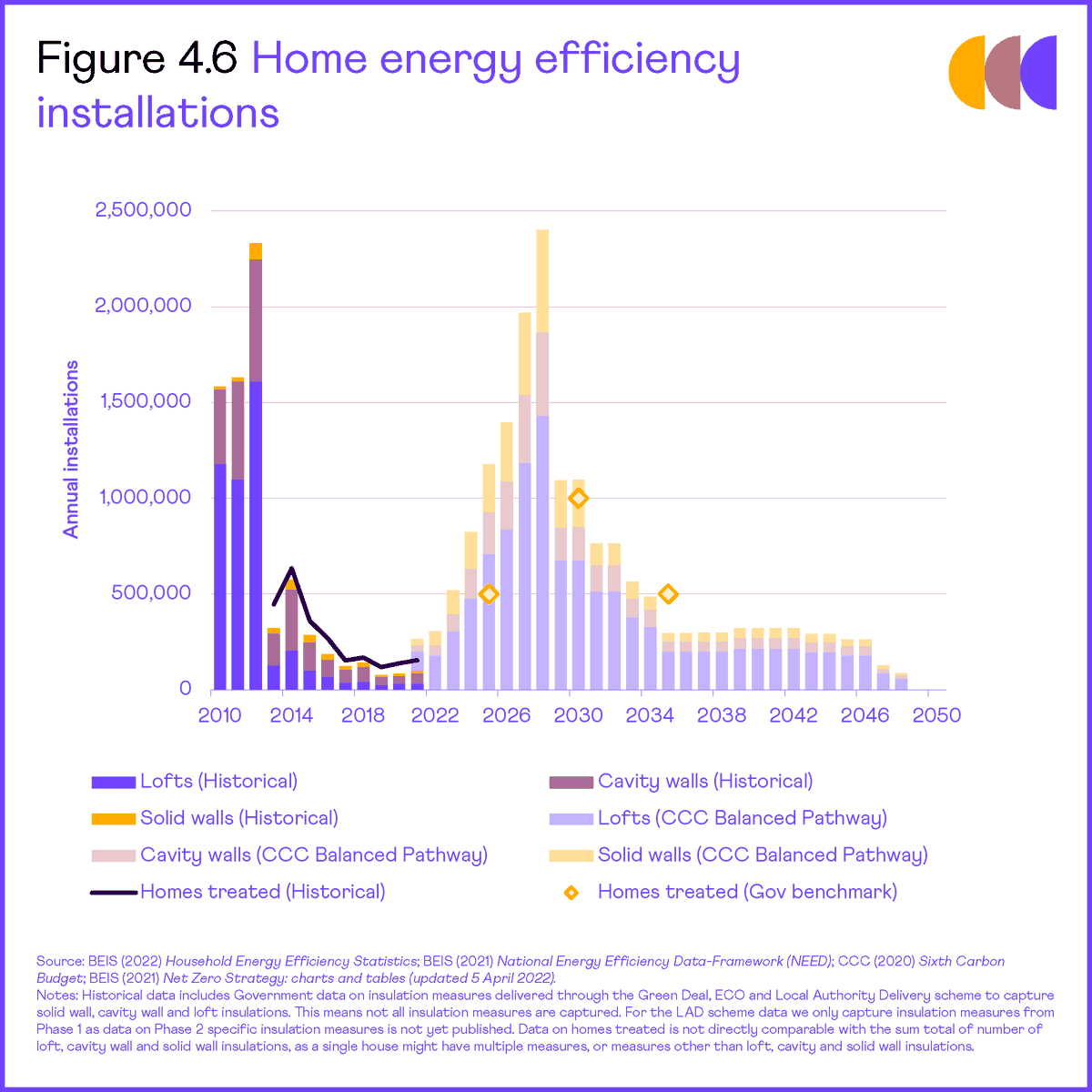
The Net Zero Strategy is commendable in its ambition, but there are still many important gaps, notably in land use and on increasing the energy efficiency of buildings. Importantly, policies are not yet fully in place to drive the delivery programme required.
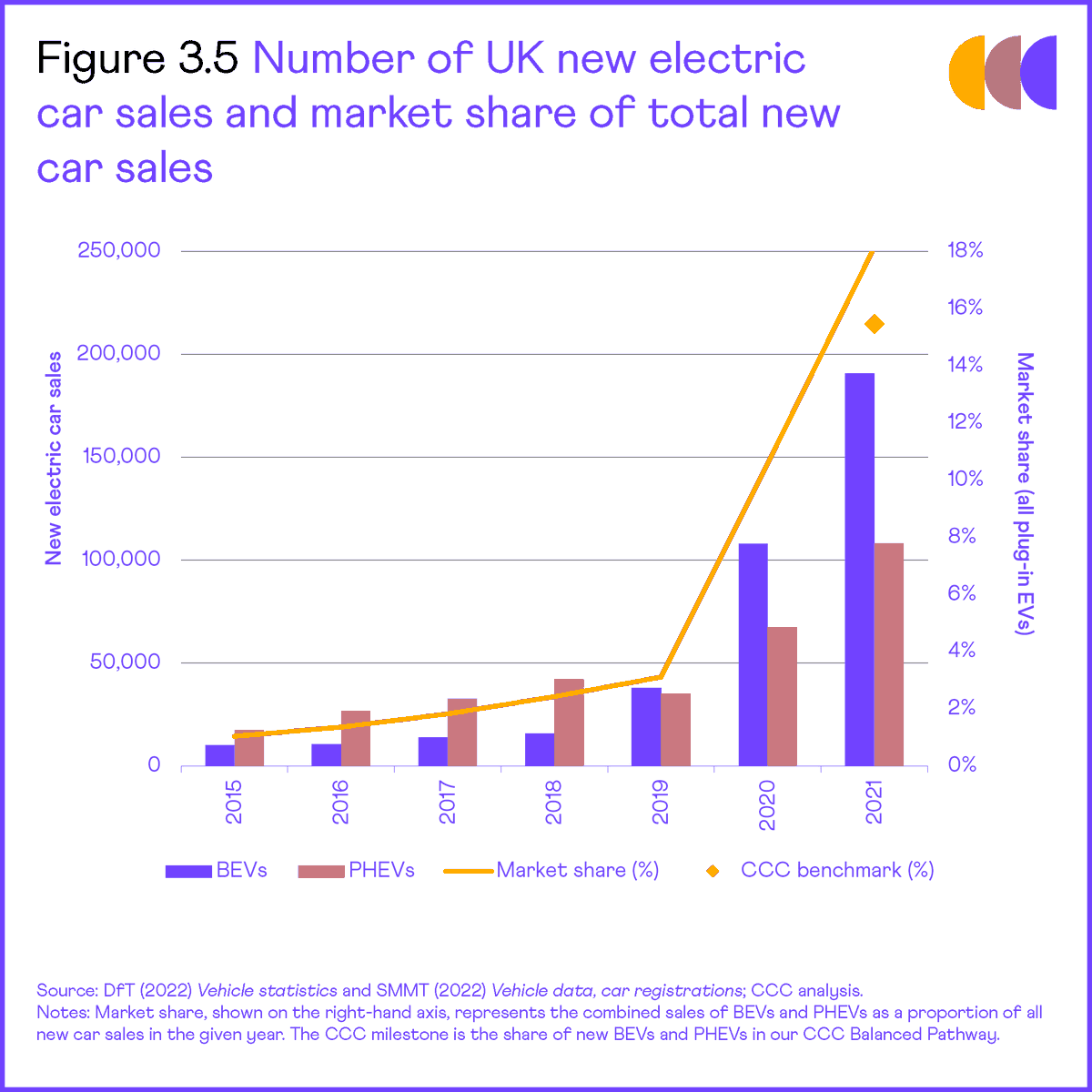
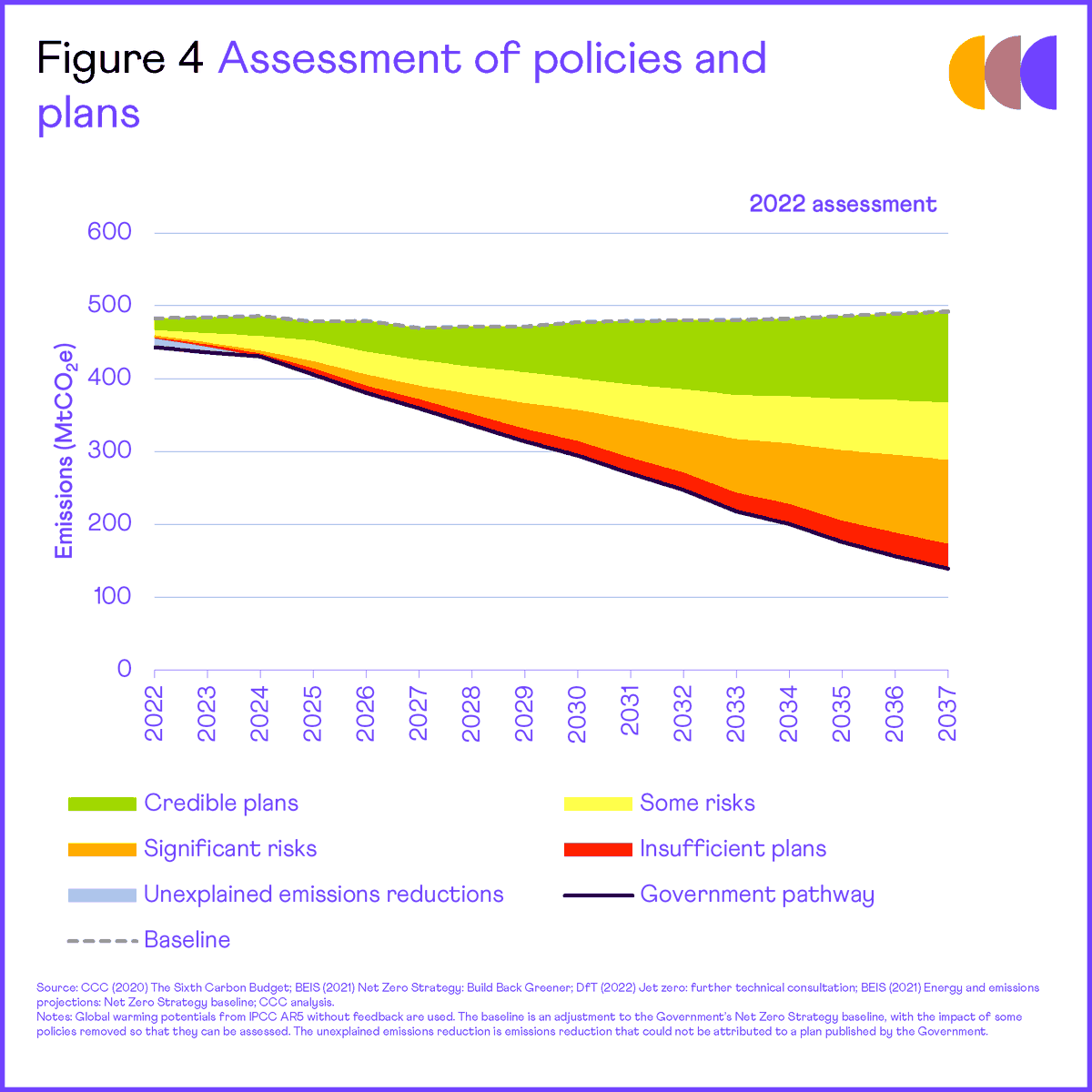
Where policies are in place, the focus must be on delivery. Despite encouraging signs in areas such as electric vehicles and renewable electricity, we are not seeing the necessary progress across a wide range of areas.
Delivery also brings risks which must be actively managed. The UK's strategy is not fully credible until the Government puts contingency plans in place. Not all policies will deliver as planned, some may be more successful, others will fall behind.
Action to tackle the rising cost of living should be aligned with #NetZero. Steps to reduce demand for fossil fuels (through improved energy efficiency, for example) have not yet been taken but can help to cut emissions and limit energy bills.
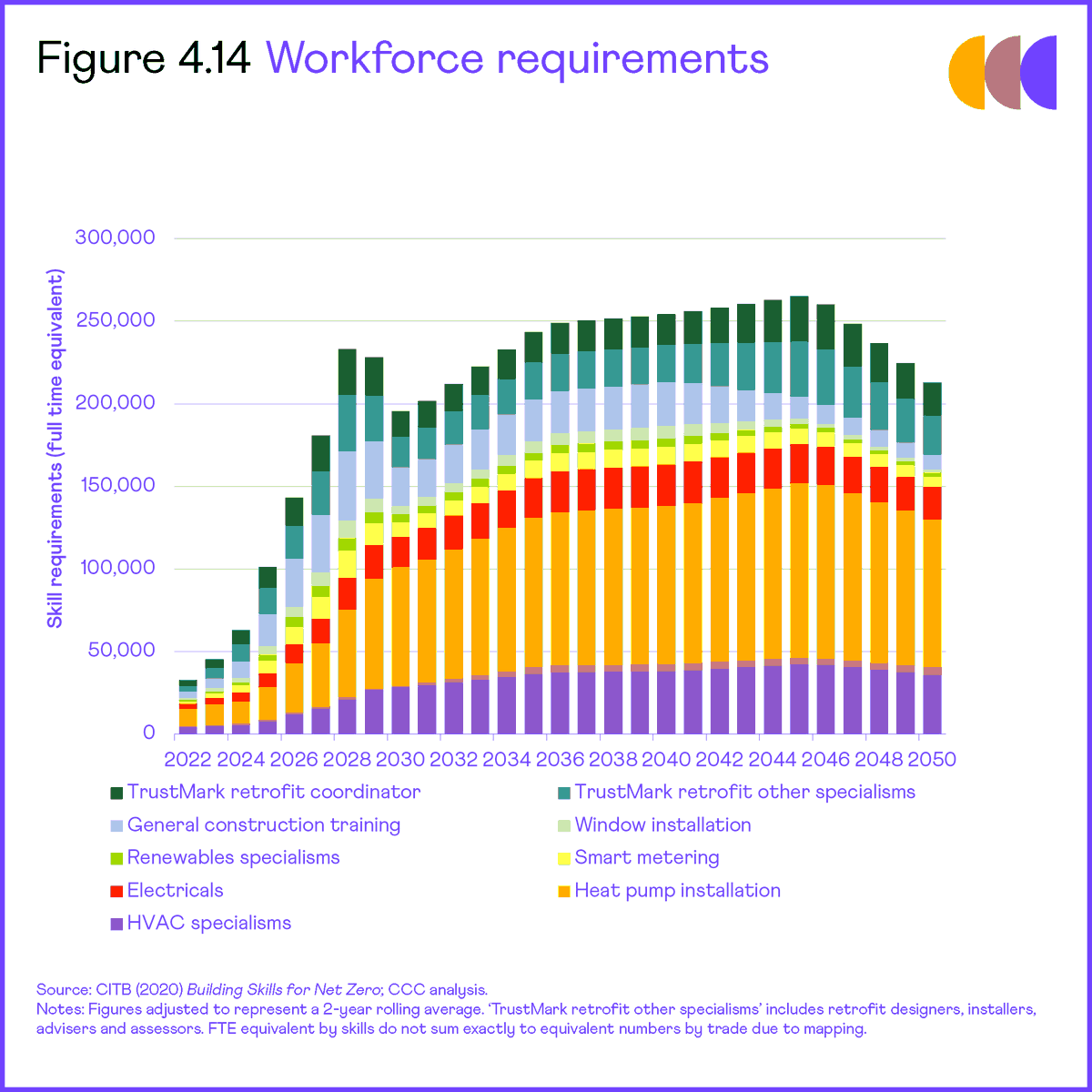
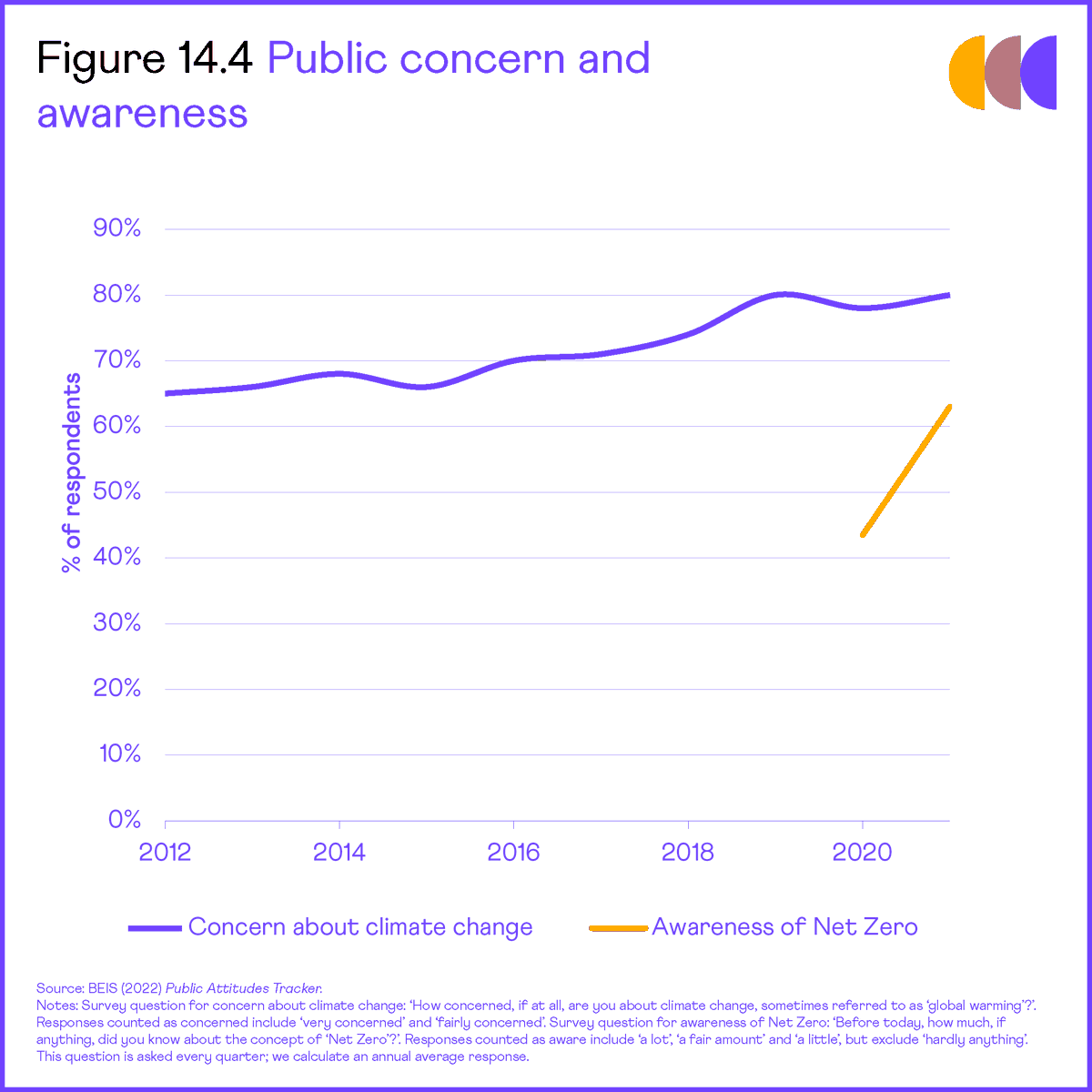
The Net Zero Strategy contained warm words on the cross-cutting enablers of the transition (e.g. public engagement, skills) but there has been little progress. A proactive approach is needed to realise and demonstrate the benefits and opportunities.
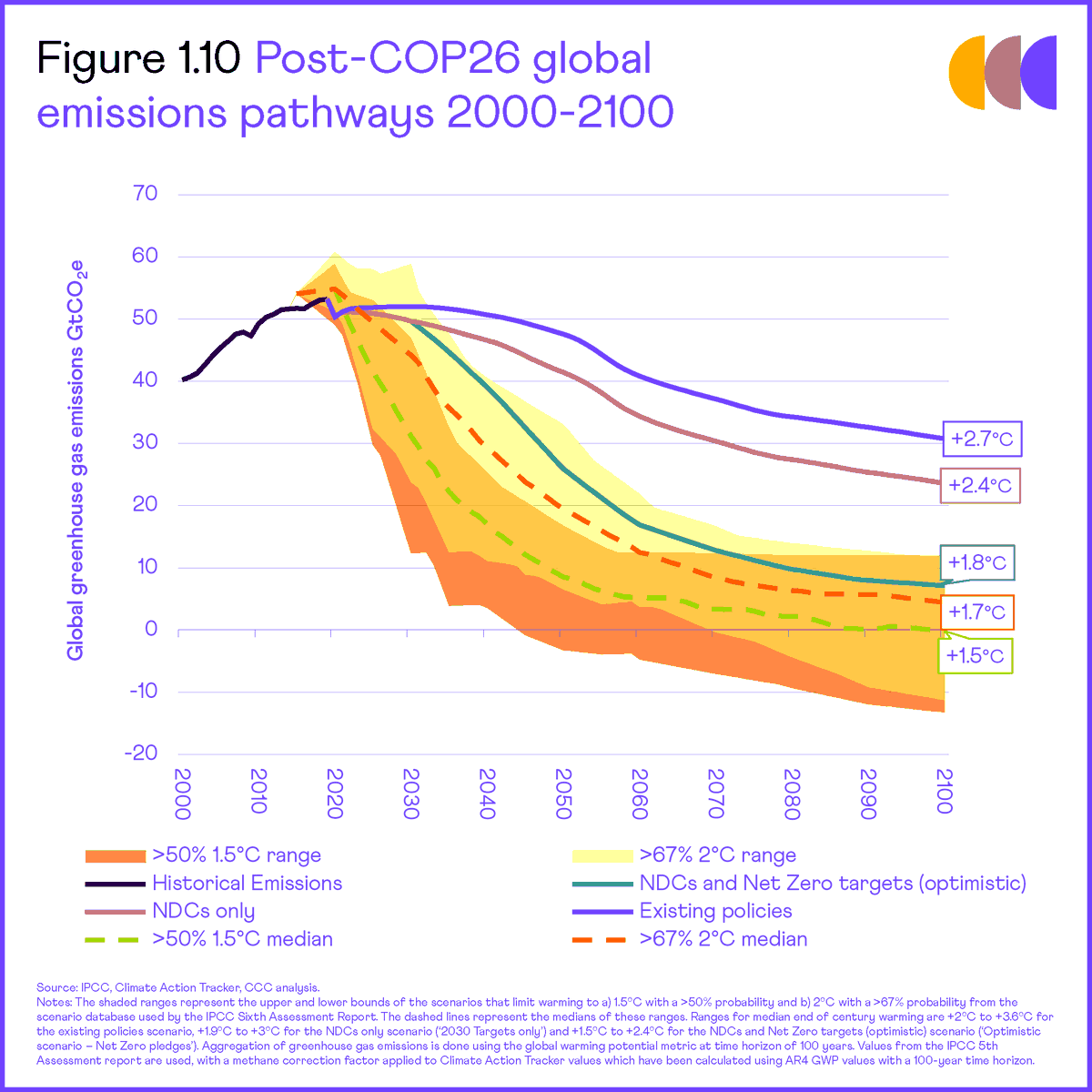
The UK hosted a successful #COP26 last year, strengthening long-term global ambition and introducing new mechanisms to support delivery. As an international climate leader, it is vital the UK maintains its progress and takes effective action at home.
The next year presents opportunities to complete the UK’s policy framework under the Net Zero Strategy and combine action on #climatechange with efforts to improve energy affordability. The UK must seize these opportunities and demonstrate global leadership.
Our new report provides a set of priority (and 300+ detailed) recommendations to support the Net Zero transition. You can find these, our new monitoring framework and newly published supporting research on our website - bit.ly/3HZcIJS
• • •
Missing some Tweet in this thread? You can try to
force a refresh

We have published our advice on the Seventh Carbon Budget. It is in line with previous Government commitments – the Fourth, Fifth and Sixth Carbon Budgets, international commitments, and the Net Zero commitment in 2050.
Electrification makes up 60% of emissions reductions by 2040. This includes decarbonising the grid and replacing fossil fuelled cars and heating systems with electric alternatives.
We’ve looked at what this means for a household. We commissioned a citizen’s panel and have thought about what this means for each one of us over the next 25 years.
Our annual Progress Report is out today. The country’s 2030 target is at risk. It’s not too late to get back on track but now the Government needs to take urgent action in the next year.
Let’s take a closer look at the analysis ->🧵
Put together, the picture of progress and plans to meet the 2030 target is not good. We consider only a third of plans to meet this target credible.
Almost half of the required emissions reductions carry significant risk or insufficient plans.
Across all sectors the pace of action needs to increase. We highlight transport, buildings and industry as key sectors which must see sustained emissions reductions. It is a story of progress that must go beyond electricity.
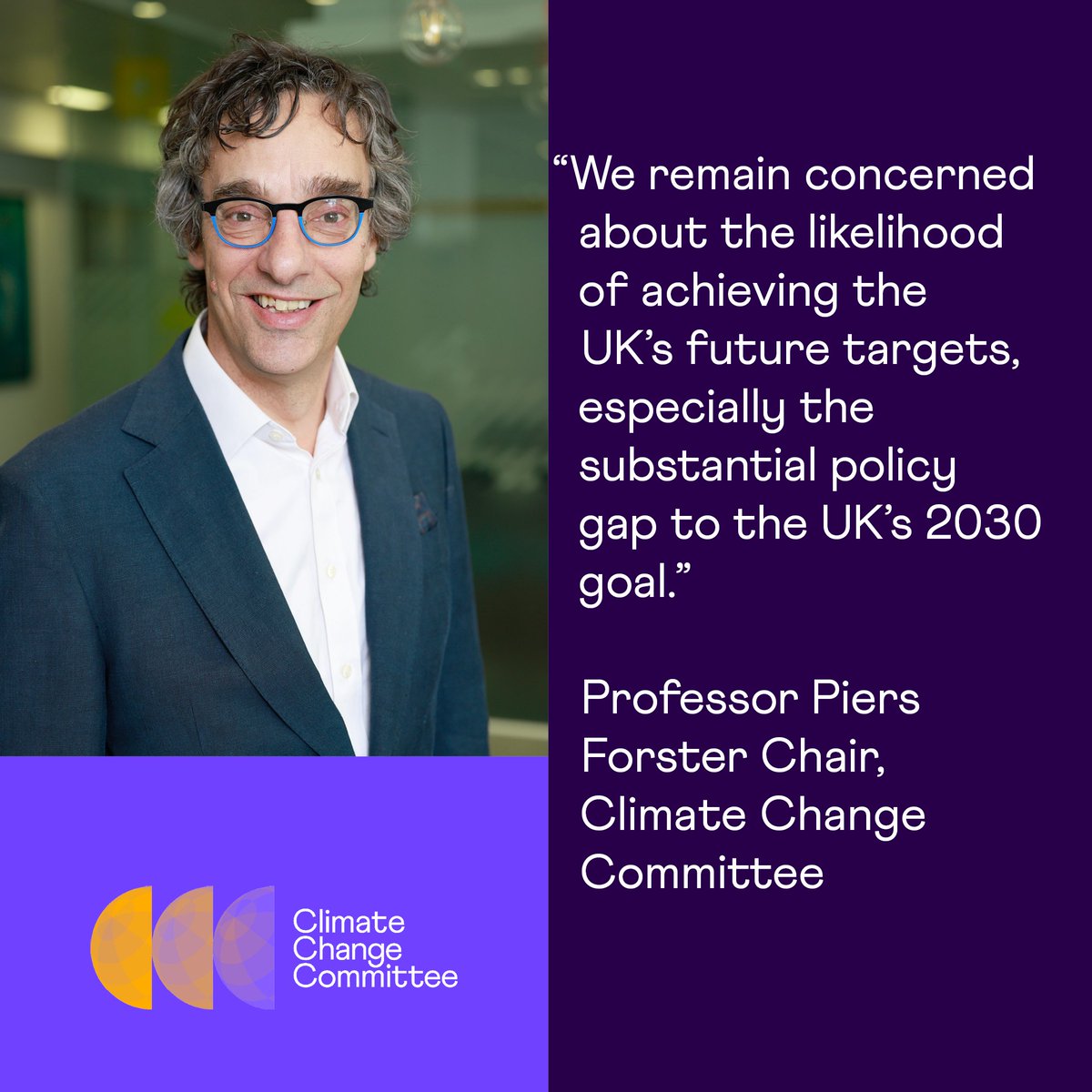
Since our last Progress Report in June, there have been important climate announcements from Government, including the PM’s speech. As promised, we have run the numbers. We remain concerned about the likelihood of achieving the UK’s future targets. (1/5)🧵 theccc.org.uk/2023/10/12/ccc…
Tangible policy progress has been made since June. We have seen an increase in the percentage of the required emissions reductions covered by credible plans. Government must look to increase this further and improve consumer confidence in clean technologies. (2/5)
Taking all recent developments into account, our assessment remains that the UK is unlikely to meet its NDC to reduce emissions by 68% by 2030, a commitment which was restated by the Prime Minister in his speech. (3/5)
The Independent Assessment of UK Climate Risk (CCRA3) considers more than 60 risks and opportunities affecting every aspect of life in the UK. We find that the overall level of risk facing the UK has increased in the last five years. #UKClimateRisk (1/10)
The climate is changing, in the UK and globally, with further warming up to 2050 now largely inevitable. Only by understanding and preparing for the coming changes can the UK prosper: protecting its people, its economy, and its natural environment. (2/10)
This latest five-yearly independent risk assessment sets out where further planning and action to adapt to climate change is most urgently needed. Several hundred experts from across the UK have contributed to the risk assessment over the past three years. (3/10)
The Sixth Carbon Budget (2033-2037) charts the decisive move to zero carbon for the UK. The CCC shows that polluting emissions must fall by almost 80% by 2035, compared to 1990 levels – a big step-up in ambition. (1/12) #UKCarbonBudget 🧵
Our recommended Sixth Carbon Budget would achieve well over half of the required emissions reduction to 2050 in the next 15 years, but decisive action must start today. (2/12) #UKCarbonBudget
The recommended Sixth Carbon Budget and UK NDC also reflect the goals and requirements of the Paris Agreement, recognising the UK’s responsibility as a richer developed nation and its respective capabilities. (3/12) #UKCarbonBudget
#Thread - Agriculture and forestry may be small sectors of the UK economy but they have an important role in delivering the UK’s Net Zero target. #NetZero will not be met without changes in how we use our land. (1/11)
The CCC’s previous work has shown it is possible to reduce land-based emissions of greenhouse gases while contributing to other strategic priorities for land such as climate change adaptation, food production and biodiversity. (2/11)
There is an urgent need for a new approach to land use UK-wide and the legislative opportunities for real change are here. Taking action now will create net benefits for the UK and ensure our land is more resilient to the changing climate. (3/11)