The components of cell movement include: Cytoskeleton; Motor proteins; Adhesion molecules with Membrane receptors (Extracellular matrix); Signaling pathways and Energy sources
Cytoskeleton - a network of protein fibers that provides structural support and facilitates movement, consisting of microfilaments for shape and movement, intermediate filaments for strength and anchoring, and microtubules for structure, cell division, transport, and… twitter.com/i/web/status/1… 

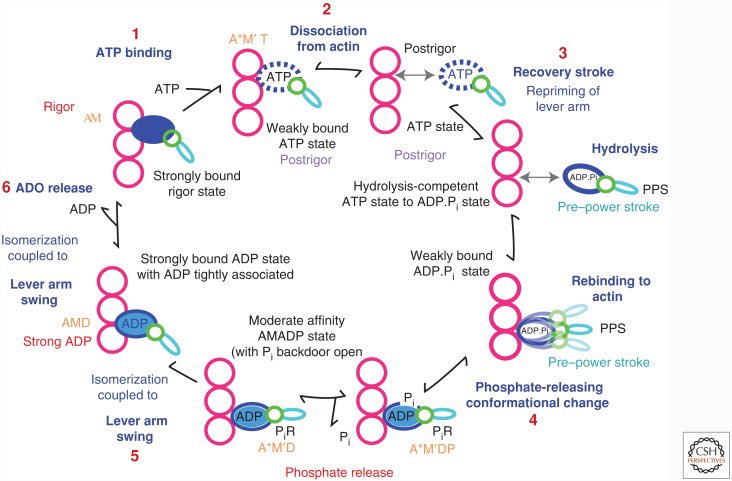
Motor proteins use energy to move along the cytoskeleton and include myosin for actin filaments, kinesin for microtubules (organelle/vesicle transport), and dynein for the opposite direction of kinesin (organelle transport, cilia/flagella movement). They are crucial for cellular… twitter.com/i/web/status/1…


Adhesion molecules are proteins on the cell surface that allow cells to stick to one another and to other surfaces. Examples of adhesion molecules include integrins, cadherins, selectins, and immunoglobulin superfamily proteins. Adhesion molecules play important roles in cell… twitter.com/i/web/status/1…
Membrane receptors are proteins on the cell membrane that receive signals from outside and transmit them inside. Examples include GPCRs, RTKs, ion channels, nuclear hormone receptors, and cytokine receptors. They play crucial roles in cell signaling, growth, differentiation, and… twitter.com/i/web/status/1…
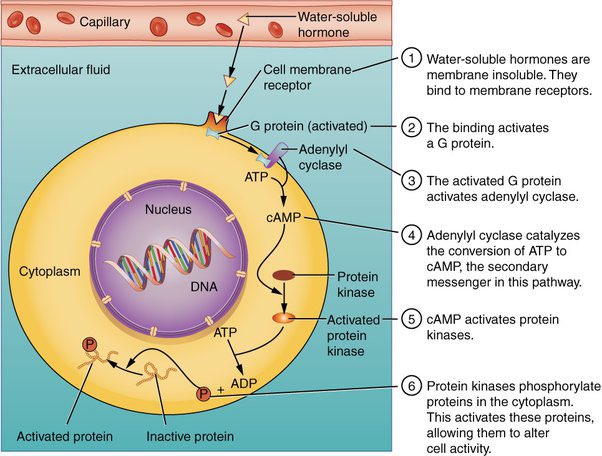
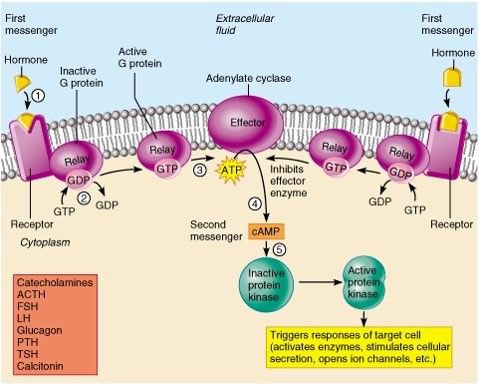

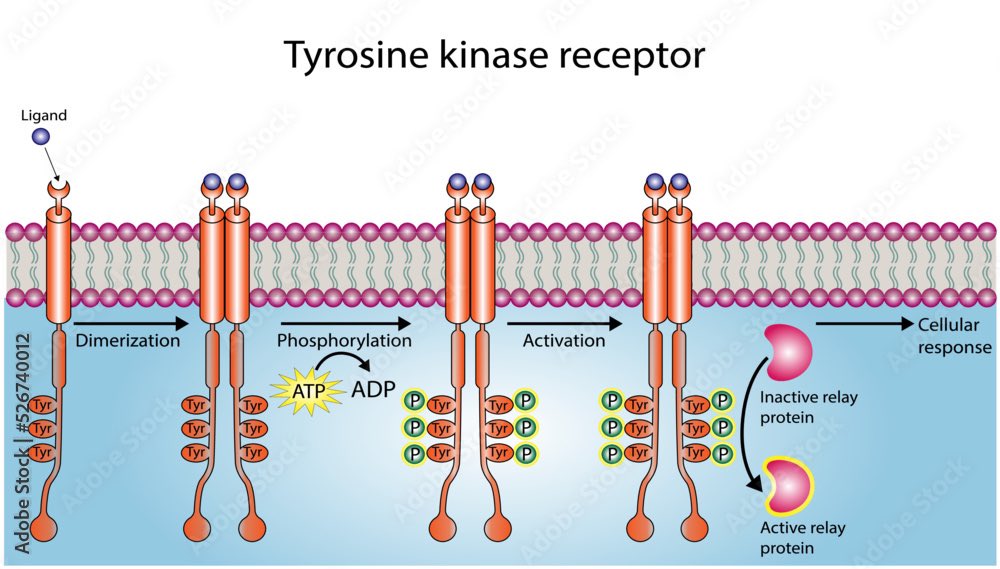
Signaling pathways are complex networks that regulate cell migration and motility. That includes the Rho GTPase and integrin signaling pathways, which regulate the assembly and disassembly of the actin cytoskeleton and adhesion to the extracellular matrix, respectively. Other… twitter.com/i/web/status/1…
Cell movement requires energy primarily derived from ATP, the cell's primary energy currency. Glucose, fatty acids, oxygen, and calcium ions can also contribute to powering cell movement. ATP is used to power molecular motors involved in cytoskeletal organization and movement.… twitter.com/i/web/status/1…
Huge thanks and Credit: @SmartBiology3D
https://twitter.com/SmartBiology3D/status/1163125435548540928
• • •
Missing some Tweet in this thread? You can try to
force a refresh