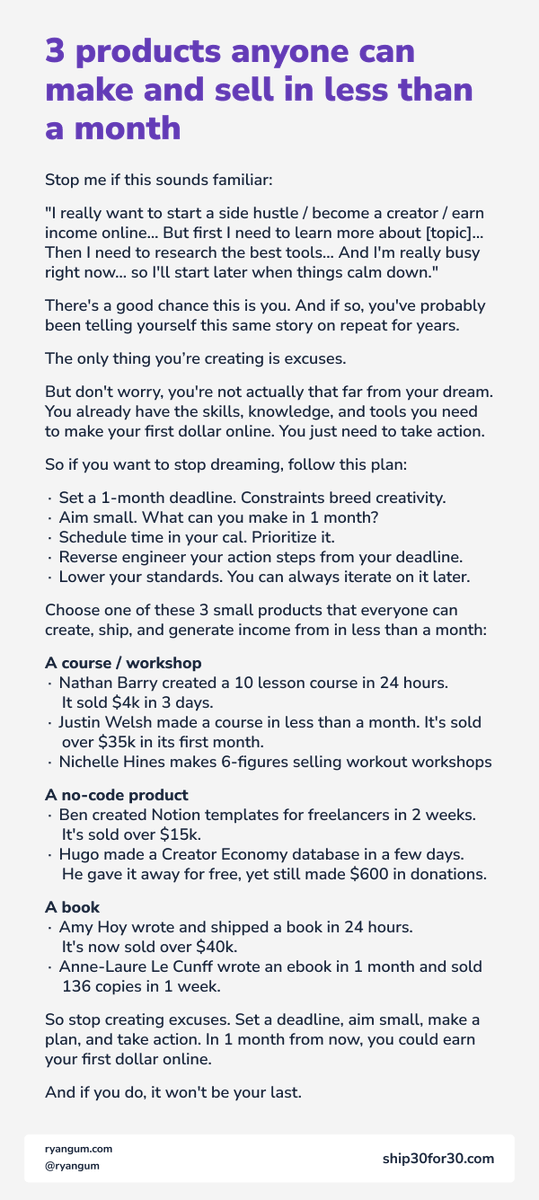
5 MVPs of now BILLION dollar companies:
Dropbox, Zappos, Airbnb, Groupon, and Twitter 🧵👇
Dropbox, Zappos, Airbnb, Groupon, and Twitter 🧵👇
The Dropbox MVP was a video that showed how the product WOULD work (they hadn't built it yet). Drew Houston posted it to Hacker News (yes, comments were skeptical) and captured 70k+ emails overnight.
Today's market cap: $9.80B
news.ycombinator.com/item?id=8863
Today's market cap: $9.80B
news.ycombinator.com/item?id=8863
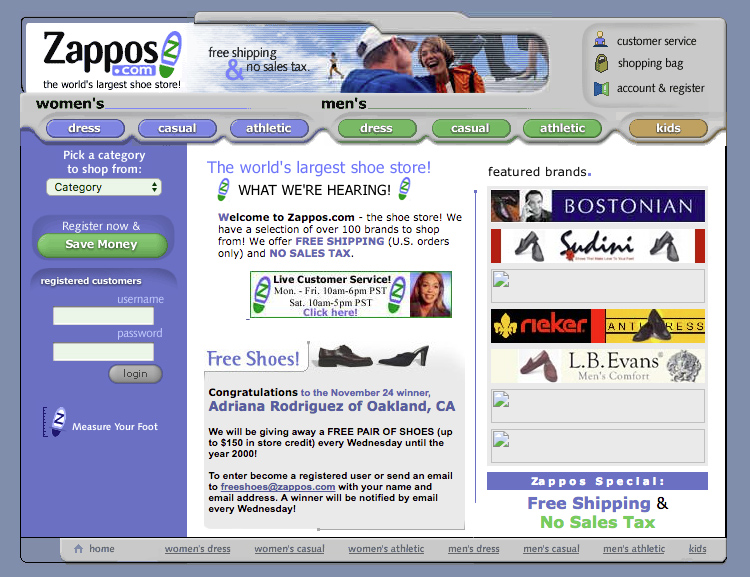
The Zappos MVP was a fake e-commerce store. Nick Swinmurn took photos of shoes from his local mall and uploaded them to a website. When a customer purchased, he went back to the store, bought the shoes, and sent them to the customer.
Acquired by Amazon for $1.2B.
Acquired by Amazon for $1.2B.
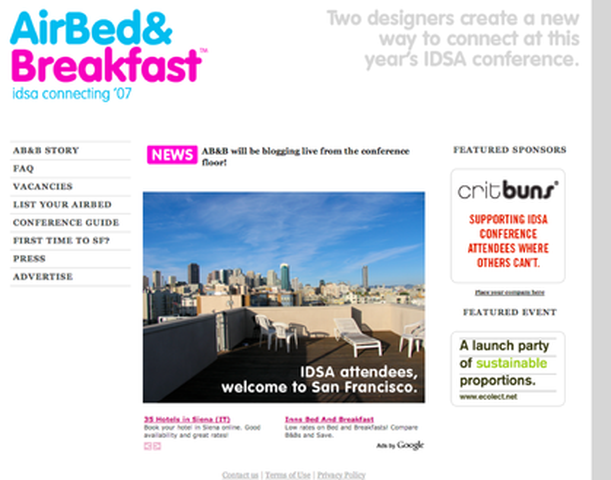
The Airbnb (AirBed&Breakfast) MVP was a site offering air mattresses in the founder's apartment for $80 / night. There was no option to select dates, locations, or prices. They targeted one single sold-out conference when hotel rooms were full.
Today's market cap: $130.35B
Today's market cap: $130.35B
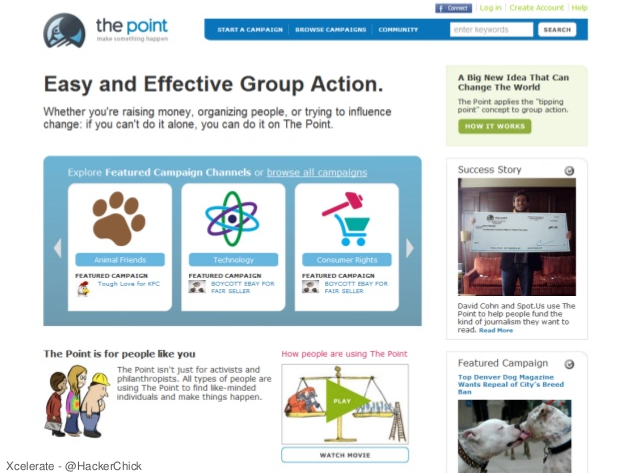
The Groupon MVP was built & launched in a month. It was a simple WordPress site with 1 daily deal post, and PDF vouchers manually emailed when a deal closed. This was after they spent a year working on a similar product that was struggling, The Point.
Today's market cap: $1.08B
Today's market cap: $1.08B
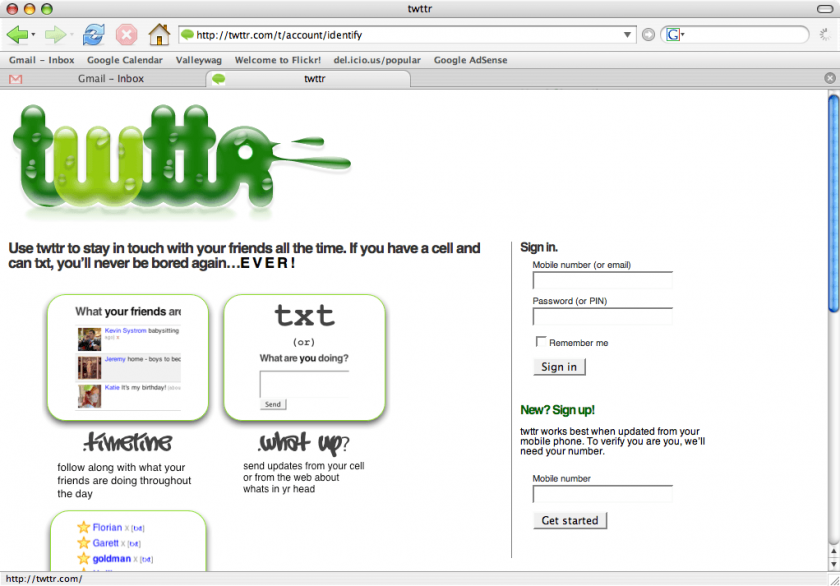
The Twitter (Twttr) MVP built for internal users at Odeo as a way to send messages to other employees and view them on a group level.
Today's market cap: $54.53B
Today's market cap: $54.53B
3 takeaways:
1. Code is just a tool. You don't need as much tech as you think.
2. Validate. The market will tell you if something is worth pursuing.
3. Start small. Every huge business had humble beginnings.
How? Here are 3 small product ideas:
1. Code is just a tool. You don't need as much tech as you think.
2. Validate. The market will tell you if something is worth pursuing.
3. Start small. Every huge business had humble beginnings.
How? Here are 3 small product ideas:
https://twitter.com/ryangum/status/1354078755732541440
BONUS MVP:
The DoorDash (Palo Alto Delivery) MVP was a static site with a few PDF menus from local restaurants. The founders took calls on their phones, placed takeout orders at the restaurants, and drove the food to customers for a $6 delivery fee.
Today's market cap: $67.74B
The DoorDash (Palo Alto Delivery) MVP was a static site with a few PDF menus from local restaurants. The founders took calls on their phones, placed takeout orders at the restaurants, and drove the food to customers for a $6 delivery fee.
Today's market cap: $67.74B

If you enjoyed this thread and want to learn more about growing and scaling businesses, follow @ryangum and subscribe: ryangum.com
• • •
Missing some Tweet in this thread? You can try to
force a refresh