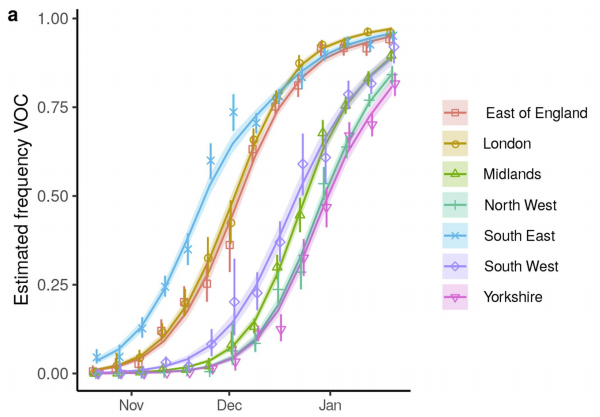
Differential growth trajectories of B.1.1.7 (UK variant) in US states.

The rate of increase in frequency of B.1.1.7 varies between different locations that also differ in case trajectories. What is driving this?

Thread
We know have clear evidence of variant B.1.1.7 being more 50-100% infectious & ~67% more deadly. It is likely playing an important role in the current surge in cases in Europe.
nature.com/articles/s4158…
doi.org/10.2807/1560-7…
B.1.1.7 has also been detected in many US states(helix.com/pages/helix-co…) & is probably present in most states now. In Jan-Feb most expected it to spread rapidly in US to become the dominant variant like it did in UK Nov-Jan, & other EU countries later (nature.com/articles/s4158…)
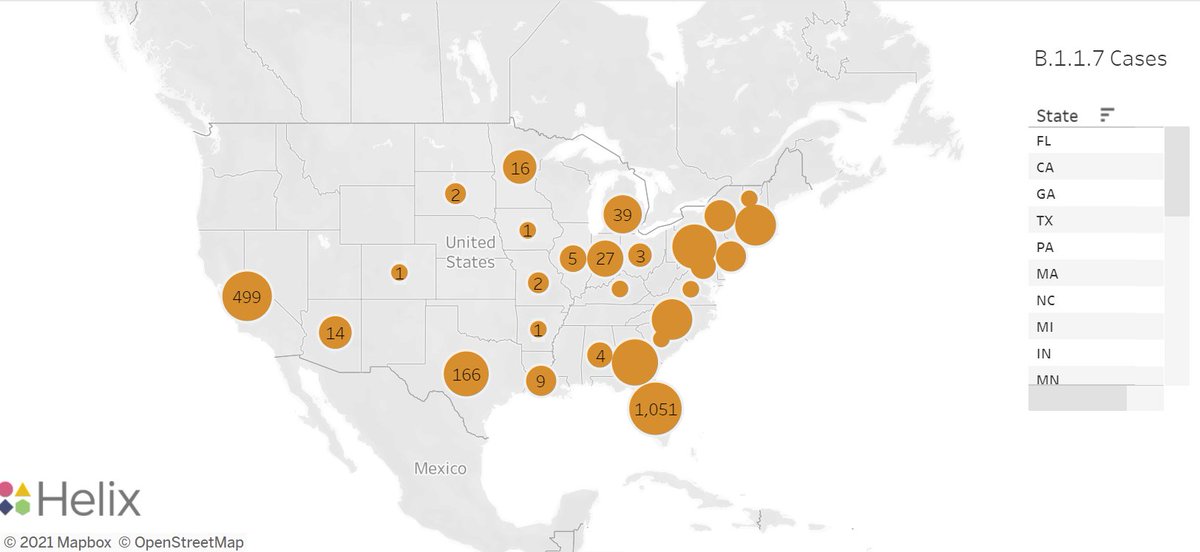
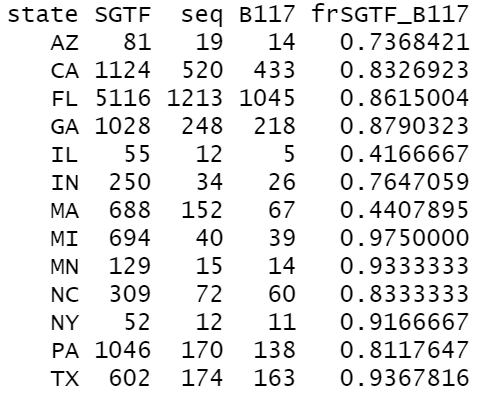
As expected, B.1.1.7 has increased in frequency in many states. 13 states w/ N>50 S-dropout mutation samples from helix.com/pages/helix-co… & in all but MA, most of these are B.1.1.7. But...
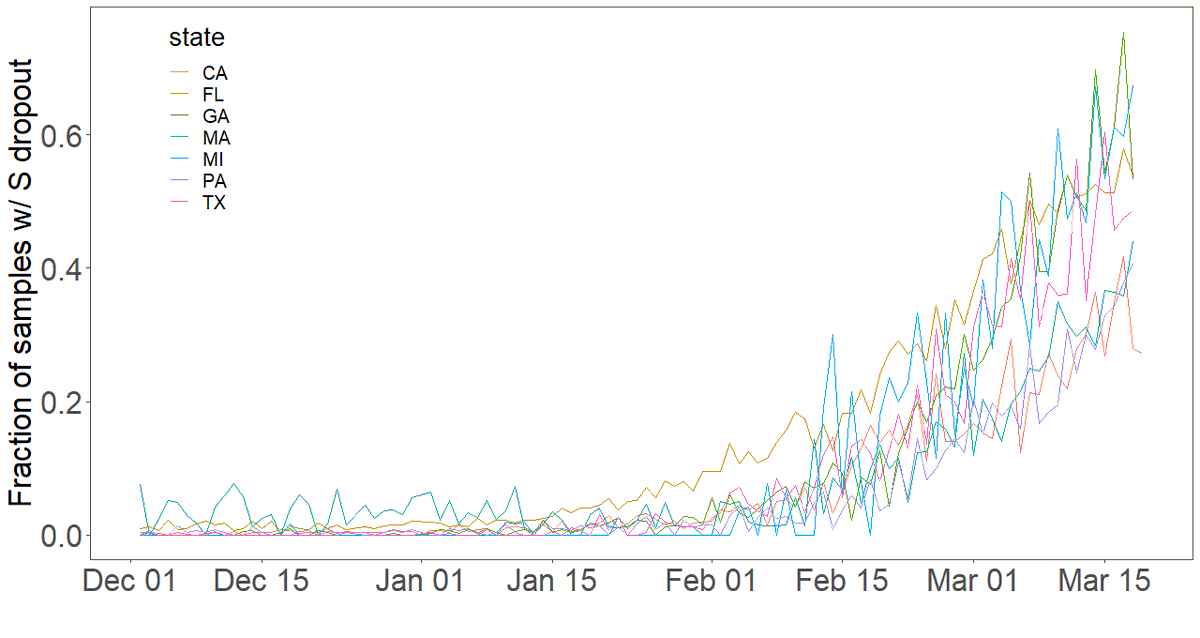
Rate of increase in frequency has differed among states. Plot of Helix data shows freq of S-dropout samples for 7 states with high freq. Some states rose early (FL), others later but caught up (GA, MI, TX). It's not just sampling variability...
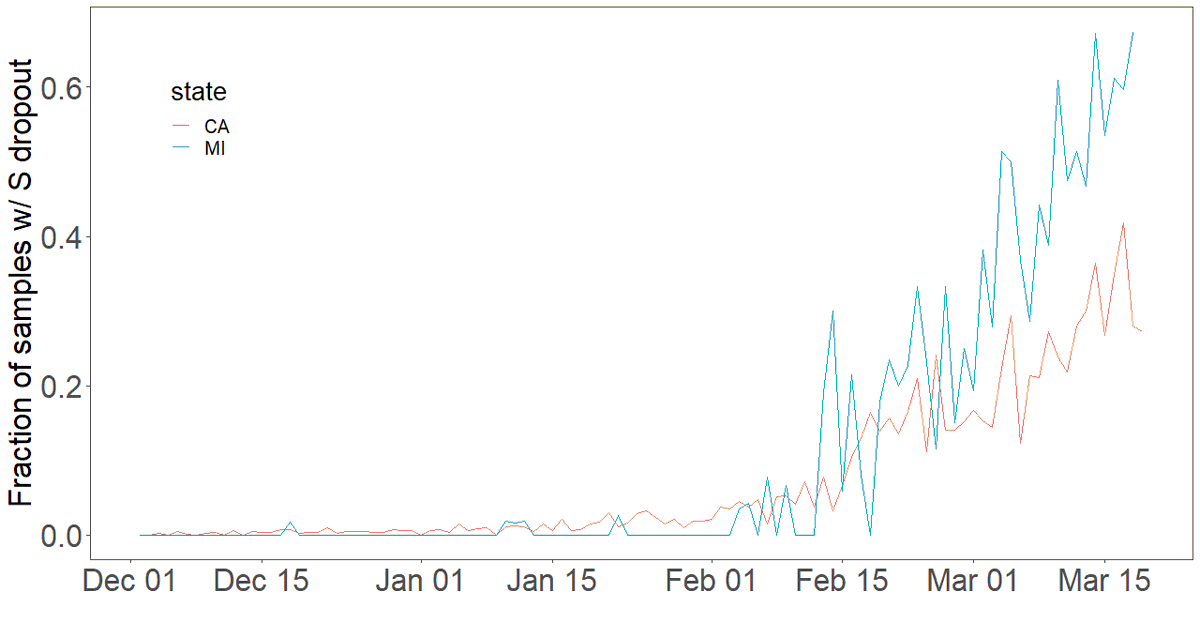
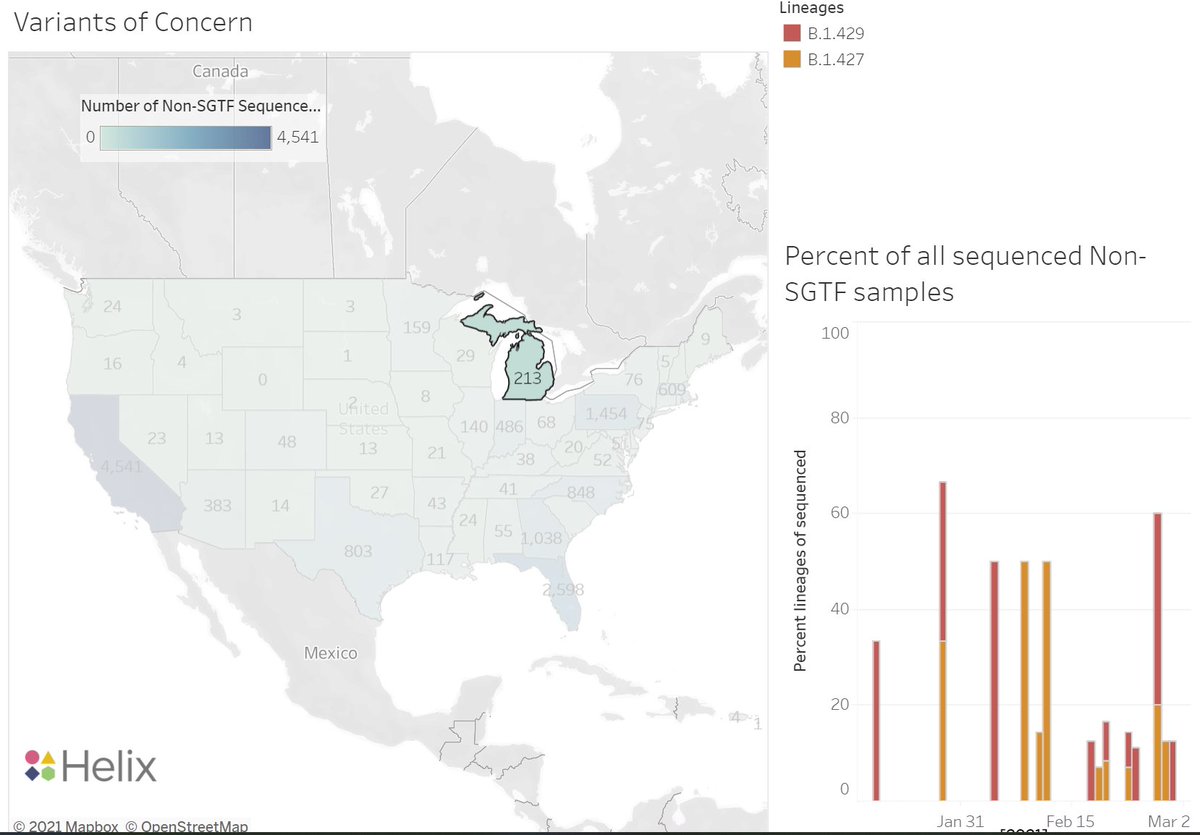
For illustration, we can compare 2 states, MI&CA. Frequencies similar in Feb (when 90%,97% of S dropout were B.1.1.7 in CA,MI), but in Mar MI clearly increases faster. Simple analysis (log reg) indicates rate of increase ~50% higher for MI, despite starting a tiny bit lower.
Possibly reasons for differential growth among "states":
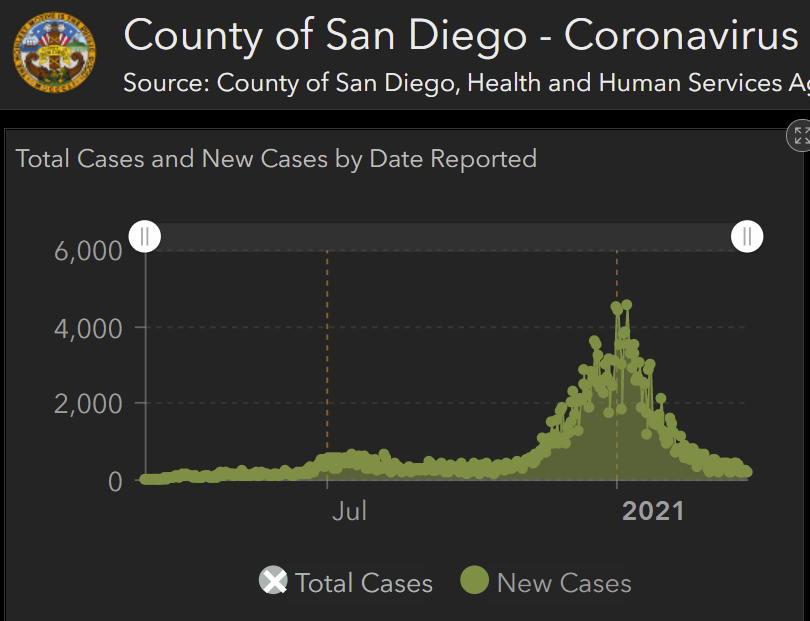
-Helix data aren't random sample of state's cases. In some states they come from small area (e.g. CA are mostly San Diego). Shift in locations of samples over time could skew rate of increase.
-Differential advantage of B.1.1.7 vs local variants. CA has B.1.427, B.1.429 which had a 29% higher household attack rate doi.org/10.1101/2021.0…. If B.1.1.7 Rt is 54-89% higher than D614G nature.com/articles/s4158…, then advantage over B.1.427/9 would be 19-47%
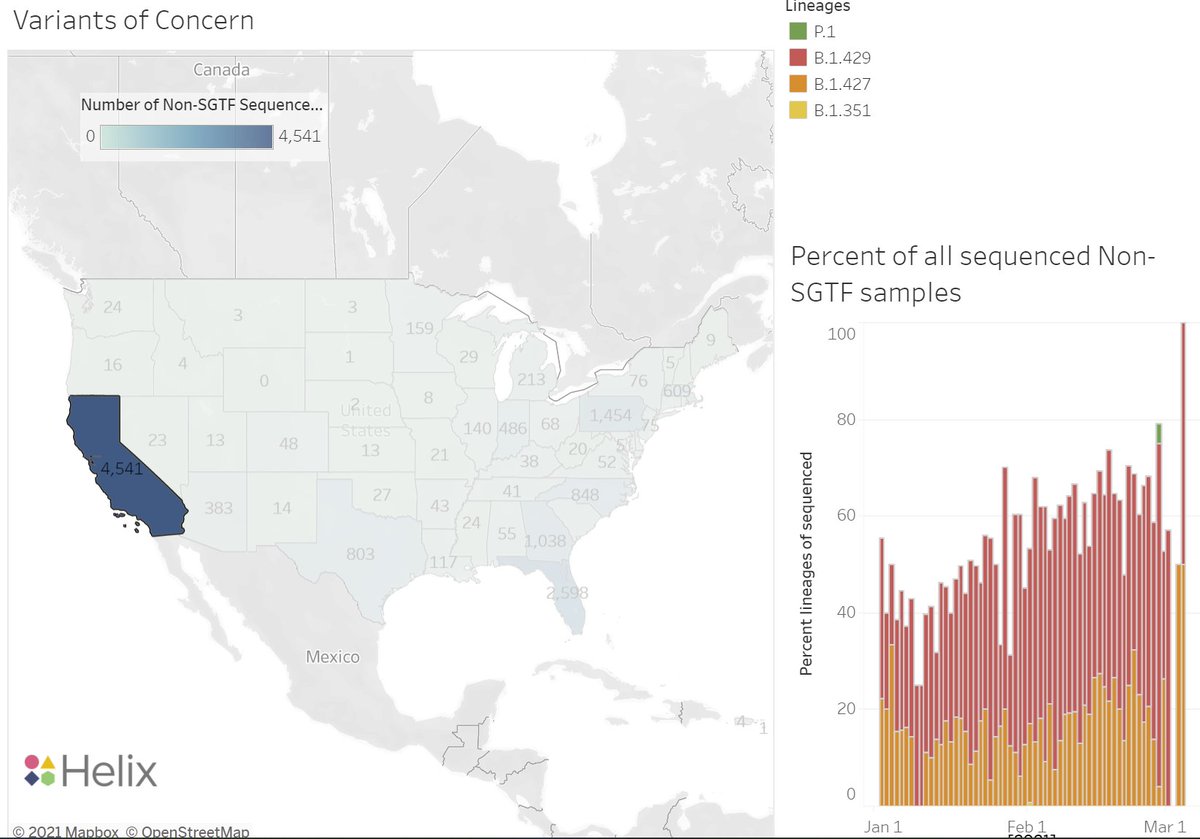
It appears B.1.427/9 are lower freq in MI, so possible that slower rise in B.1.1.7 freq in CA vs MI is due to competition in CA b/w B.1.1.7 & B.1.427/9, but this is speculative at this point & MI might also have more transmissible lineages than D614G.
-Another speculative possibility is recent paper @SarahDRasmussen doi.org/10.1101/2021.0… suggesting B.1.1.7 might have age-specific diffs in transmission advantage (i.e. kids transmit B.1.1.7 more than adults) & states might differ in school transmission. Highly speculative!

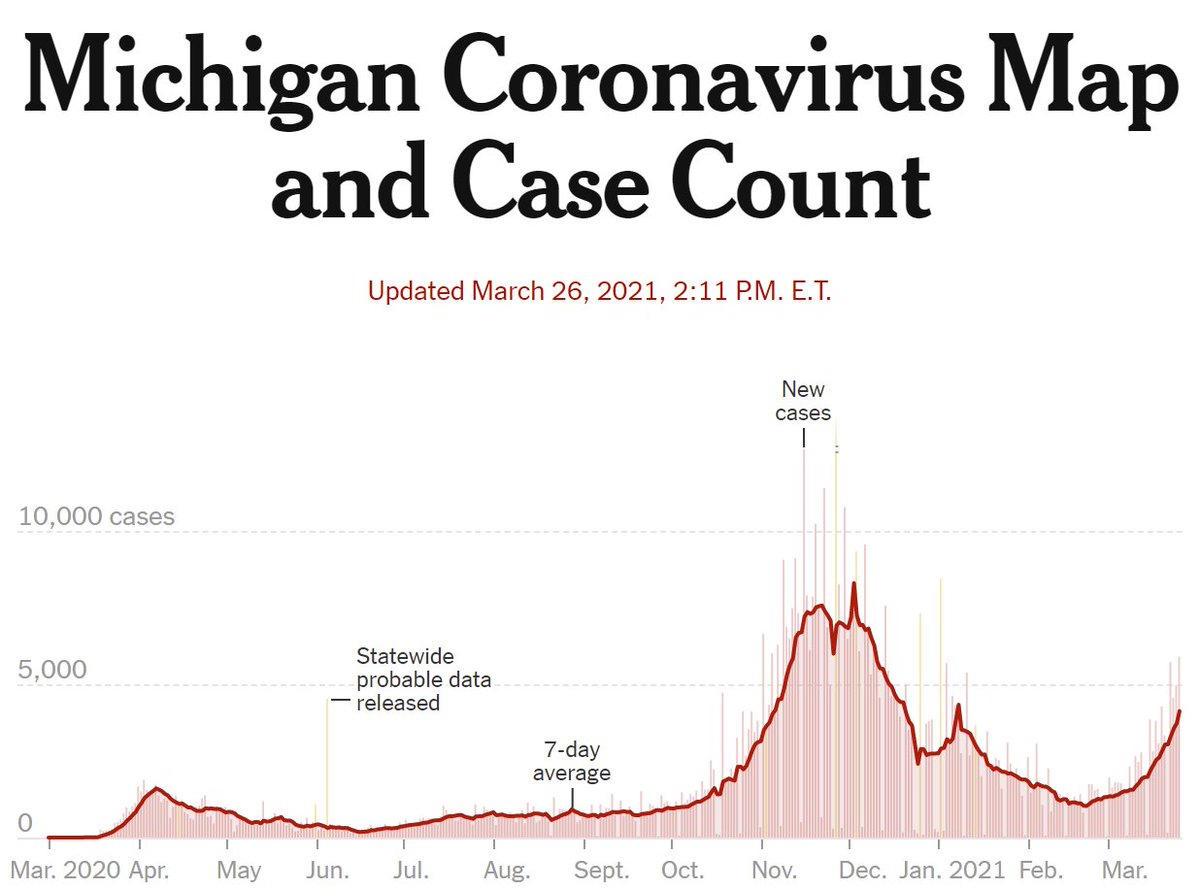
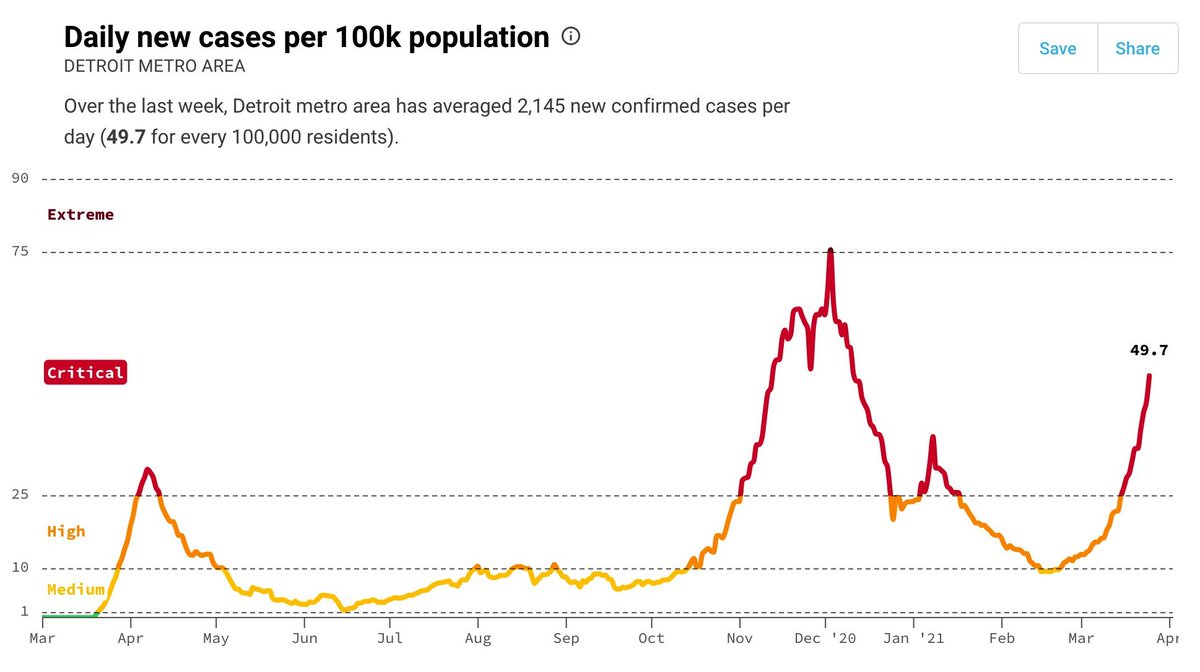
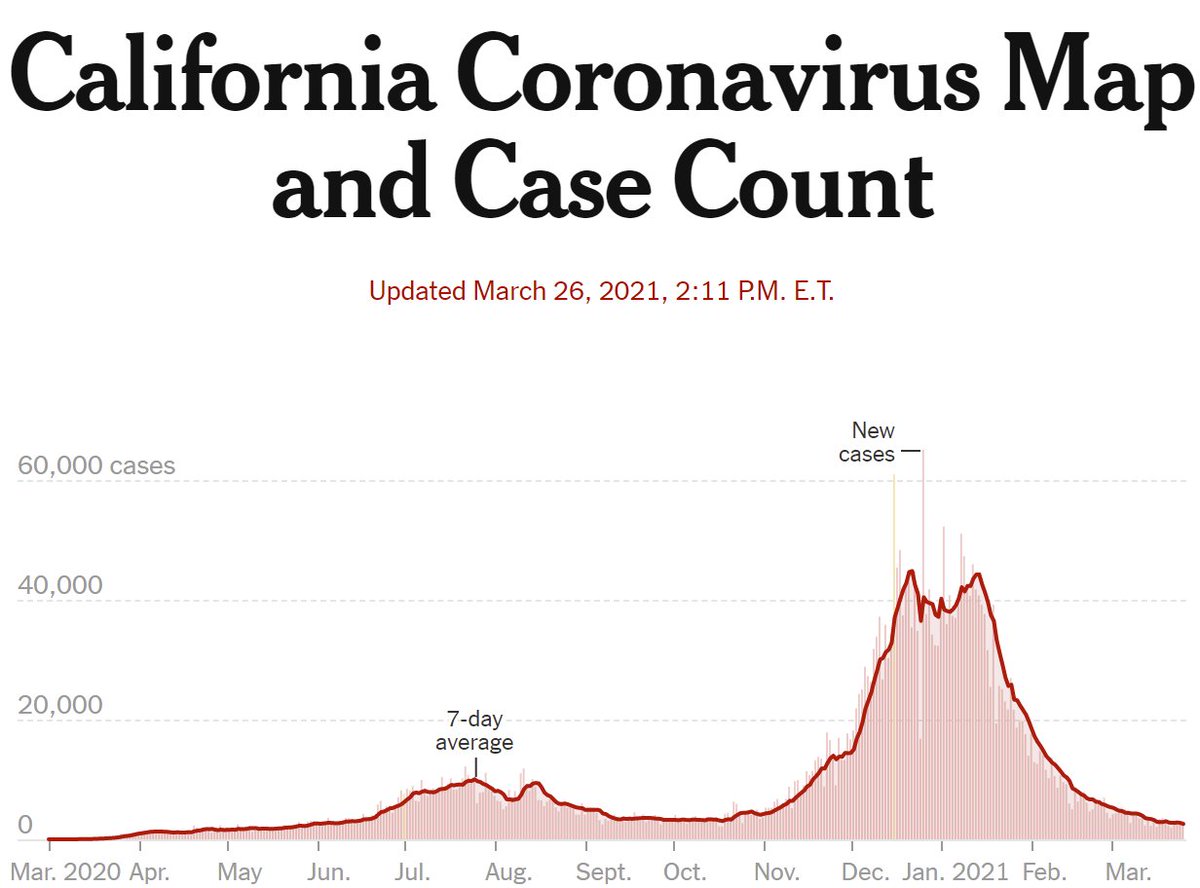
Why does the differential growth in frequency of B.1.1.7 among locations matter? b/c in much of the US cases were falling rapidly in Jan-Feb, but have started rising again in some places (rapidly in MI).
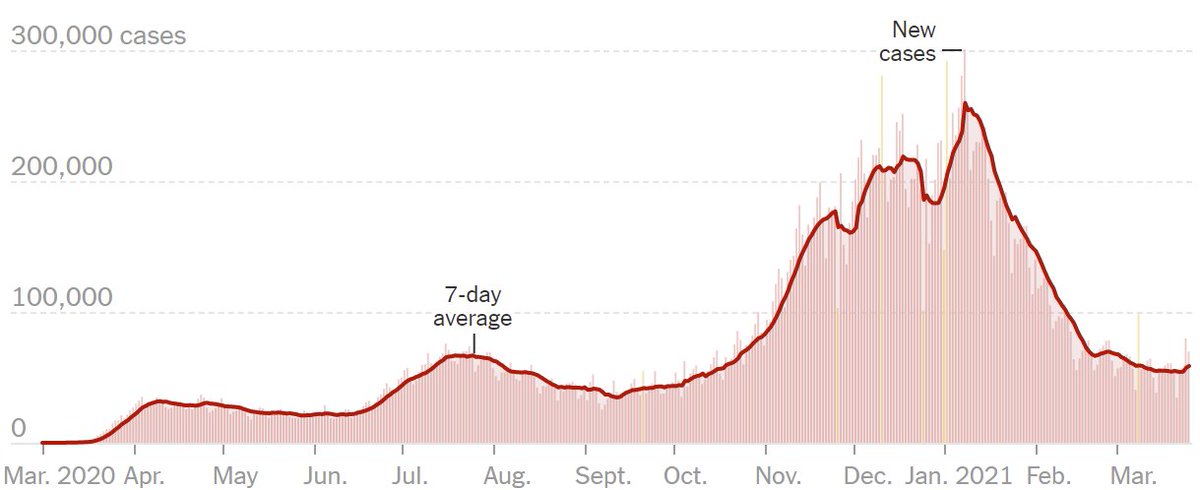
Reason for fall in Jan-Feb is likely combination of acquired immunity from surge in Nov-Dec plus subsequent restrictions. Now restrictions are being lifted and surges are occurring in some places (MI) but not others (CA).
Whether B.1.1.7 will cause new surge in cases as it rises in frequency will depend on differential advantage over local variants, current transmission rates Rt (which reflect immunity & social interactions). If Rt=0.66 w/out B.1.1.7 & advantage is <50%, Rt<1 & no surge, (cont)
assuming behavioral changes don't increase Rt. But if Rt=0.66 & B.1.1.7 advantage is 75%, then then Rt=1.16 & cases will increase 16% every 6d w/ B.1.1.7 dominant. Is this why MI is increasing & CA decreasing?
Thus, determining reason for differential growth of B.1.1.7 will inform whether additional restrictions will be needed to keep cases in check as it increases in freq or not. This is very important as people are planning for next 3 months.
A big ace up our sleeve is vaccination! If we can quickly vaccinate population before B.1.1.7 increases in frequency, we can push Rt well below 1. Vaccines are very effective against B.1.1.7 so far (i.e. w/out E484K mutation, so I hope we can pull this off!
Obvious lurking concern is whether immune escape variants (e.g. B.1.351) will spread in partly (& later more fully) vaccinated populations. I hope the answer is poorly, but no hard data to know yet.
Clarification: All plots here show the FREQUENCY of B.1.1.7, so they show changes RELATIVE to other variants. Factors that increase Rt (e.g. less restrictions, social behavior) wouldn't affect rate of frequency increase unless they affect the variants differently.

• • •

Missing some Tweet in this thread? You can try to force a refresh
 

Keep Current with A Marm Kilpatrick

A Marm Kilpatrick Profile picture

Stay in touch and get notified when new unrolls are available from this author!

Read all threads

This Thread may be Removed Anytime!

PDF

Twitter may remove this content at anytime! Save it as PDF for later use!

Try unrolling a thread yourself!

how to unroll video
  1. Follow @ThreadReaderApp to mention us!

  2. From a Twitter thread mention us with a keyword "unroll"
@threadreaderapp unroll

Practice here first or read more on our help page!

More from @DiseaseEcology

23 Mar
Is vaccination protection against severe disease higher than against mild disease? Key Q for new variants which may show lower effectiveness against mild cases.
Thread
tl;dr Data do not show higher efficacy against severe disease, but not clearly lower either. It matters.
Background
COVID-19 has reshaped our society for the last year b/c of the 10-20x higher hospitalization rate & fatality compared to the flu.
However, vaccine efficacy trials for COVID-19 have included all "symptomatic infection" which is mostly mild cases. (even for J&J)
This was done b/c mild cases occur more frequently; efficacy could be measured more quickly if mild cases were included. Some (@EricTopol) raised concerns about this design b/c they were worried that vaccines might *only* prevent mild cases & not severe.
nytimes.com/2020/09/22/opi…
Read 18 tweets
16 Mar
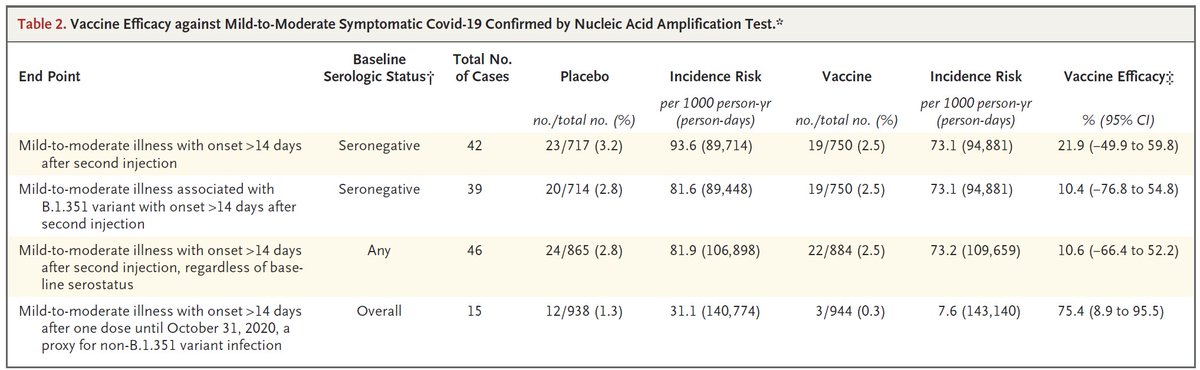
Visual picture of how invasion of B.1.351 eliminated efficacy of Astrazeneca vaccine in S Africa: placebo rises more quickly through d140 when B.1.351 emerges & difference erased (vaccine ends up higher but pop at risk at end is small).
Paper is now out: nejm.org/doi/full/10.10…
Efficacy before Oct 31 before B.1.351 dominant: 75%
Efficacy against B.1.351: 10.4%
Both have very wide CIs b/c study small (1K in each group) but contrast is stark.
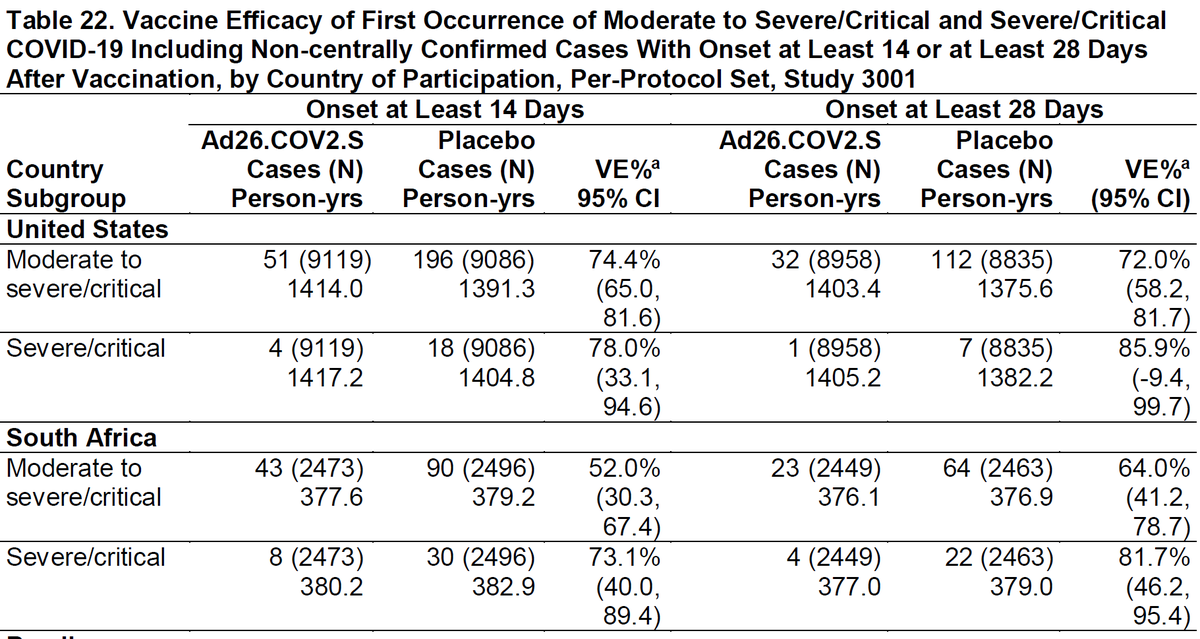
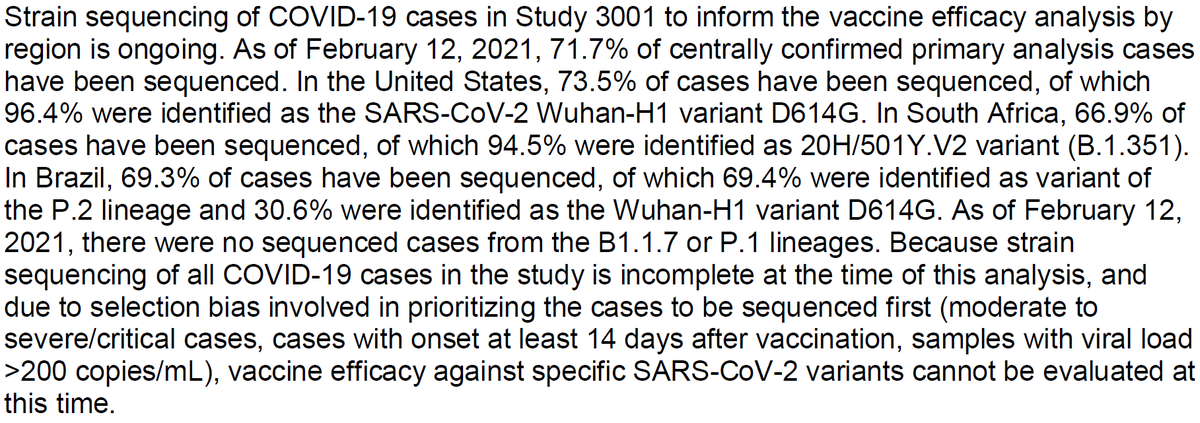
Thankfully, J&J vaccine faired much better, w/ a non-significant diff b/w US & S Africa & Brazil (w/ P.1), despite B.1.351 & P.1 being majority of viruses sequenced. (fda.gov/advisory-commi…)
Read 6 tweets
16 Mar
New paper on reinfections & protection from previous exposure. Study design is crude.
Protection was 82% against infection & 85% against symptomatic reinfection. Half (50%) of reinfections were symptomatic (similar to new infections 58%).
@florian_krammer
academic.oup.com/cid/advance-ar… Image
Current dogma is that protection from reinfections is 80-90% (like this study) but reinfections are mild or asymptomatic (). But here 50% were symptomatic & 5 of 31 symptomatic reinfections needed hospitalization (fraction for new infections not given).
Study design is crude: comparison is pairs of tests >90d apart. Little effort to control for factors that might influence detectability of infections. But no clear diffs in age, etc. of groups testing -/+ at 1st test. Hard to know how biased results might be. Image
Read 4 tweets
15 Mar
Is 6' of space required to keep kids safe in schools, or is 3' enough?
One of the most important questions for re-opening schools safely.
Thread
tl;dr New paper suggests 3' is enough, but paper is fraught with issues & is unconvincing, even though I really wanted it to be right.
Background
SARS-COV-2 transmission in children has been one of the most contentious issues of the pandemic. Schools were closed in most of the world in early 2020 b/c kids play a big role in influenza transmission & without info, same was assumed for SARS-COV-2.
A mountain of evidence now shows that cases/infections in children (especially <10yr) are often (but not always) less likely to be detected than in adults & kids transmit less often. There's many issues w/ these data, but no time for that here (need to write big review thread).
Read 27 tweets
2 Mar
CONFLICTING DATA:
-SARS-CoV-2 variants mutate & evade immune system & cause huge epidemics via re-infection (nytimes.com/2021/03/01/hea…) @nmrfaria
-T-cells play key role in disease severity & are robust to same mutations
@aetarke
@SetteLab @profshanecrotty
Background
With waves of cases subsiding & development of many vaccines for COVID-19, many hoped we'd be past the worst of the pandemic (at least those countries w/ access to vaccines).
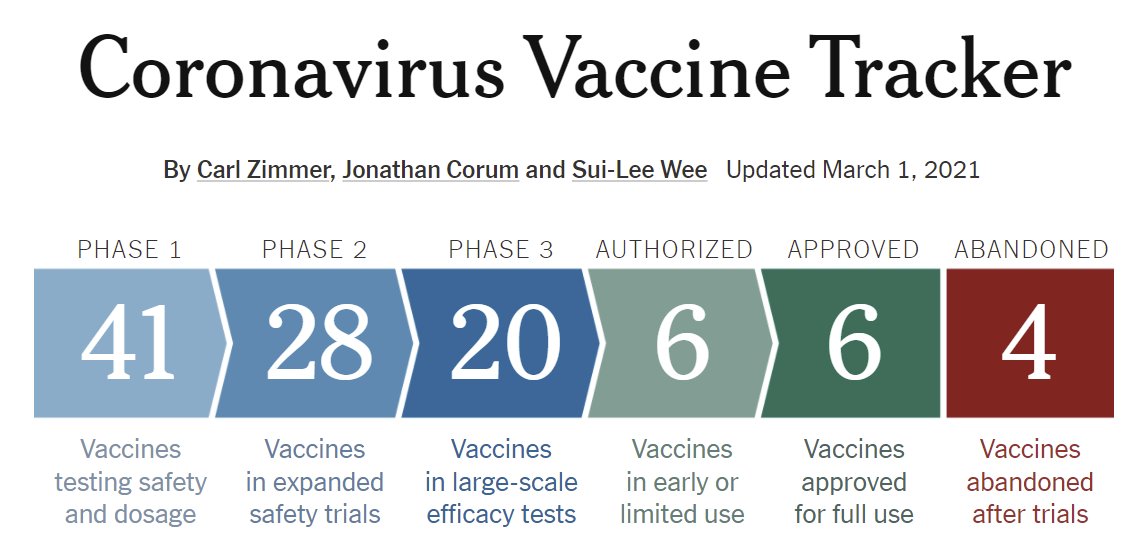
nytimes.com/interactive/20…
New SARS-CoV-2 virus variants have thrown a potential monkey wrench in that optimism.
One variant (B.1.1.7) is both more transmissible (medrxiv.org/content/10.110…) & more deadly (medrxiv.org/content/10.110…).
Read 22 tweets
26 Feb
Fantastic summary @profshanecrotty of J&J vaccine.

One important correction (I need to write a full thread about).
NONE of the vaccines are 100% protective effective against hospitalizations & death. We know this from vaccine rollout (DOI: 10.1056/NEJMoa2101765).
(cont)
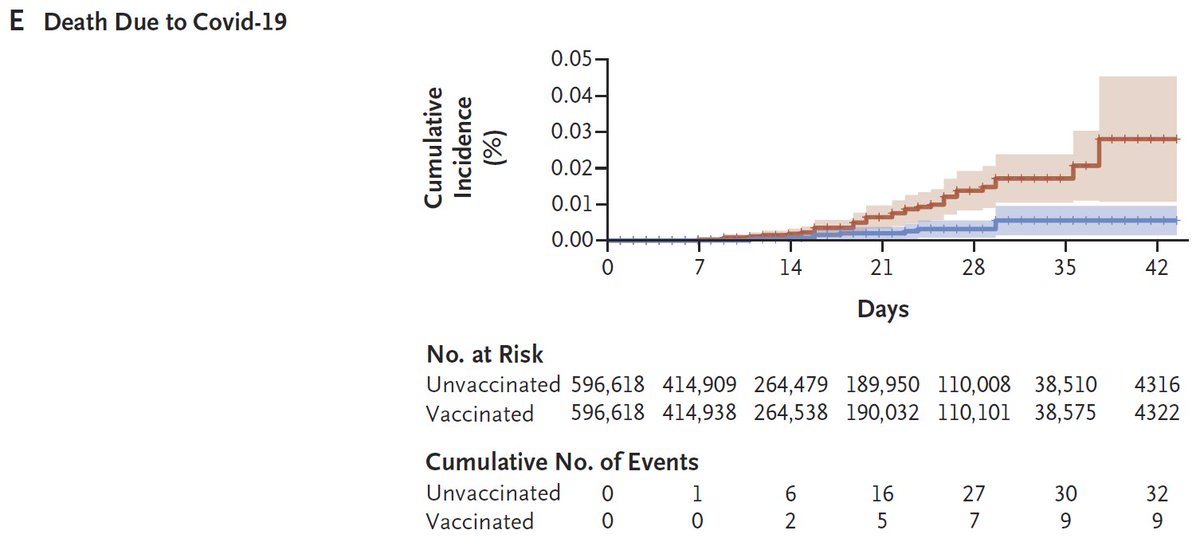
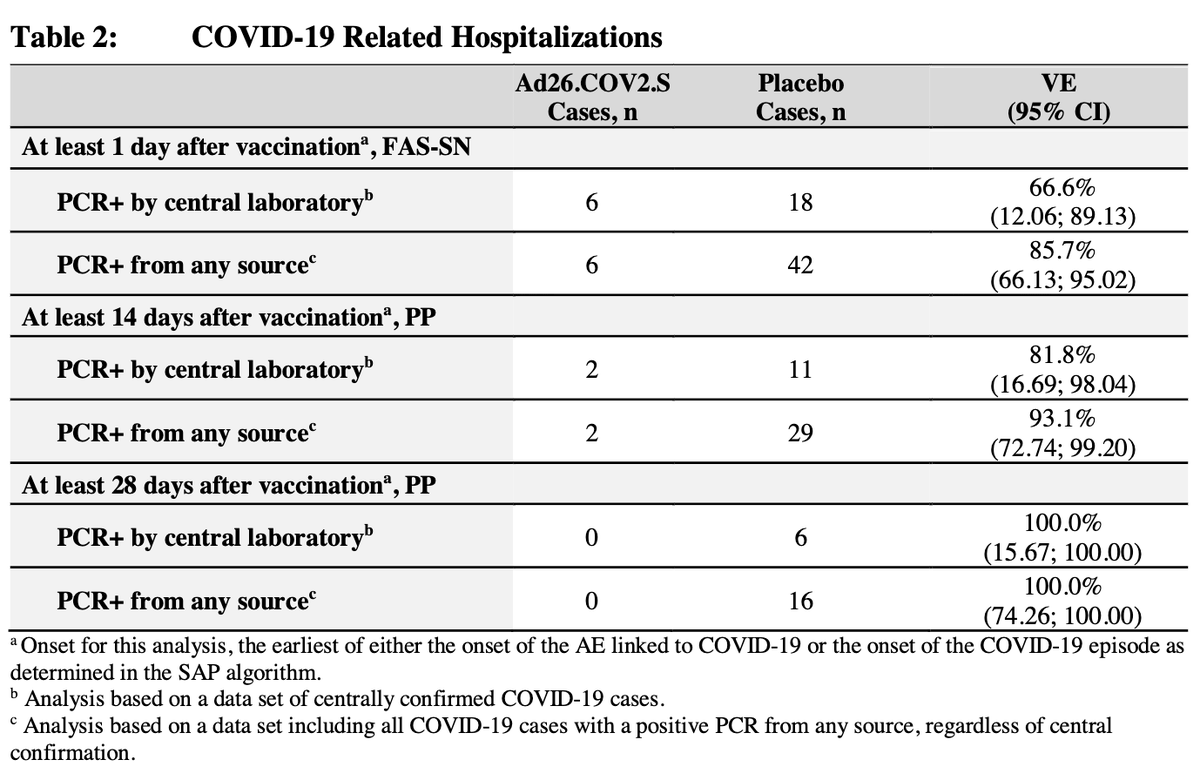
None of the trials are big enough or long enough to accurately measure efficacy against death or even hospitalizations. In huge J&J trial hospitalization was 16 vs 0 which gives a CI of 74%-100%. 16 events is simply too small to say protection is 100% & we know it's not.
We need to be careful about how we describe these vaccines b/c otherwise the public will wonder: if all vaccines have 100% protection against hospitalization & deaths, then why are some of the 50M vaccinated people getting hospitalized & dying of COVID-19?
Read 4 tweets

Did Thread Reader help you today?

Support us! We are indie developers!


This site is made by just two indie developers on a laptop doing marketing, support and development! Read more about the story.

Become a Premium Member ($3/month or $30/year) and get exclusive features!

Become Premium

Too expensive? Make a small donation by buying us coffee ($5) or help with server cost ($10)

Donate via Paypal Become our Patreon

Thank you for your support!

Follow Us on Twitter!