Why hasn't B.1.1.7 fully displaced other variants in US? What other variants are persisting/growing?
Thread
B.1.1.7 has risen to relatively high frequencies in many states, but hasn't exceeded 90% in any of them & may be falling in several.
Data here from @my_helix
GISAID sequences via fantastic outbreak.info for US as a whole suggest B.1.1.7 now stable @70%, P.1 is growing, B.1.526 frequencies are stable. But variable sequencing means finer resolution is better for understanding frequency dynamics, spatial variability & nuance.
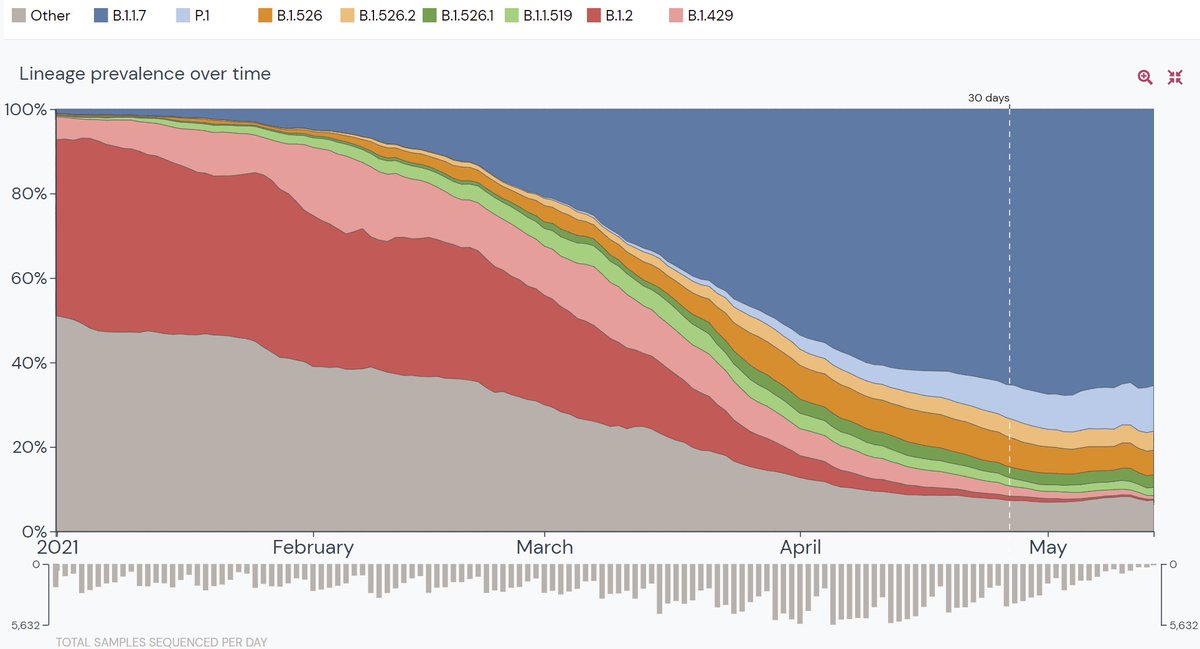
Statewide scale is still too large but better than whole US.
Here's FL. Similar pattern as whole US - P.1 growing & B.1.526 stable, leading to slight recent decrease in B.1.1.7
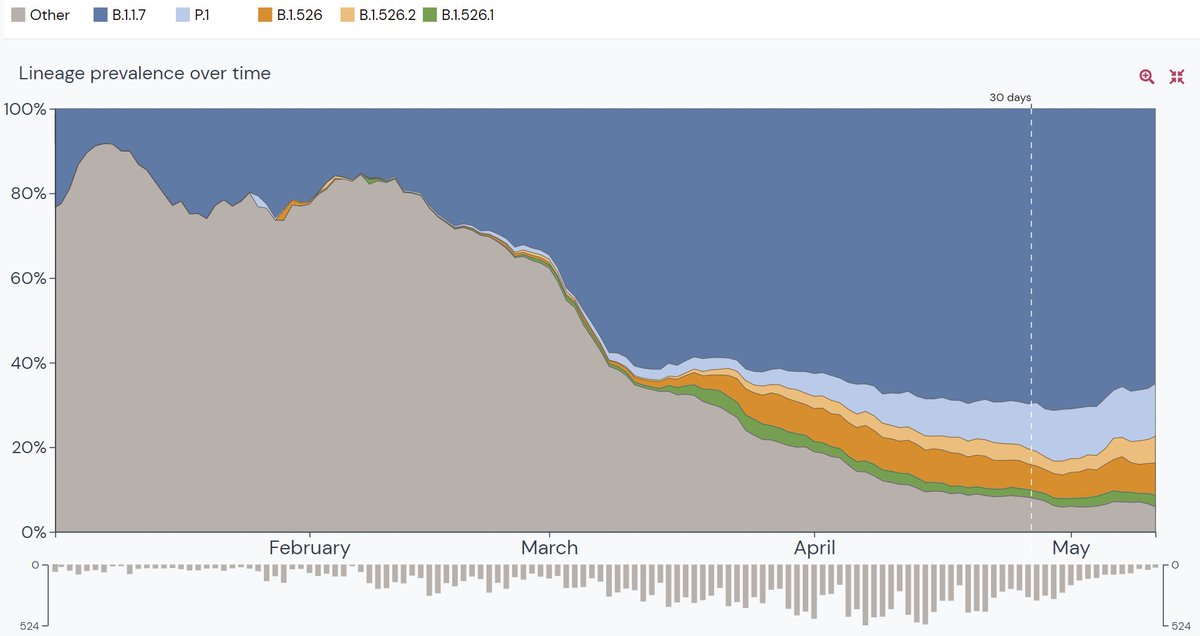
Here's MA. Similar to FL, whole US. Rising P.1, B.1.526 stable. B.1.1.7 barely rising.
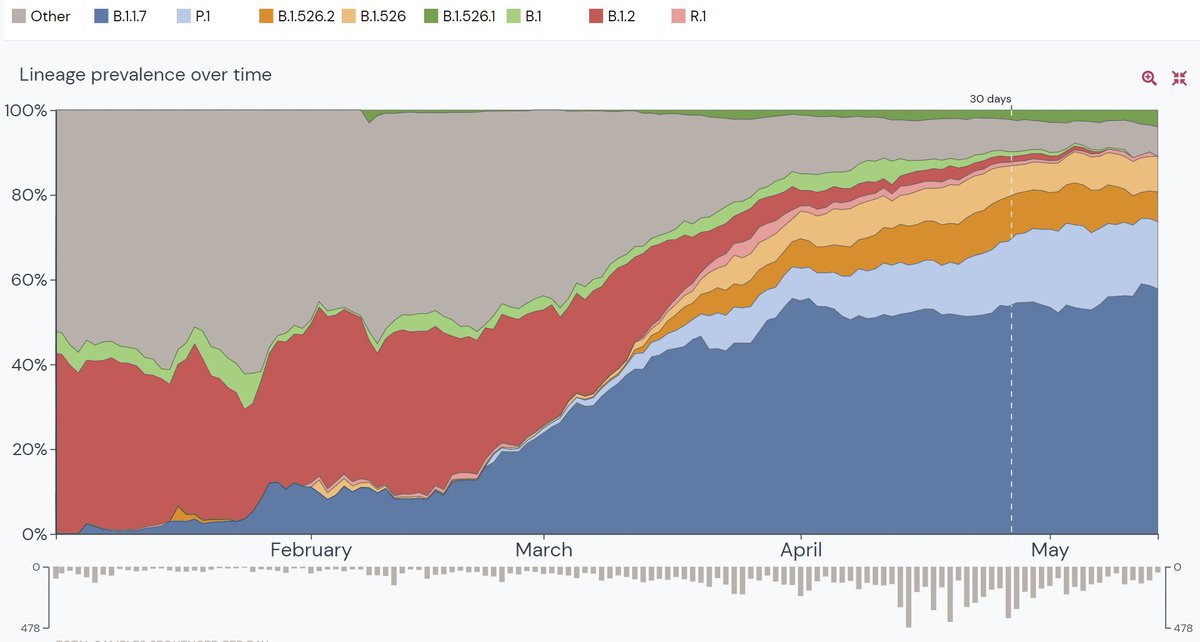
Here's CA. A little different. B.1.1.7 is still increasing in frequency (increasing in N CA now; earlier spread in S CA). As elsewhere, P.1 increasing. B.1.526 stable or slightly increasing. B.1.427, B.1.429 being displaced. B.1.617.2 increasing.
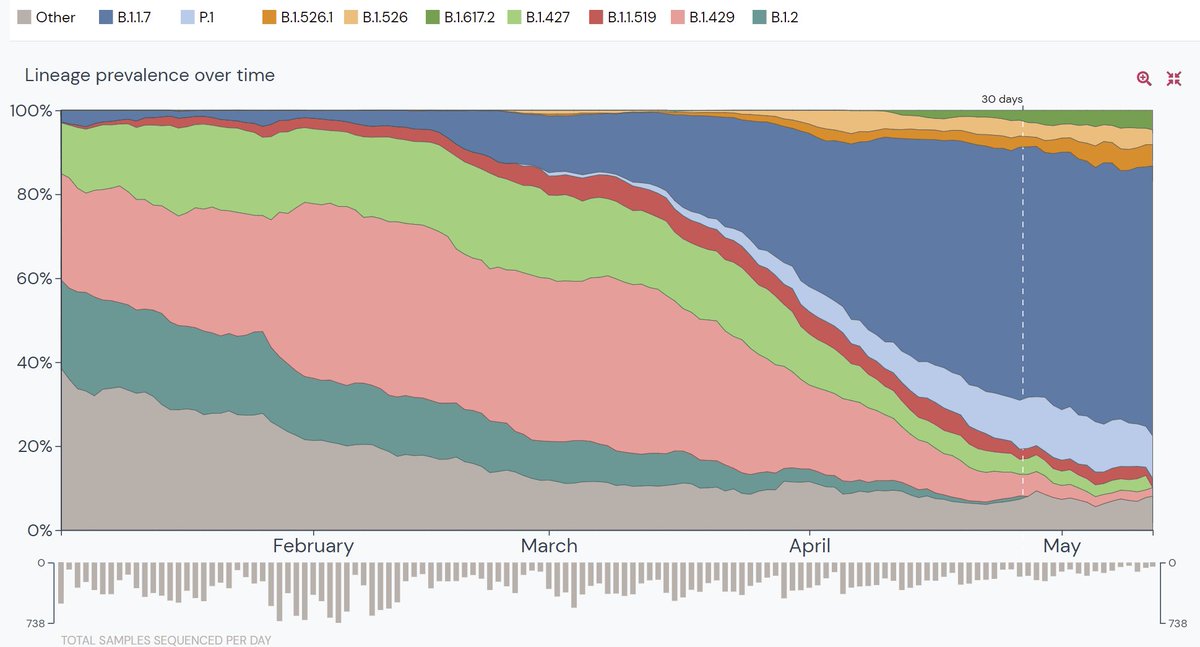
Given situation in UK, many folks are watching B.1.617.2 (1st det in India) in US. Low freq (~2%) overall.
Here is CA. Growing, but not exponentially, possibly due to spatial heterogeneity in sampling, variation in # of introductions & traveller cases, etc.
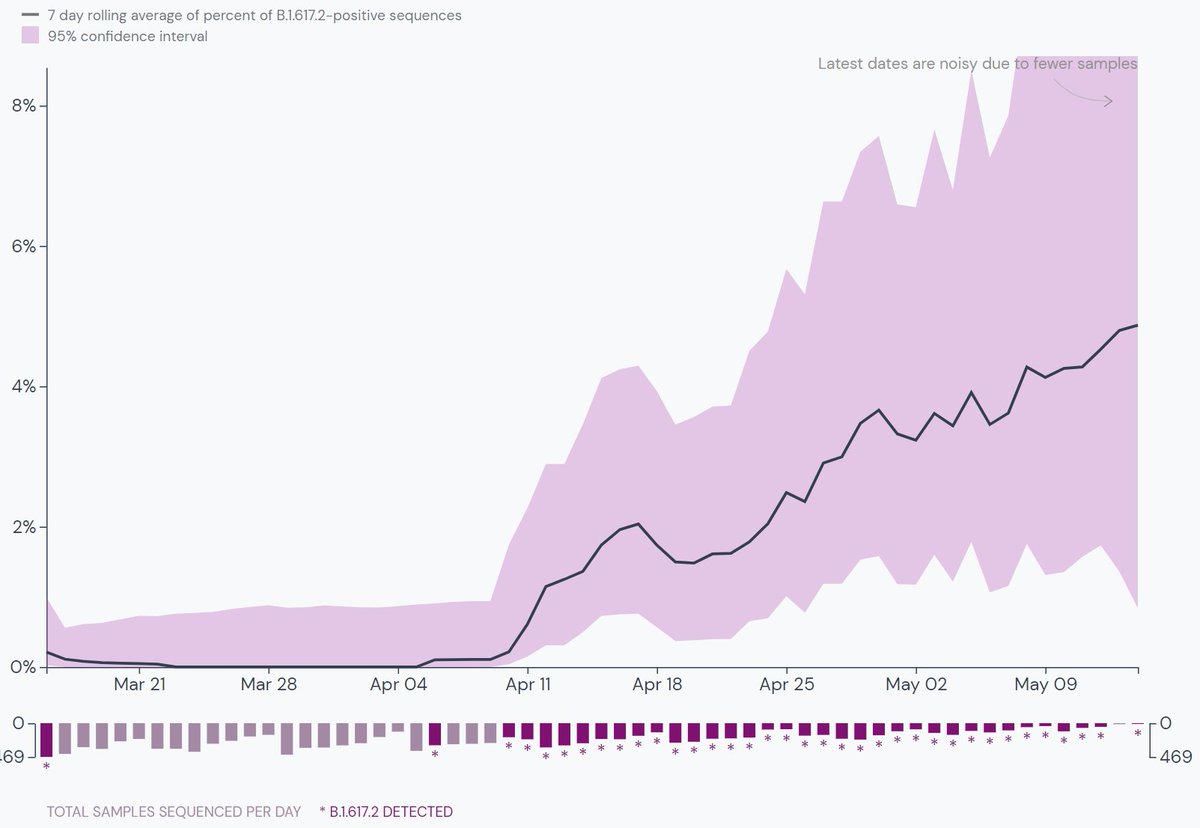
In UK B.1.617.2 is displacing B.1.1.7 (follow @chrischirp@arambaut for 2 perspectives on rise), likely due to increased transmissibility & partial immune escape, especially for 1-dose vaccine protection. How this will play out in US w/ most receiving both doses is unclear to me.
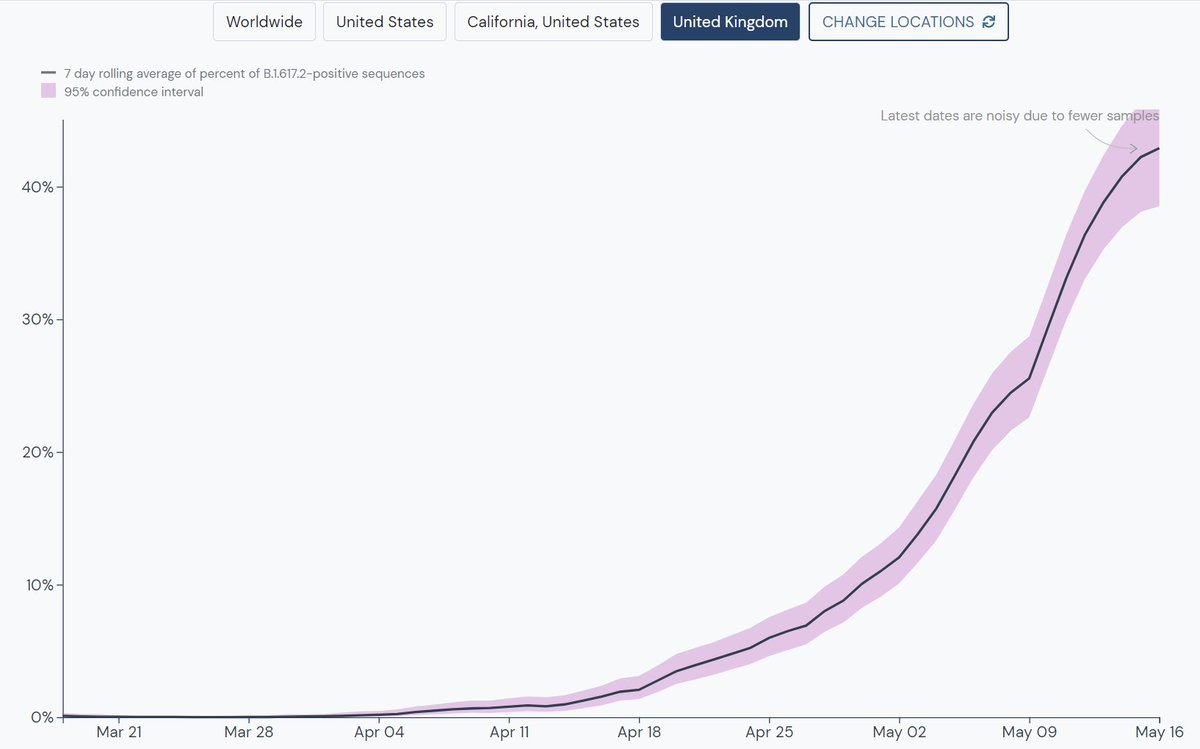
I'll be watching both P.1 & B.1.617.2 & hoping we can get remaining folks vaccinated & prevent resurgence due to either of these variants. Full vaccine protection against both appears solid (e.g. gov.uk/government/new…).
Yesterday I posted the tweet below as a joke.
Today I found so much bullshit (@callin_bull) it blows my mind.
Exhibit 1: The press release itself: investors.modernatx.com/news-releases/…
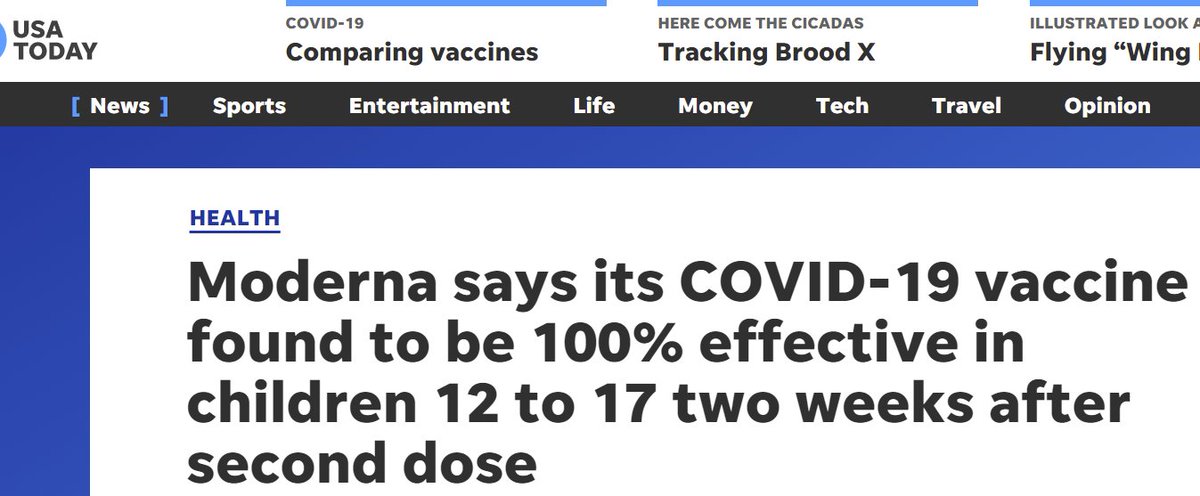
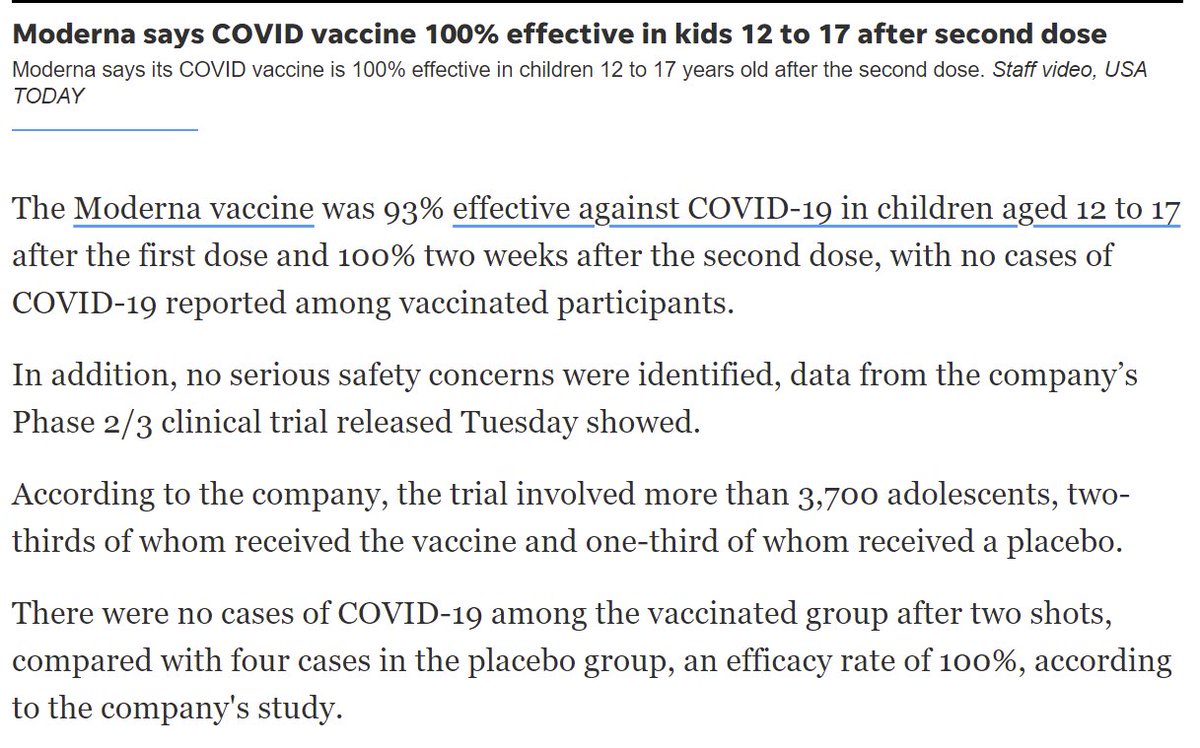
Yup, they claim 0 vs 4 cases = 100% efficacy.
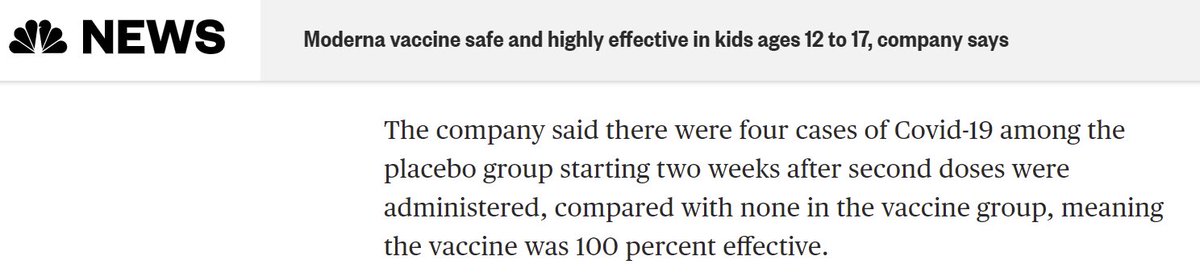
Exhibit 2: NBC, USA today both parrot 100% efficacy claim.
Exhibit 3: Moderna CEO claims vaccine prevents infection (see quote). Note: there was no data presented from study on efficacy against infection (despite that being #1 reason to vaccinate kids). Only symptomatic disease (4 cases total), antibody response, & side effects.
It's worth noting that efficacy wasn't a primary endpoint of this trial - translation: the study wasn't trying to measure efficacy so there's no need for Moderna CEO to spout bullshit. Where is NIH partner telling them to cut the BS?
What is the trajectory of viral load dynamics & test sensitivity post-INFECTION?
We're 17 month into the pandemic &, shockingly, this Q is still only partly answered.
Recent paper using a study design I proposed 12 months ago provides detailed look & raises many questions.
Background
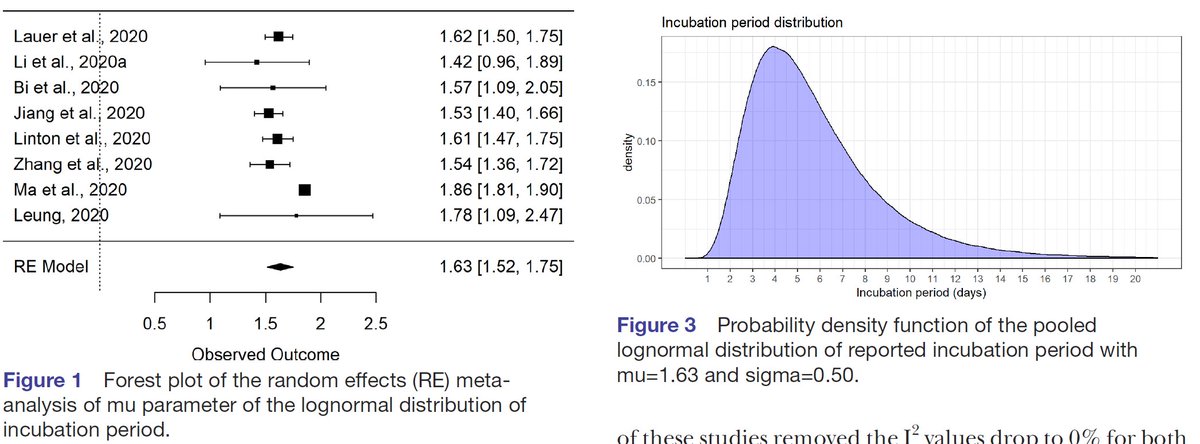
We know that ~3-6d following infection COVID-19 symptoms start (the incubation period). doi:10.1136/
bmjopen-2020-039652
We also know that people are infectious before symptom onset - this has been one of the greatest challenges in controlling SARS-CoV-2.
How effective are vaccines vs severe & all disease, death, infection, & transmission?
Very nice collection of studies assessing different aspects of vaccine protection by Julia Shapiro (on twitter?) @nataliexdean@betzhallo@ilongini & 2 others.
Thread medrxiv.org/content/10.110…
Study has data on many different measures of protection:
all infection (symp + asymp), all symptomatic (mild+severe), severe, hospitalization, death, & transmission,
for 8 vaccines: Moderna, Pfizer, Novavax, Astrazeneca, Sinopharm, Sinovac, Sputnik, J&J,
3 variants&
1&2 doses
Should vaccinated people stop wearing masks?
Happy to contribute to article @B_resnick w @MonicaGandhi9@AbraarKaran@DocJeffD@DrJeanneM
Short thread w/ my perspective on how to navigate CDC guidance on masks post-vaccination.
1st: Protection from vaccination is NOT 100% (no surprise to anyone that follows me to hear this)
So, despite being vaccinated, I'm still going to wear a mask in what I consider high(er) risk situations - indoors w/ dozens of households, unless community transmission is VERY low.
What is very low? My perspective: CA (where I live) has tiers based on daily cases/100K. Lowest tier is <2/100K. If we assume there are 5 infections/case & people are infectious for 10d, this translates to 1/1K. Pretty low. If everyone is vaccinated, risk ~10x+ lower so <1/10K.
Interesting thread @trvrb on growth of B.1.1.7, P.1, B.1.351 in US
I worry about key assumptions underlying these analyses:
-sequences are random sample of state/US infections (definitely not)
-trends in sequences represent local transmission rather than changes in imported cases
Many of the P.1, B.1.351 numbers are very low & introduced cases can make a substantial contribution to total count. Increased transmission elsewhere (e.g. Europe, S America) & constant introductions can lead to apparent increase in US for foreign variants.
In addition, increased detection of introduced cases can also bias results towards observing a local increase of an introduced variant.
Are cases (not frequencies) of P.1 really increasing in many states as @trvrb suggests? Possibly.
Vaccination can have rapid impacts on transmission & disease & surging vaccines to MI could save many lives.
Comments in NYT article from multiple health officials including @CDCDirector@celinegounder are surprisingly at odds w/ data. 1-2 wks not 6. nytimes.com/2021/04/12/us/…
@CDCDirector argues increasing vaccine supply to MI would take 6 weeks to take effect.
Article by @noahweiland@MitchKSmith tries to explain this by stating that time for full protection w/ mRNA vaccines. But we know 1 dose offers substantial protection vs disease AND infection.
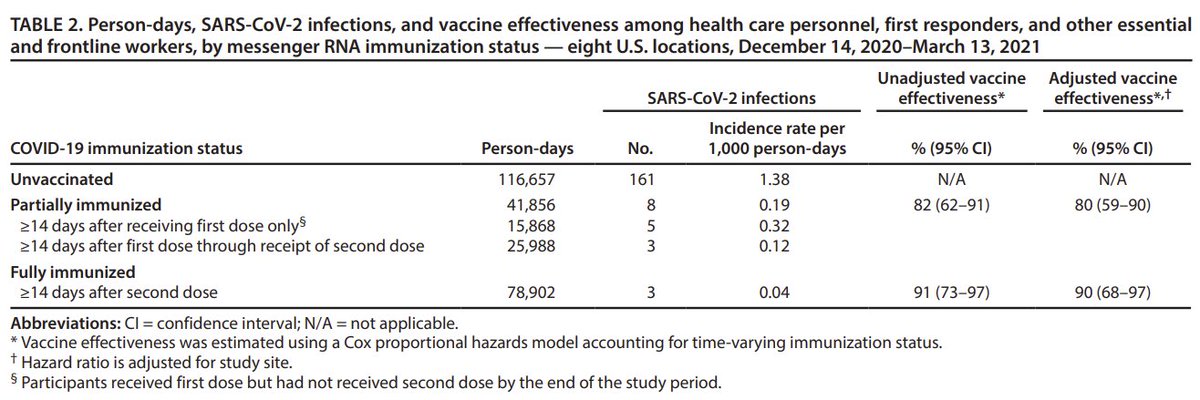
Paper published in CDC's own journal MMWR showed protection against INFECTION (not symptoms) is 80% 2 wks after 1st dose. Thus, vaccinating people could reduce transmission much more quickly than 6 wks. cdc.gov/mmwr/volumes/7…