Thank you so much to the 20,000 of you who have seen fit to follow my military ramblings. Delighted to have reached this milestone. I thought it might be interesting to share my motivation for being here and make a few comments about the medium.
1 of 8
After leaving the Army, I never expected to return to defence. But life is what happens when you plan something else. Seeing the extent to which the Army had atrophied, I felt obliged to use my experience to make a case for its modernisation. That got me going on here.
2 of 8
I found other voices who shared my beliefs, notably @thinkdefence@NavyLookout@pinstripedline and @AndyNetherwood It has been a complete pleasure to champion the cause of the Army, Navy & RAF. I am so proud of our men and women in uniform. They really are the best of us.
3 of 8
I’m grateful to have been able to make a living in defence, but only working with firms I believe have something genuinely worthwhile to offer. The problem is that affiliations create a conflict of interest that compromises impartiality. So it’s a difficult balancing act.
4 of 8
I make a point of stating my industry links and other interests. I’m also careful not be rude or critical of individuals I don’t agree with. I’ve made some great offline friends from my online presence. I am constantly humbled by the stories of others.
5 of 8
I’ve learned so much from the many experts on this medium. Not just UK military and defence personnel but people from everywhere. I don’t always get it right, but am happy to be proved wrong. Which is why I reserve the right to change my mind!
6 of 8
I’m grateful to the Armed Forces themselves for engaging including individual regiments and units like my own @WelshGuards and senior officers and politicians prepared to put their necks on the line like @neilsexton659 and @BWallaceMP
7 of 8
If the Government had bought everything on my shopping list it would probably be bankrupt, but if you work in the capability arena, it’s your job to showcase new kit. So, it’s been a fantastic journey. Thanks very much to all of you who have made it fun & rewarding.
8 of 8 / END
• • •
Missing some Tweet in this thread? You can try to
force a refresh

NGSW RECAP (Thread)
The felt recoil of prototype weapons for the US Army's NGSW program is significantly higher than for legacy 7.62 mm weapons. But the recoil of 7.62 mm weapons, which is difficult to control when firing bursts, was partly why NATO switched to 5.56 mm.
1/20
A 2nd problem is that NGSW weapons have a muzzle velocity of 3,000 f/sec (914 m/sec) and chamber pressure of 80,000 psi versus 45,000-55,000 psi for 7.62 mm. This is going to cause serious barrel and parts longevity issues. NGSW reports suggest < 3,000 round weapon life.
2/20
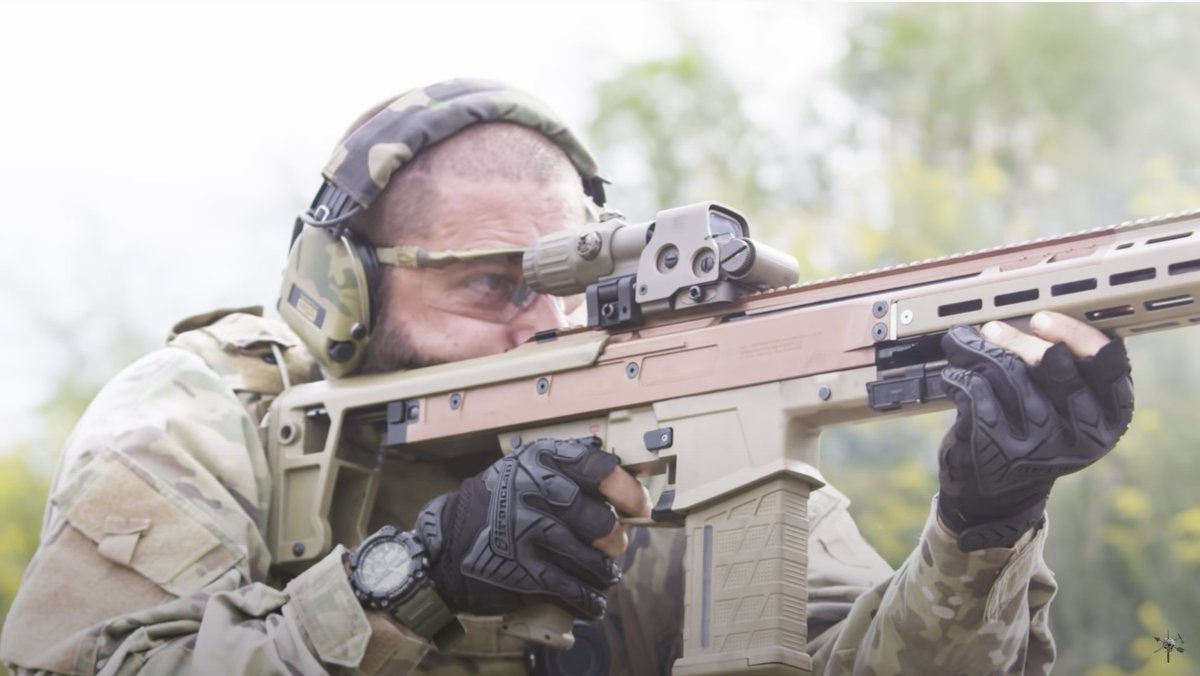
Such performance is based on the need to penetrate Level IV body armour at 600 metres. The result is an ammunition that's as powerful as .300 Winchester Magnum, which has ~ 20% more energy than the .30-06 cartridge on which 7.62 mm NATO is based. (Image: The Firearm Blog)
3/20
AJAX (Mini-thread)
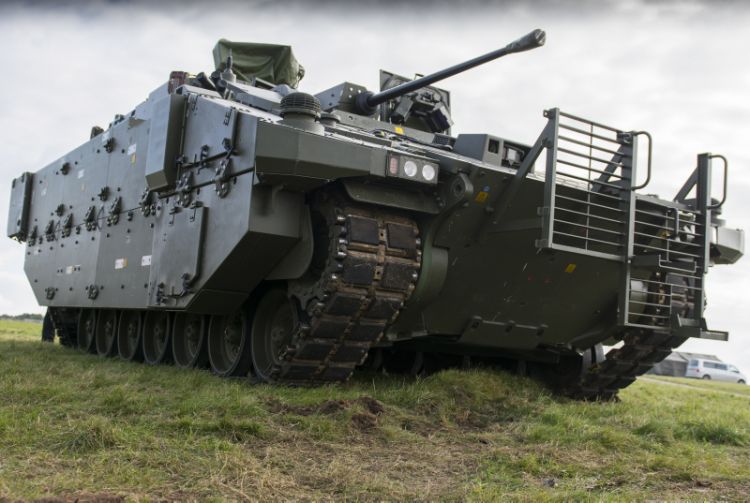
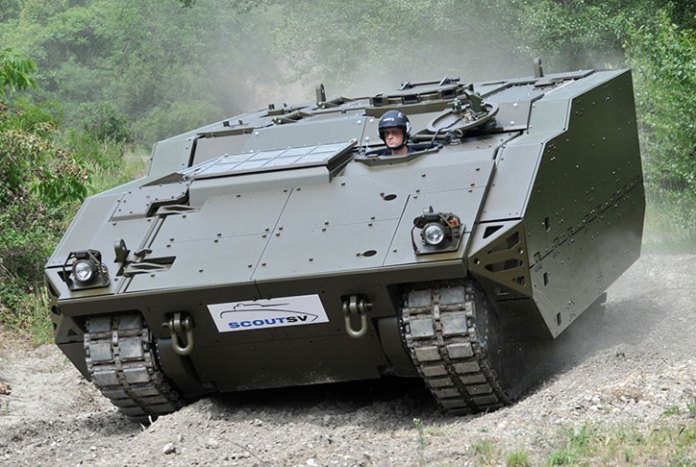
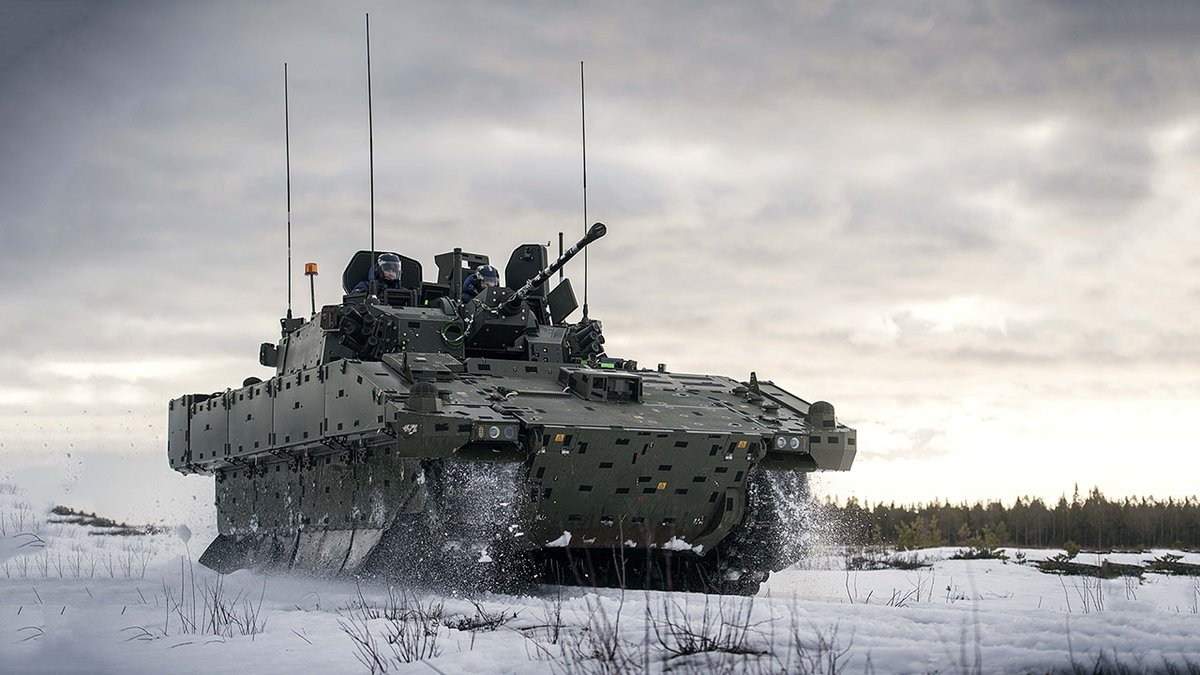
Working for a competitor of @gduknews I didn't think it was appropriate to comment on the specific issues related to the Ajax programme, but I do want to say something important about the capability itself. 1/7
Without the reconnaissance strike and fire support element that Ajax is intended to provide, the Army will not be able to fulfil its 2030 aspirations. Heavy Brigade Combat Teams will lack sufficient lethality, and be placed at a considerable disadvantage operationally. 2/7
This means any notion of cancelling Ajax and deleting the capability altogether is neither credible nor acceptable. You might as well disband the Army. The Government could only consider the cancellation of Ajax if it were to replace it with an alternative platform. 3/7
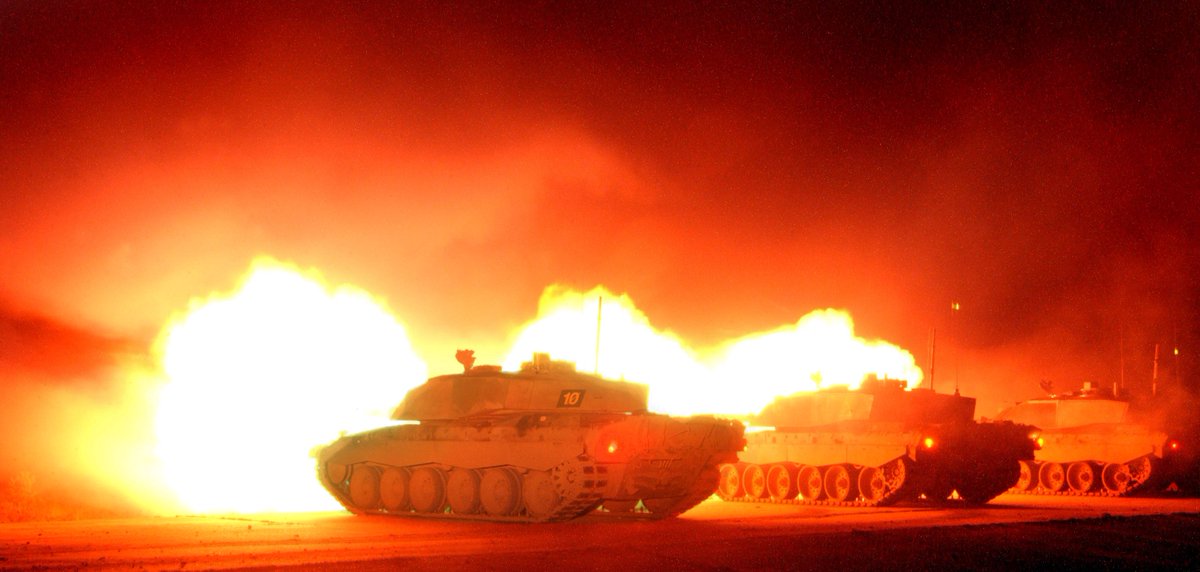
I wanted to respond to the CR3 announcement last week. Those who follow me will know I have an interest to declare here, since I am an advisor to KMW, manufacturer of the Leopard 2A7 and competitor to RBSL. However, the views that follow are my own, not KMW’s.
[1 of 20]
First, it’s fantastic news that the UK is retaining a Main Battle Tank capability. Despite the threat posed by loitering munitions and other new battlefield technologies, nothing else provides the shock effect, resilience and sheer brute force that tanks still offer.
[2 of 20]
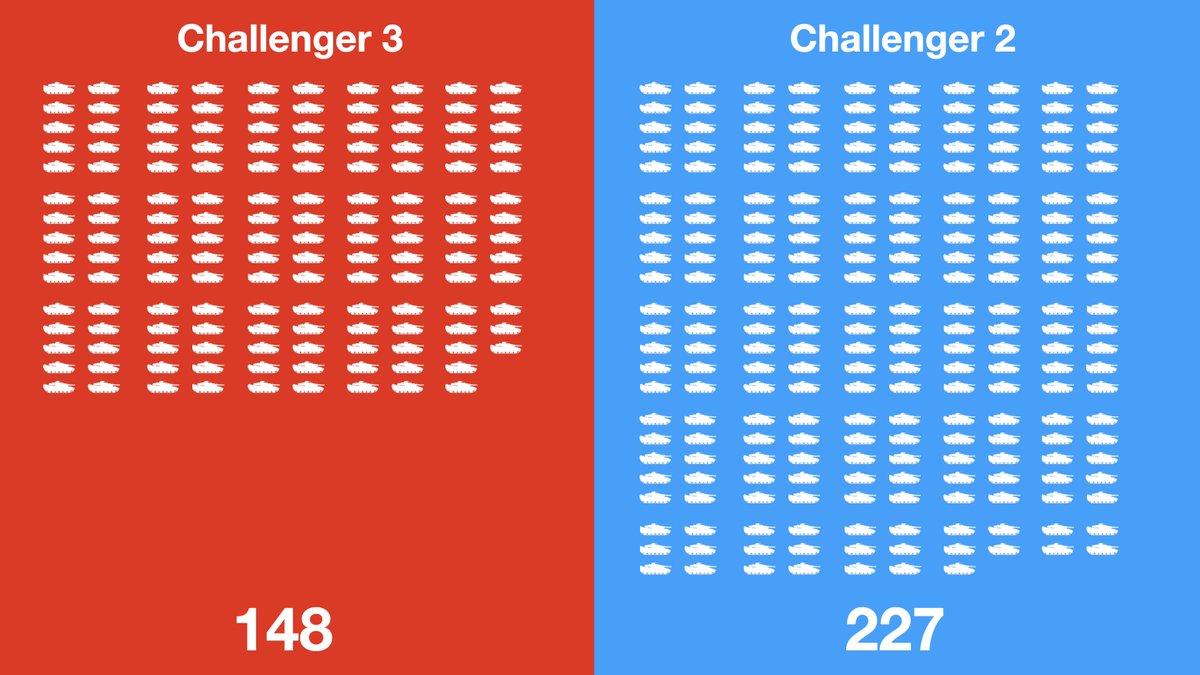
However, we need to ask what is a meaningful number. Reducing the fleet to 148 is only sufficient for two regiments + training sqdn. This seems like tokenism for the sake of compromise rather than a serious attempt to reconfigure the Army around the threats it faces.
[3 of 20]
THE SITUATION IN UKRAINE (Thread)
As Russian troops continue to mass along the Ukraine's Eastern border, we are all rightly concerned. But will Putin really go for another land grab? And if so, what might happen? Let’s look at how a potential scenario might unfold...
(1 of 10)
Putin attacks across three lines of advance into Western Ukraine. Whatever his strategy, this time it’s different. Unlike 2014, Ukraine forces are better prepared and much better equipped. Territorial gains within the first 24 hours are less than anticipated.
(2 of 10)
Global condemnation swiftly follows. Further sanctions are applied, but this changes nothing at the front. Withering artillery barrages are followed-up by substantial armoured thrusts. Although Ukraine forces lose ground, Russian forces suffer significant attrition.
(3 of 10)
So, in the absence of detail from the recent Defence Command Paper, I thought I would provide a personal view on the British Army's strategy and answer that all important question: WHAT IS IT FOR? I'll start with the principal threats to note the resurgence of peer adversaries.
The UK's four overarching defence commitments translate into a range of roles with varying intensity. The specific tasks the Army aims to perform were not communicated clearly. The important shift in emphasis is a move to high-end expeditionary war fighting.
The four primary tasks are performed by Light, Heavy and Special Forces structures. Again, once you understand the intent, the logic is sound. An increased special forces component is consistent with the missions we anticipate.
BRITSH ARMY HEADCOUNT REDUCTION (Thread)
Looking back at personnel cuts made in 2010, a reduced Army of 82,000 didn’t help Britain regain its financial strength, it simply signified a hollowing-out of our ability to defend ourselves.
(1 of 25)
It destroyed the credibility of David Cameron’s Coalition Government then and even more so in hindsight. It was military illiteracy on a grand scale. The problem wasn’t so much the reduction itself, but the fact that there was no real strategy behind it, no future plan.
(2 of 25)
Back in 2010, the UK's involvement Iraq and Afghanistan didn’t really serve our national interests (See Ben Barry’s book). If these conflicts were sub-optimal uses of the Army, they raised the important question of what the Army’s underlying raison d’être should be.
(3 of 25)