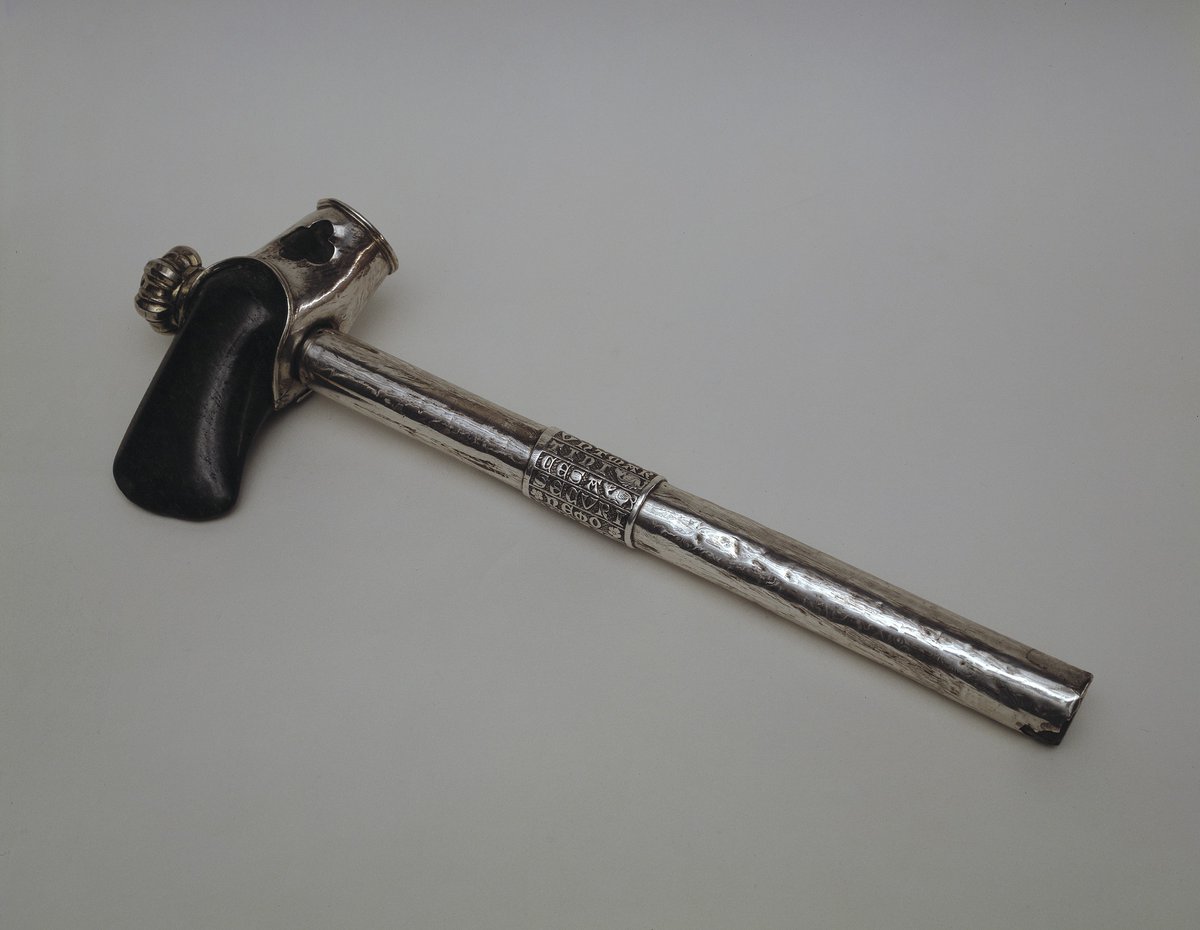
Thread: Yesterday was Ognjena Marija (Fiery, Burning Mary)...She announces the beginning of "kresovi" (fires), the hottest part of the year in the norhtern hemisphere, the time of droughts, death... oldeuropeanculture.blogspot.ie/2014/07/ognjen… 

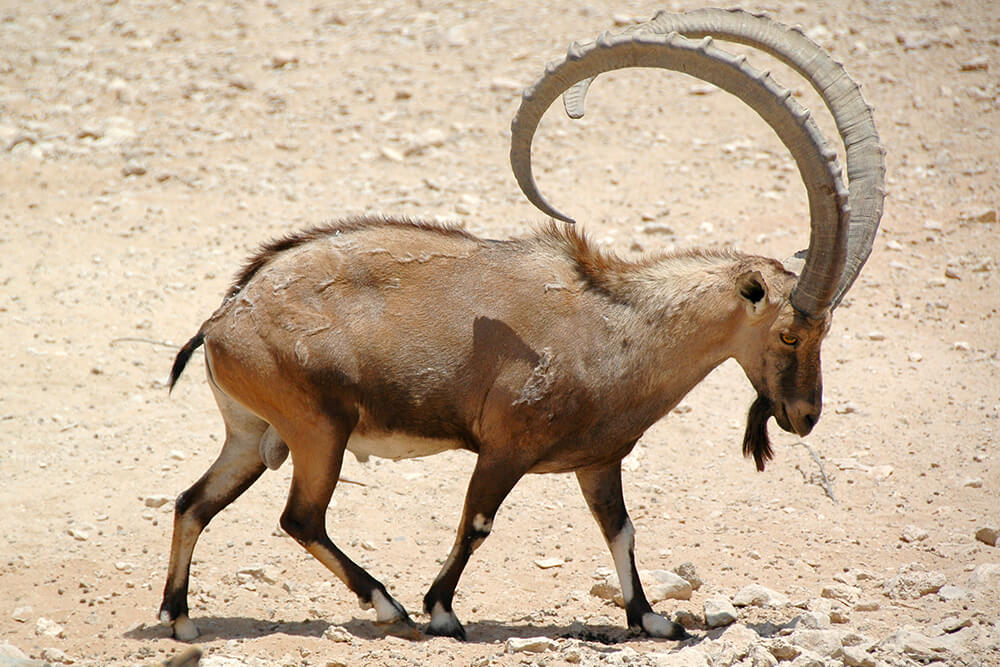
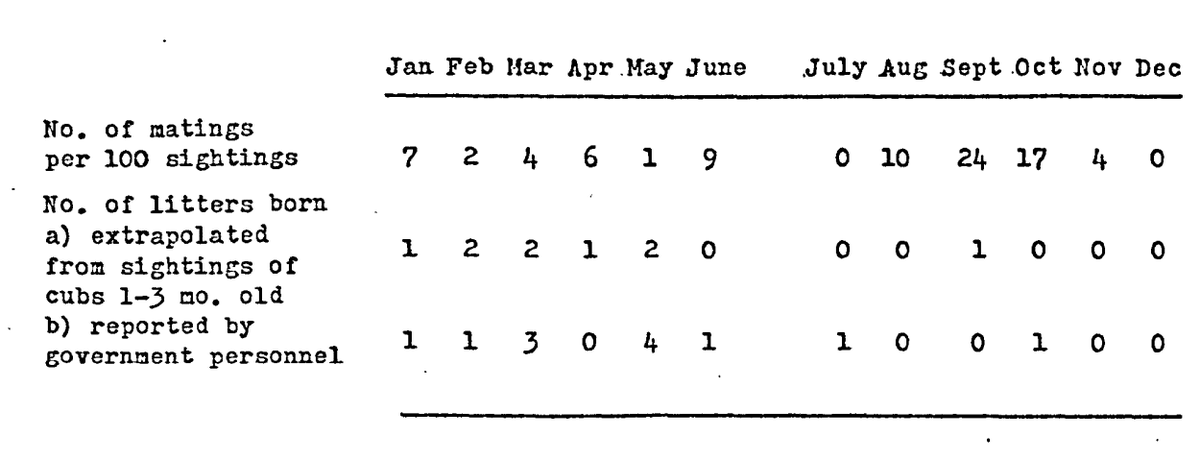
We are in the midlle of Leo, which originally had nothing to do with constellations...It is an ancient animal calendar marker, which marks the beginning of the mating season of the Eurasian lions...

So who is Ognjena Marija?
https://twitter.com/serbiaireland/status/1403713432440999937
You know the dog star...Who presides over the dog days...Why are they called dog days?
https://twitter.com/serbiaireland/status/1391833749067862016
Which is why we find all theses goddesses all over Eurasia and North Africa, who stands, sits, rides on lions, rides on chariots pulled by lions, stands, sits between lions, is lion headed... oldeuropeanculture.blogspot.com/2019/11/assump…
In Serbian folk tradition, Ognjena Marija is married to St Elijah the thunderer...Basically thinly disguised sky god...He is both Helios and Zeus, Veles and Perun, Shamash and Adad...
https://twitter.com/serbiaireland/status/1348312723810103296
According to the Serbian folk tradition, Elijah (in his Helios, Veles, Dragon) gets very angry with the world around his pattern day, 2nd of August, the hottest day of the year in the northern hemisphere, and decides to burn the world to cinder...
Sounds very much like Nergal, the Destructive sun, who arrives in Leo...The fire breathing dragon...
oldeuropeanculture.blogspot.com/2021/05/winged…
oldeuropeanculture.blogspot.com/2021/05/winged…

But thankfully, Ognjena Marija calms Elijah down and the world survives. For another year. Well actually it's her other husband, Perun, The Thunder God, who arrives on the same day and kills Veles, The Great Snake...You know the dragon killer saving the princess...
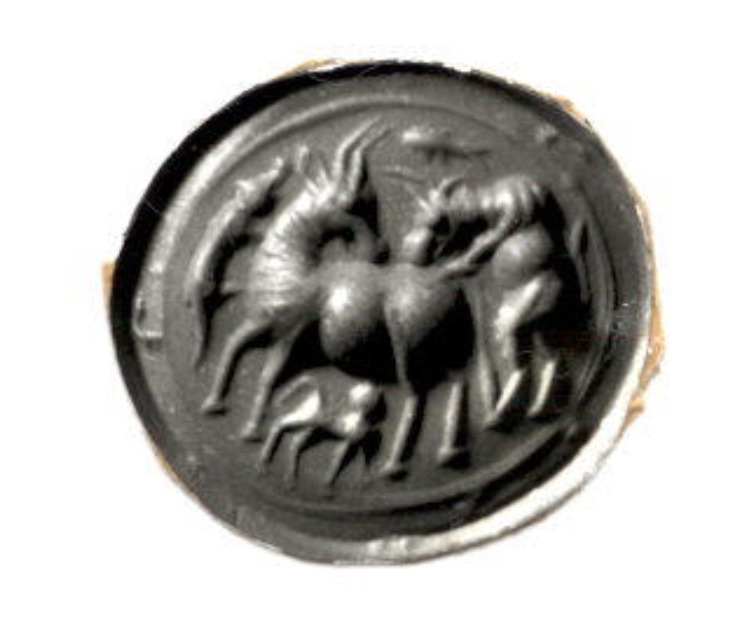
Just like it is depicted on this Mesopotamian seal...7 headed dragon gets his 4th head killed (four months of summer, Apr/May, May/Jun, Jun/Jul, Jul/Aug are over) while goddes standing under the star (Ishtar, Ognjena Marija), watches...
https://twitter.com/serbiaireland/status/1399807920200630278
If you want to read more about dragons and princesses...
https://twitter.com/serbiaireland/status/1374144809892511749
Anyway, back to Ognjena Marija. In Serbian folk mythology she was transformed into two female Christian Saints:
30th of Jul. St Marina, St Margaret, Ognjena Marija
2nd of Aug. St Elijay the Thunderer
4th of Aug. St Marija Magdalena, Blaga (kind, benign, mild, gentle) Marija
30th of Jul. St Marina, St Margaret, Ognjena Marija
2nd of Aug. St Elijay the Thunderer
4th of Aug. St Marija Magdalena, Blaga (kind, benign, mild, gentle) Marija
There is a Serbian proverb which says: Od Svetog Ilije, Sunce sve milije (From St Elijah, the sun gets dearer and dearer)...
Which basically describes the fact that St Elijah, middle of Leo, is the hottest day of the year, after which the earth starts to cool...And people begin again to look forward to the sun, and sunny days... oldeuropeanculture.blogspot.com/2016/07/two-cr…
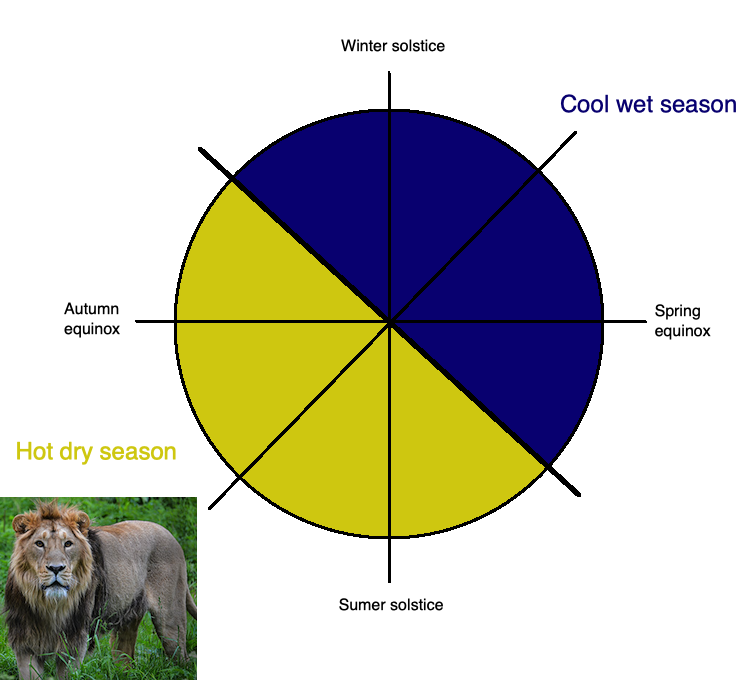
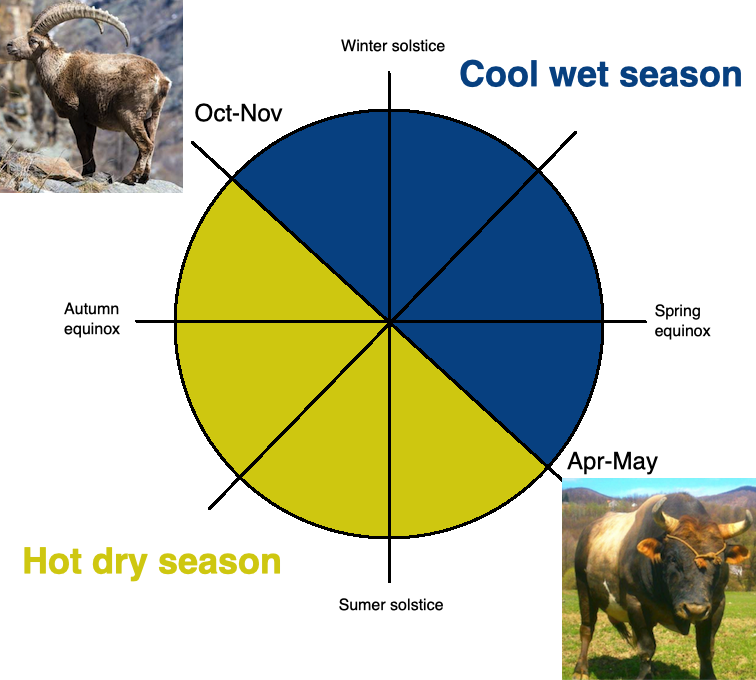
Oh yeah....Serbs organise bull fights on the day of Elijah...Probably cause this is when Aurochs started their mating season fights in the past...
https://twitter.com/serbiaireland/status/1157360721610661888
Got to go...Sorry about throwing all this in like this...Just wanted to show you how all these "unrelated" legends, religions, are all just one old story, retold with renamed characters all over Eurasia and North Africa...
Originally a very very boring story about a solar year in the Fertile Crescent, and the correstponding climate, told through the animal calendar markers. The story which was very important for the early farmers who had no other calendar...
The story which later got spread throughout Eurasia and Nourth Africa by the same early farmers, and which later got pimped up "a bit"...
More about animal (and plant) calendar markers found in ancient cultures, start here oldeuropeanculture.blogspot.com/p/animal-solar… then check the rest of the blog posts I still didn't add to this page, and finally check my twitter threads I still didn't convert to blog post...I am 6 months behind now
• • •
Missing some Tweet in this thread? You can try to
force a refresh