Thread: In the Sumerian text "Enki and Ninhursanga" (etcsl.orinst.ox.ac.uk/section1/tr111…) Enki [the god of fresh water and the annual flood] says: "When Utu [the sun god] steps up into heaven, fresh waters shall run out of the ground for you"...
What does this mean?
What does this mean?
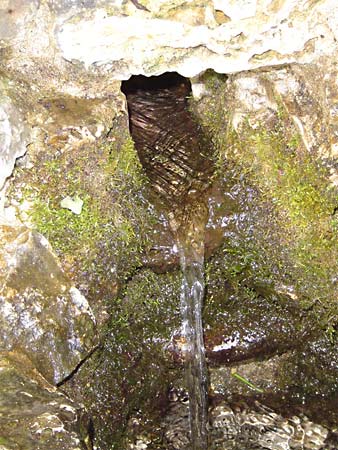
This makes no sense, right? How can rising of the sun make water run out of the ground? Well it is not the sun's daily elevation, but the sun's annual elevation that this text talks about...
The sun's elevation is the lowers at the start of the solar year, at Winter Solstice. As the solar year progresses, the sun's elevation increases. The sun's elevation is the highest at the Summer solstice, after which it decreases until its minimum at the Winter Solstice...
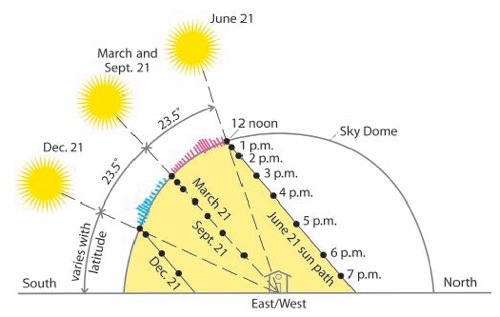
What does this have to do with water running out of the ground? Well, the elevation of the sun is directly linked to the duration of the day.
The day is the shortest at the Winter Solstice (lowest elevation) and the longest at the Summer Solstice (highest elevation)...
The day is the shortest at the Winter Solstice (lowest elevation) and the longest at the Summer Solstice (highest elevation)...
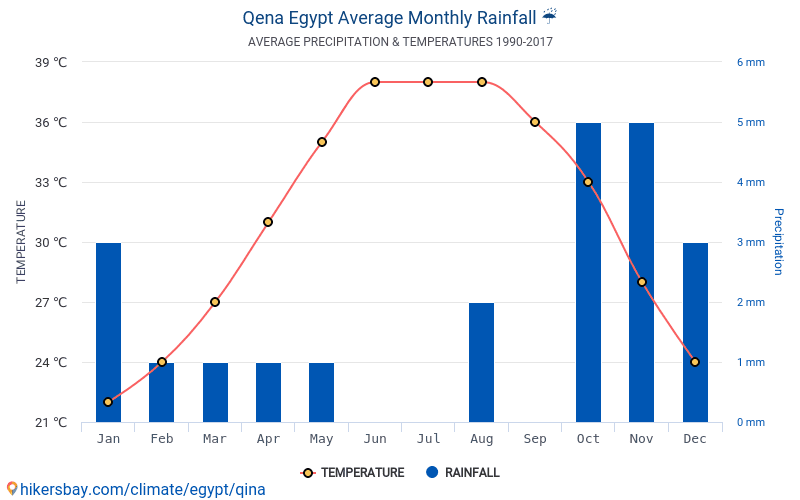
You would think that the the winter solstice would then be the coldest time of the year, as the day is the shortest. But, because of the way earth-sun system works, the earth continues to cool after winter solstice, even though the days start getting longer...
The coldest time of the year is at the beginning of February, the beginning of spring...After which the earth starts to warm up...
oldeuropeanculture.blogspot.com/2016/07/two-cr…
oldeuropeanculture.blogspot.com/2016/07/two-cr…

This is Exactly when the water levels of Tigris and Euphrates start to rise. Why? Cause the earth is warming up, and the snow, which covers the mountains to the North of Sumer is melting...

And it is this snowmelt that is the main contributor to the water flow of Tigris and Euphrates...
https://twitter.com/serbiaireland/status/1399800653376110595
And so, as Utu, The Sun god, climbs higher and higher up the sky, warmer and warmer the earth becomes, more and more snow is melted, and higher and higher the water levels of Tigris and Euphrates become...Symbolically Utu frees Enki from his icy prison...
https://twitter.com/serbiaireland/status/1420861762308612100
And as the water levels of all the rivers in the Tigris and Euphrates catchment area rise, "fresh waters runs out of the ground"...
Just like Father Enki has promised. Enki, "the important one of the great gods" for whom it is said that "there is no one who does not take his skillful advice"... researchgate.net/publication/28…
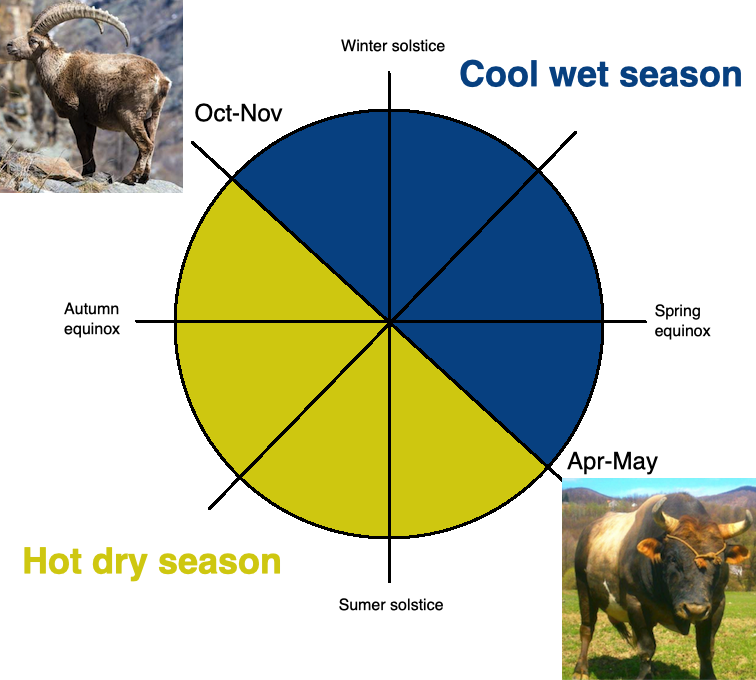
BTW: The water levels in Tigris and Euphrates reach their peaks at the beginning of Summer, in Taurus. Which is why Enki, "the flood of heaven and earth" is also "great bull" who releases his semen into Tigris and Euphrates...
https://twitter.com/serbiaireland/status/1390795597729476609
PS: I just thought of something...You know how originally Sumerian gods lived in Ekur, the holy mountain(s), which later became heaven...The same holy mountain(s) which are the source of Tigris and Euphrates...
https://twitter.com/serbiaireland/status/1408463380248158212
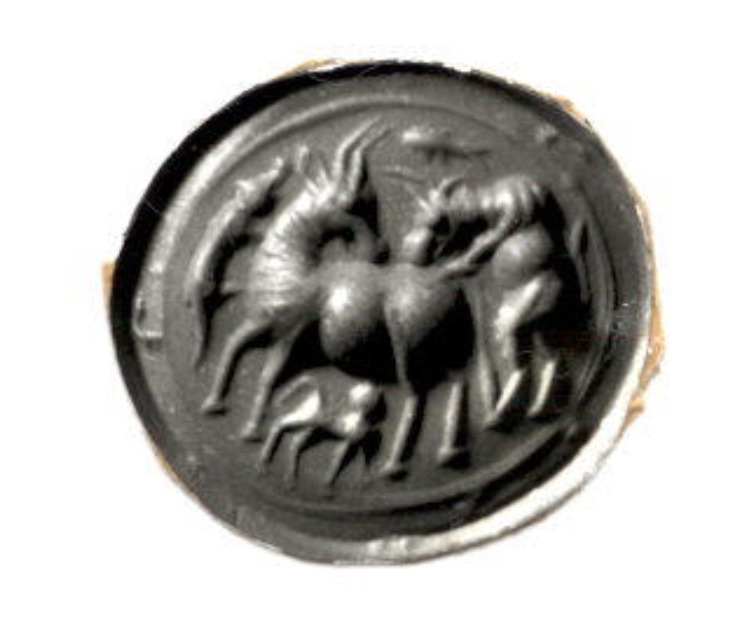
Did "When Utu steps up into heaven" originally mean "When Utu steps up into holy mountain(s)", just like it is depicted on the seal showing Shamash/Utu liberating Enki/Ea?
Technically it's the same thing, as "Sun stepping up the mountain" means "Sun heating up the higher and higher ranges of the mountains", which correspond with the "Sun's elevation getting higher and higher"...
Interesting...
Interesting...
• • •
Missing some Tweet in this thread? You can try to
force a refresh